
Finding the ideal book shelf for a compact Singapore home requires balancing storage needs with precious floor area. In typical HDB flats and modern condominiums, every square meter counts, and an oversized piece of furniture can quickly make a room feel cramped and dark. By understanding how to select the right dimensions—depth, width, and height—you can maximize your book collection while maintaining an airy, comfortable living space. The key lies in precise planning, smart layout choices, and verifying structural limits before making a purchase.
Measure Your Available Space Before Buying
Before browsing online catalogs or visiting showrooms, you must establish the exact physical boundaries of your room. Start by measuring the available floor footprint where the book shelf will stand, noting both the maximum width and depth the area can accommodate. However, focusing solely on the floor can lead to missed opportunities; measuring the vertical wall space allows you to assess whether a taller, slimmer unit might serve you better than a wide, low-profile one.
Next, check the necessary clearances for doors, windows, and daily walking pathways. A book shelf should never obstruct the natural swing of a bedroom door or block access to window latches. Ensure there is enough clearance for comfortable foot traffic, leaving at least 60 to 70 centimeters of open walkway space in front of the shelves so you can pass by without turning sideways.
Products mentioned in this guide
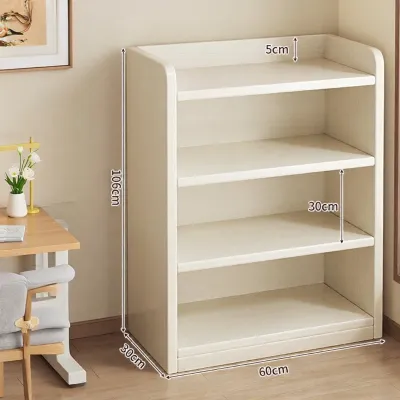
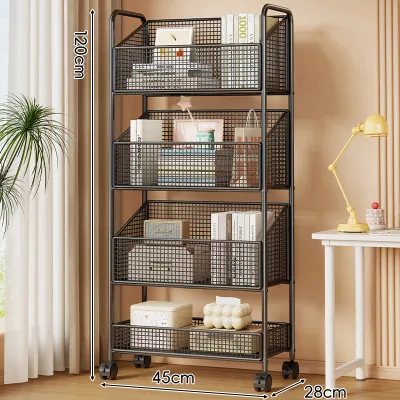
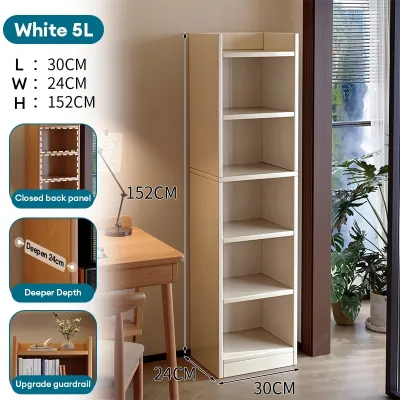
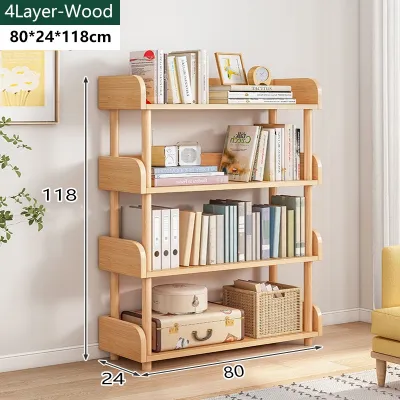
![[SG Seller]360Degrees Rotating Bookshelf Rotating Book Shelf Rotate Floor Standing Books Storage Rack](https://img.lazcdn.com/g/p/bb46c1ac353d25f9026879c97f254c6c.jpg_400x400q80.jpg_.webp)
Prices are valid at publication and may change. Please refer to the product page for the latest price.
Finally, account for fixed architectural features that standard measurements often overlook. Look down at the floor to see if skirting boards will prevent the unit from sitting flush against the wall, which can create an unstable gap. Locate all power outlets, light switches, and internet ports to ensure they remain accessible, and trace the path of any air-conditioning trunking or structural beams along the ceiling that might limit the maximum height of your furniture.
Match Depth and Width to Your Room Layout
The depth and width of your book shelf dictate how much physical and visual space it occupies in your room. For tight corridors, narrow entryways, or the space directly behind a sofa, shallow units are highly effective. A shelf depth of 20 to 25 centimeters is typically sufficient for standard paperbacks and small novels, allowing you to store a substantial collection without encroaching on valuable floor space.

For living rooms, dedicated study areas, or home offices, standard depths of 30 to 35 centimeters are more appropriate. This depth accommodates larger hardcovers, textbooks, storage boxes, and decorative items. When choosing the width, consider modular configurations; instead of buying one massive, wide unit that dominates a single wall, placing two narrower units side-by-side offers greater layout flexibility and makes the room feel less crowded.
Balancing the overall width of the furniture is crucial for maintaining a sense of proportion in compact HDB or condo rooms. A wide, heavy bookcase can visually overwhelm a small bedroom, making the walls feel as though they are closing in. Opting for a narrower width and utilizing vertical height instead helps draw the eye upward, creating the illusion of a loftier ceiling and a more spacious environment.
Evaluate Height and Vertical Storage Options
Maximizing vertical space is one of the most effective strategies for small-space living, but it requires careful planning. Standard bookcases usually range from 120 to 180 centimeters in height, which keeps items within easy reach and leaves wall space above for artwork. However, if you have a large collection, floor-to-ceiling modular options or tall units reaching up to 220 centimeters can utilize otherwise wasted space near the ceiling.
When opting for tall, narrow units, safety must be your primary concern. These configurations have a higher center of gravity, making them susceptible to tipping over, especially if loaded unevenly. Always check the manufacturer’s instructions regarding wall-anchoring requirements, and ensure your walls—whether concrete HDB partition walls or drywall—can securely hold the necessary brackets and wall plugs.
Managing the visual weight of tall furniture is also essential to prevent your room from feeling cramped. A solid, dark, floor-to-ceiling bookcase can feel like an imposing wall of wood. To mitigate this, look for units with open backs, light-colored finishes, or glass doors that reflect light and allow the wall color to show through, preserving a sense of openness.
Check Weight Capacity and Material Durability
A book shelf must be structurally sound enough to support your collection without sagging or failing over time. Books are surprisingly heavy; a single shelf filled with dense hardcovers can easily weigh 15 to 20 kilograms. Before purchasing, estimate the total weight of the items you plan to store, including heavy reference books, binders, and decorative ceramic pieces.
Always verify the manufacturer’s specifications for individual shelf load limits rather than guessing. Look for the maximum weight capacity per shelf, which is often determined by the thickness of the material and the span of the shelf. Long, unsupported shelves made of thin particleboard are highly prone to bowing under heavy loads, so look for units with central support brackets or thicker solid wood and metal frames if you have heavy volumes.
In Singapore’s hot and humid climate, material durability and surface treatments require extra attention. High humidity can cause untreated engineered woods to swell, warp, or harbor mold over time. Check that the furniture has a protective laminate, veneer, or moisture-resistant finish, and ensure that all joints and edges are properly sealed to prevent moisture from penetrating the core material.
Common Sizing and Placement Mistakes to Avoid
One of the most frequent mistakes shoppers make is ignoring delivery access constraints before placing an order. A book shelf might fit your living room layout, but it must first get there. Measure the dimensions of your building’s lift, the turns in the common corridors, the width of your main door, and any tight corners inside your entryway to ensure the delivery team can safely transport the furniture.
Another common error is overlooking the visual clutter caused by open shelving in small rooms. While open shelves can look beautiful in styled photos, a chaotic mix of mismatched book spines, papers, and miscellaneous items can make a small room feel disorganized and cramped. Consider choosing a unit that combines open shelves with closed lower cabinets or drawers to hide clutter out of sight.
Finally, remember to leave adequate breathing room around your furniture for ventilation and cleaning. Pushing a large bookcase tightly into a corner with zero clearance can trap moisture and dust, leading to mold growth on both the wall and your books. Leaving a small gap of one to two centimeters allows air to circulate freely, which is essential for preserving your collection and maintaining a healthy indoor environment.
Frequently Asked Questions (FAQ)
Can I place a book shelf in front of a window?
Placing a book shelf directly in front of a window is generally not recommended because it blocks natural light and restricts access to window controls. Reducing the amount of daylight entering a small room can make the space feel significantly smaller and gloomier. Additionally, placing furniture against a window can block ventilation and increase the risk of condensation buildup on the back of the shelf, which can damage both the wood and your books. If you must use this area, opt for a low-profile console unit that sits well below the windowsill.
Are floating shelves better than freestanding units for small rooms?
Floating shelves and freestanding units serve different structural and spatial purposes in a small room. Floating shelves excel at saving floor space and creating a clean, minimalist aesthetic, making them ideal for light decorative items or a small selection of paperbacks. However, they rely entirely on the load-bearing capacity of your walls and require proper installation into studs or solid concrete. For large, heavy book collections, freestanding units are generally superior because they distribute weight directly to the floor and offer significantly higher load capacities without risking wall damage.

Community discussion
Share your experience or ask a question. Comments are reviewed before publication.