
Maximizing floor space in a Singapore HDB flat requires utilizing vertical surfaces efficiently. The best space-saving broom holders are those that match your specific wall type, tool inventory, and layout constraints—whether tucked behind a service yard door, mounted inside a kitchen cabinet, or secured to bathroom tiles. Selecting the right holder involves balancing mounting security with damage prevention, especially for renters or those wishing to preserve pristine walls.
By taking a systematic approach to evaluating your home’s layout and the physical characteristics of your cleaning tools, you can find an organization system that keeps your utility areas tidy and accessible. This guide explores how to assess your space, compare key features of various holder designs, match them to common HDB layouts, and install them safely.
Assessing Your Space and Cleaning Tools in HDB Flats
Before purchasing any storage solution, you must evaluate the physical constraints of your HDB flat. Modern HDB layouts, particularly in newer BTO flats, often feature compact service yards, narrow kitchen walkways, and cozy bathrooms. These tight spaces require careful measurement to ensure that a wall-mounted or hanging broom holder does not obstruct daily movement or prevent doors from opening fully.
Products mentioned in this guide
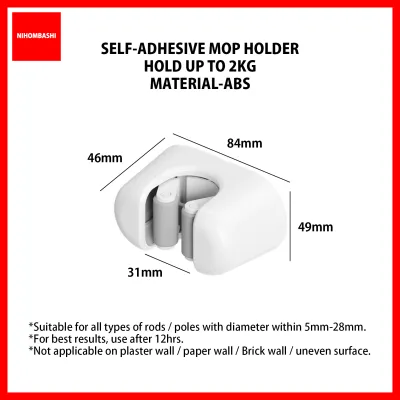
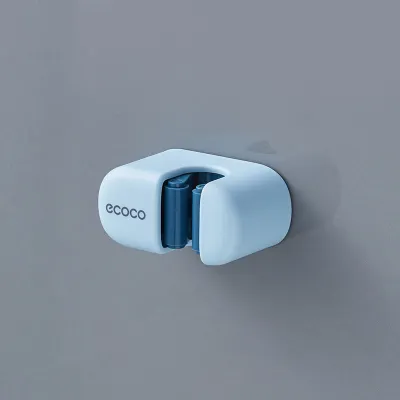
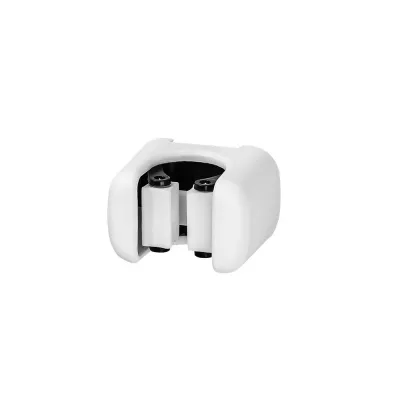
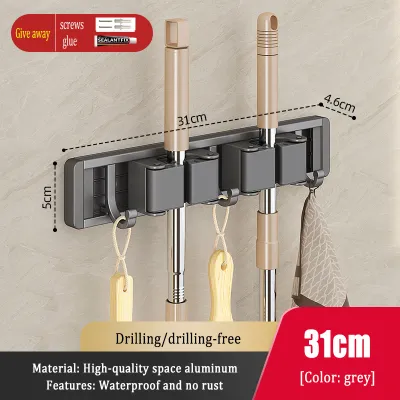
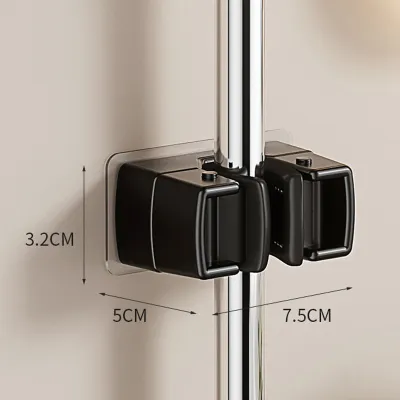
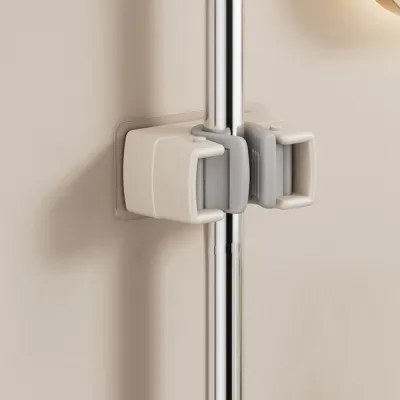
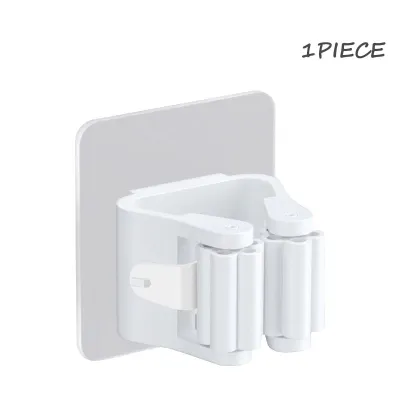
![[Hot sale] Bathroom Hook Mop Holder Broom Holder Adhesive Wall Mount Broom Hook Bathroom Cleaning Brush Holder Bathroom Accessories](https://img.lazcdn.com/g/p/611cfe3e8ea25391fd3e8860d023bf3c.jpg_400x400q80.jpg_.webp)
Prices are valid at publication and may change. Please refer to the product page for the latest price.
Start by measuring the available vertical wall space in your designated storage areas. The service yard is the most common location for cleaning tools, but it is also home to washing machines, clothes dryers, and laundry racks. Look for narrow gaps, such as the space between your washing machine and the wall, or the blank wall space adjacent to the rubbish chute hopper. If you plan to store tools behind a door, measure the clearance between the door and the wall when the door is fully open. Most standard doors require at least 10 to 15 centimeters of clearance to accommodate a broom holder loaded with tools without causing the door handle or the tools to strike the wall.
Next, take a detailed inventory of your cleaning tools. Not all broom holders are universal, and compatibility depends heavily on the dimensions and weight of your equipment. Measure the handle diameter of each broom, mop, dustpan, and duster. Standard utility handles typically range from 1.8 to 2.5 centimeters in diameter, but heavy-duty mops or spray mops with integrated water canisters can have much thicker handles. Additionally, note the weight of each tool when dry and, crucially, when wet. A wet cotton string mop can weigh three to four times its dry weight, placing significant stress on any mounting system.
Finally, consider the head shapes of your tools. Wide push brooms, flat microfiber mops, and angled sweepers require more horizontal clearance than a simple broom. If you mount a multi-slot holder too close to a corner or an adjacent cabinet, the wide heads of these tools may overlap, preventing you from using all the available slots. Mapping out the physical arrangement of your tools beforehand ensures that you select a holder with adequate spacing between slots.
Key Features to Evaluate in Space-Saving Broom Holders
When comparing different broom holders on ecommerce platforms or in local home improvement stores, several technical features will determine how well the product performs in your HDB flat. Understanding these specifications helps you avoid common pitfalls, such as falling holders or damaged walls.

The mounting mechanism is the most critical feature to evaluate. Broom holders generally fall into two categories: adhesive-mounted and screw-mounted. Adhesive options are highly popular in Singapore because they require no drilling, making them ideal for renters or those who want to avoid damaging pristine tiles. However, their weight capacity is strictly limited by the quality of the adhesive and the texture of the wall surface. Screw-mounted holders offer the ultimate in stability and load capacity, but they require drilling into HDB concrete walls or tiled surfaces, which demands proper tools and permanent modification of the wall.
Weight capacity and grip strength are directly related to how securely the holder retains your tools. Look for manufacturers that specify the maximum load capacity per slot and for the entire unit. High-quality holders utilize gravity-controlled rollers or spring-loaded rubber grips that automatically adjust to the thickness of the handle. When you push a handle into the slot, the internal roller grips the shaft; when you lift the tool, the mechanism releases it. Ensure the grip material is made of high-friction rubber or silicone rather than hard plastic, as soft materials prevent handles from slipping downward over time.
Material durability is another essential consideration, particularly given Singapore’s hot and humid climate. Service yards and bathrooms are prone to high moisture levels, which can cause low-grade metal holders to rust rapidly. If you prefer metal, look for anodized aluminum or Grade 304 stainless steel, which offer excellent rust resistance. For plastic holders, ensure they are made of high-impact ABS plastic, which resists cracking and does not degrade quickly when exposed to UV light from service yard windows.
Lastly, evaluate the adjustability and slot configuration of the holder. Some advanced models feature individual grip slots that slide along a wall-mounted track. This design allows you to customize the distance between your tools, accommodating bulky items alongside slim dusters. Additionally, look for units that integrate utility hooks between the handle slots. These hooks are invaluable for hanging smaller items like hand brushes, microfiber cloths, and dustpans, maximizing the utility of a single wall footprint.
Matching Broom Holder Types to Compact Layouts
Different HDB layouts and household preferences call for different styles of broom holders. By matching the holder design to your specific spatial constraints, you can optimize both accessibility and aesthetics.
Wall-mounted racks are the most common and versatile option. They are highly suited for dedicated utility closets, household shelters, or open walls in the service yard. If you have a large collection of cleaning tools, a multi-slot wall rack (typically featuring three to five slots) centralizes your equipment in one organized zone. For smaller households with only a basic broom and mop, individual single-slot wall mounts offer greater flexibility, allowing you to scatter tools in different convenient locations, such as inside a pantry or behind a bathroom door.
Over-the-door and hanging organizers are excellent no-drill alternatives that utilize completely unused vertical space. These units hook over the top of standard room doors or cabinet doors, suspending your tools flat against the door surface. They are particularly useful for HDB flats where wall space is fully occupied by appliances or shelving. Before choosing this type, verify that your door frame has sufficient clearance at the top (usually at least 2 millimeters) so the door can close smoothly without jamming. Also, ensure the door hinges are sturdy enough to support the combined weight of the organizer and your tools.
Freestanding and corner units are ideal for renters or those who prefer not to mount anything to their walls or doors. These compact towers sit on the floor, holding several brooms and mops vertically in a small footprint. They can be easily tucked into a corner of the service yard or kitchen. When evaluating freestanding units, pay close attention to the base dimensions and weight distribution. A stable unit should have a weighted or wide base to prevent it from tipping over when you pull a tool out of its grip.
For homeowners who prefer a clean, minimalist aesthetic, hidden or retractable solutions are the preferred choice. These include ultra-slim holders designed to mount inside deep kitchen cabinets or utility cupboards. Some models feature fold-away hooks and grips that snap flat against the wall when empty, ensuring they do not catch on clothing or obstruct narrow walkways when tools are in use. Utilizing these hidden zones keeps your cleaning tools completely out of sight, preserving the visual flow of your home.
Installation and Safety Checks for HDB Walls and Doors
Proper installation is key to ensuring your broom holder remains secure over years of daily use. Because HDB flats utilize a variety of wall materials, a one-size-fits-all approach to installation can lead to loose mounts or structural damage.
First, identify the type of wall where you plan to install the holder. Internal partition walls in newer HDB flats are often made of drywall or lightweight concrete panels, while structural walls and household shelters are made of reinforced concrete. If you are screw-mounting into concrete, you must use a hammer drill equipped with a masonry drill bit, followed by plastic wall plugs (anchors) designed for solid walls. For drywall partitions, standard wall plugs will not hold; you must use specialized drywall anchors, such as toggle bolts or self-drilling threaded anchors, to distribute the load safely.
If you are installing an over-the-door holder, perform a thorough clearance check. Measure the thickness of your door to ensure the hanger bracket fits snugly without sliding around. To prevent the metal brackets from scratching the door’s paint or wood veneer, apply a thin layer of felt padding or foam tape to the inside of the bracket. Additionally, check that the hanging tools do not swing violently when the door is opened or closed, as this can damage both the door surface and the tools themselves.
When using multi-slot holders, always adhere strictly to the manufacturer’s weight limits. To prevent the holder from pulling out of the wall, distribute the weight of your tools evenly. Avoid placing all your heaviest mops on one side of the rack; instead, intersperse heavy items with lighter tools like dustpans or feather dusters. If you notice the rack beginning to sag or pull away from the wall, remove the heavy items immediately and inspect the mounting screws or adhesive bond.
For rental properties or temporary setups, planning for future removal is essential. If you use adhesive mounts, select high-quality, damage-free adhesive strips designed for clean removal. Avoid applying strong permanent adhesives or epoxy to painted plaster walls, as these will inevitably tear away the paint and plaster layers when removed. When mounting on tiles, try to drill into the grout lines rather than the center of the tiles if possible, as grout is much easier to patch and repair when you eventually move out.
Frequently Asked Questions (FAQ)
How do I remove adhesive broom holders without damaging HDB wall paint?
To safely remove an adhesive broom holder from a painted HDB wall, you must soften the adhesive bond before attempting to pull the unit off. Use a hair dryer set to medium heat to warm the adhesive backing for one to two minutes. This softens the glue, making it pliable. Once warmed, take a piece of dental floss or thin fishing line, slip it behind the holder, and use a sawing motion to slice through the softened adhesive foam tape. This separates the holder from the wall without pulling on the paint. Any remaining sticky residue can be gently rubbed away using a mild adhesive remover or a cloth dampened with isopropyl alcohol. Avoid aggressive scrubbing or using harsh metal scrapers, as these can easily damage the underlying wall paint.
Can I install screw-mounted broom holders on HDB bathroom tiles?
Yes, you can install screw-mounted holders on HDB bathroom tiles, but it requires specialized tools and extreme care to prevent the tiles from cracking. Always use a specialized carbide-tipped or diamond-tipped tile drill bit, and run your drill at a slow speed without using the hammer action until you have fully penetrated the tile layer. Once you reach the concrete behind the tile, you can switch to a standard masonry bit and engage the hammer action to drill the required depth for the wall plug. Before drilling, use a stud finder or utility detector to ensure you are not drilling near water pipes or electrical conduits, which are common behind bathroom walls. If you encounter unexpected resistance or are unsure of the pipe layout, stop immediately and consult a qualified professional.
What is the best way to prevent broom bristles from bending in storage?
The most effective way to prevent broom bristles from bending and losing their shape during storage is to ensure they never rest on the floor. When a broom is left standing on its bristles, the constant downward pressure deforms the fibers, reducing their sweeping efficiency over time. A quality broom holder solves this by suspending the broom completely off the ground by its handle. Additionally, ensure there is adequate airflow around the broom head, especially in humid environments like HDB service yards or bathrooms. Proper ventilation allows wet bristles to dry quickly, preventing the growth of mold, mildew, and unpleasant odors. Finally, check that the holder’s grip holds the handle vertically and does not force the tool to hang at an awkward angle that puts stress on the joint between the handle and the brush head.

Community discussion
Share your experience or ask a question. Comments are reviewed before publication.