
Selecting the right foot pad support for your furniture is essential to preserve the beauty and structural integrity of your home’s flooring. The most suitable foot pad support depends on matching the material’s friction and compression properties to your specific floor finish. In Singapore’s humid climate, where indoor environments transition from air-conditioned comfort to tropical warmth, flooring materials like ceramic tiles, engineered hardwood, and luxury vinyl planks react differently to pressure and friction. Felt, rubber, and silicone stand out as the primary candidates for furniture protection, each offering distinct mechanical advantages. By learning how to verify manufacturer specifications and test compatibility, you can safeguard your floors from permanent damage.
Understanding Floor Vulnerabilities and Pad Functions
Every floor type presents unique vulnerabilities that require targeted protection. Hard surfaces, such as polished marble or engineered timber, are highly susceptible to micro-scratches caused by fine grit trapped under heavy furniture legs. Conversely, smooth surfaces like glazed ceramic tiles require high slip resistance to prevent chairs and sofas from sliding during daily use. Understanding whether your primary goal is scratch prevention or slip resistance is the first step in choosing the right accessory.
Floor finishes also exhibit varying sensitivities to chemical compounds and adhesives. For instance, the polyurethane coatings on hardwood floors or the plasticizers in vinyl planks can react adversely to certain synthetic rubbers or low-grade adhesives, leading to permanent yellowing or sticky residue. Additionally, the weight of the furniture and how frequently it is moved dictate the required thickness and density of the pad. Heavy dining tables require high-density materials that resist flattening, while frequently moved dining chairs need durable, low-friction surfaces.
Products mentioned in this guide
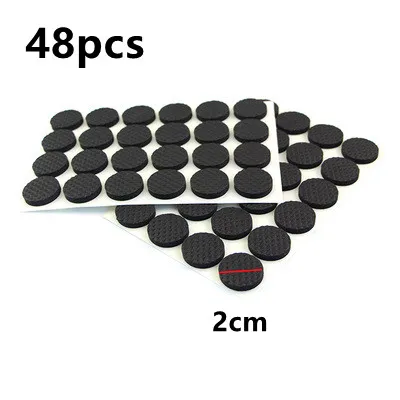
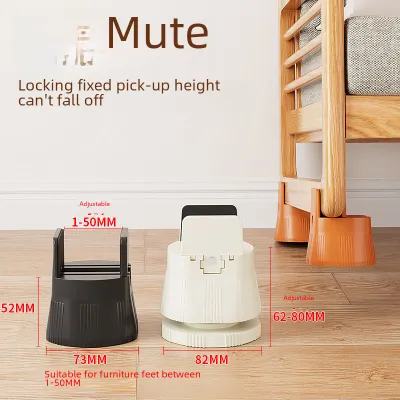
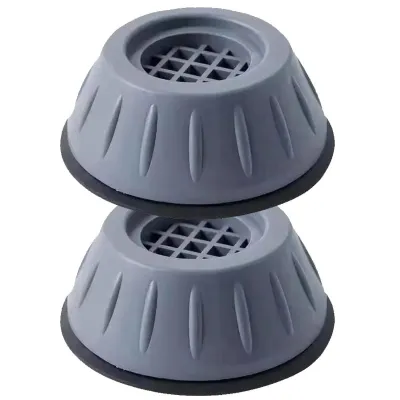
Prices are valid at publication and may change. Please refer to the product page for the latest price.
Comparing Felt, Rubber, and Silicone Materials
To make an informed decision, you must evaluate the physical properties of felt, rubber, and silicone against three primary criteria: compression recovery, surface friction, and adhesive residue risk. Compression recovery determines how well a pad maintains its thickness under heavy loads over time. Surface friction dictates whether the pad allows smooth sliding or provides a firm grip. Finally, assessing the adhesive residue risk helps you avoid chemical bonding issues that could ruin delicate floor sealants. When shopping, always read product labels carefully to verify material composition and look for specific floor-compatibility certifications.

Felt Pads
Felt pads are the traditional choice for furniture that requires frequent movement, such as dining chairs and bar stools. When evaluating felt, check the manufacturer’s specifications for density and thickness to ensure the material has adequate load-bearing capacity. Low-density felt compresses quickly under heavy weight, reducing its protective qualities and leaving your floors vulnerable to dents.
It is equally important to verify the adhesive type used on the backing of the felt pad. High-quality, pressure-sensitive adhesives are designed to stay firmly attached to the furniture leg without oozing or leaving a stubborn, sticky residue on smooth floor finishes. Because felt is a fibrous material, it naturally traps dust, hair, and grit over time; therefore, you must plan for regular inspections to replace pads that have accumulated abrasive debris before they scratch your floors.
Rubber Pads
Rubber pads excel at providing heavy-duty grip and dampening vibrations, making them ideal for stationary furniture like sofas, washing machines, and heavy shelving units. To prevent chemical discoloration on sensitive surfaces, look for labels explicitly marked “non-staining” or “floor-safe.” Some natural and synthetic rubbers contain oils that can migrate into floor finishes, leaving permanent dark marks.
Always check the rubber compound type specified by the manufacturer to ensure compatibility with your specific floor finish. Additionally, assess the tread pattern on the bottom of the pad. Deep ridges or textured grids enhance grip effectiveness on smooth, hard floors, preventing sliding even under significant lateral force.
Silicone Pads
Silicone pads offer a modern, highly flexible alternative that combines moderate grip with excellent moisture resistance. In Singapore’s highly humid environment, verifying manufacturer claims regarding UV and moisture resistance is crucial, as standard adhesives and materials can degrade rapidly when exposed to moisture during floor mopping or high ambient humidity.
When choosing silicone protectors, check the Shore hardness rating on the product specifications. A proper Shore hardness ensures the silicone is soft enough to grip the floor and conform to minor surface irregularities, yet firm enough to support the weight of the furniture without tearing. Finally, confirm that the adhesive backing or the sleeve design is engineered for long-term bonding to prevent the pad from peeling off during minor adjustments.
Matching Foot Pad Materials to Specific Flooring
Pairing the right foot pad material with your specific flooring requires a systematic approach based on manufacturer guidelines and safe testing. While general material properties provide a solid starting point, your final selection must always defer to your flooring manufacturer’s warranty conditions and care instructions. To ensure complete safety, always perform a localized spot-test to verify adhesion and prevent any unexpected chemical discoloration before proceeding with a full installation.
Hardwood and Engineered Wood
Wood floors require careful management of pressure and friction to avoid deep gouges and surface dulling. Begin by cross-referencing your furniture’s weight with the pad’s load-bearing specifications provided by the manufacturer. Heavy cabinets require dense, wide pads to distribute weight evenly and prevent indentation.
Next, check your flooring warranty to see if specific pad materials, particularly certain rubber compounds or strong chemical adhesives, void the finish guarantee. To maintain the pristine look of your wood, plan a regular cleaning schedule for the pad surfaces. Wiping down the bottom of the pads removes trapped grit that would otherwise act like sandpaper against the wood finish during movement.
Ceramic and Porcelain Tiles
Tile floors are exceptionally durable but present challenges regarding slip resistance and uneven grout lines. Verify that the chosen pad thickness is sufficient to bridge minor grout line unevenness without bottoming out, which can cause the furniture leg to strike the tile edge.
For smooth, glazed tile surfaces, check the friction coefficient or grip ratings on the product packaging to ensure the furniture remains stable. If you are applying pads to chairs that are moved frequently across tiled areas, ensure the adhesive is rated for high-shear forces. This prevents the pad from peeling sideways when crossing wide grout joints.
Vinyl and Linoleum
Resilient flooring options like luxury vinyl planks are highly susceptible to chemical staining and permanent indentation. For these surfaces, strictly require “vinyl-safe” or “non-marking” manufacturer certifications on the foot pad packaging. This certification ensures that no plasticizer migration occurs, which is a common cause of permanent yellowing on vinyl floors.
To prevent permanent dimpling in the relatively soft vinyl material, check the pad’s base surface area. A larger surface area distributes the furniture’s weight more effectively. Avoid unverified rubber compounds entirely on vinyl; instead, prioritize manufacturer-recommended felt or specific synthetic alternatives designed for resilient floors.
Verifying Compatibility and Installing Safely
Achieving long-lasting floor protection requires a careful installation and maintenance workflow. Begin by preparing the surface of the furniture base and the floor area. Clean both surfaces thoroughly using manufacturer-approved cleaners to remove dust, oils, and old adhesive residue, ensuring a clean bonding surface.
Once the adhesive-backed pads are applied, respect the recommended curing period before subjecting the furniture to full weight or movement. Allowing the adhesive to cure fully prevents premature peeling and shifting. Establish a routine inspection schedule—such as during your monthly deep cleaning—to check for pad compression, adhesive failure, or debris accumulation.
Finally, define clear stop conditions for your furniture protectors. If you notice any floor discoloration, sticky adhesive residue, or unexpected slipping, immediately remove the pad, clean the area, and consult your flooring manufacturer for alternative solutions.
Frequently Asked Questions (FAQ)
How do I safely remove old foot pad adhesive without damaging the floor?
To safely remove old adhesive residue, always start by checking your flooring manufacturer’s care guide for approved solvents or mechanical removal tools. If a commercial adhesive remover is necessary, select one compatible with your floor type and test it in an inconspicuous area, such as inside a closet, before applying it to the main floor. Avoid using abrasive scrapers, steel wool, or unverified harsh chemicals, as these can easily strip the floor’s protective topcoat and leave permanent dull spots.
Can I use the same foot pad material for both indoor and outdoor furniture?
Indoor foot pads are generally not suitable for outdoor use because they lack the necessary environmental protections. Indoor materials can degrade rapidly under UV exposure, heavy rain, and high humidity, leading to adhesive failure or material breakdown. When selecting protectors for balconies or patios, check for outdoor-rated specifications on the product label to ensure the adhesive is waterproof and temperature-resistant. If in doubt, consult the furniture manufacturer for recommended outdoor-safe protection accessories.

Community discussion
Share your experience or ask a question. Comments are reviewed before publication.