
Finding the right coat hanger stand for a compact Singapore apartment requires balancing immediate accessibility with strict spatial limits. In typical HDB flats and condominium units, the entryway is a high-traffic zone where every square centimeter counts. A well-chosen stand keeps daily essentials organized without turning your foyer into an obstacle course. To make the best choice, you must look beyond aesthetic appeal and focus on physical dimensions, base stability, and material resilience against local humidity.
Assessing Your Entryway Space and Storage Needs
Before browsing online marketplaces or visiting local furniture showrooms, you must establish the exact physical boundaries of your entryway. Grab a measuring tape and map out the floor area where you intend to place the coat hanger stand. It is crucial to measure not just the open floor space, but also the door swing clearance of your main entrance and any adjacent shoe cabinets. A stand that sits too close to the door arc will inevitably cause collisions, leading to scuffed walls or damaged items.
Ceiling height is another vital dimension, especially in modern apartments with false ceilings or low-hanging light fixtures. While most freestanding stands range from 170 to 190 centimeters in height, you must ensure there is ample clearance above the top hooks to easily lift items off without hitting the ceiling. Additionally, observe the vertical alignment of your wall switches, distribution boards, and intercom units to ensure the stand does not block access to these essential utilities.
Products mentioned in this guide
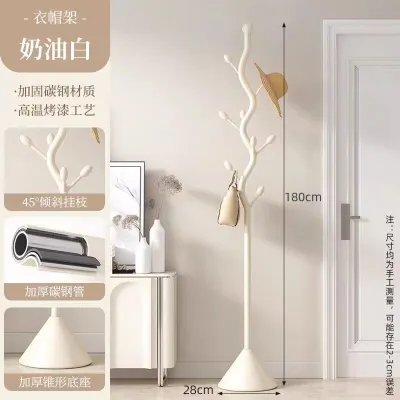


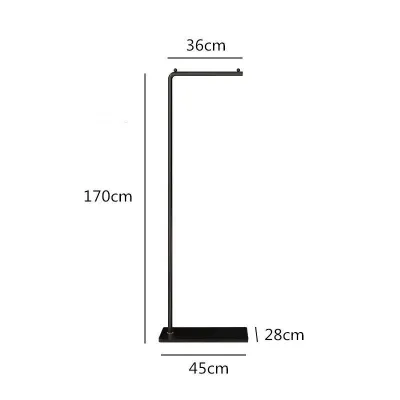
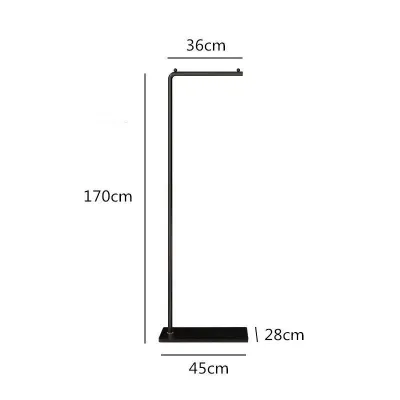
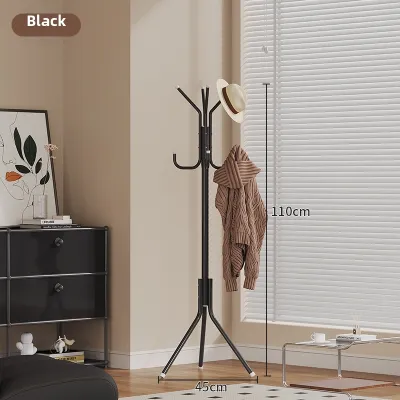
Prices are valid at publication and may change. Please refer to the product page for the latest price.
Next, audit the specific items your household needs to store daily. A single professional might only need to hang a light blazer and a work bag, whereas a family of four will require multiple tiers for school bags, umbrellas, hats, and reusable shopping totes. Count the number of items that require immediate hanging access and estimate their combined weight. This realistic assessment prevents you from buying an undersized rack that quickly becomes overloaded and unsightly, or an oversized unit that dominates the limited entryway.
Finally, analyze the natural traffic flow of your household. The entryway serves as the primary transition zone between the outside world and your living space. If family members must squeeze past the coat rack or alter their walking path to avoid bumping into it, the stand is poorly positioned or too bulky. A successful layout maintains a clear, unobstructed path of at least 80 to 90 centimeters in width, allowing residents to move freely even when carrying groceries or luggage.
Key Design Features for Small Apartments
Maximizing utility in a tight foyer requires a design that prioritizes verticality over horizontal spread. The ideal coat hanger stand for a compact apartment utilizes a small footprint while offering multiple tiers of hooks or shelves climbing upward. This vertical approach ensures that your floor remains clear for footwear and movement, while your walls and higher airspaces do the heavy lifting of organization.

When selecting a design, you will generally choose between a minimalist single-pole tree and a multi-tiered storage unit. Single-pole designs offer the ultimate space-saving profile, fitting neatly into tight corners or narrow niches. Multi-tiered units, which often combine hooks with lower shelves or shoe benches, provide comprehensive storage but demand a larger physical footprint. Balancing these options depends entirely on whether your entryway already has dedicated shoe storage or if you need the rack to perform multiple organizational duties.
Base Types and Floor Footprint
The base of a freestanding coat rack determines both its stability and how much floor space it consumes. Manufacturers generally design bases in three configurations: weighted flat discs, tripod legs, or four-legged frames. A weighted flat circular or square base is often the most space-efficient option for narrow corridors. Because these bases lie flat against the floor, they can slide partially under low-clearance shoe cabinets or sit flush against a wall, minimizing the usable floor space they occupy.
In contrast, tripod and four-legged designs spread their legs outward to create a stable center of gravity. While these designs can be highly stable, their splayed legs often extend far beyond the central pole, creating a wider footprint than expected. In a tight HDB foyer, these protruding legs can easily become tripping hazards, especially in low-light conditions or when rushing out the door. If you choose a legged design, always verify the maximum leg span rather than just the pole diameter.
To ensure a proper fit, measure the corner or wall-adjacent space where the base will rest and compare it directly to the manufacturer’s base specifications. A base diameter of 30 to 35 centimeters is generally the sweet spot for compact entryways, providing sufficient stability without encroaching on the walking path. Avoid any stand where the base dimensions are not clearly specified, as an unexpectedly wide base can force the entire unit forward, disrupting your carefully planned layout.
Vertical Storage and Multi-Functionality
To get the most out of a vertical stand, look for models that feature staggered or tiered hook placements. When hooks are arranged at varying heights, garments of different lengths—such as long umbrellas, medium-sized tote bags, and short jackets—can hang simultaneously without overlapping excessively. This staggered arrangement prevents the stand from bulging outward in the middle, keeping the overall profile slim and visually tidy. Lower hooks are also highly practical for households with young children, allowing them to hang their own school bags independently.
Multi-functional features can significantly enhance the utility of a coat hanger stand, provided they do not add unnecessary bulk. Some stands integrate a dedicated umbrella holder with a drip tray at the base, which is incredibly useful during Singapore’s monsoon seasons. Others feature small wooden trays halfway up the pole, serving as a convenient landing pad for keys, access cards, and mail. If your entryway lacks a dedicated shoe cabinet, a stand with a built-in lower wire shelf can keep two or three pairs of daily footwear neatly off the floor.
However, you must critically evaluate whether these extra features align with your actual needs or simply add visual clutter. In a very small foyer, a highly complex stand with multiple shelves, baskets, and side hooks can make the space feel cramped and chaotic. If you already have a shoe cabinet and a key dish, a minimalist single-pole stand with clean, simple hooks is often the superior choice. Keep the design as streamlined as possible to maintain an open, airy feel in your home’s entrance.
Evaluating Coat Rack Brands and Retail Options
When shopping for a coat hanger stand, it is easy to be misled by stylized marketing images. Online listings often feature stands placed in spacious, high-ceilinged rooms with minimal furniture, making the units appear smaller and more delicate than they are in reality. To avoid disappointment, ignore the lifestyle photos and focus entirely on the technical specification sheets. Compare the listed height, base width, and hook protrusion measurements against the physical limits you mapped out during your initial entryway assessment.
Material selection is another critical factor, particularly given Singapore’s high year-round humidity. Wooden stands made from untreated or poorly sealed timber are highly susceptible to moisture absorption, which can lead to warping, mold growth, and structural weakening over time. If you prefer the warmth of wood, look for brands that specify moisture-resistant finishes, such as polyurethane coatings or treated bamboo. For metal stands, prioritize powder-coated steel or rust-resistant alloys over cheap chrome plating, which can flake and rust when exposed to damp umbrellas or wet raincoats.
You should also weigh the pros and cons of purchasing from local furniture showrooms versus online-only retailers. Local showrooms allow you to physically test the stand’s stability, feel the material quality, and inspect the joints before buying. However, online retailers often offer a wider variety of space-saving designs at competitive prices. When buying online, carefully review the merchant’s return policy, especially regarding return shipping fees for bulky items. Additionally, check if the product requires self-assembly and whether the necessary tools and clear instructions are included in the package.
Stability, Safety, and Maintenance Checks
A coat hanger stand must be inherently stable to remain safe in a busy household. Before purchasing, check the manufacturer’s specified maximum weight capacity, both for individual hooks and the overall unit. Overloading a single side of a lightweight stand can easily cause it to tip over, potentially injuring residents or damaging nearby walls and electronics. If you plan to hang heavy items like leather bags or multiple winter coats ahead of an overseas trip, look for a stand with a heavy cast-iron or marble base to lower the center of gravity.
For households with active pets or young children, additional safety precautions are essential. Look for stands that offer wall-anchoring hardware or anti-tip straps, which secure the top of the pole to the wall behind it. This is particularly important for tall, narrow stands that have a small base footprint. If wall drilling is not permitted in your rental property, ensure the stand’s base weight is substantial enough to resist accidental bumps from passing family members or pets.
Maintaining your coat rack stand ensures its longevity and keeps your entryway looking pristine. Develop a habit of wiping down the stand regularly with a dry or slightly damp microfiber cloth to remove dust and oils transferred from hands. If you hang wet umbrellas or damp raincoats, dry the stand immediately afterward to prevent water spots, rust, or wood swelling. Avoid using harsh chemical cleaners or abrasive scrubbing pads, which can scratch the protective powder coating or strip away the wood sealant, leaving the underlying material vulnerable to the humid tropical air.
Frequently Asked Questions (FAQ)
Can a freestanding coat rack hold heavy wet umbrellas without tipping?
A freestanding coat rack can safely hold wet umbrellas, provided the design accounts for the shifting center of gravity. When wet, large golf umbrellas or heavy automatic models can add significant weight to one side of the stand. To prevent tipping, choose a stand with a heavy, low-slung base—such as solid steel, cast iron, or natural stone—which anchors the unit firmly to the floor. Additionally, check the manufacturer’s weight specifications for any integrated umbrella holders or drip trays. If your chosen stand is lightweight or lacks a stable base, it is safer to use a separate, dedicated umbrella stand or place a small, weighted drip tray directly on the floor next to the rack rather than hanging wet items high on the pole.
Are wall-mounted alternatives better than freestanding stands for HDB entryways?
Wall-mounted coat racks offer a distinct advantage in ultra-compact HDB entryways because they consume zero floor space, leaving the ground completely clear for foot traffic and shoe storage. This makes them an excellent choice for narrow corridors where even a small freestanding base would block the walkway. However, wall-mounted units require permanent installation, which involves drilling into concrete or drywall. Before drilling, you must use a stud finder and wire detector to avoid damaging concealed electrical conduits or water pipes. For renters who cannot make permanent modifications to their walls, or for those who prefer the flexibility of moving their furniture during cleaning or redecorating, a freestanding coat hanger stand remains the more practical and versatile solution.

Community discussion
Share your experience or ask a question. Comments are reviewed before publication.