
Selecting the right storage drawer wheels for under-bed storage in Singapore requires balancing vertical clearance, floor material compatibility, and load capacity. Because Singapore homes often feature hard flooring like vinyl, ceramic tiles, or engineered wood, choosing the wrong wheel can lead to permanent floor scratches or noisy operation. The ideal solution involves measuring your exact bed clearance, selecting soft-wheel materials like polyurethane or thermoplastic rubber, and verifying the manufacturer’s rated load capacity before installation.
By focusing on hardware specifications rather than generic marketing claims, you can customize your under-bed drawers to glide silently and protect your home’s interior surfaces. Whether you are retrofitting an existing drawer or building a custom wooden storage box, understanding the mechanical differences between caster types and installation methods will help you make an informed decision. This guide outlines the essential steps to measure your space, select compatible wheel materials, calculate weight limits, and execute a secure installation.
Assessing Your Bed Clearance and Floor Type
Before purchasing any storage drawer wheels, you must conduct a precise assessment of your physical space and the specific flooring material in your bedroom. The first step is to measure the exact vertical clearance under your bed frame. Using a reliable tape measure, find the distance from the floor to the lowest point of the bed frame. Do not simply measure the side rails; you must check for center support beams, mid-frame brackets, or protruding hardware, which often sit lower than the outer frame. Subtracting at least two to three centimeters from this total height will give you the maximum allowable height for both your storage drawer and its attached wheels, ensuring the drawer can slide in and out without scraping the underside of the bed.
Products mentioned in this guide

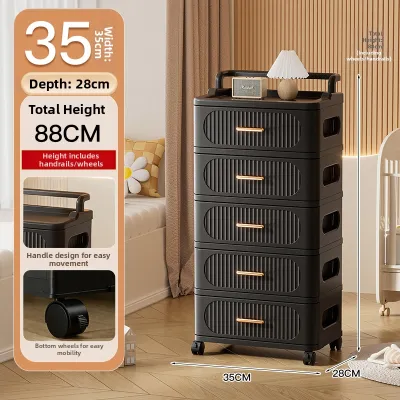
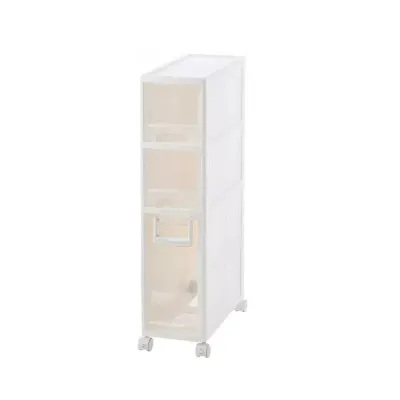
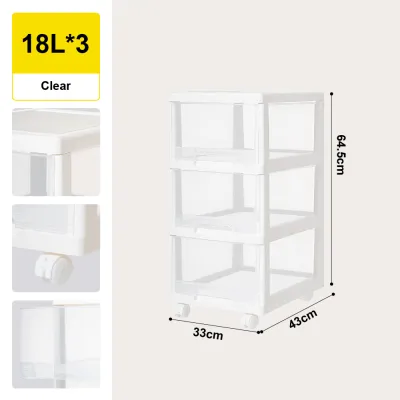
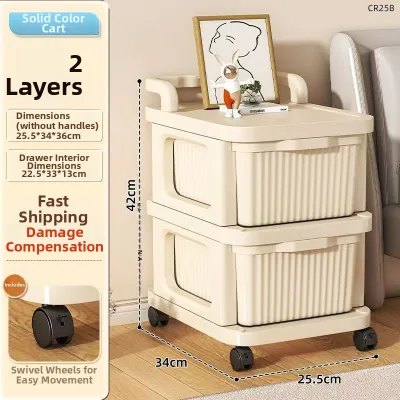

Prices are valid at publication and may change. Please refer to the product page for the latest price.
Next, identify the exact flooring material in your bedroom, as this dictates the type of wheel surface you require. Singapore homes commonly feature ceramic tiles, luxury vinyl tiles, or engineered wood and parquet. Ceramic tiles are highly durable but have grout lines that create a bumpy surface; wheels rolling over these joints can vibrate, causing noise and loosening drawer joints over time. Vinyl flooring is softer and quieter but is susceptible to deep pressure marks and scuffs if heavy drawers sit on small, hard wheels for extended periods. Engineered wood and natural parquet are the most sensitive to scratches, requiring soft, non-marking wheel materials to prevent permanent track marks from daily use.
Finally, you must calculate the total expected weight of the fully loaded drawer to establish a safe baseline for your hardware. Weigh the empty drawer first, then estimate the weight of the items you plan to store inside. Heavy winter clothing, spare bedding, books, and toys accumulate weight quickly. For example, a large wooden drawer filled with heavy linens can easily exceed 15 to 20 kilograms. Knowing this total weight allows you to select wheels with an appropriate load rating, preventing premature wheel failure, flat spots, or structural damage to your drawer base.
Choosing the Right Wheel Type and Mechanism
Selecting the appropriate caster design is essential for navigating the tight confines of a bedroom. The primary decision lies between swivel casters and rigid casters. Swivel casters rotate 360 degrees, offering maximum maneuverability. This is particularly useful if your bedroom layout is tight and you need to pull the drawer out and immediately steer it around bedside tables, wardrobes, or walls. However, because swivel casters can move in any direction, they can sometimes make the drawer drift sideways when you try to push it straight back under the bed. Rigid casters, on the other hand, only move forward and backward in a straight line. This makes alignment simple and keeps the drawer on a predictable path, but they require a clear, straight runway in front of the bed to operate effectively. A popular compromise is installing rigid casters at the rear of the drawer and swivel casters at the front to balance steering control with straight-line stability.

Another important feature to evaluate is the necessity of a locking mechanism or brake. While under-bed drawers generally stay in place due to their weight, slightly uneven floors can cause drawers to slowly drift outward or roll too far back. If your bedroom floor has a slight slope, choosing wheels with integrated foot brakes on the outward-facing side of the drawer can keep the storage unit securely positioned. These brakes are easily engaged or disengaged with your foot, preventing unwanted movement without requiring you to bend down.
The material composition of the wheel itself is the single most important factor for noise reduction and floor safety. Hard plastic wheels, such as those made from nylon or polypropylene, are inexpensive and common on budget storage boxes, but they are loud, slide instead of roll on smooth surfaces, and can easily scratch delicate wood or vinyl. For residential indoor use, prioritize wheels made from polyurethane, soft rubber, or thermoplastic rubber. These materials provide a cushioned grip, roll silently over grout lines, and absorb vibrations, ensuring that retrieving items early in the morning or late at night does not disturb the rest of the household.
Evaluating Load Capacity and Manufacturer Specifications
To ensure long-term reliability, you must learn to read and verify manufacturer specification sheets rather than relying on vague product descriptions. When reviewing wheel specifications, distinguish between dynamic load capacity and static load capacity. Dynamic load capacity refers to the maximum weight a wheel can safely support while in motion, whereas static load capacity is the weight it can hold while completely stationary. Because under-bed drawers are moved regularly, always use the dynamic load rating as your guide. To calculate the required capacity per wheel, do not simply divide the total weight of the loaded drawer by four. Instead, divide the total weight by three. This safety margin accounts for uneven floors, where one wheel may temporarily lift off the ground, forcing the remaining three wheels to carry the entire load.
It is vital to understand that material names alone do not guarantee durability. A wheel labeled as heavy-duty steel might still fail if the mounting bracket is made of thin, stamped metal or if the internal bearings are poorly constructed. Look for wheels that feature reinforced steel mounting plates and double ball-bearing swivel heads, which distribute weight more evenly and ensure smooth rotation under load. Avoid products that do not provide clear, written load specifications from the manufacturer, as unrated hardware is highly prone to bending or snapping under moderate weight.
Additionally, you must verify the physical dimensions of the mounting plate and the alignment of the screw holes before making a purchase. Measure the underside corners of your drawer base to ensure there is sufficient flat surface area to accommodate the mounting plate. If the plate is too large, it will overhang the edges of the drawer, preventing secure attachment and potentially splitting the wood. Check the screw hole pattern on the specification sheet and compare it to your drawer’s structural frame to ensure you can drive screws into solid material rather than thin plywood backing.
Installation Checks and Floor Protection Strategies
A successful installation requires verifying the structural integrity of your drawer base before attaching any hardware. Many mass-produced under-bed drawers feature thin fiberboard or plywood bottoms that are not designed to support point loads from screw-in wheels. If you attach heavy-duty mounting plates directly to a thin base, the screws may pull out or the base may bow and crack under weight. To prevent this, inspect the thickness of the drawer bottom. If it is less than 12 millimeters thick, reinforce the mounting areas by gluing and screwing a solid wood or plywood backing block to the inside or outside of the drawer base. This distributes the load across a wider surface area and provides a thick, secure material for the wheel screws to bite into.
During the installation process, pre-drill pilot holes for all mounting screws to prevent the wood from splitting. Use screws that are long enough to grip the wood securely but short enough that they do not pierce through the interior bottom of the drawer where they could snag clothing or linens. Once the wheels are installed, place the drawer on the floor and test its movement empty before loading it. Check that all four wheels make contact with the floor and roll smoothly without wobbling.
For homes with exceptionally delicate flooring, such as soft natural timber or high-gloss finishes, consider implementing additional floor protection strategies. You can lay down thin, clear polycarbonate floor runner mats along the path where the wheels travel under the bed. These mats absorb the friction and weight of the rolling drawer, preserving the pristine condition of your flooring underneath. Finally, recognize the limits of your DIY setup. If the drawer base feels unstable, if the wood begins to crack during drilling, or if the wheel hardware does not align properly with the frame, stop the installation immediately. Consulting a qualified carpenter or furniture technician can prevent costly damage to both your storage drawer and your bedroom floor.
Shopping Channels and Pre-Purchase Verification
When sourcing storage drawer wheels in Singapore, you will find a wide variety of options across local hardware stores and online marketplaces. To ensure you receive reliable hardware, prioritize sellers that provide comprehensive product listings. A reputable listing should include detailed technical drawings, exact dimensions, material compositions, and clear load capacity ratings. Avoid listings that rely on generic stock photos or make exaggerated claims of universal compatibility without providing concrete measurements.
When browsing online marketplaces, take the time to verify seller credentials and read customer feedback, focusing specifically on reviews that mention long-term durability and floor impact. Be skeptical of extremely low-priced multi-packs that do not offer warranty information or transparent return policies. While budget wheels costing under S$5 per piece are widely available, investing in higher-quality casters often comes with a manufacturer’s warranty that protects against defects in the bearings or wheel materials.
Lastly, check for the availability of replacement parts before finalizing your purchase. Over years of constant use, wheels can accumulate hair, dust, and fiber debris that eventually degrades performance. Knowing that you can easily purchase individual replacement wheels or matching mounting screws from the same supplier ensures that you can maintain your under-bed storage system indefinitely without needing to replace the entire drawer assembly.
Frequently Asked Questions (FAQ)
Can I use adhesive-mounted wheels instead of screw-in plates?
Adhesive-mounted wheels are convenient for lightweight plastic bins, but they are generally unsuitable for heavy under-bed storage drawers. Over time, the adhesive backing degrades due to humidity, temperature fluctuations, and the shear stress of rolling back and forth. This can cause the wheels to detach unexpectedly, potentially tipping the drawer and scratching your floor. If you must use adhesive wheels, strictly adhere to the manufacturer’s weight limits, which are typically very low. Ensure the mounting surface is completely clean, dry, and non-porous, and allow the adhesive to cure fully before placing any weight inside the drawer.
How do I clean and maintain the wheels to keep them rolling smoothly?
Regular maintenance is essential to keep under-bed wheels rolling smoothly and quietly. Because the space under a bed accumulates dust, hair, and carpet fibers, these materials easily wrap around the wheel axles, causing friction and squeaking. Periodically pull the drawers out completely and use a pair of tweezers or a small utility knife to carefully clear away any tangled hair or debris from the axle. Check the mounting screws to ensure they have not vibrated loose over time, and tighten them if necessary. Clean the wheel surfaces with a damp microfiber cloth using mild soapy water; avoid harsh chemical solvents or heavy oils, which can degrade soft rubber or polyurethane wheels and attract more dust.

Community discussion
Share your experience or ask a question. Comments are reviewed before publication.