
The search for suitable under-bed drawer storage solutions in Singapore is driven by a universal urban challenge: maximizing every square centimeter of living space. In typical HDB flats, condominiums, and compact apartments, bedroom floor area is highly prized. Utilizing the often-overlooked void beneath your bed frame is an excellent way to declutter wardrobes and keep seasonal items, extra linens, or daily essentials organized. However, finding a solution that works seamlessly requires a systematic approach. A highly practical under-bed drawer must not only fit the physical dimensions of your bed frame but also withstand the local tropical climate, glide smoothly across your specific flooring, and protect your belongings from dust and humidity.
Selecting the right storage is not as simple as purchasing the first plastic bin or wooden drawer you find online. A mismatched drawer can scratch expensive parquet flooring, get stuck against bedside tables, or fail to clear the low-hanging support slats of your bed frame. By focusing on precise measurements, material durability, mobility mechanisms, and protective features, you can identify high-quality storage solutions that integrate perfectly into your home. This guide provides a comprehensive framework to help you evaluate your space, compare structural designs, and build a reliable shortlist of under-bed drawers tailored to your needs.
Assessing Your Bed Frame and Clearance
Before browsing online marketplaces or visiting furniture showrooms in Singapore, you must gather precise physical measurements of your bed frame and the surrounding bedroom layout. Relying on visual estimates often leads to frustrating mismatches. The first and most critical measurement is the vertical clearance. Use a metal measuring tape to determine the exact distance from the floor surface to the lowest point of the bed frame. This lowest point is rarely the side rail; it is often the mattress support slats, center support beams, or corner brackets. Measure this clearance at multiple points along the bed, as floors can be slightly uneven, and wooden slats may sag slightly in the middle. If your bed frame has a clearance of 15 centimeters, your chosen drawer should have a total height—including its wheels or casters—of no more than 13 to 14 centimeters to ensure smooth operation without scraping.
Products mentioned in this guide
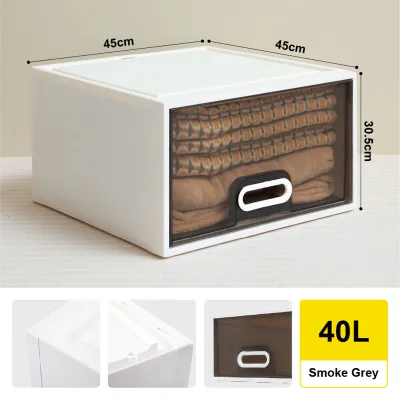
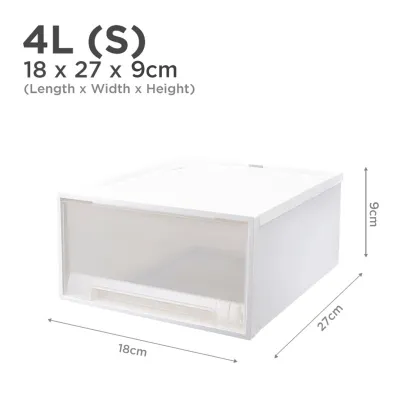
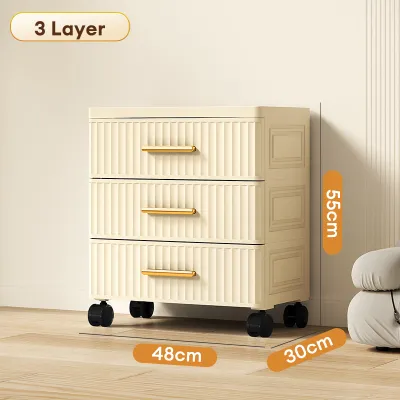
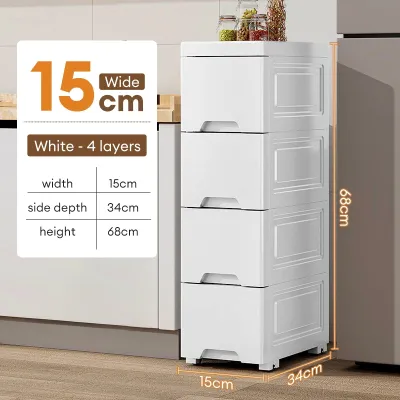

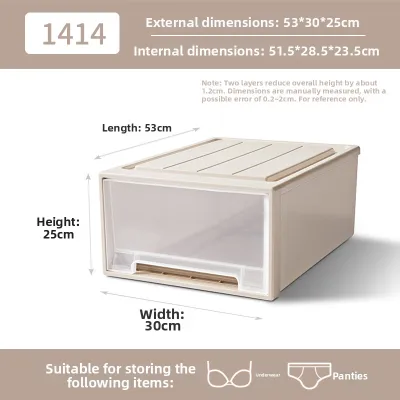
Prices are valid at publication and may change. Please refer to the product page for the latest price.
Next, calculate the usable horizontal depth and width beneath the bed. Do not simply measure the outer dimensions of your mattress. Instead, look underneath and identify any structural obstacles. Subtract the space occupied by corner legs, center support legs, and any protruding hardware or brackets. If your bed frame features a headboard or footboard with decorative trim, ensure these elements do not block the entry path of the drawers. Additionally, consider the presence of baseboards along your bedroom walls, which can prevent the bed frame from sitting completely flush against the wall, thereby altering the available clearance space on the sides.
The type of flooring in your bedroom plays a decisive role in how easily a drawer will slide and whether it will cause long-term damage. Singapore bedrooms commonly feature parquet, laminate, vinyl, or polished tile flooring. Heavy drawers dragged across these surfaces can leave permanent scratches or scuff marks. If you have thick rugs or carpeted areas surrounding or partially under the bed, you must account for the resistance they create.
Finally, evaluate the layout of your bedroom to ensure there is adequate, unobstructed pull-out space. A drawer that is 60 centimeters deep requires at least 65 to 70 centimeters of clear floor space beside the bed to open fully. Measure the distance between your bed frame and adjacent furniture, such as wardrobes, dressing tables, or bedside nightstands. If your bedside table sits directly next to the head of the bed, it may block access to the upper portion of the under-bed space. In such cases, you may need to opt for shorter, modular drawers that only occupy the lower two-thirds of the bed length, or select bedside tables with open bases that allow drawers to slide underneath them.
Key Features to Evaluate in Under-Bed Drawers
Once you have established your spatial boundaries, you can begin evaluating the structural features of potential under-bed drawers. The mobility mechanism is the most critical component for daily usability. Drawers generally rely on either wheels, casters, or low-friction glides. For hard floors like parquet or vinyl, look for drawers equipped with soft polyurethane or rubber-coated wheels. These materials provide excellent grip and roll quietly without scratching delicate surfaces. Avoid cheap, hard plastic wheels, which tend to slide rather than roll, leading to friction marks on your floor. If your bedroom is carpeted, opt for wider, larger-diameter casters that distribute weight more evenly and prevent the drawer from sinking into the carpet pile. Multi-directional swivel casters offer superior maneuverability in tight spaces, whereas unidirectional wheels are ideal for keeping the drawer moving in a straight, predictable path.

Material selection is another vital consideration, particularly given Singapore’s high relative humidity. Wood and engineered wood drawers offer a classic, premium aesthetic that can match your existing bed frame. However, you must inspect the quality of the finish and edge sealing. Unsealed particle board or MDF (medium-density fibreboard) can absorb moisture from the air, leading to swelling, warping, and mold growth over time. Ensure all edges are sealed with thick PVC or ABS edge banding, and look for moisture-resistant lacquers or laminates. If you prefer plastic storage drawers, evaluate the thickness of the base panel. Thin plastic bins tend to bow or sag in the middle when loaded with heavy items, causing the bottom of the drawer to scrape against the floor. Look for reinforced ribbed patterns on the underside of plastic drawers, which provide structural rigidity without adding excessive weight.
The durability of the drawer is also determined by its joint construction and hardware. Frequently pulling a heavily loaded drawer puts significant stress on the front panel and handle. For wooden drawers, look for robust joinery such as dovetail joints or reinforced metal corner brackets rather than simple glued or stapled edges. Handles should be ergonomically designed and securely fastened. Flush-mounted or recessed handles are highly recommended for under-bed storage, as they do not protrude and are less likely to catch on bed sheets, blankets, or your ankles as you walk past the bed. If the drawer features a fabric or canvas construction, ensure the pull tabs are double-stitched and reinforced with internal rivets or backing plates to prevent tearing.
Matching Drawer Configurations to Your Storage Needs
The most appropriate drawer configuration depends entirely on what you plan to store. Under-bed storage solutions generally fall into three categories: shallow and wide drawers, deep and modular bins, and specialized enclosed organizers. For organizing flat, frequently accessed items such as folded t-shirts, activewear, bedsheets, pillowcases, and flat footwear, shallow and wide drawers are highly efficient. These drawers allow you to lay items out in a single layer or in a neat vertical file, making it easy to locate what you need without rummaging. Look for shallow drawers with low-profile wheels that maximize the internal storage height relative to the external clearance.
If you need to store bulkier items, such as thick winter coats, heavy blankets, comforters, or irregularly shaped travel gear, deeper bins are necessary. Because these items are heavier and bulkier, the drawers must have a higher load capacity. Look for deep bins with reinforced bases and heavy-duty casters. Modular configurations—where two or three smaller, deep bins are used instead of one massive drawer—are often more practical. They are easier to pull out, carry to a wardrobe, and organize individually. Some modular plastic bins also feature split-opening lids, allowing you to access the contents of one half of the bin without sliding the entire unit out from under the bed.
For long-term storage of sensitive items, such as delicate fabrics, formal wear, or keepsake documents, dust and moisture protection must be your top priority. Singapore’s urban environment can introduce fine dust particles into the bedroom, which quickly settle in the low-velocity air zone beneath the bed. For these items, prioritize drawers with secure, snap-locking lids, integrated silicone sealing gaskets, or zippered fabric dust covers. Enclosed designs prevent dust, insects, and humidity from degrading your textiles. If you are storing natural fibers like wool, silk, or cotton for extended periods, consider placing silica gel desiccant packs or charcoal deodorizers inside the sealed drawers to absorb residual moisture and prevent musty odors.
Building Your Shortlist: Pre-Purchase Verification
Before finalizing your purchase, it is essential to perform a final round of verification. This step ensures that the products on your shortlist will perform reliably in your home and that you are protected against any unexpected issues. Start by cross-referencing the manufacturer’s stated exterior dimensions against your physical measurements. Pay close attention to whether the listed dimensions include the height of the wheels, casters, or handles. Some retailers list only the box dimensions, which can lead to a drawer that is too tall once the wheels are attached. Always allow a safety margin of at least 1 to 2 centimeters of vertical clearance to account for floor unevenness or minor mattress sagging.
Next, carefully review the product specifications for explicit weight limits and assembly requirements. Under-bed drawers can become surprisingly heavy when filled with books, shoes, or dense linens. Ensure the drawer’s rated capacity aligns with your intended use. If the product requires assembly, check if the necessary tools are included or if you will need your own screwdriver or hex keys. For larger wooden drawer units, consider the weight of the empty drawer itself; a heavy wooden drawer may be difficult to maneuver once fully loaded, making lightweight plastic or fabric-walled options with internal metal frames a more practical choice for some users.
Finally, examine the retailer’s return and exchange policies. Sizing mismatches are one of the most common reasons for returning under-bed storage. Verify whether the retailer allows returns for opened items, as you will likely need to unbox and assemble at least one drawer to test its fit under your bed. Look for policies that cover structural defects, damaged wheels, or warped panels discovered during unboxing. If purchasing from an online marketplace, read customer reviews specifically mentioning delivery conditions in Singapore, as transit damage to plastic lids or wooden corners can occasionally occur. Choosing a retailer with a clear, hassle-free return policy provides peace of mind and ensures you end up with a functional, high-quality storage solution.
Frequently Asked Questions (FAQ)
Can I use under-bed drawers on a bed frame with a center support leg?
Yes, you can successfully use under-bed drawers even if your bed frame features a center support leg or a central structural beam. The key is to treat the space beneath your bed as two or more separate storage zones rather than a single open area. Measure the distance from the outer edge of the bed frame to the center support leg on both sides, as well as the distance between the headboard legs and the footboard legs. Instead of purchasing one wide drawer, select multiple smaller, independent drawers or modular rolling bins that can slide into these segmented spaces. This configuration not only bypasses the obstacle of the center leg but also allows you to organize your belongings into distinct categories on either side of the bed.
How do I prevent dust from accumulating inside the drawers?
Preventing dust accumulation under the bed requires a combination of smart product selection and regular maintenance. When shopping, prioritize drawers that feature tight-fitting lids, snap-locks, or zippered fabric covers that seal the storage compartment completely. If you are using open-top wooden drawers, you can add aftermarket fabric dust covers or store your items inside clear, zippered storage bags before placing them in the drawers. For maintenance, establish a routine of sliding the drawers out at least once a month to vacuum the floor beneath the bed, as dust bunnies tend to gather in these quiet areas. Wiping down the exterior of the drawers and cleaning the wheels will also prevent dust from being tracked back into the storage space when you slide them open and closed.
Community discussion
Share your experience or ask a question. Comments are reviewed before publication.