
In Singapore’s compact HDB flats and condominiums, maximizing every square meter of floor space is a key priority when designing a dining area. While a large, permanent dining set can quickly overwhelm an open-plan living room, stackable stools offer a highly practical alternative. These versatile seating options allow you to accommodate guests comfortably during gatherings and then stack them away to reclaim valuable floor space for daily living. The most effective stackable stool styles for small spaces are those that balance physical compactness with visual lightness, ensuring your dining area remains open, airy, and highly functional.
Assessing Your Dining Space and Clearance Needs
Before selecting a stool style, you must accurately measure your dining area to ensure a proper fit. Start by measuring the height of your dining table from the floor to the underside of the tabletop, paying close attention to any table apron or support beams. This measurement determines the maximum seat height you can accommodate while still leaving comfortable legroom. Without sufficient clearance between the stool seat and the table’s lower edge, guests will find it difficult to sit comfortably.
Next, calculate the aisle width required for daily traffic flow. In many Singapore homes, the dining table is positioned near main walkways, kitchen entrances, or balcony doors. You need to ensure there is enough clearance behind each stool when it is pulled out and occupied. A general guideline is to allow enough space for a person to walk past behind an occupied seat without forcing them to squeeze against walls or other furniture.
Products mentioned in this guide
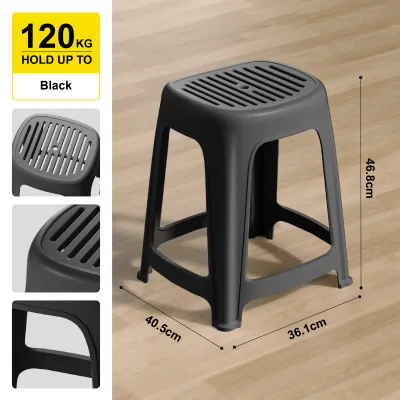
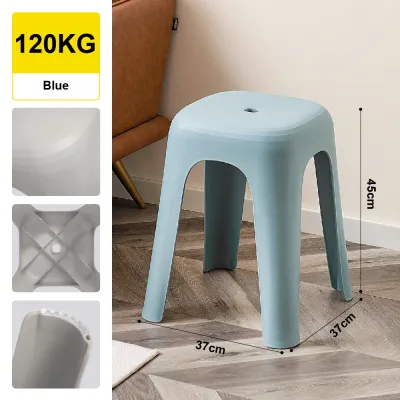
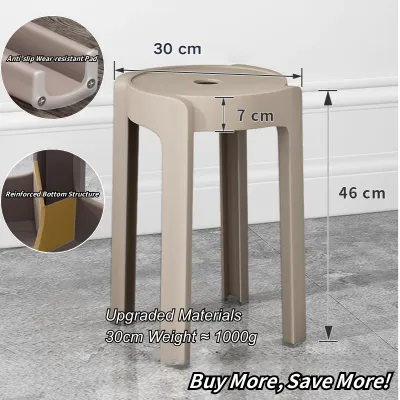
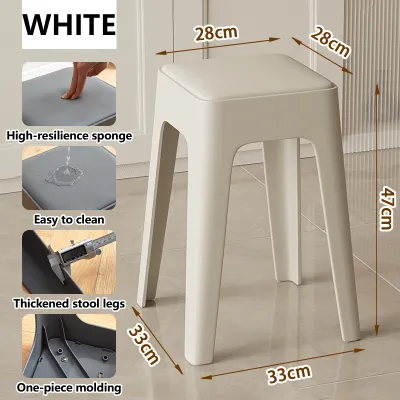
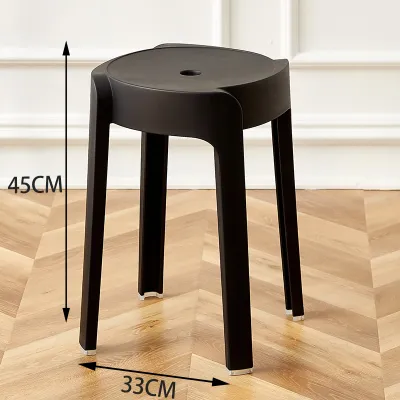
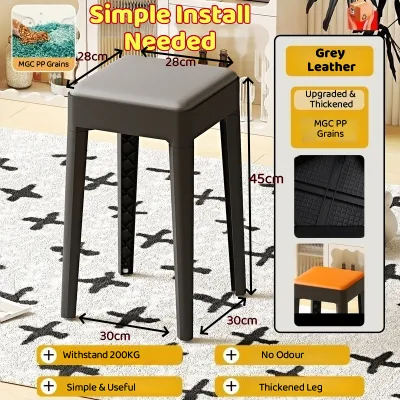
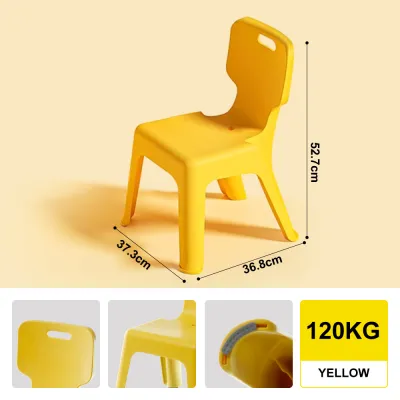
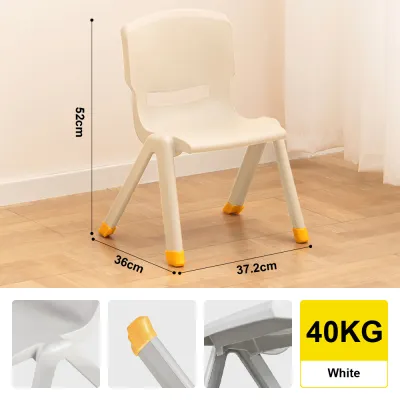
Prices are valid at publication and may change. Please refer to the product page for the latest price.
Finally, determine the maximum floor footprint available for storing the stools when they are stacked. Whether you plan to tuck the stack into a corner, slide it under the table, or store it in a household shelter, measure the designated storage zone. Remember to check vertical clearance as well, as a tall stack of stools can block wall-mounted switches, light fixtures, or low-hanging shelves.
Stackable Stool Styles for Visual Lightness
In a compact dining room, the visual weight of your furniture can significantly impact how spacious the room feels. Stools with bulky, solid designs tend to block light and make a small area feel crowded. To maintain a sense of openness, consider backless profiles. Backless stools can be pushed completely under the dining table when not in use, keeping sightlines clear across the room and making the entire living-dining area feel larger.

If you prefer some back support, look for low-back profiles that do not rise significantly above the tabletop. These designs offer a compromise between comfort and visual openness. Additionally, pay close attention to the materials and frame structures. Stools featuring slender metal legs or those made from transparent polycarbonate materials allow light to pass through, reducing their visual impact on the room.
The choice of colors and surface finishes also plays a major role in how the stools integrate into your home. Choosing finishes that closely match your dining table or wall color helps the stools blend into the background. Conversely, if you want to add a pop of color, opt for muted tones rather than highly saturated, heavy shades that draw too much attention to the compact seating area.
Maximizing Seating Capacity and Stackability
Not all stackable stools stack in the same manner, and understanding the mechanics of their design will help you maximize your storage efficiency. Stools with a classic four-leg base typically stack vertically, with each subsequent stool nesting directly on top of the one below. This configuration keeps the footprint of the stack identical to the footprint of a single stool, making it highly efficient for tight corners.
Sled-base stools, on the other hand, often stack at a slight forward angle. While this can sometimes make the stack more stable, it also means the stack will creep forward and occupy more floor space as you add more stools. When selecting a style, inspect how the legs align when nested to ensure the stack remains stable and does not lean precariously.
To protect your investment, always verify the presence of protective elements on the stools. Look for built-in stacking bumpers under the seats and protective caps on the feet. These small rubber or plastic components prevent the metal or wood frames from rubbing against each other during stacking, which can cause unsightly scratches and paint chips. Always check the manufacturer’s specifications to confirm the maximum safe stacking limit, as exceeding this recommendation can compromise stability and safety.
Stability, Comfort, and Safety Checks
Safety should never be compromised for the sake of space-saving design. When evaluating stackable stools, pay close attention to their center of gravity. Stools with very narrow bases or highly elevated seats can be prone to tipping, especially when guests lean or shift their weight. A wider, flared leg design offers greater stability, though it may slightly increase the floor footprint.
Comfort is another key consideration, even for temporary seating. While flat wooden or plastic seats are easy to clean and stack neatly, they can become uncomfortable during longer dinners. Look for stools with subtle saddle shapes or contoured seats that distribute weight more evenly. If you prefer padded seats, ensure the upholstery is durable and that the padding does not get permanently compressed or damaged when the stools are stacked.
Before making a final decision, check the product labels or manufacturer specifications for the maximum weight capacity of each stool. Ensure the feet are equipped with high-quality, non-slip glides. In Singapore homes with smooth flooring like polished marble, homogeneous tiles, or vinyl, non-slip feet are crucial to prevent the stools from sliding unexpectedly when someone sits down or stands up.
Integrating Stools with Your Existing Dining Table
To create a cohesive and functional dining setup, your stackable stools must work in harmony with your existing dining table. Measure the vertical gap between the stool seat and the underside of the table top. A standard gap of about 25 to 30 centimeters is generally recommended to allow comfortable leg movement and prevent guests’ knees from knocking against the table frame.
Aesthetic cohesion is also vital for a polished look. If you have a warm wooden dining table, you might choose stools with matching wooden seats or slender black metal frames that complement an industrial or modern Scandinavian theme. For glass or marble tables, minimalist metal or transparent acrylic stools can enhance the sleek, contemporary feel of the space without competing with the table’s prominent texture.
Lastly, examine the physical structure of your dining table’s legs. Tables with a central pedestal or thick, inset legs can restrict where you can place or stack your stools. Ensure there is enough open space between the table legs to slide the stools underneath when they are not in use, or that you have a designated nearby corner where the stacked pile can sit without blocking doorways or cabinet access.
Frequently Asked Questions (FAQ)
Can stackable stools serve as primary daily dining seats?
While stackable stools are highly convenient for hosting, using them as primary daily dining seats depends on your comfort preferences. Backless stools lack lumbar support, which can lead to fatigue during long meals or when working from the dining table. If you plan to use them daily, look for styles with ergonomic seat contours or integrated low backs, and consider adding removable cushions for extra comfort.
How can I prevent stacked stools from scratching each other?
To prevent scratches, always check if the stools come with built-in rubber stacking glides or protective bumpers underneath the seat pan. If the design lacks these features, you can apply aftermarket felt pads or silicone bumpers to the contact points where the frames meet. For delicate finishes like polished wood or lacquer, placing a soft cloth or felt sheet between each stool when stacking them provides an extra layer of protection.

Community discussion
Share your experience or ask a question. Comments are reviewed before publication.