
Finding the right shelving display rack in Singapore requires balancing aesthetic appeal with structural integrity, especially given the unique spatial constraints of local apartments. Whether you are furnishing a newly renovated HDB flat, organizing a condominium bomb shelter, or setting up a home office, the market offers a wide array of brands ranging from flat-pack Scandinavian imports to heavy-duty local boltless rack specialists. To make a sound investment, buyers must look past marketing buzzwords and evaluate racks based on verifiable structural specifications, local delivery logistics, and long-term modular flexibility.
Selecting a display rack is not merely about matching wood tones to your flooring; it is an exercise in load planning and spatial optimization. A poorly chosen rack can sag under the weight of heavy books, tip over due to uneven weight distribution, or fail prematurely in Singapore’s humid climate. By understanding the core engineering standards, material finishes, and installation requirements, you can confidently choose a brand that offers both safety and style for your living space.
Core Criteria for Comparing Shelving Brands
When evaluating different shelving brands, the primary technical specification to verify is the weight capacity, typically expressed as Uniformly Distributed Load (UDL). The UDL rating indicates the maximum weight a single shelf can support when the load is spread evenly across the surface, rather than concentrated in one spot. For general display purposes, a UDL of 20kg to 30kg per shelf is usually sufficient, but heavy book collections, pantry items, or kitchen appliances may require industrial-grade racks rated for 150kg or more per shelf. Always check if the brand provides certified UDL ratings or if they rely on vague descriptions like “heavy-duty.”
Products mentioned in this guide
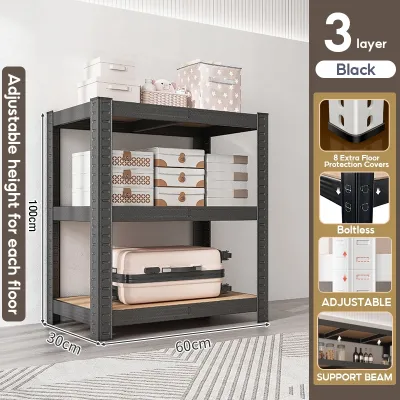
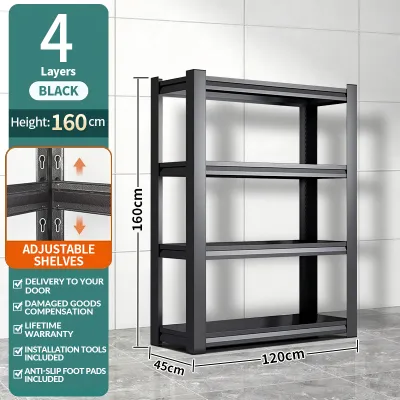
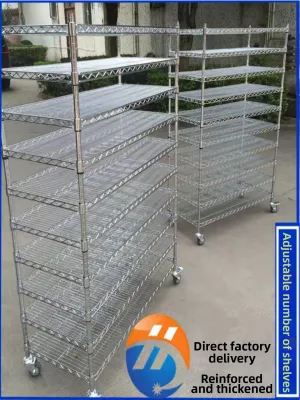
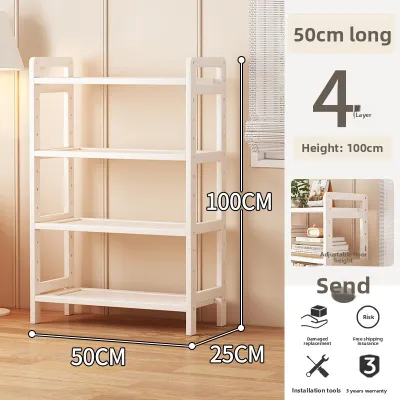
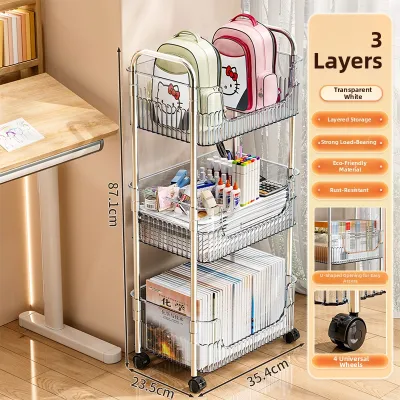
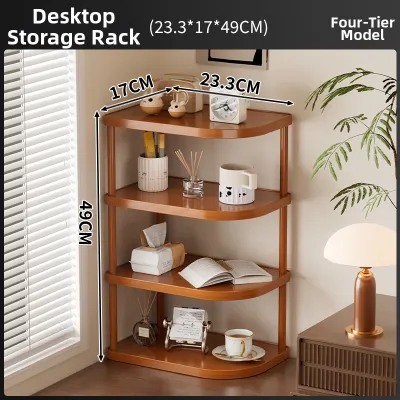
Prices are valid at publication and may change. Please refer to the product page for the latest price.
Shelf deflection, or the visible bowing of a shelf under load, is another critical factor that varies significantly between brands. High-quality brands design their shelves with reinforcement channels or thicker materials to minimize deflection over time. If a shelf bows more than a few millimeters, it not only compromises the visual appeal of your display but also places uneven stress on the joints and vertical supports. Look for brands that specify deflection limits or use rigid materials like high-density fiberboard (HDF) or steel support bars beneath the shelves.
Dimensional accuracy and modularity determine how well a shelving system can adapt to your changing needs. Premium brands offer precise manufacturing tolerances, ensuring that modular components fit together seamlessly without forced alignment. Check whether a brand’s system allows you to adjust shelf heights in small increments, add extra shelves later, or connect multiple units side-by-side. Brands with established local supply chains in Singapore are generally more reliable for sourcing add-on components years after your initial purchase, whereas obscure online brands may discontinue compatible parts without notice.
Warranty terms and local after-sales support serve as a strong indicator of a brand’s confidence in its product durability. A reputable shelving brand should offer a clear warranty covering structural defects, joint failures, or premature finish degradation. Furthermore, verify whether the brand has a local customer service presence in Singapore to handle replacement parts or assembly queries. Dealing with an overseas seller on an online marketplace can make resolving a missing screw or a bent bracket incredibly difficult and time-consuming.
Inspecting Build Quality Beyond Material Names
To assess the true durability of a shelving display rack, you must look closely at the joint and connection structures rather than relying solely on the listed materials. For metal racks, welded joints offer maximum rigidity but are non-adjustable, whereas bolted connections allow for disassembly but can loosen over time if not fitted with locking washers. Boltless rivet systems, highly popular in Singapore for utility storage, use interlocking keyhole slots that tighten under load, providing excellent stability without the need for specialized tools. For wooden display racks, inspect the joinery; dowelled, mortise-and-tenon, or cam-lock connections are far more stable than simple butt joints held together by wood screws.

Surface treatments play a pivotal role in protecting the rack from wear and environmental damage, particularly in Singapore’s high-humidity climate. For steel frames, a thick, electrostatic powder coating is highly preferable to standard liquid paint, as it provides superior resistance to scratches, chipping, and rust. For wooden or engineered wood shelves, examine the edge banding; poorly applied paper veneer edges will quickly peel or swell when exposed to moisture. High-pressure laminate (HPL) or melamine finishes with thick ABS edge banding offer much better moisture resistance and are easier to wipe clean.
Base stability and safety features are non-negotiable, especially for tall or narrow display racks. Inspect the bottom of the rack to see if it includes adjustable leveling feet, which are essential for stabilizing the unit on uneven tiled or vinyl floors. The overall design should feature a low center of gravity, with wider base dimensions relative to its height. Additionally, check if the manufacturer includes dedicated wall-anchoring hardware or pre-drilled holes in the frame, which are vital for preventing accidental tip-overs when the rack is fully loaded.
Evaluating Price Tiers and Purchase Channels
Navigating the pricing of shelving display racks in Singapore requires a careful comparison between physical showrooms and online marketplaces. Physical showrooms, often located in industrial estates like Ubi, Toh Guan, or Sungei Kadut, allow you to physically test the stability, touch the finishes, and verify the ease of shelf adjustment. While showroom prices may carry a premium to cover retail overheads, they offer peace of mind regarding product quality. Conversely, online marketplaces often present lower upfront prices, but buyers must exercise caution as product photos can easily mask flimsy construction and thin metal gauges.
When comparing prices, always calculate the total landed cost by factoring in delivery, assembly fees, and return policies. Many budget-friendly online options appear cheap until you add the cost of shipping bulky, heavy flat packs to your home. Some local retailers include free delivery and professional installation for orders above a certain threshold, which can save you hours of frustrating assembly work and ensure the rack is built safely. Be sure to check the retailer’s policy on damaged-on-arrival parts, as returning a heavy 30kg package can be logistically challenging and expensive.
Modular and customizable shelving systems often harbor hidden costs that can catch buyers off guard. The advertised base price typically covers only a minimal starter configuration, such as a basic frame with two or three shelves. As you add essential accessories like extra shelves, drawer units, wire baskets, or specialized mounting brackets, the total cost can escalate rapidly. Before committing to a modular brand, map out your complete desired configuration and calculate the cumulative cost of all individual components to ensure it fits within your budget.
Space Planning and Installation Checks
Before purchasing any shelving display rack, precise spatial planning is essential to ensure a seamless fit within your home. Measure the designated floor space, taking into account not just the width and depth, but also the clearance required for baseboards or skirting boards. If a rack cannot sit flush against the wall due to a thick skirting board, it may create an unstable gap or prevent you from securing the anti-tip brackets properly. Additionally, measure the ceiling height carefully, leaving at least 5cm to 10cm of clearance at the top to allow for comfortable assembly and cleaning.
Delivery logistics can pose significant challenges in Singapore’s high-rise residential buildings. Prior to ordering, measure the height, width, and diagonal clearance of your building’s passenger lift, as well as any tight corners in your apartment’s entryway or corridors. Bulky, pre-assembled welded racks or exceptionally long vertical posts may not fit into standard HDB lifts, forcing delivery personnel to carry them up the stairs, which usually incurs steep manual handling fees. Confirm these dimensions with the retailer beforehand to avoid delivery failures or unexpected surcharges.
Finally, evaluate the structural limits of your installation site, including floor load capacities and wall composition. While standard residential floors in Singapore easily support typical household shelving, exceptionally heavy industrial racks loaded with books or tools should be placed away from cantilevered balconies or weak subfloors. If you plan to anchor the rack to a wall, identify the wall material; drilling into solid concrete bomb shelter walls requires a heavy-duty rotary hammer drill and must comply with HDB renovation guidelines, whereas hollow drywall installations require specialized toggle bolts rather than standard plastic wall plugs.
Decision Framework: Matching Racks to Your Use Case
To finalize your choice, match the structural characteristics of the shelving system to your specific storage and environmental needs. If your primary goal is to store dense, heavy items such as extensive book collections, kitchen appliances, or pantry stock, prioritize heavy-duty industrial-style steel racks. These systems utilize thick steel frames, often with boltless rivet connections and reinforced support bars, ensuring they will not sag or wobble under substantial weight. While they may have a more utilitarian appearance, many brands now offer sleek matte black or white powder-coated finishes that blend well with modern industrial home decor.
For living rooms, study areas, or spaces where you anticipate frequent layout changes, modular lightweight shelving systems are highly suitable. These systems often feature slim metal or wooden uprights with adjustable brackets, allowing you to easily reconfigure shelf heights or expand the setup as your collection grows. They are ideal for displaying decorative items, photo frames, and light reading materials. When choosing these systems, look for brands that offer a wide range of compatible accessories, such as drop-in cabinets or display ledges, to maximize their versatility.
If you plan to place your shelving rack in high-humidity zones like kitchens, service yards, or bathrooms, material verification is paramount. Avoid untreated particle board, MDF, or cheap chrome-plated steel, as these materials will quickly warp, swell, or rust when exposed to moisture. Instead, look for racks constructed from galvanized steel, high-grade stainless steel, or solid wood treated with water-resistant outdoor sealants. Always verify if the manufacturer explicitly rates the product for damp environments and check their care instructions to maintain the finish over time.
Frequently Asked Questions (FAQ)
Do I need to anchor my shelving display rack to the wall?
Yes, anchoring your shelving display rack to the wall is highly recommended, especially if the unit is tall, narrow, or placed in a household with children or pets. As a general safety rule, any rack with a height-to-depth ratio greater than 4:1 should be securely anchored to prevent accidental tip-overs. Most reputable brands include anti-tip hardware kits, which typically consist of brackets, straps, and wall anchors. Before installation, identify your wall type; solid concrete walls require masonry drill bits and concrete anchors, while drywall requires specialized hollow-wall anchors. If you are unsure about drilling or lack the necessary tools, it is best to hire a professional handyman to ensure a secure installation.
How do I verify the weight capacity of an unbranded online rack?
Verifying the weight capacity of an unbranded rack purchased online requires careful visual inspection and physical testing, as listed specifications may not always be reliable. Start by checking the thickness of the metal frame and the shelves; thin, flimsy sheet metal is prone to bending under minimal load. Look for structural reinforcements, such as folded edges on metal shelves or support bars running underneath the shelf surface. Read customer reviews specifically looking for photos of the rack loaded with items, and check if other buyers have reported shelf bowing or instability. When assembling the rack, test its capacity progressively by placing heavier items on the bottom shelves first, and observe if there is any visible deflection or swaying before adding more weight.

Community discussion
Share your experience or ask a question. Comments are reviewed before publication.