
Choosing the right modular bookshelf for a child’s room in Singapore requires balancing long-term adaptability with strict safety standards and space constraints. Because children’s needs change rapidly, a successful shelving system must evolve from storing oversized toddler picture books to holding heavy school textbooks, all while fitting securely within compact bedroom layouts. By focusing on structural integrity, secure wall-anchoring methods, and flexible configurations, you can select a system that grows alongside your child.
Rather than viewing a bookshelf as a static piece of furniture, parents should approach it as a dynamic storage solution. The ideal system allows you to adjust shelf heights, add new compartments, and reconfigure the layout without requiring a complete replacement. This guide outlines the essential steps to evaluate, measure, and install a modular bookshelf that remains safe, functional, and visually appealing throughout your child’s developmental years.
Core Criteria for Selecting Kids' Modular Bookshelves
When evaluating modular shelving for a child’s bedroom, adaptability is the primary factor that determines the system’s lifespan. Children transition quickly from large, front-facing picture books to dense, spine-out chapter books and school materials. A truly adaptable system features pre-drilled tracks or adjustable brackets that allow you to reposition individual shelves at different heights. This flexibility ensures that you can maximize vertical space as book sizes shrink and quantity increases.
Products mentioned in this guide
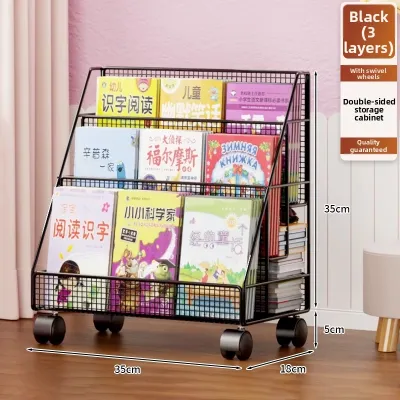
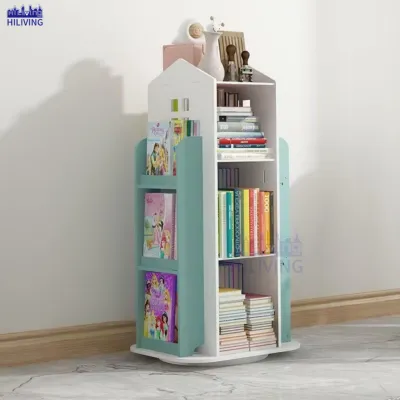
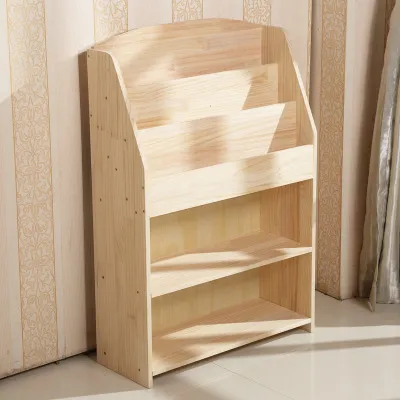
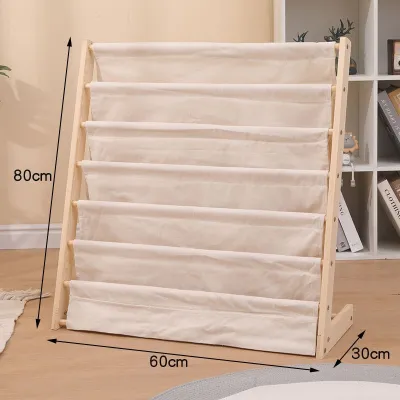
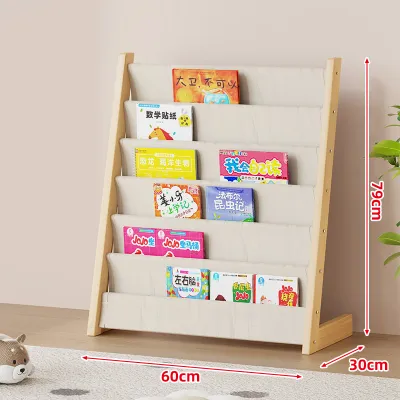
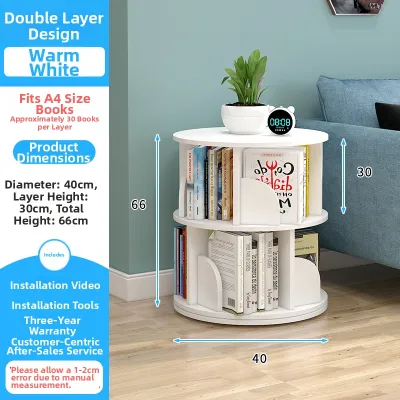
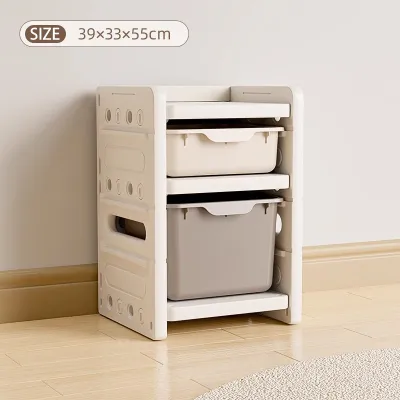
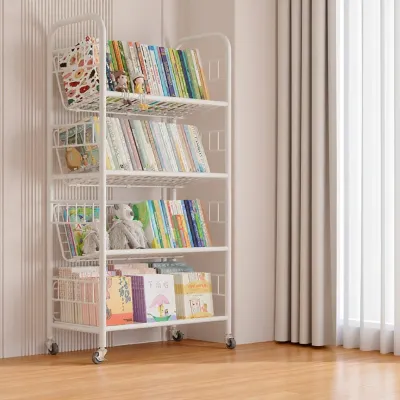
Prices are valid at publication and may change. Please refer to the product page for the latest price.
Weight capacity is another critical factor that must not be overlooked or assumed based on material thickness alone. Heavy hardcover books, toy storage boxes, and school binders accumulate weight rapidly, placing significant stress on shelf joints. Always check the manufacturer’s official specifications for the maximum load limit per shelf, which is typically rated in kilograms. Avoid assuming that solid wood or thick composite panels automatically translate to high weight capacities; the strength of the shelf support pins and connectors is often the limiting factor.
A successful kids’ bookshelf must also balance open storage with concealed bins. Open shelves are excellent for displaying active reading materials, encouraging independent book selection, and keeping frequently used items within easy reach. Conversely, integrated drawers, fabric baskets, or plastic bins are essential for concealing loose toys, art supplies, and clutter. When planning your configuration, aim for a system that allows you to swap open shelves for drawer inserts or storage boxes as your child’s organizational needs evolve.
Essential Safety and Anti-Tip Verifications
Safety is the most critical consideration when installing any furniture in a child’s room, as young children may attempt to climb shelves to reach toys or books. To prevent catastrophic tip-over accidents, you must verify that the modular bookshelf system includes or fully supports reliable wall-anchoring hardware. Never rely solely on the weight of the books to keep a shelf stable; any unit taller than a child’s chest height must be physically secured to the wall structure.

Wall compatibility is a key factor when planning your installation in Singapore. Local residential properties feature different wall construction types that require specific anchoring hardware:
- Concrete or Brick Walls: Commonly found in Housing & Development Board (HDB) flats and older condominium units. These solid walls require a masonry drill bit, plastic wall plugs, and heavy-duty screws to create a secure hold.
- Drywall or Gypsum Board Partitions: Often used in newer developments or partitioned rooms. These hollow walls require specialized toggle bolts, spring anchors, or hollow-wall anchors that expand behind the plasterboard to distribute the weight safely.
In addition to wall anchoring, perform a thorough physical design check on the product before purchase. Look for rounded edges and corners to minimize the risk of injury during active play. Ensure that all assembly hardware, screws, and brackets are fully recessed or covered with safety caps to prevent scratches or snagged clothing. Finally, check the product label or manufacturer specifications for non-toxic finish certifications, ensuring that any paints, laminates, or lacquers used on the shelving are free from harmful volatile organic compounds (VOCs) and heavy metals.
Space Planning and Sizing for Singapore Bedrooms
Singapore bedrooms are often compact, requiring precise space planning to ensure the bookshelf fits comfortably without obstructing daily movement. Begin by measuring the available floor footprint with a high-quality tape measure. You must account for the clearance zones of surrounding furniture, such as the swing radius of wardrobe doors, the space needed to pull out a study desk chair, and the distance from the bed frame to prevent accidental bumps during sleep.
Vertical space utilization should be planned around your child’s current reach and projected growth over the next few years. For toddlers and younger children, keep active bookshelves low—ideally under 90 centimeters—so they can safely retrieve and return books independently. Higher shelves can be utilized by parents for storing keepsakes, seasonal items, or books reserved for shared reading times. As your child grows, these upper levels can gradually be transitioned into their personal storage space.
The visual weight of the bookshelf also plays a significant role in how spacious the bedroom feels. In smaller rooms, a tall, deep, and dark-colored bookshelf can create a cramped atmosphere. To maintain an airy and open feel, opt for modular units with shallow depths (around 30 centimeters is typically sufficient for most children’s books) and light finishes, such as white, light oak, or birch. Open-backed modular frames are particularly effective at reducing visual bulk, as they allow the bedroom wall color to show through the unit.
Evaluating Modular Configurations and DIY Flexibility
Modular bookshelves generally fall into two main categories, each offering distinct advantages depending on your installation preferences and living situation:
- Stackable Cube Systems: These freestanding units consist of individual square or rectangular compartments that lock together. They offer excellent lateral stability, are highly customizable in horizontal layouts, and require minimal wall drilling (though anti-tip straps are still mandatory). They are highly portable and easy to rearrange when moving home.
- Adjustable Rail-and-Bracket Setups: These systems utilize vertical metal rails mounted directly to the wall, with shelves suspended from adjustable brackets. They free up valuable floor space and allow for precise height adjustments, making them ideal for study desk integrations. However, they require extensive wall drilling and precise leveling during installation.
Your choice between these configurations should align with your DIY skills and housing status. If you are renting your home, you may face restrictions on drilling multiple holes into the walls. In such cases, a low-profile, freestanding stackable cube system secured with a single, minimal anti-tip wall strap is often the most practical solution. Homeowners, on the other hand, can opt for more permanent, wall-mounted rail systems that maximize vertical wall space.
When selecting a modular brand, always investigate the long-term availability of expansion components. A common frustration is purchasing a starter set only to find that the manufacturer has discontinued the line a year later, leaving you unable to buy matching shelves, drawers, or connectors. Choose established product lines with a proven history of component availability, ensuring that you can expand the system seamlessly as your child’s book collection grows.
Surface Durability and Maintenance Checks
Children’s furniture must withstand significant daily wear and tear, including crayon marks, sticker residue, spilled drinks, and impact from toys. Before purchasing, verify the durability of the shelf surfaces by reviewing the manufacturer’s care instructions. Look for finishes that are explicitly described as wipe-clean and scratch-resistant. High-pressure laminates, melamine coatings, and sealed water-based polyurethane finishes are generally easier to clean and maintain than unfinished wood or delicate veneers.
The durability of the joints and connectors is equally important for modular systems that may be disassembled and rebuilt multiple times. Plastic clips and push-fit connectors can become brittle over time or break during disassembly. Look for systems that utilize metal-to-metal connectors, cam lock screws, or threaded metal inserts, which maintain their structural integrity even after multiple reconfigurations.
Finally, check the manufacturer’s policy regarding the availability of replacement parts. In a child’s room, it is not uncommon for a single shelf panel to become deeply scratched or for small connector pegs to go missing during a room rearrangement. Knowing that you can order individual replacement panels, shelf pins, or hardware kits directly from the manufacturer or local distributor prevents the need to replace the entire bookshelf system due to minor damage.
Pre-Purchase Measurements and Delivery Logistics
Before finalizing your purchase, you must ensure that the bookshelf can be safely delivered and brought into your home. Flat-pack modular systems are generally easy to transport, but you should still verify the packaged dimensions against the physical clearances of your building’s lift, stairwells, and apartment entryways. If you are purchasing pre-assembled modules, double-check that the outer dimensions can clear tight hallway corners and bedroom door frames.
Review the retailer’s return and exchange policies thoroughly, paying close attention to how they handle modular components. Ensure that the policy allows for the return or replacement of individual damaged panels or missing hardware without requiring you to repackage and return the entire multi-box shipment. This is particularly important for large modular setups that arrive in multiple separate packages.
Once your delivery arrives, conduct a comprehensive inspection of all parts before beginning the assembly process. Lay out the panels on a soft surface, such as a rug or the cardboard packaging, to prevent scratches. Check each piece for structural defects, such as hairline cracks, warped boards, or chipped laminate edges. Verifying that all hardware components and instruction manuals are present before you start assembling will save time and prevent the frustration of pausing mid-build due to a missing connector.
Frequently Asked Questions (FAQ)
At what height should a modular bookshelf be anchored to the wall?
Always consult the manufacturer’s installation manual for the exact recommended anchor point locations, as these are engineered specifically for the unit’s structural design. As a general safety rule, the anti-tip anchor should be secured at the highest possible point on the bookshelf frame, typically near the top back panel or upper support rail. This placement ensures maximum leverage to prevent the unit from tipping forward if a child attempts to climb the lower shelves. Ensure the physical wall anchor is installed securely into a wall stud or solid concrete, well above the child’s active reach.
Can standard modular cubes support heavy hardcover picture books?
To determine if a modular cube system can support heavy children’s books, you must check the explicit weight limit per shelf or cube in the product specifications. Hardcover picture books are surprisingly heavy when stacked together, often exceeding the capacity of lightweight decorative shelving. If you observe any shelf deflection or sagging after loading the books, immediately reduce the weight on that level. To optimize stability, place the heaviest books on the lowest shelves of the unit to keep the center of gravity low, and verify if the manufacturer permits the installation of reinforcing brackets or support bars.

Community discussion
Share your experience or ask a question. Comments are reviewed before publication.