
When space is at a premium in a standard Singapore Housing & Development Board (HDB) flat, maximizing floor area becomes a daily design challenge. Choosing the right portable shelves depends on three non-negotiable factors: structural clearance, material resilience against local humidity, and secure anchoring mechanisms. Unlike standard permanent furniture, folding or portable shelving units must balance structural stability with swift, effortless collapse. Selecting a model that matches your specific wall type and daily movement patterns ensures your compact bedroom remains both highly functional and visually uncluttered.
Assessing Your HDB Bedroom Space and Storage Needs
Before purchasing any portable shelves, precise physical measurements of your HDB bedroom are essential. Start by mapping out the exact floor area where you plan to place or mount the unit. It is easy to overlook the physical projection of a shelf when it is fully deployed, which can inadvertently block narrow walkways or create tight squeeze points around your bed frame.
Take note of all door swing paths, including your main bedroom door, wardrobe doors, and even adjacent window frames. A folding shelf that looks compact on paper might obstruct a door from opening fully, leading to daily frustration and potential surface damage. Measuring the clear wall space and leaving a buffer zone of at least 15 to 20 centimeters from any moving door or drawer is a reliable rule of thumb.
Products mentioned in this guide
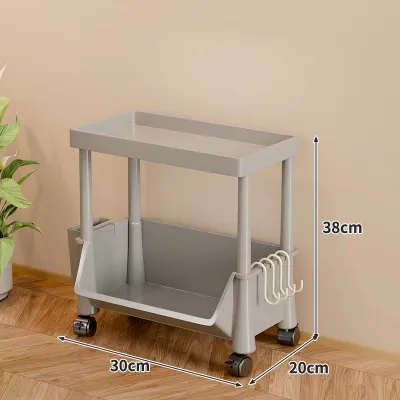
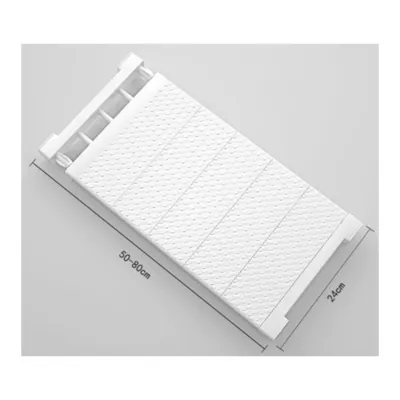
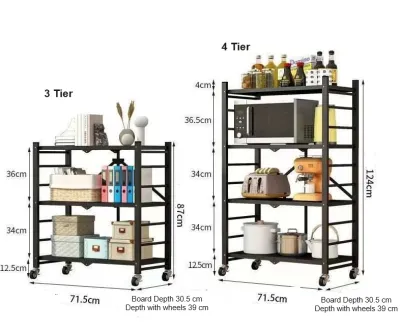
Prices are valid at publication and may change. Please refer to the product page for the latest price.
Next, define the primary function of the shelf to determine its required depth and structural strength. If you are replacing a traditional bedside table, a shallow depth of 20 to 30 centimeters is usually sufficient for a phone, a cup of water, and a book. However, if you plan to use the unit as a temporary study nook or for heavy folded clothing, you will need a deeper surface with a higher load-bearing capacity.
Finally, evaluate the vertical plane of your room, noting the position of wall sockets, light switches, and existing wall-mounted air conditioning units. In compact HDB bedrooms, utilizing vertical air space is highly effective, but you must ensure that a tall freestanding rack or a high wall-mounted shelf does not block air conditioning airflow or restrict access to vital electrical outlets.
Critical Design Features for Compact Rooms
The success of space-saving furniture lies in its engineering. A well-designed folding shelf must transition between active storage and flat storage without demanding complex tools or physical strain.

Folding Mechanisms and Clearance Requirements
The mechanical design of a folding shelf determines how easily it integrates into your daily routine. Drop-leaf hinges are highly popular for wall-mounted units, allowing the shelf surface to hang flat against the wall when not in use. This mechanism requires clear downward vertical space, meaning you cannot place other low-profile furniture directly beneath the shelf’s mounting point.
Sliding tracks and collapsible accordion frames are more common in freestanding portable shelves. These mechanisms allow the entire structure to compress horizontally or vertically into a slim profile that can be slid into a wardrobe or behind a door. When choosing these models, verify that the joints operate smoothly without catching, as stiff or poorly aligned tracks can cause the frame to warp over time.
Calculating the swing radius is a critical step before finalizing your purchase. The swing radius is the path the shelf travels as it transitions from a folded state to a fully deployed position. Ensure this path is completely clear of any obstacles, such as curtains, light fixtures, or bed posts, to prevent accidental collisions during setup.
Safety and ease of use should also guide your mechanical choice. Look for folding systems that feature secure locking pins, spring-loaded latches, or magnetic catches that hold the shelf firmly in its open or closed state. These safety features prevent the shelf from collapsing unexpectedly if it is bumped or if weight is distributed unevenly across its surface.
Footprint and Vertical Space Utilization
To maximize efficiency in a small bedroom, prioritize portable shelves that emphasize vertical height over horizontal floor coverage. Multi-tiered folding racks allow you to stack books, organizers, and decor vertically, leaving your limited floor space clear for movement. A narrow, tall shelf unit provides the same storage volume as a wide, low cabinet while occupying only a fraction of the floor footprint.
The folded depth, or profile, of the shelf is another vital specification to check. High-quality folding shelves should collapse to a thickness of 10 centimeters or less. A slim folded profile allows you to store the unit flat against a wall, slide it under a bed frame, or tuck it neatly into the gap between your wardrobe and the wall when it is not needed.
Adjustable shelf heights offer invaluable flexibility as your storage needs evolve. Many modern folding designs feature modular slots or removable tiers, allowing you to customize the distance between shelves. This adaptability is particularly useful in HDB bedrooms, where a single shelf might need to hold tall school binders one semester and shorter storage baskets the next.
Material Durability and Load Capacity
Singapore’s tropical climate presents unique challenges for furniture preservation, characterized by consistently high indoor humidity levels. Raw, untreated timber is highly susceptible to moisture absorption, which can lead to warping, wood rot, or mold growth over time. When selecting portable shelves, look for materials designed to withstand humid environments, such as powder-coated steel, rust-resistant aluminum, or treated engineered woods like moisture-resistant MDF or high-pressure laminates.
Powder-coated metal frames are exceptionally durable and easy to wipe clean, making them an excellent choice for long-term use in HDB flats. If you prefer the warmth of wood, ensure the product specifications explicitly state that the wood has been sealed with a moisture-resistant polyurethane or lacquer finish. This protective coating acts as a barrier, preventing humid air from penetrating the core fibers of the shelving material.
Evaluating load capacity claims requires a careful look beyond the headline numbers provided by manufacturers. It is critical to differentiate between the static weight limit of the individual shelf surface and the dynamic structural limit of the folding joints, hinges, or wall anchors. A shelf panel might be rated to hold 15 kilograms, but if the folding brackets or hinges are made of flimsy plastic or thin metal, the joint itself may fail under a much lighter load.
To maintain structural integrity, always follow uniform weight distribution guidelines. Avoid placing heavy items, such as printers or stacks of textbooks, on the outer edges of extended folding leaves, as this creates a lever effect that puts immense strain on the hinges and mounting screws. Distribute weight evenly across the entire surface, placing the heaviest items closest to the wall or the main vertical support pillars of the frame.
Lastly, pay close attention to the quality of the connecting hardware. Hinges, brackets, and screws should be made of rust-resistant materials like stainless steel or galvanized steel. In humid conditions, standard iron or low-grade steel hardware can rust quickly, causing the folding joints to stiffen, squeak, or eventually snap during operation.
Recommended Portable Shelves and Styles for HDB Bedrooms
Different layouts and living arrangements call for distinct shelving configurations. Understanding the strengths and limitations of each style helps you match the furniture to your specific living situation.
Wall-Mounted Drop-Leaf Shelves
Wall-mounted drop-leaf shelves are highly effective for creating a temporary workspace or a floating bedside table that can disappear instantly. When fully extended, they provide a sturdy, flat surface for a laptop or morning coffee; when folded down, they hang flat against the wall, reclaiming valuable floor space. This style is ideal for homeowners looking for a clean, minimalist aesthetic that keeps the floor completely unobstructed.
The primary advantage of this style is its zero-floor-footprint design, which makes small bedrooms feel significantly larger and easier to clean. However, the main drawback is that it requires permanent installation, involving drilling into your bedroom walls. This makes it less suitable for renters who face strict tenancy agreements regarding wall damage, and it limits your ability to rearrange the room layout easily.
Before purchasing a wall-mounted unit, perform several essential pre-purchase checks. Verify the composition of your wall to ensure it can support the weight of both the shelf and its intended contents. You must also check the physical dimensions of the mounting brackets to ensure they align with the space, and verify that the folded panel will not block light switches, electrical outlets, or room walkways.
Freestanding Folding Racks
Freestanding folding racks offer excellent flexibility for those who prefer not to drill into their walls or who frequently rearrange their bedroom layout. These units typically feature multiple tiers that collapse flat in a single motion, making them perfect for temporary clothing storage, seasonal item organization, or display shelves that can be tucked away when guests visit.
The standout benefit of freestanding racks is their absolute portability and lack of installation requirements. You can unbox the unit, unfold it, and begin using it immediately without any tools. The trade-off is that they do occupy physical floor space when deployed, and if they are loaded incorrectly with heavy items on the top shelves, they can present a tipping hazard.
When shopping for freestanding portable shelves, look for models with a wide, stable base to prevent wobbling on bedroom flooring. Check that the legs feature reliable locking mechanisms to prevent accidental folding while the unit is loaded. Additionally, verify the overall weight of the empty frame; it should be light enough for you to lift and move comfortably, yet substantial enough to remain stable under load.
Over-Door and Hook-On Shelves
Over-door and hook-on shelves are incredibly efficient for utilizing “dead space” that would otherwise go unused, such as the back of your bedroom door or the side panel of a sturdy wardrobe. These units simply hook over the top edge of a door frame, providing instant, multi-tiered storage for small accessories, bags, or light clothing items.
The major appeal of this style is that it requires absolutely no drilling or permanent adhesive, making it highly renter-friendly and exceptionally easy to relocate. However, their load capacity is naturally limited by the strength of the door and its hinges. Overloading an over-door shelf can cause the door to sag, warp, or fail to close properly, leading to long-term alignment issues.
To ensure a proper fit, measure your door’s exact thickness and the clearance gap between the top of the door and the frame before buying. Look for hooks equipped with non-scratch foam padding to protect your door’s paint or laminate finish from friction damage. Finally, ensure your door’s hinges are in good condition and securely screwed into the frame to handle the extra dynamic weight of the loaded shelf.
Comparison of Portable Shelf Styles
To help you decide which style best fits your HDB bedroom layout, the table below compares the three main portable shelf configurations across key practical dimensions.
| Shelf Style | Installation Type | Floor Footprint (Deployed vs. Folded) | Expected Load Capacity | Ideal Bedroom Use Case |
|---|---|---|---|---|
| Wall-Mounted Drop-Leaf | Permanent drilling required | Zero floor footprint (both states) | Medium to Heavy (depends on wall anchor) | Temporary study desk or minimalist bedside table |
| Freestanding Folding | No installation (freestanding) | Moderate footprint when open; zero when folded | Medium to Heavy (evenly distributed) | Temporary clothes storage or flexible display rack |
| Over-Door / Hook-On | Non-permanent hanging hooks | Zero floor footprint (both states) | Light to Medium (limited by door hinges) | Accessory organization behind doors or on wardrobes |
Safety, Installation, and HDB Wall Considerations
When installing wall-mounted portable shelves in an HDB flat, understanding the composition of your walls is paramount to structural safety. Most HDB internal walls are constructed of solid concrete or precast panels, which offer exceptional load-bearing strength. However, some newer flats or renovated units use lightweight drywall partitions to divide spaces. Heavy wall-mounted folding shelves should never be anchored directly into drywall without locating and securing them to the internal structural studs, as the drywall alone cannot support the dynamic, pulling force exerted when the shelf is loaded and unfolded.
For solid concrete walls, always use the correct masonry drill bits and heavy-duty wall anchors, such as metal expansion bolts or high-quality concrete screws. Avoid using standard, lightweight plastic wall plugs for folding brackets, as the repeated upward and downward motion of folding the shelf will loosen plastic plugs over time, leading to bracket failure. Ensure you drill to the exact depth recommended by the anchor manufacturer and clean out any concrete dust from the hole before inserting the anchor.
If you opt for a tall freestanding folding rack, safety precautions are equally important, especially if the bedroom is shared with young children or active pets. Although these units are designed to be portable, they can become top-heavy when loaded. Utilizing anti-tip furniture straps anchored securely to the wall is a highly recommended safety measure that prevents the unit from tipping forward if someone accidentally pulls on a shelf or climbs on it.
If you are uncertain about your wall’s composition, or if the weight of your intended storage exceeds the rating of standard retail hardware, do not proceed with a blind installation. Stop and consult a qualified local contractor or reach out to the shelf manufacturer for professional guidance. Taking the time to verify structural compatibility prevents costly wall damage and ensures a safe, reliable storage solution.
Frequently Asked Questions (FAQ)
Can I install wall-mounted folding shelves on HDB drywall partitions?
Standard HDB drywall partitions are not structurally designed to support the significant dynamic leverage and pulling forces exerted by a loaded folding shelf. If you must mount a shelf on a drywall partition, the mounting brackets must be screwed directly into the internal timber or metal studs behind the drywall sheet. For light-duty use only, specialized heavy-duty hollow-wall toggle bolts may be used, but solid concrete walls remain the safest and most reliable choice for any functional folding shelf.
How do I prevent freestanding portable shelves from tipping over when folded?
To prevent freestanding portable shelves from tipping over when folded, never leave them standing upright and unsupported in open areas. When folded flat, their center of gravity shifts, making them highly unstable. Always store folded shelves completely flat under a bed frame, slide them securely into a tight gap between furniture, or use a dedicated wall-mounting strap to secure them flat against a wall when not in use.

Community discussion
Share your experience or ask a question. Comments are reviewed before publication.