
Finding the right portable cupboard storage for a Singapore HDB bedroom requires balancing space efficiency with structural durability. Because HDB bedrooms often feature compact layouts and fixed architectural elements like air-conditioning trunking or structural beams, a standard wardrobe might not always fit. The ideal portable cupboard brand must offer highly accurate dimensions, robust frame materials that resist tropical humidity, and a design that allows easy assembly within tight spaces. By focusing on verifiable specifications rather than marketing hype, you can secure a temporary or flexible storage solution that keeps your clothes organized without cluttering your room.
Assessing Your HDB Bedroom Space and Clearance Needs
Before browsing online marketplaces, you must establish the exact physical boundaries of your bedroom. Start by measuring the available floor area where you intend to place the cupboard. Use a metal measuring tape for accuracy, and map out the footprint of your existing furniture, particularly the bed.
You must ensure there is sufficient clearance to walk around the bed and that the cupboard does not block the swing path of your bedroom door. If your room has windows, verify that the cupboard’s depth will not obstruct window panels or restrict natural light and ventilation.
Products mentioned in this guide
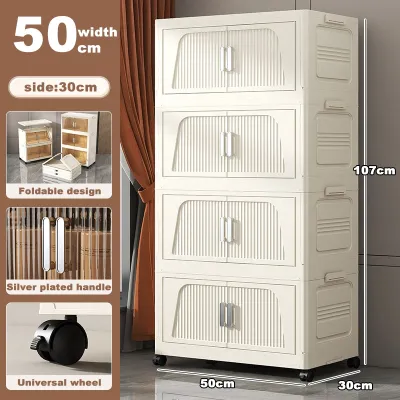
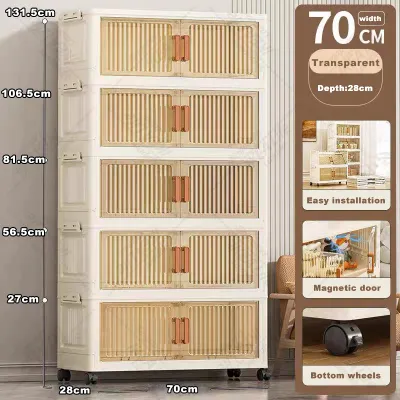
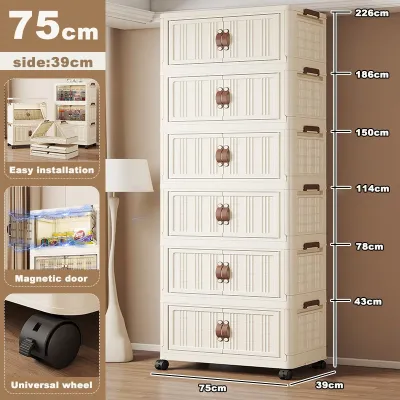
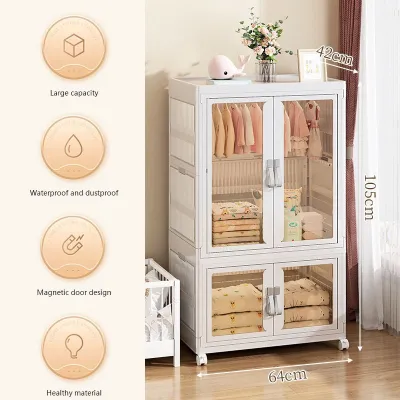
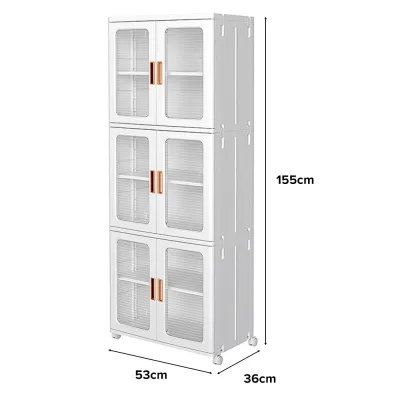
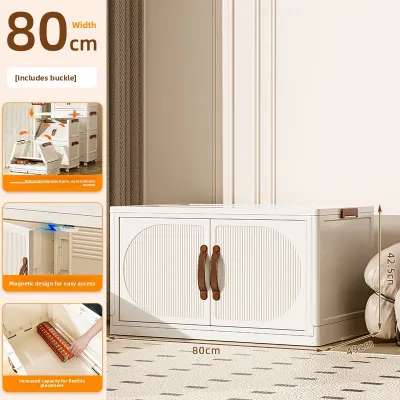
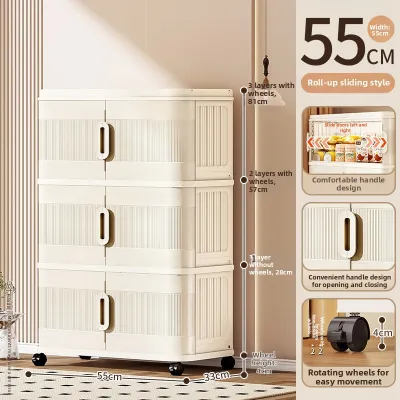
Prices are valid at publication and may change. Please refer to the product page for the latest price.
Overhead obstacles are common in HDB flats and can severely limit where you can place tall furniture. Look upward and identify the positions of ceiling fans, light fixtures, and air-conditioning trunking. Air-con pipes often run along the upper sections of walls, creating protrusions that prevent tall cupboards from sitting flush against the wall.
Additionally, take note of structural HDB beams, which can reduce the available height in specific corners of the room. Measuring the height from the floor to the lowest point of these overhead obstacles is crucial to avoid purchasing a unit that cannot stand upright.
Finally, consider the logistics of getting the cupboard into your bedroom. While portable cupboards are typically delivered flat-packed, the packaging can still be bulky and heavy. Measure the width of your HDB corridor, the clearance of your front door, and the entry path into the bedroom.
If you live in an older estate where lift access is restricted to certain floors, or if the package is exceptionally long, you must verify that the box can fit inside the passenger lift. Ensuring a clear, unobstructed pathway from the lift lobby to your bedroom floor prevents delivery complications and potential damage to your walls or the product itself.
How to Evaluate Portable Cupboard Brand Quality
Evaluating the quality of a portable cupboard brand requires looking past attractive product photos and examining the technical specifications of the materials used. The frame is the backbone of the cupboard, and its stability depends on pole thickness and joint construction.

Look for brands that specify the outer diameter of their metal poles, typically measured in millimeters. Thicker poles, such as those measuring 19mm or 25mm, offer significantly higher resistance to bending under weight than standard 13mm poles. Additionally, check if the metal is powder-coated or galvanized; this finish is essential in Singapore’s humid climate to prevent rust and corrosion over time.
The joints or connectors that hold the frame together are the most common failure points in cheap portable wardrobes. High-quality brands often use reinforced plastic connectors, such as high-strength ABS or PP plastic, which are less prone to cracking under stress.
Some premium brands offer metal tee-joints or screw-in connections, which provide superior structural integrity. When reviewing product descriptions, check if the brand provides replacement connectors in the package or offers them for individual purchase, as this significantly extends the lifespan of your cupboard.
The cover material is equally important for protecting your clothing from dust, light, and pests. Common cover materials include non-woven fabrics, Oxford fabrics, and plastic panels. Non-woven fabrics are highly breathable but can degrade and tear over time if exposed to direct sunlight or high tension.
Oxford fabric, particularly with a higher denier rating like 210D or 600D, is much thicker, more durable, and often features a water-resistant backing. Check the manufacturer’s labels to verify if the cover is machine washable or if it requires simple spot cleaning with a damp cloth.
Lastly, assess the brand’s after-sales support and warranty policies before making a purchase. Reliable brands operating on local e-commerce platforms usually provide a clear warranty period covering manufacturing defects, missing parts, or damaged connectors upon arrival.
Verify if the seller has a local warehouse or customer service presence in Singapore, as this makes sourcing replacement parts or executing a return much faster and more cost-effective. Avoid brands that do not clearly state their return policies or those that require you to ship defective items back overseas at your own expense.
Matching Cupboard Dimensions to Your Room Layout
Translating a brand’s sizing chart into a practical layout requires a careful balance between storage capacity and physical comfort. Portable cupboards come in various configurations, ranging from single-column units to wide, multi-section wardrobes.
In a compact HDB bedroom, a cupboard that is too deep can make the room feel cramped and restrict movement. Standard portable wardrobes typically have a depth of 45cm to 50cm, which is sufficient for hanging standard clothes hangers without taking up excessive floor space.
If you have a very narrow room, look for brands that offer shallow-depth options, though you may need to use angled hangers or fold more garments. Height is another critical dimension that affects both storage volume and room aesthetics.
A tall cupboard maximizes vertical space, allowing you to store seasonal items, bedding, or luggage on the top shelves. However, you must leave at least 10cm to 15cm of clearance between the top of the cupboard and the ceiling.
This gap is necessary not only for air circulation to prevent stagnant air pockets but also to give you enough physical clearance to assemble the top frame and slide the fabric cover over the structure.
The mechanism used to open and close the cupboard doors also impacts space efficiency. Zip-up roll doors are highly common in fabric wardrobes; they roll upward or outward and are secured with straps, requiring zero clearance in front of the cupboard.
This makes them ideal for tight spaces where the cupboard is placed close to the bed. Velcro flaps offer similar space-saving benefits but may not seal as tightly against dust.
If you prefer a more rigid look, some brands offer sliding plastic panels or folding doors, but you must ensure that these mechanisms do not require extra clearance that could block adjacent walkways.
Sourcing and Verifying Brands on E-commerce Platforms
When shopping on online marketplaces, you must look beyond polished marketing images and verify the actual performance of the portable cupboard. Sellers often use stylized renders that make the cupboards appear larger and sturdier than they are in reality.
To counter this, navigate directly to the customer review section and filter for reviews that include user-uploaded photos and videos. These real-world images allow you to assess how the fabric fits over the frame, whether the shelves sag under the weight of folded clothes, and how the actual color matches the product listing.
Evaluating seller credibility is a crucial step in avoiding low-quality counterfeits. Check the store’s overall rating, the length of time they have been operating on the platform, and their chat response rate.
A high response rate indicates that the seller is active and more likely to assist you if you encounter issues during assembly or receive damaged parts. Read the negative reviews specifically to identify recurring complaints, such as missing metal poles, torn fabric covers, or unstable frames.
Calculate the true cost of the cupboard by factoring in all additional fees. The initial listing price may seem low, but shipping fees for bulky furniture can add up quickly, especially if the item is shipped from overseas.
Look for local sellers who offer flat-rate or free shipping within Singapore. Additionally, check if the brand offers optional professional assembly services. If you prefer to assemble the unit yourself to save on costs, verify that the package includes a detailed, English-language instruction manual and all necessary assembly tools.
Assembly, Stability, and Long-Term Maintenance Checks
Once your portable cupboard arrives, proper assembly and regular maintenance are vital to ensure its structural safety and longevity. Begin by preparing a clean, flat area in your bedroom for assembly.
Before putting the pieces together, inventory all parts against the instruction manual to ensure no poles or connectors are missing. When assembling the frame, ensure that every metal pole is fully inserted into its plastic or metal connector.
A pole that is only partially inserted will cause the frame to sit unevenly, putting unequal stress on other joints and significantly reducing the cupboard’s overall weight capacity.
Base leveling is critical, especially if your HDB bedroom floor has minor imperfections or if you are placing the cupboard partially on a rug. An uneven base causes the entire frame to twist, which can lead to joint failure or make the doors difficult to zip shut.
If the cupboard does not come with adjustable leveling feet, you can place small, non-slip rubber pads under the low corners to stabilize the unit. Once the frame is level, plan your storage layout carefully.
Always place heavy items, such as storage boxes, books, or heavy winter coats, on the bottom shelves to lower the unit’s center of gravity and prevent tip-over accidents.
Routine upkeep will prevent premature wear and tear on your portable cupboard. Every few months, perform a quick structural check by gently shaking the frame to see if any joints have loosened. Push any loose poles back firmly into their connectors.
If your cupboard has a fabric cover, clean it according to the manufacturer’s care instructions; most fabric covers should not be machine washed as this can damage the water-resistant coating or cause shrinkage. Instead, vacuum the exterior gently with a brush attachment and wipe down any stains with a damp cloth and mild soap.
Lastly, remain vigilant for signs of structural fatigue. If you notice the metal poles starting to bend, the plastic connectors showing white stress marks, or the fabric seams tearing, the cupboard may be overloaded.
Immediately remove some items to reduce the weight. If a connector cracks or a pole buckles, stop using the cupboard immediately to prevent a complete collapse. Sourcing replacement parts from the manufacturer promptly can resolve these issues safely, but if the frame is severely compromised, it is time to replace the unit entirely.
Frequently Asked Questions (FAQ)
How do I prevent mold on fabric portable wardrobes in humid weather?
To prevent mold growth in Singapore’s humid climate, ensure your portable wardrobe is placed in a well-ventilated area of the bedroom, away from damp walls. Avoid packing your clothes too tightly inside, as restricted airflow encourages moisture buildup. Place disposable moisture absorbers or silica gel packets on the shelves, and replace them regularly once they fill with water. Additionally, ensure that all clothes are completely dry before hanging them up, and leave the wardrobe doors unzipped occasionally to let fresh air circulate through the fabric.
Can I modify a portable cupboard frame to fit a tight alcove?
Modifying a manufactured portable cupboard frame, such as cutting the metal poles or omitting structural shelves, is highly discouraged. Doing so will immediately void any manufacturer warranty and severely compromise the structural integrity of the unit, making it prone to collapsing. If you have a tight alcove or a specific space constraint, it is best to search for a brand that offers modular configurations designed to be adjusted safely, or select a smaller standard size that fits comfortably within the space without any physical alterations.

Community discussion
Share your experience or ask a question. Comments are reviewed before publication.