
Finding the right storage for compact Singapore homes requires more than just searching for slim furniture. Selecting the ideal narrow shelf depends on precise gap measurements, specific room conditions, and structural limits. This guide provides a practical framework for evaluating shelf configurations, verifying safety and stability, and navigating high-rise delivery logistics to help you maximize every inch of your HDB or condo space.
Measuring Your Space: Clearance and Structural Checks
Before purchasing any slim storage unit, you must conduct a thorough physical assessment of the intended location. Start by measuring the exact width, depth, and height of the gap. Do not rely on general floor plans, as actual built dimensions often vary by a few centimeters due to plastering and finishing work.
When measuring, pay close attention to baseboard or skirting board thickness. A skirting board can protrude by one to two centimeters, preventing a freestanding shelf from sitting flush against the wall. This gap can cause the shelf to tilt backward or wobble, compromising its stability.
Products mentioned in this guide
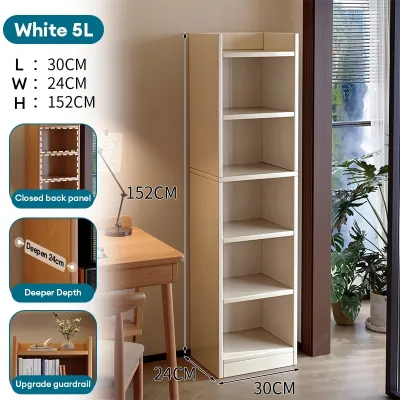
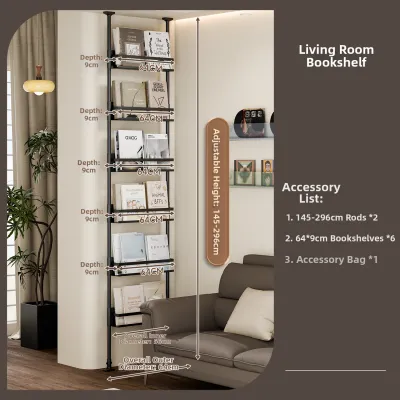
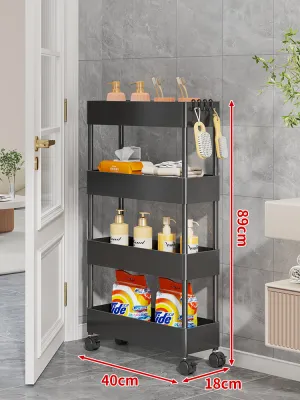
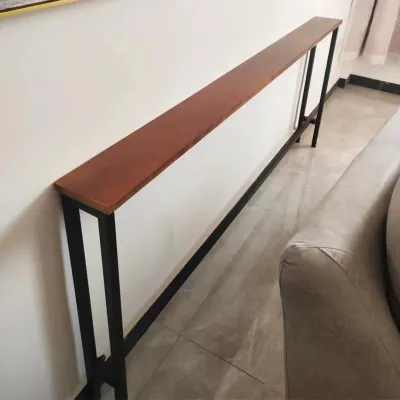
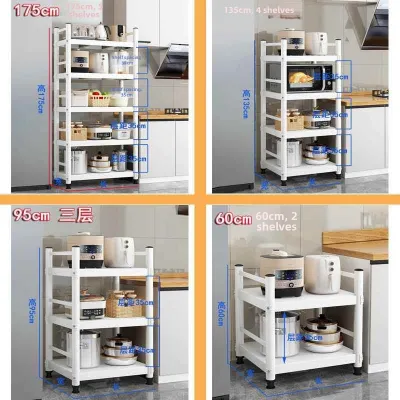
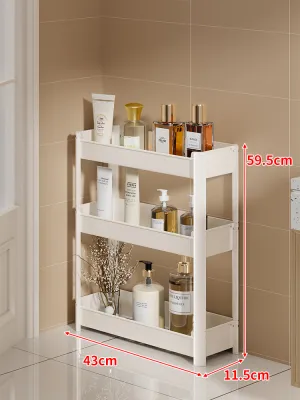
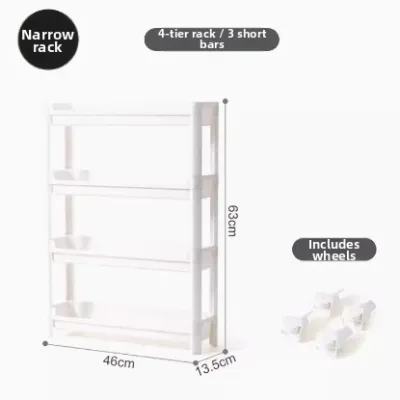
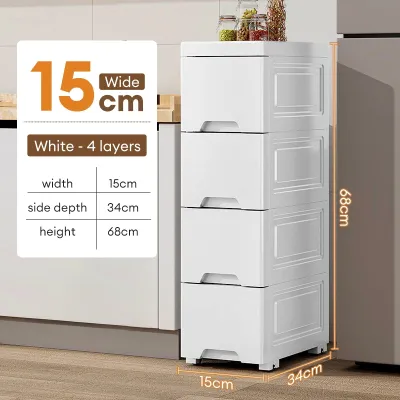
Prices are valid at publication and may change. Please refer to the product page for the latest price.
Locate all power outlets, light switches, and air conditioning trunking within the area. Placing a shelf directly in front of an outlet can bend power cords or block access entirely. If the shelf must cover an outlet, ensure it has an open back or sufficient clearance to allow plugs to remain safely connected without being pinched.
Walkway clearance and door swing paths are critical for maintaining a comfortable living environment. Open every nearby door, drawer, and window to its fullest extent to ensure the new shelf will not obstruct daily movement. In tight corridors or entryways, even a minor protrusion can lead to constant bumps and bruises.
Finally, identify the wall type behind your proposed shelf location. HDB flats and condominiums feature a mix of structural reinforced concrete walls and non-structural partition walls. Structural walls are exceptionally sturdy but require specialized masonry drills and permits for heavy mounting, while non-structural walls require specific hollow-wall anchors to prevent the shelf from pulling loose under load.
Matching Shelf Types to Common HDB and Condo Gaps
Different rooms in a Singapore home present unique environmental challenges that dictate the ideal shelf design. Understanding how moisture, heat, and foot traffic affect different areas allows you to choose a configuration that remains functional and durable over time.

Kitchen and Dining Gap Fillers
The narrow gaps between refrigerators, kitchen counters, and dining tables are prime real estate for slim storage. However, these areas are often exposed to high temperatures and moisture from cooking appliances and sinks. Before placing a shelf near a stove, verify the manufacturer’s guidelines regarding heat exposure to prevent warping or discoloration of the finish.
When choosing between a wheeled pull-out trolley and a fixed-base shelf, consider your cleaning routine. Wheeled units are highly practical for tight kitchen gaps, allowing you to slide the shelf out easily to sweep up dust and food crumbs. However, you must ensure your kitchen flooring is perfectly level so the unit does not roll unexpectedly.
If you opt for a fixed-base shelf, check that the bottom feet are adjustable to compensate for uneven floor tiles. Additionally, verify the total depth of the unit to ensure it does not protrude past your countertops. A shelf that sticks out even slightly can block the opening paths of oven doors, dishwashers, or refrigerator drawers.
Bathroom and Utility Storage
Bathrooms and service yards in Singapore are high-humidity zones that require careful material selection. Standard wood or untreated metal shelves can quickly degrade, warp, or rust when exposed to steam and water splashes. Look for shelves specifically rated for wet environments, and verify that metal components feature rust-resistant powder coatings or anodized finishes.
In utility rooms, narrow shelves are often placed next to washing machines and tumble dryers. These appliances generate significant heat and vibration during operation. Ensure there is adequate ventilation clearance between the appliance and the shelf to prevent heat buildup, which can damage both the machine and the stored items.
Water splash zones and drainage access must also be managed. Avoid placing any shelf directly over floor traps or drainage outlets, as this can obstruct water flow and make cleaning difficult. Choose shelves with elevated legs or water-resistant plastic feet to keep the bottom shelf dry and prevent water from pooling underneath.
Corridor and Entryway Consoles
Foyers and corridors are the first areas guests see, making them popular spots for shallow display shelves. However, because these are high-traffic zones, safety and clearance are paramount. Tall, narrow shelves have a small footprint and a high center of gravity, making them prone to tipping if bumped by passing residents or pets.
To maintain a safe home environment, refer to the Singapore Civil Defence Force (SCDF) guidelines regarding corridor obstructions. Shared common corridors must maintain a minimum clear escape passage to ensure safe evacuation during emergencies. Even within your private entryway, keeping walkways clear prevents accidents and maintains an open, welcoming feel.
To prevent a narrow entryway from feeling cramped, consider the visual weight of the shelf. Open-frame designs with slender metal or wooden supports allow light to pass through, creating an illusion of space. Integrating a mirror above the shelf or choosing a unit with a light-reflective surface can further brighten a dark, narrow hallway.
Ensuring Stability and Load Safety in Narrow Footprints
The primary risk associated with narrow shelving is instability. Because the base of a slim shelf is small relative to its height, the unit is naturally more susceptible to tipping over. Before purchasing, check the manufacturer’s maximum load capacity per tier and the overall weight limit for the entire unit.
Never assume a shelf can support heavy items just because it fits the space. If you plan to store heavy books, ceramic pots, or laundry detergents, distribute the weight strategically. Always place the heaviest items on the lowest shelves to lower the unit’s center of gravity, which significantly improves stability.
For any freestanding narrow shelf that stands taller than one meter, the use of anti-tip kits or wall anchors is highly recommended. This is especially critical in households with young children or active pets who may attempt to climb or pull on the furniture. If drilling into the wall is not an option due to rental agreements or wall constraints, prioritize lower-profile shelves with wider bases.
When assembling the shelf, double-check that all joints, screws, and brackets are tightened securely. Any slight wobble in a narrow frame will become magnified once weight is added to the upper shelves. Periodically inspect the hardware and tighten any loose connections to maintain structural integrity over time.
Choosing Materials and Finishes for Humidity and Space Perception
The materials and finishes you select play a major role in how well the shelf withstands Singapore’s tropical climate and how it affects the perception of space in a small room. Generic material names like “wood” or “metal” do not guarantee durability; instead, look for specific manufacturing treatments.
If you prefer the look of engineered wood, such as MDF or particleboard, verify that the unit features high-quality edge banding. Unsealed edges allow moisture from the humid air to penetrate the core material, leading to swelling, bubbling, and structural failure. For solid wood options, ensure the surface is sealed with a water-resistant varnish or polyurethane coating.
The color and finish of the shelf can dramatically alter the feel of a compact room. Light-colored, glossy, or reflective finishes help bounce natural light around the space, making a narrow gap feel wider and less confined. Conversely, dark, matte finishes tend to absorb light and can make a tight corner feel like a shadow zone.
Consider the ease of maintenance, especially if the shelf is placed near open windows where dust and haze particles accumulate. Smooth, non-porous surfaces like tempered glass, powder-coated steel, or high-pressure laminates are easy to wipe clean with a damp cloth and do not trap dust as easily as rough, unfinished wood textures.
Pre-Purchase and High-Rise Delivery Verification
Living in a high-rise HDB flat or condominium introduces unique logistical challenges when purchasing furniture. Before finalizing your order, verify the packaged dimensions of the shelf. Large flat-pack boxes or pre-assembled units must be able to fit inside your building’s passenger lift and navigate tight corridor corners.
Measure your doorway clearance and the turning radius of your entryway. If the delivery team cannot maneuver the package into your home, you may face costly return fees or delivery surcharges. If you live in a walk-up apartment without lift access, confirm whether the delivery service includes staircase carrying fees.
Assembly space is another frequently overlooked factor. Building a tall, narrow shelf often requires laying the pieces flat on the floor. Ensure you have a clear area in your living room that is larger than the fully assembled dimensions of the shelf. Additionally, check that your ceiling height is sufficient to stand the shelf upright once it is assembled on the floor.
Finally, when purchasing from online marketplaces, carefully review the seller’s return policies and warranty terms. Check customer reviews specifically for feedback on packaging quality and missing hardware. Reliable customer service accessibility is crucial if you need to request replacement parts or return a damaged item.
Frequently Asked Questions (FAQ)
Can I install a wall-mounted narrow shelf on an HDB non-structural wall?
Yes, you can install a wall-mounted narrow shelf on an HDB non-structural wall, but you must use the correct hardware and observe weight limits. Non-structural walls, such as drywall or lightweight concrete partition walls, cannot support heavy loads using standard concrete plugs. Instead, you must use specialized hollow-wall anchors, such as toggle bolts or heavy-duty plasterboard plugs, which expand behind the wall panel to distribute the weight. Always check the manufacturer’s load ratings for both the shelf and the anchors, and avoid storing heavy items on these shelves. If you are unsure of the wall material or plan to store heavy objects, consult a qualified professional installer.
What is the maximum safe depth for a freestanding shelf in a standard HDB corridor?
The maximum safe depth for a freestanding shelf in an HDB corridor depends on maintaining a clear, unobstructed escape path. According to the Singapore Civil Defence Force (SCDF) fire safety guidelines, a minimum clear passage of 1.2 meters must be maintained along common corridors at all times. To determine the maximum safe depth, measure the total width of your corridor and subtract 1.2 meters, while also ensuring the shelf does not obstruct your main door’s swing path or block access for neighbors. If your corridor is exceptionally narrow and cannot accommodate a freestanding shelf while maintaining this clearance, you should prioritize ultra-shallow wall-mounted shelves placed high enough to avoid obstructing foot traffic.

Community discussion
Share your experience or ask a question. Comments are reviewed before publication.