
Finding the right balance between style, comfort, and utility is a common challenge when furnishing modern Singapore apartments. With space at a premium in typical Housing & Development Board (HDB) flats and condominiums, multi-functional furniture has transitioned from a clever design trend to an absolute household necessity. A wooden bench storage unit serves as an elegant, dual-purpose solution that anchors your entryway, bedroom, or living area while keeping everyday clutter neatly out of sight.
Selecting the ideal wooden storage bench requires looking beyond surface aesthetics. Because Singapore’s tropical climate brings high humidity levels year-round, and apartment layouts demand precise spatial planning, buyers must evaluate material durability, structural safety, and ventilation. By focusing on practical design elements and verifying manufacturer specifications, you can find a piece of furniture that not only complements your interior design but also withstands the rigors of daily tropical living.
Key Features to Evaluate in Wooden Storage Benches
When shopping for a wooden storage bench, structural integrity should be your primary consideration. Benches are subjected to dynamic loads every time someone sits down, stands up, or shifts weight while putting on shoes. Rather than assuming a bench is sturdy simply because it looks solid, always verify the manufacturer-stated weight capacity. A reliable multi-functional bench intended for adult seating should typically support a minimum weight capacity of 100 to 120 kilograms for a single seater, and up to 200 kilograms or more for wider, multi-person designs. Checking these specifications in the product manual or retailer datasheet ensures the unit can safely handle daily household use without bowing or cracking over time.
Products mentioned in this guide
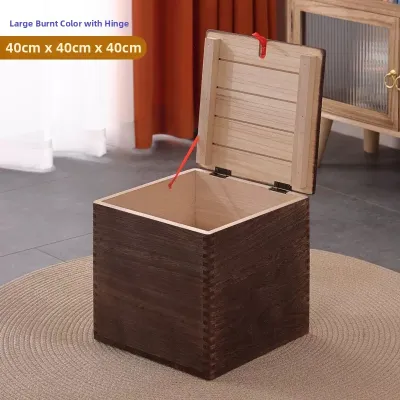
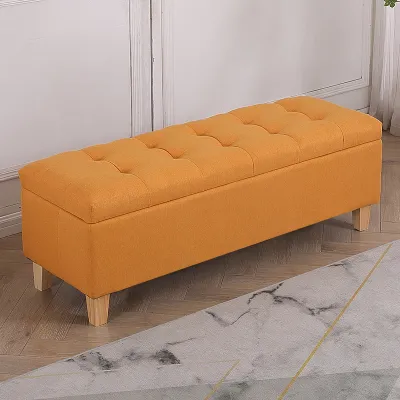
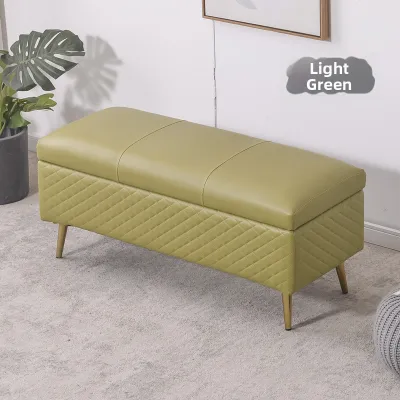
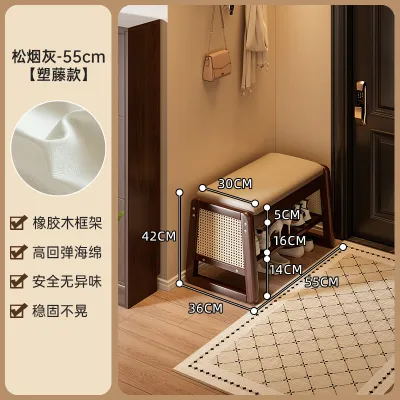
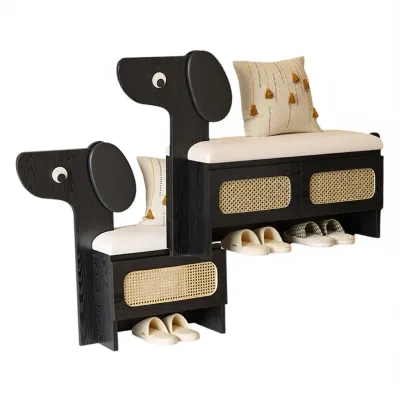
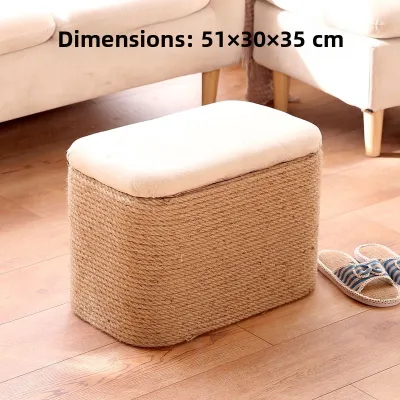
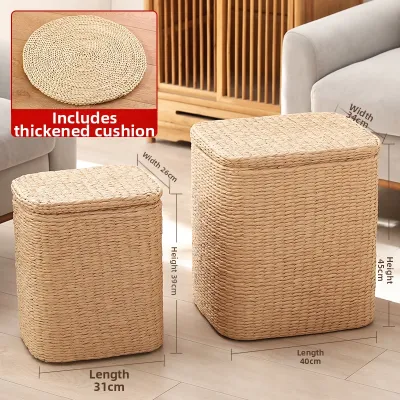
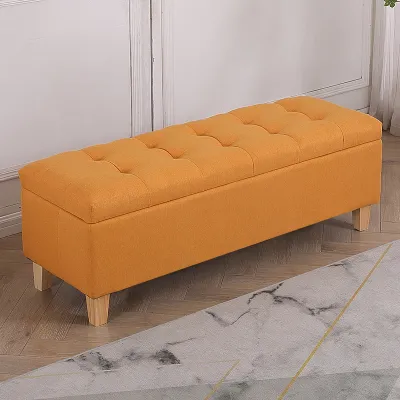
Prices are valid at publication and may change. Please refer to the product page for the latest price.
The choice of wood species and surface treatment is equally critical, especially given the persistent humidity in Singapore. Solid hardwoods such as teak, oak, and rubberwood are highly regarded for their natural density and structural stability. Teak, in particular, contains natural oils that offer inherent resistance to moisture and pests, making it an excellent choice for entryways that may be exposed to damp umbrellas or humid corridor air. If you opt for engineered wood options, such as high-density fiberboard (HDF) or marine-grade plywood, ensure they are finished with high-quality, water-resistant laminates or wood veneers. Always check the product labels for protective surface coatings, such as polyurethane sealants or moisture-resistant lacquers, which act as a barrier against humidity and prevent the wood from absorbing airborne moisture.
Beyond the raw materials, the quality of the joinery and hardware determines how well the bench will age. High-quality wooden furniture relies on robust joinery techniques, such as mortise-and-tenon joints, dowel reinforcements, or heavy-duty metal-to-metal locking bolts. Avoid benches held together solely by basic wood glue, staples, or thin nails, as these connections can quickly loosen under repetitive seating pressure. Examine the hardware closely: hinges, drawer slides, and support brackets should be made of corrosion-resistant metals like stainless steel or powder-coated steel to prevent rust in humid environments. Smooth-gliding drawer runners and soft-close hinges are excellent indicators of thoughtful, durable construction.
Matching Bench Dimensions to Singapore Home Layouts
Before purchasing any furniture, precise spatial planning is essential to ensure the bench fits seamlessly into your home without obstructing daily foot traffic. In many Singapore apartments, the entryway or foyer is a narrow corridor that connects the front door directly to the living room. To maintain a comfortable and safe walkway, measure the available floor space carefully. A standard residential corridor requires a clear walking path of at least 90 centimeters. If your entryway is tight, look for slim-profile benches with a depth of 30 to 35 centimeters, ensuring that the unit does not impede your movement or block the swing arc of your main door, safety gate, or nearby distribution board (DB) box doors.

Delivery logistics are another crucial factor that homeowners often overlook until the delivery team arrives. Because most Singapore residents live in high-rise developments, you must verify building access constraints before finalizing your purchase. Measure the height, width, and diagonal clearance of your apartment building’s passenger lift doors and interior cabin. If you live in a walk-up apartment or have tight stairwell turns, ensure the fully assembled bench or its flat-pack packaging can be safely maneuvered through these spaces. Checking these dimensions beforehand prevents the frustration of delivery failures or unexpected handling fees for difficult access.
Ergonomics should guide your choice of bench height and depth to ensure comfortable seating for all household members. The standard seating height for an entryway bench ranges from 40 to 48 centimeters from the floor, which allows most adults to sit comfortably with their feet flat on the ground while bending over to tie shoes. If the bench includes a padded seat cushion, remember to measure from the floor to the top of the compressed cushion rather than the wooden frame alone. Additionally, ensure the depth of the seat is sufficient to support comfortable sitting without requiring you to lean awkwardly against the wall behind it.
Evaluating Multi-Functional Storage Configurations
Storage benches come in various configurations, and the best choice depends on what you plan to store inside them. For shoe storage, the debate between open shelving and closed cabinets is particularly relevant in Singapore’s climate. Open slatted shelves or cubbies offer maximum ventilation, allowing damp shoes to dry quickly and preventing the buildup of unpleasant odors and mold. However, they keep your footwear visible. Closed cabinets provide a cleaner, more minimalist aesthetic by hiding shoes from view, but they must feature adequate ventilation. Look for closed designs that incorporate slatted doors, mesh panels, or ventilation cutouts on the back panel to facilitate continuous airflow.
If you prefer a bench with a lift-top lid to access a deep, hidden storage compartment, safety and ease of use must be prioritized. Heavy wooden lids can pose a safety hazard, particularly in households with young children or elderly family members. Evaluate the lift-top mechanism to ensure it includes safety stops, gas lift struts, or soft-close friction hinges. These specialized components prevent the lid from slamming shut unexpectedly, holding it securely open at various angles and allowing you to retrieve items with both hands free. High-quality gas struts also reduce the physical effort required to lift heavy solid wood tops, making the storage compartment easily accessible.
For maximum versatility, look for benches that offer adjustable or modular internal storage configurations. Household storage needs inevitably change over time; a bench that holds low-profile flats and sandals today may need to accommodate tall boots, umbrellas, or bulky storage baskets tomorrow. Benches with removable wooden shelves, adjustable peg systems, or modular fabric bins allow you to customize the interior layout as your storage requirements evolve. This adaptability ensures the furniture piece remains highly functional and relevant to your household organization for years to come.
Assembly, Maintenance, and Safety Checks
Once your wooden storage bench arrives, proper assembly and safety checks are vital to ensure long-term stability. If you are assembling the unit yourself, carefully follow the manufacturer’s step-by-step instructions and use the recommended tools. Pay close attention to any requirements for wall-anchoring. While low-profile benches are generally stable, taller units or those featuring integrated coat racks and high backrests can become top-heavy when fully loaded. Utilizing the provided anti-tip hardware to secure the unit to the wall is a simple yet highly effective way to prevent accidental tipping, especially in homes with active pets or children.
During and after assembly, conduct a thorough physical inspection of the bench to identify potential safety hazards. Run your hands along the edges and corners to check for any splinters, rough patches, or sharp corners that could snag clothing or cause minor injuries. Inspect all moving parts, including drawers, cabinet doors, and lift-top lids, to ensure they operate smoothly without catching. Check for potential pinch points around hinges and sliding mechanisms, and instruct family members on how to operate them safely. Periodically inspect and tighten all screws and connection bolts, as the physical stress of daily seating can gradually loosen hardware over time.
Maintaining the beauty and structural integrity of your wooden bench in a humid climate requires consistent, gentle care. Clean the wooden surfaces regularly using a dry or slightly damp microfiber cloth to remove dust and dirt; avoid saturated cloths, as excess water can seep into joints and cause the wood to swell or warp. Refrain from using harsh chemical cleaners, abrasive scrubbing pads, or ammonia-based products that can strip away the protective varnish or wax finish. To combat localized humidity, consider placing small, rechargeable dehumidifier packs or silica gel sachets inside closed storage compartments. Keeping the bench out of direct sunlight and away from the direct blast of air conditioning units will also help prevent the wood from drying out unevenly, cracking, or fading.
Frequently Asked Questions (FAQ)
How do I prevent wood warping in Singapore's humid climate?
Preventing wood warping in Singapore’s humid environment requires active moisture management and proper placement. Ensure your wooden storage bench is placed in a well-ventilated area of the home where air can circulate freely, and avoid positioning it directly beneath air conditioning vents or in spots that receive intense, direct afternoon sunlight, as extreme temperature fluctuations can cause wood to expand and contract rapidly. Always follow the manufacturer’s specific care guidelines regarding the application of wood polishes, natural oils, or protective waxes, which help seal the wood pores against airborne moisture. Additionally, using home dehumidifiers or placing moisture-absorbing canisters inside closed storage compartments can significantly reduce the risk of humidity-related warping.
What is the standard seating height for a storage bench?
The standard seating height for a multi-functional storage bench typically ranges between 40 and 48 centimeters from the floor to the top of the seating surface. This height range is ergonomically optimized for the average adult, allowing you to sit comfortably with your knees bent at a natural 90-degree angle and your feet resting flat on the floor, which provides the ideal posture for putting on or removing footwear. When browsing product options, always verify the exact dimensions on the manufacturer’s specification sheet, keeping in mind that if the bench includes a removable fabric or leather cushion, you should factor in the cushion’s thickness to determine the actual, active seating height.

Community discussion
Share your experience or ask a question. Comments are reviewed before publication.