
Selecting the right dining chairs is a pivotal decision when furnishing a modern Singaporean home. With urban living spaces like HDB flats and condominiums prioritizing smart layouts and multi-functional designs, dining furniture must balance aesthetic appeal with everyday durability. Plastic dining chairs have transitioned from simple, utilitarian seating into highly sophisticated design statements. Modern manufacturing techniques allow for beautiful curves, matte textures, and structural integrity that complement contemporary interiors. By understanding the available styles, verifying material quality, and planning your space carefully, you can find plastic seating that elevates your dining room while standing up to the demands of daily life.
When shopping for plastic dining chairs, the goal is to find pieces that harmonize with your overall interior theme while offering practical benefits like easy cleaning and lightweight mobility. Because Singapore’s tropical climate brings high humidity, plastic is an exceptionally resilient material choice that will not warp, rot, or attract pests. However, not all plastic chairs are created equal. Navigating the market requires a keen eye for design silhouettes, construction standards, and spatial dimensions to ensure your investment is both beautiful and long-lasting.
Identifying Modern Styles for Plastic Dining Chairs
Modern plastic dining chairs come in a diverse array of design languages, each bringing a distinct visual energy to the dining space. One of the most popular styles is the minimalist or Scandinavian silhouette, characterized by molded single-shell designs. These chairs feature a continuous seat and backrest molded from a single piece of polymer, creating a seamless visual flow. The lack of joints or crevices not only offers a clean, uncluttered look that suits minimalist HDB interiors but also makes the chairs incredibly easy to wipe down. Their organic curves soften the sharp, linear angles often found in modern dining tables and cabinetry.
Products mentioned in this guide
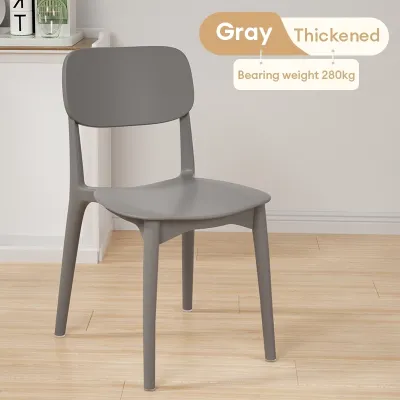
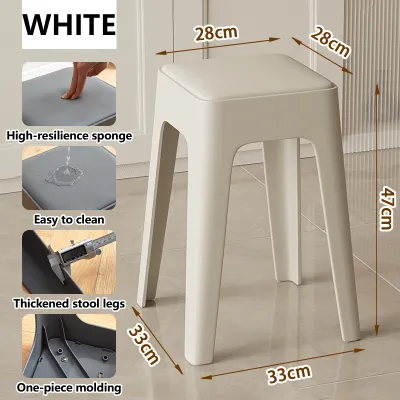
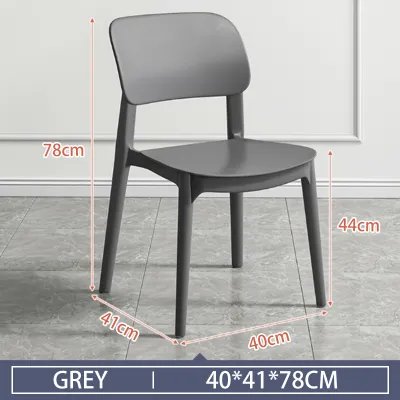
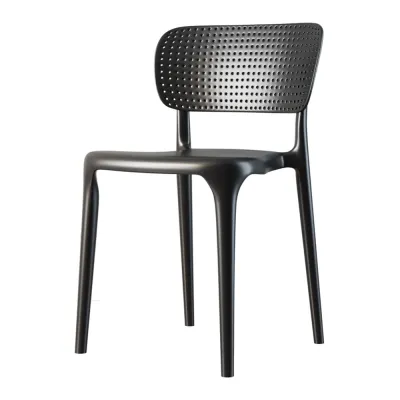
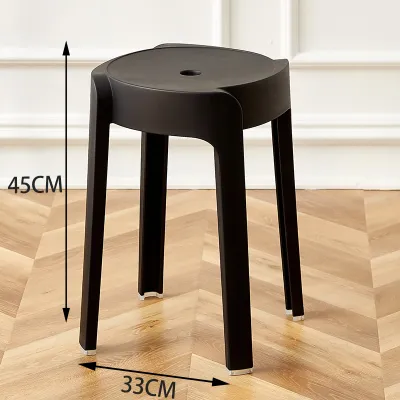
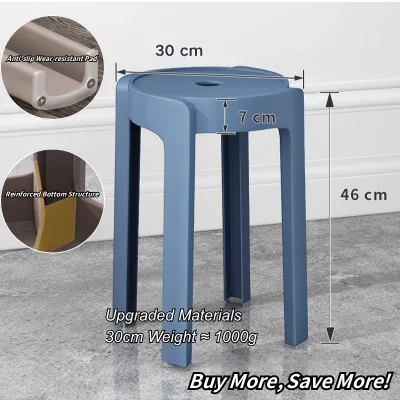
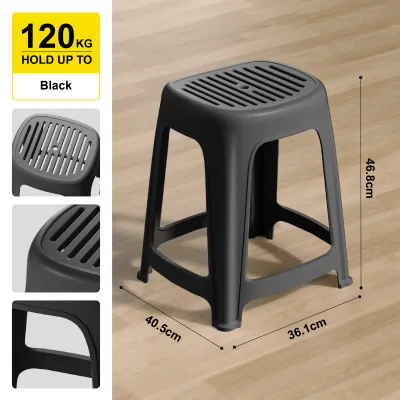
Prices are valid at publication and may change. Please refer to the product page for the latest price.
For those who appreciate a touch of vintage warmth, mid-century modern designs offer an excellent balance of materials. These chairs typically pair an ergonomic plastic shell seat with contrasting legs made of tapered wood or architectural metal wire. The combination of organic plastic curves with the natural grain of solid wood or the industrial edge of powder-coated steel prevents the dining area from feeling sterile. This style is highly versatile, bridging the gap between cozy, wood-heavy interiors and sleek, modern design schemes.
Contemporary dining spaces also benefit greatly from textured or matte-finish plastic chairs. Unlike older, glossy plastic furniture that can look cheap and reflect harsh overhead lighting, modern matte finishes diffuse light beautifully. These textured surfaces offer a sophisticated, tactile feel and are highly practical for busy households, as they are far more resistant to showing fingerprints, smudges, and minor surface scuffs. Matte chairs in earthy tones, muted pastels, or deep charcoal can serve as subtle anchor pieces around a concrete, glass, or wooden dining table.
In compact dining nooks or open-concept apartments, transparent or polycarbonate styles—often referred to as ghost chairs—are highly effective design tools. Made from crystal-clear or tinted polycarbonate, these chairs allow light to pass through them completely. By minimizing visual weight, they create an illusion of spaciousness, making a small dining area feel open and airy rather than cramped. Transparent chairs also add a touch of modern glamour and pair exceptionally well with metallic accents, glass-topped tables, and minimalist decor.
Evaluating Brand Quality and Construction Standards
To ensure your plastic dining chairs endure years of daily use, it is essential to look beyond aesthetics and evaluate the quality of the materials and construction. High-quality plastic chairs are typically made from high-density polymers such as polypropylene (PP) or polycarbonate (PC). Polypropylene is highly flexible, impact-resistant, and virtually shatterproof, making it the industry standard for durable, matte-finished seating. Polycarbonate, used for transparent designs, offers incredible structural strength and rigidity. When evaluating chairs, avoid low-grade, unbranded plastics, which are often thin, brittle, and prone to cracking under pressure or yellowing rapidly over time.

Another critical area to inspect is the joint construction and hardware quality, particularly where the plastic seat shell connects to the supporting base or legs. On premium chairs, this connection is reinforced with heavy-duty metal mounting plates and threaded metal inserts molded directly into the plastic shell. This prevents the screws from stripping the plastic over time. Avoid chairs where screws are driven directly into the plastic material without metal inserts, as these joints will inevitably loosen, wobble, and compromise the safety of the chair under regular use.
Reputable manufacturers demonstrate confidence in their products by providing clear specifications, including maximum weight capacity labels and structural warranties. When browsing options, look for brands that specify a weight capacity of at least 110 to 150 kilograms for standard residential use. Additionally, if you have a flexible dining space or host guests frequently, check if the chairs are designed to be stackable. True stackable designs feature protective bumpers or specific molding contours that prevent the chairs from scratching each other when nested.
Finally, verify the brand’s transparency regarding material sourcing and safety certifications. High-quality furniture brands often subject their products to rigorous independent testing, such as EN 16139 (the European standard for strength, durability, and safety in non-domestic seating) or ANSI/BIFMA standards. Brands that openly share their testing compliance and use non-toxic, recyclable, or UV-stabilized polymers offer greater peace of mind, ensuring that your dining chairs are safe for your family and built to last.
Space Planning and Sizing for Singapore Homes
Successful space planning is crucial when integrating plastic dining chairs into Singaporean homes, where dining areas are often integrated into living rooms or kitchen walkways. The first step is to measure your dining table height and calculate the ideal seat-to-table clearance. Standard dining tables in Singapore typically stand between 74 and 76 centimeters high. To ensure comfortable legroom, look for chairs with a seat height of approximately 43 to 45 centimeters. This leaves a comfortable clearance of 30 centimeters between the top of the chair seat and the underside of the table apron, allowing diners to sit comfortably without their thighs feeling pressed against the table.
Next, account for the width of the chairs and the overall footprint of your dining set. Standard armless plastic chairs usually range from 45 to 50 centimeters in width, while chairs with armrests can easily exceed 55 to 60 centimeters. To prevent a cramped dining experience, allow at least 60 centimeters of table width per person. If you are choosing armchairs, ensure that the armrests are low enough to slide fully underneath your dining table when the chairs are not in use; otherwise, they will protrude into your living space and obstruct walkways.
Do not forget to calculate the necessary pull-out space behind the dining table. To allow a person to comfortably push back their chair, stand up, and exit the table, you need a minimum clearance of 75 to 90 centimeters between the edge of the table and the nearest wall, sideboard, or hallway boundary. If space is exceptionally tight, opting for armless, lightweight plastic chairs is highly advantageous, as they can be tucked completely under the table when the meal is over, freeing up valuable floor space for daily foot traffic.
Before finalizing your purchase, consider the logistics of delivery and assembly. If you are purchasing pre-assembled plastic chairs, measure your home’s entryways, hallway corners, and elevator door dimensions to ensure the delivery team can navigate the pieces into your home without damaging the walls or the furniture. If access is tight, flat-packed chairs that require simple home assembly may be a more practical option. Alternatively, choosing lightweight, stackable plastic designs allows you to store extra seating in a utility closet or balcony corner, bringing them out only when hosting larger gatherings.
Maintaining and Caring for Plastic Seating
While plastic dining chairs are celebrated for their low-maintenance nature, establishing a proper care routine will preserve their finish and extend their lifespan. For daily cleaning, a simple wipe-down with a soft microfiber cloth dampened with warm water and a few drops of mild dish soap is highly effective. Avoid using abrasive scrubbing pads, steel wool, or harsh chemical cleaners containing bleach, ammonia, or solvents. These abrasive materials can create micro-scratches on both glossy and matte plastic surfaces, dulling the finish and making the material more susceptible to trapping dirt over time.
Protecting your plastic chairs from environmental factors is also essential for maintaining their structural integrity and color. Although plastic is highly moisture-resistant, prolonged exposure to direct, intense sunlight through large windows or on balconies can cause UV degradation. Over time, UV rays can cause vibrant colors to fade, white plastics to turn yellow, and the polymer structure to become brittle and prone to cracking. If your dining area is positioned near a sunny window, consider installing sheer curtains, blinds, or UV-filtering window films to protect your furniture.
It is also important to observe the manufacturer’s guidelines regarding heat resistance. While modern polymers are designed to withstand normal indoor temperatures, placing extremely hot items—such as pots, pans, or freshly boiled kettles—directly onto a plastic chair seat can cause localized melting, warping, or permanent discoloration. Always use heat-resistant trivets or coasters if you need to place hot serving dishes near your seating, and avoid leaving high-heat styling tools or appliances on the chairs.
Lastly, perform periodic structural inspections to ensure your dining chairs remain safe and stable. Every six months, check the underside of each chair to ensure that the screws connecting the seat shell to the legs are tight. If you notice any wobbling, gently tighten the hardware using the appropriate tools, taking care not to overtighten and strip the threads. Additionally, inspect the floor protectors or glides on the bottom of the chair legs. Worn-out or missing glides can scratch your flooring and cause the chair to slide unevenly, so replace them promptly to protect both your chairs and your home’s floors.
Frequently Asked Questions (FAQ)
Are plastic dining chairs durable enough for daily family use?
Yes, high-quality plastic dining chairs are exceptionally durable and well-suited for active, daily family use. To ensure long-term durability, look for chairs molded from commercial-grade polymers like glass-fiber reinforced polypropylene, which offers superior structural strength and resistance to flexing. Always check the manufacturer’s stated weight capacity and structural warranty terms before purchasing. Unlike upholstered or wooden chairs, high-grade plastic chairs resist staining from spilled food and drinks, making them an incredibly practical and hygienic choice for households with young children or pets.
How do I prevent plastic chairs from scratching my flooring?
To protect your floors from scratches, ensure that your plastic chairs are fitted with appropriate floor protectors compatible with your specific flooring material. For hard surfaces like vinyl, laminate, or parquet wood flooring, high-quality felt pads are highly recommended as they allow the chairs to slide smoothly and quietly. For tiled floors, durable rubber or polyurethane caps offer excellent grip and protection. Remember to inspect these floor protectors every few months, as they can accumulate dust and grit over time or wear down, requiring timely replacement to maintain their protective barrier.

Community discussion
Share your experience or ask a question. Comments are reviewed before publication.