
To maximize the limited floor area in Singapore’s HDB flats and condominiums, utilizing the empty space beneath your bed frame is a highly effective strategy. Low-profile plastic storage drawers offer a lightweight, moisture-resistant, and dust-proof solution for keeping extra linens, seasonal clothing, and household essentials organized and out of sight. However, finding the right drawers requires more than a casual guess at your bed’s height. Because standard bed frames vary significantly in design and clearance, selecting the wrong storage unit can lead to scraped floors, jammed drawers, or containers that simply do not fit. By focusing on precise measurements, material specifications, and structural designs, you can identify the ideal plastic drawers that slide effortlessly under your bed while keeping your belongings secure.
Measuring Your Under-Bed Clearance and Available Space
Before browsing online marketplaces or visiting local home furnishing stores, you must establish the exact physical boundaries of your under-bed space. Begin by measuring the vertical clearance from the floor to the absolute lowest point of your bed frame. Do not rely solely on the manufacturer’s listed bed height, as center support beams, mattress slats, and corner brackets often protrude lower than the outer side rails. If your bed frame utilizes a flexible slatted base, place your mattress on the frame and measure the clearance while the bed is weighted, as the slats may sag slightly under the load.
Next, account for the flooring material and any potential obstructions. If you have a thick rug partially under the bed, measure the clearance from the top of the rug to the bottom of the frame. Even on hard floors like vinyl, parquet, or polished tiles, minor floor unevenness can cause a tightly fitted drawer to scrape against the underside of the bed. To prevent this, subtract a safety margin of at least 1.5 to 2 centimeters from your total measured height to determine the maximum allowable exterior height of your plastic drawers.
Products mentioned in this guide
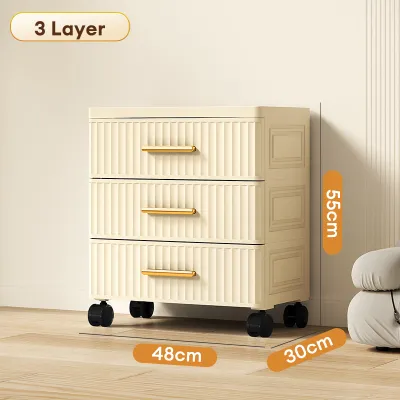
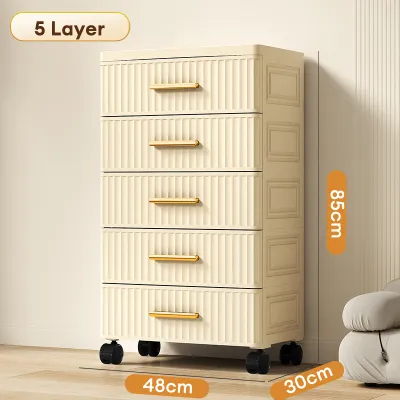
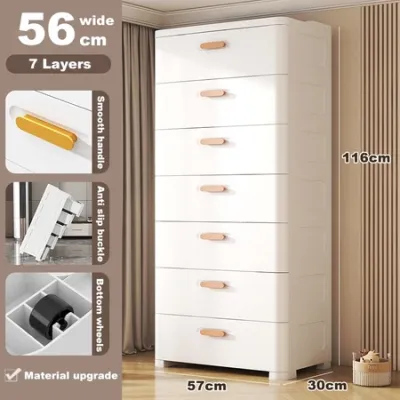
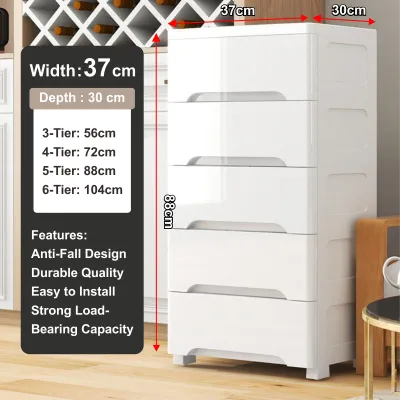
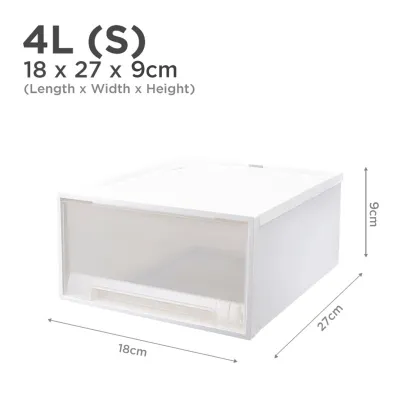
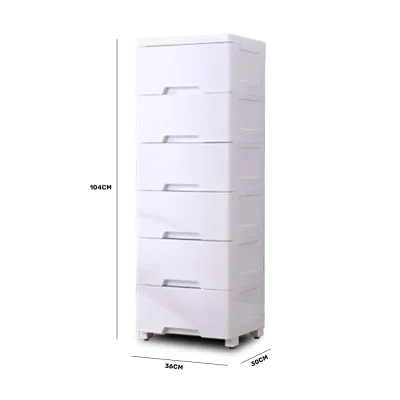
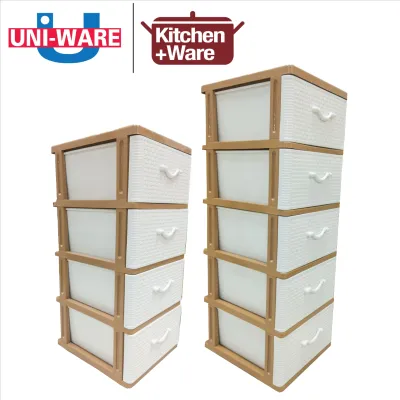
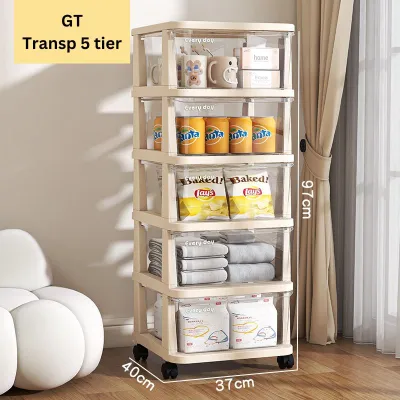
Prices are valid at publication and may change. Please refer to the product page for the latest price.
Horizontal dimensions are equally critical for ensuring that the drawers are fully functional. Measure the depth from the edge of the bed frame to the center support legs or the opposite side of the bed. This depth determines the maximum length of the storage boxes you can accommodate. Additionally, check the clearance space beside the bed. You must have enough open floor space to pull the drawers out completely without hitting bedside tables, wardrobes, or bedroom doors. In compact Singapore bedrooms, sliding wardrobe doors or folding room doors can help preserve this necessary clearance.
Finally, consider the logistics of moving the storage units into your home. While individual plastic drawers are lightweight, buying them in bulk or as pre-assembled multi-drawer units can result in bulky packages. Verify the widths of your doorways, hallways, and the residential elevator to ensure that the delivery can easily reach your bedroom. Taking these precise measurements beforehand eliminates the hassle of returning bulky items that fail to fit your layout.
Key Specifications to Evaluate in Low-Profile Plastic Drawers
When evaluating low-profile plastic storage drawers, it is essential to distinguish between exterior dimensions and interior usable space. Manufacturers always list the maximum exterior dimensions, which include the lid, outer frame, and any attached wheels or rollers. However, the internal depth of the drawer is often significantly shallower due to reinforced structural ribs on the bottom, recessed wheel wells, and the thickness of the drawer slide mechanism. If you plan to store bulky items like winter duvets or thick bath towels, ensure the internal height is sufficient to prevent the contents from being compressed or catching on the bed frame above.

The quality and type of plastic used in construction directly impact the drawer’s durability and performance. Most under-bed drawers are made from polypropylene (PP), which is favored for its flexibility, lightweight nature, and resistance to moisture. When shopping, check the manufacturer’s specifications for wall thickness and load capacity. Thinner plastic walls are prone to bowing or warping when filled with heavy items like books, files, or winter coats. Look for drawers that feature reinforced corners and a grid-like ribbing pattern on the underside, which distributes weight more evenly and prevents the base from sagging over time.
The glide mechanism is another critical specification that determines how easily you can access your stored items. Low-profile drawers typically feature either flat bottoms, small built-in rollers, or multi-directional caster wheels. Flat-bottomed drawers maximize internal storage space but can be difficult to slide on carpeted floors and may scratch delicate hardwood or vinyl. Drawers with integrated rollers or wheels offer much smoother movement, but you must verify whether the listed exterior height includes the wheels. If the wheels are detachable, you can choose to remove them to gain extra clearance, provided the base does not drag on the floor.
Lastly, examine the lid and opening design of the storage unit. Under-bed plastic storage generally falls into two categories: independent lidded boxes and drawer-in-frame units. Lidded boxes require you to pull the entire container out from under the bed and unlatch the lid to access the contents. Some lidded designs feature a split or hinged lid, allowing you to open just one half of the box without pulling it out completely. Drawer-in-frame units, on the other hand, consist of an outer plastic shell that remains stationary under the bed while the inner drawer slides out. While drawer-in-frame units offer superior convenience, they typically require more vertical clearance than simple lidded boxes.
Building a Condition-Based Shortlist for Your Bedroom
To streamline your search on e-commerce platforms or in physical retail stores, you should establish a strict filtering process based on your bedroom’s specific conditions. Start by setting your maximum height threshold as a non-negotiable filter. If your bed frame has a clearance of 15 centimeters, immediately exclude any product with an exterior height of 13.5 centimeters or more. This strict filtering prevents you from falling in love with a product that will ultimately scrape against your bed frame or get stuck when fully loaded.
Next, decide on the level of transparency that best suits your aesthetic and organizational preferences. Transparent or clear plastic drawers allow you to perform quick visual inventory checks without having to pull the drawers out and open them. This is highly practical for storing kids’ toys, craft supplies, or seasonal clothing. However, if your bed frame does not have a bed skirt or valance to hide the storage units, clear drawers can make the bedroom look cluttered. In such cases, prioritize opaque white, grey, or frosted plastic drawers that blend seamlessly with your bedroom decor and keep your stored items hidden from view.
Modular and stackable designs offer excellent long-term versatility. Look for plastic drawers that are designed to lock securely into one another when stacked. This modularity allows you to configure the storage layout to fit your current bed frame, and easily repurpose the drawers as freestanding storage tower units in a wardrobe or utility closet if you change your bed frame in the future. Choosing a reputable brand or a standardized product line also ensures that you can purchase matching units later if your storage needs expand.
Before making a final purchase, leverage user reviews on online marketplaces to identify potential structural weaknesses. Search the reviews specifically for keywords like “warping,” “wheel,” “lid,” or “sagging.” Pay close attention to feedback from buyers who have used the drawers for several months. If multiple reviews mention that the plastic lid warps under light pressure, or that the wheels break off easily on tiled floors, it is a strong indication that the product may not hold up to daily use. Cross-referencing these real-world observations helps you avoid low-quality plastics that degrade quickly in Singapore’s warm and humid climate.
Setup, Maintenance, and Safety Considerations
Once you have selected and received your low-profile plastic storage drawers, proper setup and maintenance will extend their lifespan and protect your bedroom environment. When packing the drawers, distribute the weight of your items evenly across the base. Avoid placing all heavy items, such as books or winter jackets, in one corner or in the center of the drawer. An uneven load can cause the plastic base to bow downward, which increases friction against the floor and can eventually lead to cracking or structural failure of the wheels.
Regular cleaning is essential for maintaining smooth drawer operation, especially since the area under the bed is a primary accumulation zone for dust, hair, and lint. Over time, these particles can wrap around drawer wheels or build up in the floor tracks, causing the sliding mechanism to jam or drag. Every few weeks, pull the drawers out completely, vacuum the floor beneath the bed, and wipe down the drawer wheels and tracks with a damp microfiber cloth. This simple routine prevents abrasive dust from scratching your floors and ensures the drawers continue to glide effortlessly.
Avoid the temptation to overfill your plastic drawers. Packing items past the fill line can force the plastic lid to bow upward, which increases the total height of the unit and may cause it to scrape against the bed frame. Overfilling also puts excessive pressure on the locking clips or latches, leading to broken tabs or lids that pop open unexpectedly, exposing your clean linens to dust. If you find yourself struggling to close the drawer, it is a sign that you need to declutter or distribute the items into an additional storage unit.
Finally, conduct a quick safety inspection of any new plastic drawers before sliding them under your bed. Run your hand along the edges and corners to check for sharp plastic flashing left over from the manufacturing mold. Sharp edges can snag delicate bedding, scratch your hands during use, or leave deep gouges on vinyl and hardwood floors. If you detect any rough spots, you can carefully smooth them down with a fine-grit sandpaper or a utility knife before placing the drawers in your bedroom.
Frequently Asked Questions (FAQ)
How do I prevent plastic drawers from scratching hard floors?
To protect delicate hard floors like parquet, vinyl, or polished marble from scratches, check the bottom of the plastic drawers before installation. If the drawers have a flat base without wheels, you can apply aftermarket adhesive felt pads or specialized floor protectors to the bottom corners and along the runners. These pads allow the plastic to slide smoothly across the floor without direct, abrasive contact. If the drawers are equipped with wheels, ensure that the wheels are made of a soft, non-marking material such as polyurethane or rubber rather than hard, rigid plastic. Regularly inspect the wheels to ensure they rotate freely and have not trapped small grit or dirt particles, which can act like sandpaper against your flooring when the drawer is pulled.
Are wheels or casters necessary for under-bed storage?
Whether you need wheels or casters depends on your physical comfort, the weight of the stored items, and your bedroom layout. Drawers with wheels are highly recommended if you plan to store heavy items, as they significantly reduce the physical effort required to pull the drawer out and push it back in. They are also ideal for deep bed frames where you must reach far underneath. However, wheeled drawers do require slightly more vertical clearance, as the wheels raise the base of the drawer off the floor. If your bed frame has extremely low clearance, flat-bottomed drawers may be your only option, as they maximize the internal storage height. Flat-bottomed units are perfectly suitable for light items like bedsheets or off-season clothing, provided you protect your floors from friction.
How can I keep dust out of under-bed plastic drawers?
The space under a bed is naturally prone to dust accumulation, making dust prevention a key priority for stored textiles. To keep your items clean, choose plastic drawers that feature tight-fitting, snap-lock lids rather than loose, slip-on covers that can easily shift or gap when the drawer is moved. Look for designs that incorporate overlapping lip edges or deep grooves along the rim, which create a physical barrier against dust ingress. For maximum protection, you can also place your linens or clothing inside zippered fabric storage bags or vacuum-sealed bags before placing them inside the plastic drawers. Finally, maintaining a consistent vacuuming schedule around and under the bed frame will drastically reduce the ambient dust levels in your bedroom.

Community discussion
Share your experience or ask a question. Comments are reviewed before publication.