
Finding a highly functional seating arrangement for a Singapore Housing & Development Board (HDB) flat requires a delicate balance of spatial efficiency, comfort, and environmental resilience. While a large, plush sectional might look inviting in a showroom, it can quickly overwhelm the limited footprint of a modern 3-room or 4-room BTO living room. This is where a fabric mini sofa chair becomes an invaluable asset, offering a dedicated spot for relaxation without sacrificing precious floor space. Selecting the right chair is not merely a matter of picking a pleasing color; it requires a systematic evaluation of your home’s physical dimensions, the local tropical climate, and your household’s daily habits.
To make an investment that stands the test of time, you must look closely at how a mini sofa chair interacts with your specific living environment. From the humidity levels that characterize Singapore’s weather to the tight corners of HDB corridors and lifts, every detail plays a role in the long-term utility of your furniture. By focusing on verifiable specifications, precise measurements, and practical fabric characteristics, you can confidently choose a piece that enhances both the functionality and aesthetic appeal of your living room.
Understanding HDB Living Room Constraints
Modern HDB living rooms are designed with efficiency in mind, which means every square meter must be carefully allocated. Before browsing online marketplaces or visiting local furniture showrooms, you must establish the exact physical boundaries of your proposed seating area. Use a physical measuring tape to map out the floor space, taking care to account for the swing radiuses of balcony doors, main entrance doors, and nearby cabinet doors. It is a common mistake to rely solely on the floor plans provided during the BTO key collection, as actual wall-to-wall dimensions can vary slightly after plastering, screeding, and the installation of skirting boards.
Products mentioned in this guide
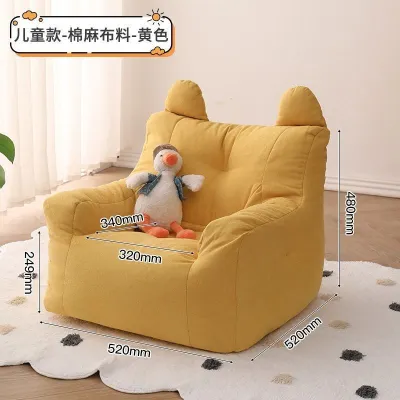
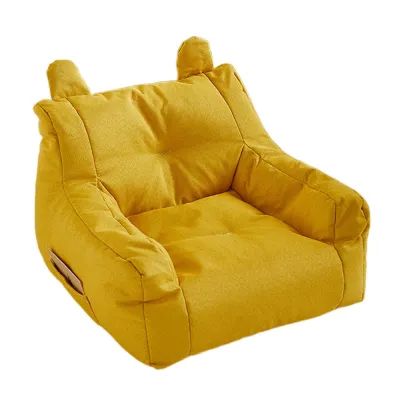
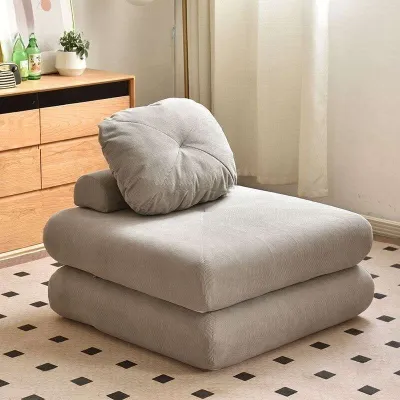
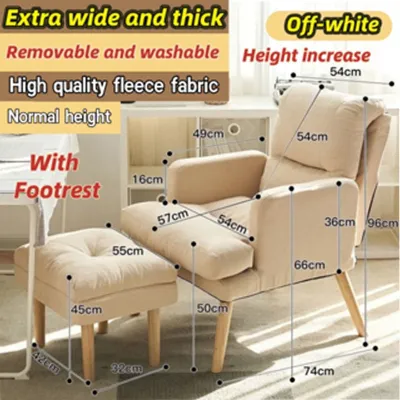
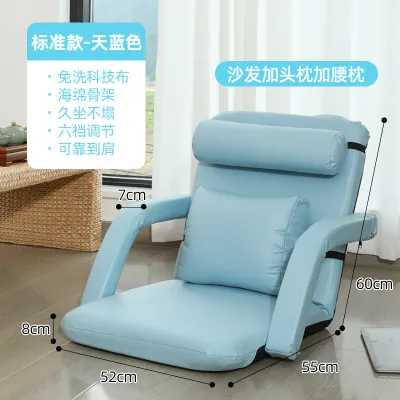
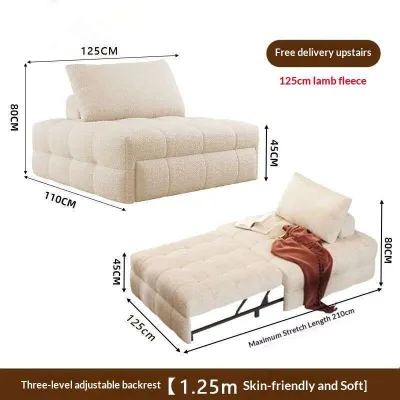
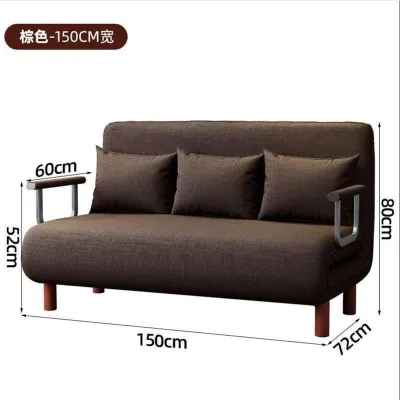
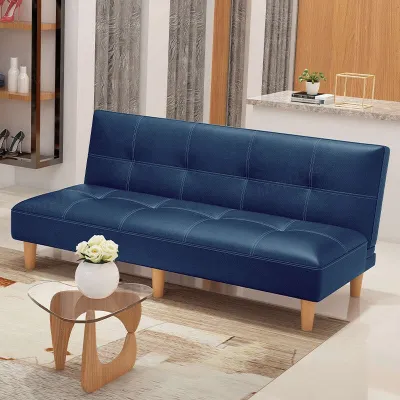
Prices are valid at publication and may change. Please refer to the product page for the latest price.
When planning the placement of your mini sofa chair, map out clear walking paths to ensure smooth foot traffic. A standard recommendation is to maintain a clearance corridor of at least 60 to 75 centimeters around major furniture pieces. If your living room layout requires walking past the chair to access the kitchen, balcony, or bedrooms, squeezing a bulky chair into a tight spot will create a constant physical bottleneck. Mark the proposed footprint of the chair on your floor using low-tack masking tape; this simple visual aid allows you to physically walk around the space and assess whether the placement feels natural or restrictive.
Beyond physical dimensions, the visual weight of the chair significantly influences how spacious your living room feels. In compact HDB layouts, furniture that sits flush against the floor can block sightlines and make the room appear smaller and darker. To counter this, look for mini sofa chairs designed with raised legs—whether crafted from solid wood or slender metal. Elevating the body of the chair off the ground allows light to pass underneath, creating an illusion of openness. Additionally, consider the height of the backrest; a low-profile backrest keeps sightlines open across the room, whereas a tall, solid wingback chair can act as an unintentional visual barrier if placed in the center of the space.
Environmental factors within your HDB flat also dictate where the chair should be positioned. Placing a fabric chair directly beneath an air-conditioning unit exposes the upholstery to potential water drips from condensation or maintenance leaks. Conversely, positioning the chair too close to a large, unshaded window exposes the fabric to intense afternoon sun, which can accelerate the degradation of both the fibers and the internal foam cushioning. High-traffic zones near entryways or dining tables also increase the likelihood of accidental bumps, dust accumulation, and spills, making these areas less ideal for delicate or light-colored fabrics.
Evaluating Fabric Types for a Tropical Climate
Singapore’s tropical climate, characterized by high temperatures and relative humidity levels that frequently exceed 80 percent, presents a unique challenge for fabric furniture. In humid environments, dense or poorly ventilated fabrics can trap moisture, body oils, and sweat, creating an ideal breeding ground for dust mites, mold, and musty odors. Rather than assuming a material is suitable based on its generic name—such as “linen” or “cotton”—you must inspect the manufacturer’s technical specifications and care labels to verify its performance under humid conditions.

When evaluating fabric options, prioritize breathability and moisture management. Synthetic blends that incorporate high-quality polyester, nylon, or acrylic are often engineered to resist moisture absorption, making them highly resilient in tropical climates. Look for fabrics with a loose, breathable weave that allows air to circulate freely through the cushions. If you prefer natural fibers, seek out cotton or linen blends that have been treated with moisture-repellent finishes. Avoid heavy, tightly woven fabrics like thick velvet or dense chenille unless your living room is consistently air-conditioned, as these materials tend to retain heat and feel uncomfortably warm against the skin.
Maintenance is another critical factor when choosing fabric upholstery for an HDB home. Removable and machine-washable covers offer the highest level of practical convenience, allowing you to easily wash away sweat, dust, and accidental spills. Check the manufacturer’s care instructions to confirm if the covers can be washed in a standard home washing machine or if they require specialized dry cleaning. If the chair features fixed upholstery, verify if the fabric has been pre-treated with a stain-resistant barrier. Be cautious of claims regarding universal stain resistance; instead, look for specific instructions on how to spot-clean common household spills using mild detergents or water-based cleaning agents.
Sunlight exposure is a major contributor to the premature aging of fabric furniture in Singapore. If your mini sofa chair will be positioned near a window, check the fabric’s colorfastness to light rating, which is typically measured on a scale of 1 to 8 (with 8 being the most resistant to fading). A rating of 5 or higher is recommended for rooms that receive moderate to high levels of natural daylight. Additionally, look for UV-resistant labels on performance fabrics, as these materials are specifically formulated to resist the yellowing and fiber weakening caused by prolonged exposure to ultraviolet rays.
Checking Dimensions, Clearance, and Ergonomics
A mini sofa chair must not only fit your living room layout but must also be physically capable of entering your home. Many homeowners overlook the logistical constraints of high-rise living, only to find that their newly purchased furniture cannot fit into the HDB passenger lift or turn the tight corners of the common corridor. Before placing an order, obtain the exact packaged dimensions of the chair from the retailer. Measure the height, width, and diagonal clearance of your building’s lift doors, the interior cabin space of the lift, your front gate, and your main wooden door frame.
Once you have confirmed that the chair can safely enter your home, evaluate its physical dimensions against the ergonomic needs of your household. A “mini” sofa chair often achieves its compact footprint by reducing the seat depth, backrest height, or armrest width. While a shallow seat depth of 45 to 50 centimeters is excellent for upright sitting and formal conversations, it may feel restrictive if you prefer to curl up or lounge. For a more relaxed seating experience, look for a seat depth of 52 to 58 centimeters, paired with a supportive backrest that aligns with your natural spinal curve.
The width of the armrests is another area where manufacturers optimize space. Wide, padded armrests offer a comfortable resting place for your arms or a tablet, but they add significant overall width to the chair without increasing the actual seating area. In a tight HDB living room, choosing a chair with slim, structured armrests—or even an armless design—can save up to 15 centimeters of overall width, allowing you to maximize the usable seating space within a smaller physical footprint.
If you are considering a mini sofa chair with specialized features, such as a manual reclining mechanism, a swivel base, or an integrated footrest, you must account for the additional operational clearance required. A reclining chair cannot sit flush against a wall; it typically requires a clearance zone of 15 to 30 centimeters behind the backrest to recline fully. Similarly, an extending footrest requires unobstructed space in front of the chair. Ensure that these operational zones do not overlap with main walking paths, coffee tables, or television consoles when the chair is in its fully extended position.
Building a Conditional Shortlist for Your Space
To streamline your decision-making process, establish a structured framework to filter and categorize potential mini sofa chair options based on your specific layout and lifestyle requirements. Rather than searching for a universally perfect chair, focus on finding the option that most closely matches your primary usage scenario. For example, if you are setting up a cozy reading zone in a quiet corner, your priorities will differ significantly from someone looking for a flexible, multi-purpose seat to accommodate extra guests in a high-traffic family room.
Let’s organize these selection criteria into a clear comparison framework to help you evaluate different configurations:
| Chair Configuration | Ideal Placement | Maintenance Level | Key Trade-off |
|---|---|---|---|
| Swivel Base Mini | Center-room or corner nooks | High (often fixed covers, requires spot cleaning) | Higher mechanical complexity, heavier base |
| High-Leg Accent Chair | Small living rooms, near windows | Medium (removable seat cushion covers) | Less plush cushioning, firmer support |
| Compact Recliner | Dedicated relaxation zones | High (requires clearance, mechanical parts) | Large operational footprint when extended |
| Modular Single Seat | Flexible, multi-purpose layouts | Low (fully removable and washable slipcovers) | May slide on smooth tiled floors without grips |
When using this framework, establish clear, non-negotiable dealbreakers based on your household’s daily reality. If you share your home with young children or pets, a light-colored fabric chair with non-removable covers should be an immediate dealbreaker, as maintaining its appearance will require excessive effort and frequent professional cleaning. If your living room features a narrow layout where the distance between the sofa and the television console is less than 2 meters, any chair with an overall depth exceeding 80 centimeters should be ruled out to prevent the space from feeling cramped and impassable.
For those who value flexibility, modular single-seat options or lightweight accent chairs offer the ability to rearrange your living room layout on demand. These pieces can be easily moved to the side when hosting larger gatherings or shifted closer to the window for afternoon reading. Conversely, if stability and robust support are your primary concerns, prioritize chairs constructed with solid hardwood frames and reinforced joints, even if they are heavier and more difficult to move around the room.
Pre-Purchase Verification and Delivery Planning
The final step in acquiring your fabric mini sofa chair involves careful logistical planning and pre-purchase verification. Before authorizing payment, contact the retailer to confirm their specific delivery policies for high-rise residential buildings. Some delivery services in Singapore charge additional fees if the delivery team must carry the furniture up stairs due to lift maintenance, or if the item exceeds standard weight limits. Confirm whether the delivery package includes professional assembly, precise positioning in your living room, and the removal of all bulky packaging materials, as disposing of large cardboard boxes and protective foam can be challenging in an HDB estate.
When the delivery team arrives, do not rush to sign the delivery receipt. Take the time to conduct a thorough physical inspection of the chair in well-lit conditions. Place the chair on a flat, level surface and apply gentle pressure to different parts of the frame to check for any wobbling, squeaking, or instability. Examine the fabric upholstery closely, checking the seams, corners, and underside for loose threads, uneven stitching, or minor tears. If the chair features a swivel or reclining mechanism, operate it several times to ensure the movement is smooth, quiet, and free from obstruction.
Finally, review the manufacturer’s warranty terms and return conditions in detail. A reputable furniture brand should provide a clear warranty that covers structural frame defects and joint failures for a minimum of one to three years. Pay close attention to what is excluded from the warranty; typical exclusions often include normal fabric wear and tear, pilling, fading due to sunlight exposure, and damage caused by improper cleaning methods. Understanding these terms beforehand ensures that you know exactly how to care for your new mini sofa chair to preserve its beauty and structural integrity for years to come.
Frequently Asked Questions (FAQ)
How much space should I leave around a mini sofa chair?
To maintain comfortable movement and visual balance in an HDB living room, aim for at least 60 centimeters of clear walking space around the sides and front of the chair. If the chair is positioned next to a main sofa or side table, leave a gap of 10 to 15 centimeters to prevent the layout from looking cramped and to allow for easy cleaning.
Can I use standard fabric protectors on any mini sofa chair?
Do not apply aftermarket chemical fabric protectors without first checking the manufacturer’s care label and warranty terms. Some synthetic fabrics or pre-treated performance fibers can react poorly to aerosol chemical sprays, leading to discoloration, reduced breathability, or voiding of the product warranty. Always test any protector on an inconspicuous area first.

Community discussion
Share your experience or ask a question. Comments are reviewed before publication.