
Finding the ideal dining stools in Singapore requires looking beyond aesthetic appeal to evaluate how a piece fits your daily routine, spatial limits, and the local climate. With many homes featuring open-plan layouts, kitchen islands, or compact dining alcoves, the right stool must serve as both a functional seat and a space-saving design element. Rather than searching for a single universal brand, the most effective approach is to compare options based on structural integrity, material suitability for humid environments, and precise dimensional compatibility with your existing counters or tables.
Assessing Your Dining Space and Style Needs
Before browsing showroom floors or online catalogs, precise measurements are essential to ensure your stools are comfortable and functional. The relationship between the seat height of the stool and the underside of your dining table or kitchen island determines your daily comfort. For standard kitchen counters in Singapore, which typically stand around 90 centimeters high, a stool with a seat height of 60 to 65 centimeters is ideal. If you have a taller bar counter measuring around 100 to 105 centimeters, look for stools with a seat height of approximately 75 centimeters. This leaves a comfortable clearance of 25 to 30 centimeters for leg movement.
Beyond height, consider the physical footprint and visual weight of the stools. In compact dining areas, bulky stools with wide-flared legs can restrict walkways and make a room feel cluttered. Measuring the clear width between your table legs or along your kitchen island allows you to calculate exactly how many stools can fit side-by-side. A general rule is to allow at least 15 centimeters of space between each stool to prevent elbow bumping and ensure easy entry and exit.
Products mentioned in this guide
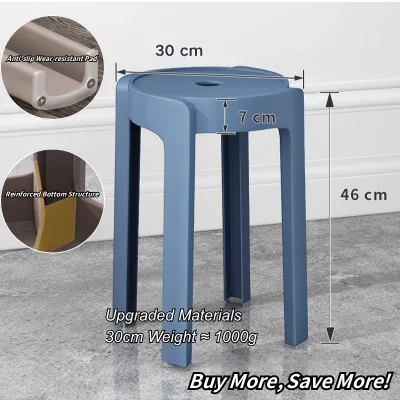
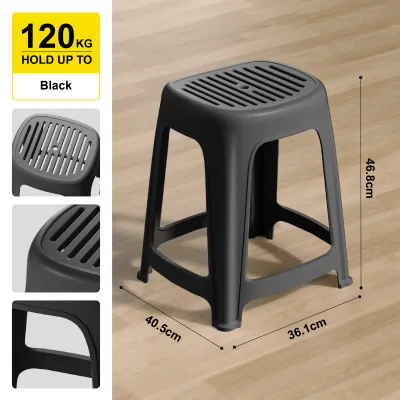
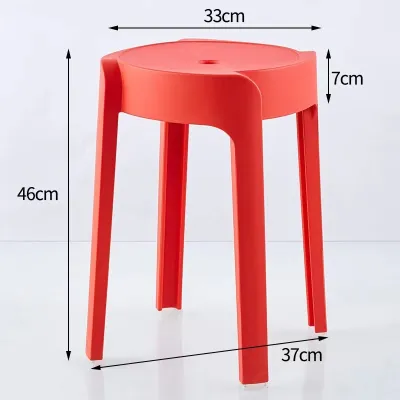
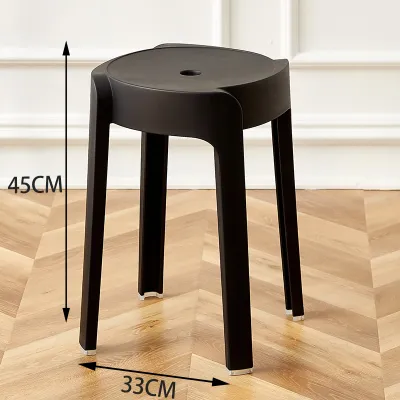

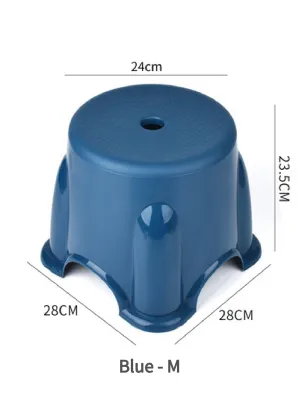
Prices are valid at publication and may change. Please refer to the product page for the latest price.
Defining your design style early helps narrow down the vast array of options available in local retail stores. If your home features a minimalist or Scandinavian aesthetic, look for stools with clean lines, light wood tones, or slender metal frames that maintain an airy feel. For industrial or loft-inspired spaces, stools combining raw steel with distressed timber can add texture. Matching the stool’s design language to your overall interior theme ensures the new additions feel integrated rather than out of place.
Verifiable Quality and Construction Checkpoints
Evaluating the quality of a dining stool requires looking past marketing descriptions to inspect physical construction details. When visiting local showrooms, pay close attention to how the frame is joined together. For metal stools, look for continuous, smooth welded joints rather than spot welds or simple screw connections, as fully welded frames offer superior long-term stability. For wooden stools, high-quality options typically feature mortise-and-tenon joints or reinforced corner blocks secured with heavy-duty wood screws, rather than simple glue and dowel setups.

Stability is another critical factor, particularly on the hard tile or vinyl flooring common in Singapore homes. Place the stool on a flat surface and apply downward pressure on different sides to check for wobbling or flexing. High-quality stools feature level legs equipped with durable, non-marking floor glides or adjustable feet that protect your flooring from scratches while compensating for minor floor unevenness.
Always check the manufacturer’s specification sheets or product labels for weight capacity ratings and material certifications. A reputable brand will clearly state the maximum load capacity, which typically ranges from 100 to 150 kilograms for residential-grade seating. Additionally, verify the composition of the materials used; solid hardwoods like oak, teak, or ash generally offer greater longevity and repairability compared to medium-density fibreboard (MDF) or particleboard with thin veneers, which can swell or delaminate when exposed to spills or high humidity.
Finally, examine the surface treatments applied to the stool. For wooden surfaces, a high-quality polyurethane or lacquer finish protects the wood from moisture and stains, which is vital in Singapore’s humid climate. For upholstered options, check the fabric’s wear rating, often measured in double rubs (look for a rating of 15,000 or higher for regular residential use). If the manufacturer does not provide these specifications, ask the showroom staff or customer service team for the official care and technical sheets before making a purchase.
Comparing Stool Structures and Materials
Choosing between different stool configurations involves weighing practical trade-offs in comfort, maintenance, and space efficiency. Backless stools are highly favored in smaller Singapore apartments because they can be tucked completely under the counter or table when not in use. This keeps walkways clear and maintains an unobstructed line of sight across the room. However, backless models are generally best suited for quick meals or casual socializing, as they do not provide the lumbar support needed for extended sitting.
Stools with backrests offer significantly better comfort for longer dinners or when using the dining table as a temporary workspace. Low-profile backrests provide a compromise by offering some support while remaining low enough to slide partially under the counter. Full-back stools offer maximum comfort but have a larger visual footprint and cannot be hidden away, making them better suited for spacious dining rooms or dedicated bar areas.
The choice of seat material directly impacts both comfort and maintenance. Hard surfaces like solid wood, molded plastic, or metal are exceptionally durable and easy to wipe clean after spills, making them highly practical for busy households. However, they can feel firm during long seating sessions. Upholstered seats provide a cushioned, luxurious feel and introduce texture and color to the dining space. The trade-off is that fabrics require more careful maintenance and are susceptible to staining from food and drinks. If you prefer upholstery, look for performance fabrics treated with stain-resistant coatings, or opt for high-quality synthetic leathers that offer a soft feel while being easy to wipe clean.
Another structural decision is choosing between fixed legs and swivel bases. Fixed-leg stools are structurally simple, lightweight, and have fewer moving parts that could wear out over time. Swivel stools offer excellent mobility, allowing users to turn and exit the seat easily without scraping the stool legs across the floor. However, swivel mechanisms introduce mechanical components that require occasional maintenance, and they can be heavier and more difficult to move when cleaning the floor. Ensure any swivel model you choose features a smooth, quiet mechanism and a heavy, stable base to prevent tipping.
Navigating Retail Channels and Brand Warranties
When shopping for dining stools in Singapore, utilizing both online resources and physical showrooms will help you make an informed decision. While online furniture stores offer convenience and a wider selection, visiting a physical showroom allows you to test the comfort, height, and stability of the stools firsthand. If you are purchasing online, always request physical material samples or detailed, high-resolution photos of the wood finishes and upholstery fabrics to ensure they match your expectations and existing decor.
Before finalizing your purchase, carefully review the delivery logistics and assembly requirements. Ensure the packaged dimensions of the stools can easily fit through your doorway, hallway, and lift access, especially if you live in a high-rise condominium or HDB flat. Some brands deliver stools fully assembled, while others require self-assembly. If assembly is required, check if the necessary tools are included and whether the brand offers professional assembly services for a fee.
Understanding the brand’s warranty policy is crucial for protecting your investment. A reliable warranty should clearly distinguish between structural frame guarantees and cosmetic wear. Look for brands that offer at least a one-to-two-year warranty on the structural frame and joints. Keep in mind that standard warranties typically exclude normal wear and tear, such as fabric fading, minor scratches on wood finishes, or softening of seat cushions over time. Always read the fine print regarding return policies, as some retailers may charge restocking fees or return delivery fees for bulky furniture items.
Decision Framework: Matching Stools to Your Household
To select the perfect dining stools, match the structural and material characteristics of the stools to your household’s specific lifestyle and spatial constraints. If you live in a compact apartment where space is at a premium and easy maintenance is your top priority, opt for backless, hard-surface stools made of solid wood or molded plastic. These can be tucked away effortlessly, keeping your dining area open and tidy while allowing for quick, hassle-free cleanup.
If your dining table or kitchen island serves multiple purposes, such as a home office or a place for children to do homework, prioritize comfort by choosing upholstered stools with supportive backrests. Look for ergonomic designs that encourage good posture during extended sitting sessions. To mitigate the risk of stains on upholstered seats, select performance fabrics or easy-to-clean synthetic leather options.
For households with young children or pets, safety and durability should guide your decision. Avoid stools with sharp corners, delicate finishes, or lightweight bases that can easily tip over when climbed on. Instead, choose sturdy, heavy-framed stools with a wide base of support and rounded edges. Opt for highly durable, non-porous materials like treated solid wood or metal that can withstand frequent cleaning and resist scratches from pet claws or toys. By aligning these practical considerations with your design preferences, you can find dining stools that deliver lasting quality and style for your Singapore home.

Community discussion
Share your experience or ask a question. Comments are reviewed before publication.