
Selecting the right sofa for a Housing & Development Board (HDB) flat in Singapore requires balancing spatial efficiency, aesthetic appeal, and practical durability. With Singapore’s tropical climate bringing high humidity year-round, alongside the daily realities of compact apartment living, a water-resistant fabric sofa is often the most practical choice for modern homeowners. The ideal solution lies in choosing a sofa that utilizes advanced performance fabric technology—which repels spills while remaining highly breathable—and pairing it with a modular or compact frame design that easily navigates narrow HDB corridors and lift cabins. By focusing on verifiable fabric specifications, precise spatial measurements, and proper maintenance, you can secure a stylish centerpiece that withstands daily spills, pet accidents, and humid conditions for years to come.
Quick Guide: Choosing a Water-Resistant Sofa for Compact Flats
Living in a high-density HDB flat means every square meter of your living room must be optimized for comfort and movement. When shopping for a sofa, the primary challenge is balancing liquid resistance with breathability and space efficiency. A sofa fabric that is completely impermeable to water often achieves this by using a solid plastic backing, which traps heat and body moisture, leading to a sticky and uncomfortable seating experience in Singapore’s warm climate. Conversely, highly breathable fabrics without any protective treatment will absorb spills instantly, leading to deep-seated stains, mold, and unpleasant odors.
To find the perfect balance, your pre-purchase process should center on three primary checks. First, verify the fabric treatment labels to understand exactly how the material repels liquids. Second, measure your living room clearances to ensure the sofa allows for comfortable traffic flow. Third, confirm the physical delivery access routes from the loading bay to your living room door. It is also crucial to set realistic expectations: residential “waterproof” fabric sofas are almost always water-resistant rather than fully waterproof. This means they are designed to make liquids bead up on the surface so you can wipe them away quickly, but they will not withstand standing water left unattended for hours.
Products mentioned in this guide
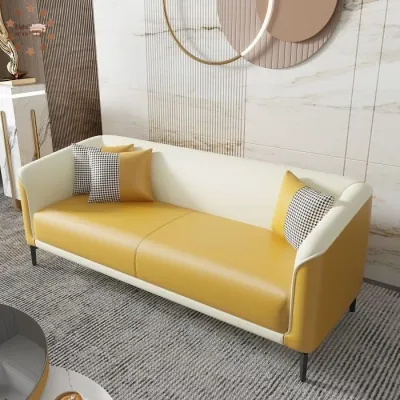
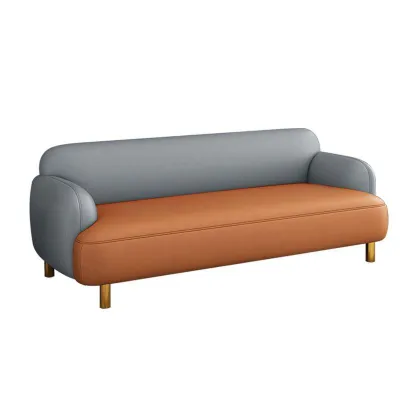
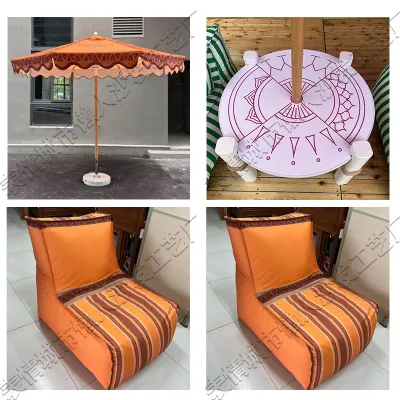
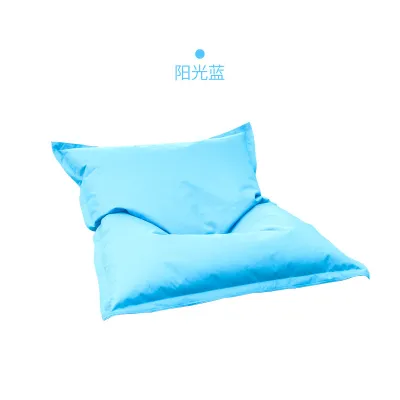
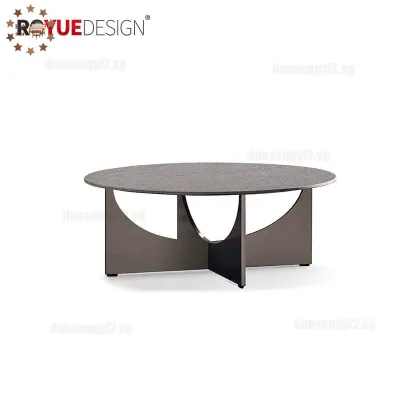

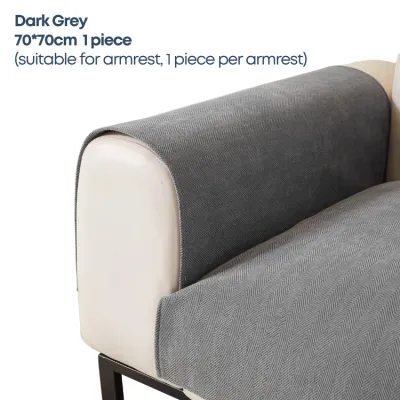
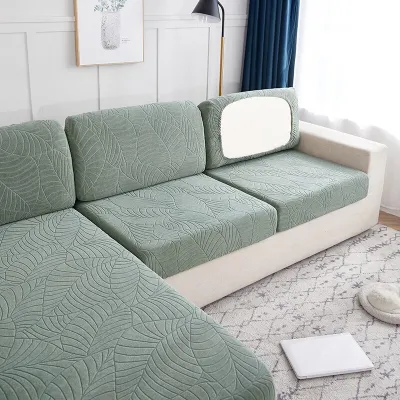
Prices are valid at publication and may change. Please refer to the product page for the latest price.
Decoding "Waterproof" Labels and Fabric Treatments
When browsing furniture showrooms or online catalogs, you will encounter various terms like “waterproof,” “water-repellent,” and “stain-resistant.” Understanding the technical differences between these fabric treatments is essential to making an informed decision. Fully waterproof fabrics typically feature an internal polyurethane or polyvinyl chloride (PVC) membrane laminated to the back of the fabric. While this completely prevents liquid from penetrating the cushions, it severely restricts airflow, making the sofa feel hot and stiff.

A more comfortable alternative for residential use is Durable Water Repellent (DWR) surface treatments. These coatings work by applying a hydrophobic barrier to the individual fibers of the fabric, causing liquids to bead up and roll off the surface without blocking the gaps between the weaves. This preserves the natural breathability and softness of the fabric. Additionally, some performance fabrics feature stain-resistant chemical coatings that prevent pigments from bonding with the fibers, making it easier to clean up coffee, tea, or wine even if the liquid has started to dry.
When evaluating these fabrics, always look for manufacturer labels detailing performance ratings. Check the Martindale or Wyzenbeek rub test results, which measure fabric durability. For a standard HDB household, a fabric rated for 15,000 to 20,000 rubs is sufficient for general domestic use, while households with pets, children, or high daily traffic should look for heavy-duty ratings of 30,000 rubs or more. Keep in mind that even the most advanced water-resistant treatments have limitations. They are not immune to prolonged liquid exposure, acidic pet accidents left overnight, or physical damage from sharp objects like keys and pet claws, which can puncture the protective barrier.
Space Planning and Delivery Checks for HDB Layouts
HDB living rooms, whether in cozy 3-room flats or more spacious 5-room units, require precise spatial planning to maintain a comfortable and open atmosphere. Before committing to a sofa size, map out your living room layout to ensure adequate clearance for walking paths, coffee tables, and TV consoles. As a general rule, you should maintain a minimum clearance of 60cm to 75cm between the edge of the sofa and any facing furniture, such as a coffee table, to allow for comfortable legroom and easy passage. If the sofa is positioned along a primary walkway, increase this clearance to at least 90cm.
Equally important is planning the physical delivery route of the sofa. Many homeowners purchase their dream sofa only to find it cannot fit into the HDB lift or navigate the tight corners of their corridor. Before placing an order, measure the lift cabin’s interior height, width, and depth, as well as the clear opening width of the lift doors. Next, assess the corridor turning radiuses, especially if you live in an older HDB estate with narrow common corridors or have a corner unit with a tight entryway. Finally, measure the exact width and height of your main door frame and any safety gates.
To mitigate these delivery risks and enjoy greater spatial flexibility, consider choosing modular configurations over fixed multi-seater sofas. Modular sofas consist of individual sectional pieces that can be delivered separately and assembled inside your flat. This not only makes navigating tight lifts and corridors significantly easier but also allows you to reconfigure your seating arrangement if you decide to rearrange your living room layout or move to a new home in the future.
Assessing Material Durability in High-Humidity Climates
Singapore’s tropical climate, characterized by relative humidity levels that frequently exceed 80%, poses unique challenges for furniture preservation. High humidity accelerates the degradation of fabric coatings and creates a breeding ground for mold, mildew, and dust mites. To ensure long-term durability, pay close attention to the fabric’s weave density. Tight, dense weaves—such as those found in high-performance polyesters, microfibers, or specialized canvas blends—are highly effective at preventing moisture, dust, and pet dander from settling deep into the cushion foam. These dense weaves also help prolong the lifespan of surface water-repellent coatings by reducing the friction between fibers during daily use.
The internal frame of the sofa is just as critical as the outer fabric when it comes to humidity resistance. Look for sofas constructed with kiln-dried hardwood frames, such as oak, beech, or teak, or those featuring reinforced engineered metal structures. Kiln-drying removes the moisture from the wood before assembly, preventing the frame from warping, cracking, or developing structural instability when exposed to Singapore’s humid air. Avoid sofas made with untreated softwoods or low-grade particle boards, which can absorb atmospheric moisture, sag over time, and become susceptible to mold growth.
Before finalizing your purchase, carefully review the manufacturer’s warranty terms. A reliable warranty should offer clear, separate coverage for the structural frame and the fabric upholstery. While frame warranties often span five to ten years, fabric warranties are typically shorter, often covering manufacturing defects for one to two years. Pay close attention to the exclusions; most warranties do not cover the gradual degradation of water-repellent coatings due to normal wear and tear, nor do they cover damage caused by improper cleaning methods.
Daily Care and Stain Management for Treated Fabrics
Maintaining the water-repellent properties of your fabric sofa requires a consistent care routine and a gentle touch. When a spill occurs, immediate response is key to preventing stains. Instead of rubbing or scrubbing the liquid—which forces the moisture deep into the fabric weave and physically wears down the protective coating—gently blot the spill using a clean, dry microfiber cloth. Start from the outer edges of the spill and work your way inward to prevent the liquid from spreading. For sticky or colored liquids, follow up by blotting with a damp cloth dipped in a mild, diluted soap solution, then blot dry with a clean towel.
For routine maintenance, vacuum your sofa at least once a week using a soft brush attachment. This removes loose dust, crumbs, and pet hair that act as micro-abrasives, wearing away the water-repellent surface treatment over time as people sit and move on the sofa. Avoid using standard upright vacuums with harsh rotating beater bars directly on the fabric, as these can fray the fibers and strip the protective coating.
To preserve the integrity of the fabric treatment, steer clear of harsh chemical cleaners, bleach, or solvent-based spot removers unless they are explicitly approved by the manufacturer. Additionally, avoid using steam cleaners on treated fabrics; the intense heat and moisture can melt or strip away the chemical water-repellent barrier. Over time, even with meticulous care, the factory-applied water-repellent treatment will gradually wear off in high-use areas. You can identify this failure when spilled water immediately sinks into the fabric instead of beading on the surface. When this occurs, you can restore the sofa’s resistance by applying a compatible aftermarket fabric protector spray or hiring a professional upholstery maintenance service to reapply a commercial-grade protective coating.
Building Your Shortlist: Pre-Purchase Verification Checklist
To help you compare different water-resistant fabric sofa options and make a confident purchase decision, use this structured verification checklist before visiting showrooms or ordering online:
- Dimensions and Clearance: Confirm the sofa's finished length, depth, and height. Verify that you have at least 60cm of walking clearance around the sofa in your HDB living room.
- Delivery Logistics: Measure your HDB lift door width, lift cabin interior, corridor turning corners, and main door frame. Confirm with the retailer if the sofa is delivered fully assembled or in modular pieces.
- Fabric Specifications: Check the fabric composition, the specific type of water-repellent treatment used, and the Martindale rub test rating (aim for 15,000+ for standard use, 30,000+ for heavy use).
- Warranty Coverage: Verify the duration and terms of the warranty for both the structural frame and the fabric upholstery. Note any specific exclusions regarding fabric coatings.
- Physical Swatch Test: Whenever possible, request a physical fabric swatch from the retailer. Take it home and test its water-beading capability by dropping a few drops of water on it. This also allows you to verify the fabric's actual color and texture under your home's lighting conditions.
Be cautious of red flags in product descriptions. Vague claims such as “100% waterproof fabric” without any technical specifications, care instructions, or material breakdowns are often misleading. A reputable furniture brand will always provide detailed care guidelines, explain the technology behind their fabric’s water resistance, and offer clear instructions on how to maintain the treatment over time.
Frequently Asked Questions (FAQ)
Can I apply aftermarket waterproofing sprays to my existing fabric sofa?
Yes, you can apply aftermarket waterproofing sprays to an existing fabric sofa, but you must perform compatibility checks first. Always consult the original manufacturer’s care label to ensure the spray is safe for your specific fabric type, as some chemical solvents can react negatively with synthetic fibers or existing finishes. Before applying the spray to the entire sofa, perform a spot test on an inconspicuous area, such as the back or underside of a cushion. This helps you verify that the spray will not alter the fabric’s color, stiffen its texture, reduce its breathability, or void any active manufacturer warranties.
Are water-resistant fabric sofas safe for households with young children and pets?
Water-resistant fabric sofas are highly practical for active households, but safety and durability require careful verification. When shopping, look for fabrics that carry recognized safety certifications, such as OEKO-TEX® Standard 100, which declare that the factory-applied coatings are free from harmful levels of toxic chemicals and fire retardants. For pet owners, it is important to distinguish between liquid resistance and physical durability. While a water-resistant coating will protect against accidental spills or pet messes, it does not make the fabric scratch-proof or puncture-resistant. To prevent damage from pet claws, choose tightly woven performance fabrics with high rub-test ratings, and avoid loose weaves that can easily snag.

Community discussion
Share your experience or ask a question. Comments are reviewed before publication.