
Maximizing floor space is a primary goal for many homeowners in Singapore, where compact HDB flats and condominiums require smart storage strategies. The empty space beneath a bed frame offers a prime opportunity to store seasonal clothing, extra bedding, or travel gear out of sight. However, finding the right plastic storage drawer cabinet requires looking beyond brand names to evaluate physical dimensions, structural integrity, and material specifications. Because under-bed environments are prone to dust accumulation and high humidity, selecting a cabinet based on objective design features ensures your belongings remain protected and accessible.
To make an informed decision, you must assess how a cabinet’s physical design matches your bedroom’s layout and environmental conditions. Rather than relying on generic brand promises, focusing on verifiable specifications—such as material grade, load capacity, and joint reinforcement—will lead you to a durable solution. This guide provides a practical framework to measure your space, evaluate essential structural features, and select the ideal plastic drawer cabinet for your specific storage needs.
Key Measurements and Clearance Checks
Before browsing online marketplaces or local home goods stores, accurate physical measurements of your bedroom layout are essential. Start by measuring the vertical clearance from the floor to the lowest point of your bed frame. Do not rely solely on the manufacturer’s listed bed height, as center support beams, mattress sag, and decorative valances can significantly reduce the actual usable clearance. Measure at multiple points along the bed frame, particularly near the center, to account for any uneven flooring or structural dips.
Products mentioned in this guide
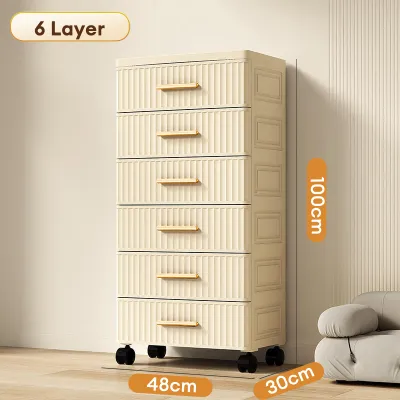
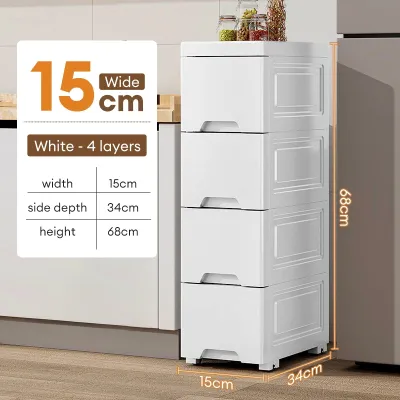
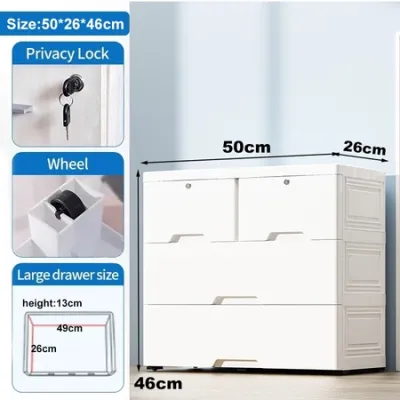
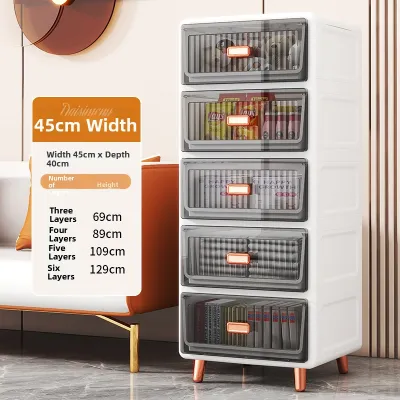
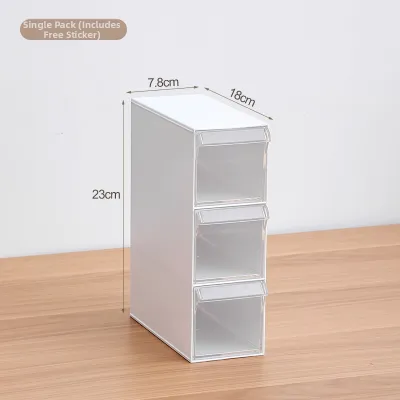
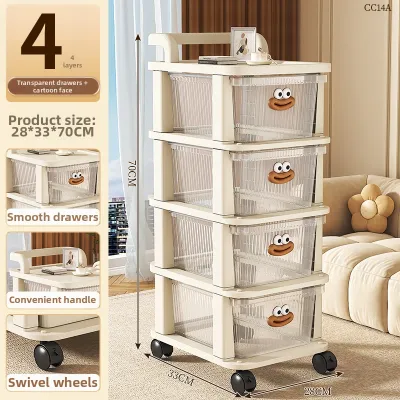
Prices are valid at publication and may change. Please refer to the product page for the latest price.
Next, factor in the floor-level obstacles that could obstruct the smooth movement of a drawer cabinet. Skirting boards along the walls can prevent a cabinet from sitting flush, while thick bed legs or center support brackets can narrow the entry path. If your bedroom has thick carpeting or rugs, the cabinet wheels or base may sink slightly, reducing the effective vertical clearance. For tiled or vinyl floors, ensure there are no raised transition strips that could catch the bottom of the drawer during retrieval.
When evaluating a plastic storage drawer cabinet, distinguish clearly between its exterior dimensions and its interior usable space. Manufacturers list the outermost dimensions to help you determine if the unit fits under the bed, but the internal drawer depth is often smaller due to structural framing, drawer glides, and double-walled plastic panels. If you plan to store bulky items like winter coats or thick duvets, verify that the internal height and width can accommodate these items without forcing the drawer shut, which can warp the plastic over time.
Finally, consider the logistics of bringing the storage units into your home. Measure the widths of your doorways, hallways, and any tight corners in your apartment’s entryway to ensure a fully assembled cabinet can pass through. If you live in a high-rise estate, check the dimensions of the passenger lift to avoid delivery complications. While many plastic cabinets are delivered flat-packed, some heavy-duty or pre-assembled modular units require a clear path from the lift lobby directly to your bedroom door.
Essential Features for Under-Bed Environments
The microclimate beneath a bed frame presents unique challenges, primarily involving dust accumulation and restricted airflow. Because dust settles rapidly in low-clearance spaces, a high-quality plastic drawer cabinet must feature a dust-proof design. Look for units with overlapping drawer lips, tight tolerances between the drawer front and the outer frame, and fully enclosed top panels. Open-frame designs or units with large gaps around the drawer edges will allow dust bunnies and pet hair to migrate inside, soiling your clean linens.

Singapore’s tropical climate, characterized by high relative humidity, demands careful consideration of moisture resistance. While plastic is inherently non-porous and waterproof, an entirely airtight plastic container can trap ambient moisture inside, leading to musty odors or mildew on organic fabrics. If you are storing items that are sensitive to humidity, look for cabinets that allow you to place desiccant packs securely inside, or choose units with modular ventilation paths that maintain minimal airflow while keeping dust out.
Mobility is another critical feature that dictates how easily you can maintain cleanliness under the bed. Cabinets equipped with low-profile casters or wheels allow you to slide the storage units out effortlessly for vacuuming or retrieving items. However, if you choose wheeled units, ensure the wheels are made of non-marking materials like polyurethane to prevent scratching delicate vinyl or parquet flooring. For heavier storage needs, stationary flat bases offer maximum stability and prevent the cabinet from shifting, but they require more physical effort to slide out.
Structural rigidity is vital to prevent the cabinet frame from bowing under the weight of the mattress or from its own contents. Under-bed drawers are often subjected to lateral forces when pulled from an angle. Look for cabinets with reinforced corner joints, thick vertical pillars, and a solid top panel that resists downward pressure if the bed frame flexes. A sagging cabinet frame will pinch the drawers, making them difficult or impossible to open smoothly.
How to Evaluate Brands and Product Specifications
When comparing different plastic storage drawer cabinet options in Singapore, look past marketing claims and focus on verifiable product specifications. Start by examining the manufacturer’s labels or product manuals for the specific material grade used. High-density polypropylene (PP) is the industry standard for durable home storage, offering excellent impact resistance and structural memory. Avoid brittle, low-grade plastics that emit strong chemical odors, as these are more prone to cracking under load or yellowing over time.
Verify the load capacity ratings specified by the manufacturer for both individual drawers and the overall cabinet frame. A reliable brand will clearly state the maximum weight a single drawer can support without bowing. Look for structural reinforcements such as ribbed patterns on the underside of the drawers or metal support bars integrated into the plastic frame. These design elements distribute weight evenly and prevent the plastic from warping when filled to capacity.
Evaluate the retail terms, warranties, and return policies offered by local home goods retailers or official brand stores. A manufacturer that offers a structural warranty on their plastic storage units demonstrates confidence in their product’s durability. Check if the retailer provides replacement parts, such as individual drawers, spare wheels, or clips, so you do not have to discard the entire cabinet if a single component breaks. Additionally, review the assembly requirements; some modular systems snap together without tools, while others require precise alignment of interlocking tabs.
Independent user feedback is an invaluable resource for assessing long-term performance. Look for reviews that specifically mention drawer smoothness after several months of use, handle durability, and whether the plastic frame warps under Singapore’s humid conditions. Pay close attention to comments regarding the ease of cleaning and whether the drawers slide off their tracks when pulled out fully. Consistent complaints about sticky drawers or fragile handles are clear indicators of poor structural design, regardless of the brand’s popularity.
Condition-Based Selection Guide
To choose the right plastic drawer cabinet, match the structural profile of the unit to the specific items you plan to store. If your primary goal is storing heavy items such as books, photo albums, or dense winter clothing for overseas travel, prioritize structural strength. Select cabinets with thick, double-walled plastic panels, reinforced bases, and strictly verified load limits. For these heavy loads, stationary bases or heavy-duty, wide-track wheels are preferred to distribute the weight and protect your flooring from indentation marks.
For delicate, moisture-sensitive, or high-value items like leather goods, important documents, or heirloom textiles, the focus must shift to environmental protection. Look for specialized plastic cabinets featuring gasket-sealed drawer fronts or airtight interlocking mechanisms that isolate the interior from the humid bedroom air. Ensure there is a dedicated compartment or sufficient space to place silica gel packs or dehumidifier bags. Avoid storing these items in basic, open-sided plastic frames that offer no barrier against ambient moisture.
If you require frequent, daily access to the stored items—such as activewear, children’s toys, or daily accessories—prioritize ease of operation and mobility. Look for cabinets equipped with smooth-glide roller tracks or ball-bearing drawer slides that allow effortless opening even when fully loaded. Ergonomic, built-in pull handles that are molded directly into the drawer front are far more durable than glued-on handles. For these scenarios, high-quality, 360-degree swivel casters are essential to allow quick retrieval and repositioning without straining your back.
Finally, consider the aesthetic integration of the cabinet with your bedroom decor. While under-bed storage is largely hidden, the front panels of the drawers may still be visible depending on your bed frame design. Matte finishes, neutral colors like off-white, grey, or charcoal, and clean, minimalist lines help the cabinets blend seamlessly with modern Singaporean interior styles. Translucent drawer fronts allow you to identify contents at a glance, but solid, opaque fronts provide a cleaner, clutter-free appearance.
Frequently Asked Questions (FAQ)
How do I prevent mold inside a plastic under-bed drawer?
To prevent mold growth in Singapore’s humid climate, ensure that every item is completely dry before placing it inside the plastic drawer. Introduce active moisture control by placing disposable dehumidifier tubs, silica gel packets, or charcoal deodorizers inside each drawer compartment. Periodically slide the cabinet out from under the bed, open the drawers fully, and allow them to air out in a well-ventilated room or under an air conditioner. Avoid placing the storage units directly against damp external walls or on cold floors where condensation can form.
Can I stack under-bed plastic drawers on top of each other?
You can stack under-bed plastic drawers only if the manufacturer explicitly states they are stackable and provides interlocking features to secure them. Check the maximum stacking limit and the load capacity of the bottom unit, as exceeding these limits will cause the lower frames to warp and pinch the drawers. Ensure that the combined height of the stacked units remains well below your bed frame’s clearance to prevent scraping. Avoid creating top-heavy configurations, and never stack units that lack secure nesting grooves, as they can slide and tip over when a drawer is pulled open.

Community discussion
Share your experience or ask a question. Comments are reviewed before publication.