
Finding the right leather platform sofa in Singapore requires balancing modern low-profile aesthetics with the practical realities of apartment living and a tropical climate. A platform sofa, characterized by its low-slung profile and solid base, offers a clean, minimalist look that can make urban living spaces feel more open and airy. However, because a sofa is a significant long-term investment, choosing the right model involves looking beyond surface aesthetics. You must carefully evaluate leather grades, frame construction, and delivery logistics to ensure your chosen piece fits both your home and your lifestyle.
Navigating the local furniture market can be overwhelming with numerous brands offering varying levels of quality and customization. By understanding the structural components of platform designs and the specific characteristics of different leather types, you can confidently assess showroom models and online specifications. This guide provides a comprehensive framework to help you measure your space, evaluate brand offerings, inspect construction quality, and manage the delivery process for a leather platform sofa that stands the test of time.
Understanding the Platform Sofa Design and Leather Options
To make an informed purchase, it is essential to first understand what defines a platform sofa and how different leather options impact its longevity and appearance. Unlike traditional sofas that sit on tall, exposed legs, a platform sofa features a low-profile design where the seating cushions rest on a solid, extended base or a very low plinth. This structure shifts the visual weight of the furniture downward, creating a grounded, contemporary aesthetic. The low backrests and clean horizontal lines of these sofas help maximize the vertical space in a room, making ceilings appear higher than they actually are.
Products mentioned in this guide
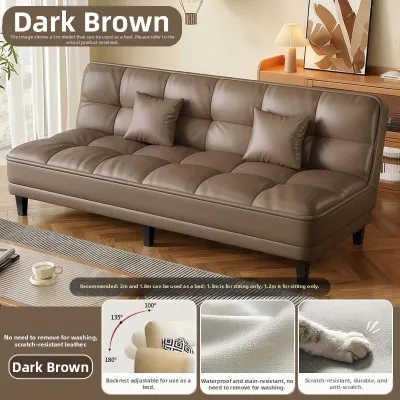
Prices are valid at publication and may change. Please refer to the product page for the latest price.
When it is time to select the upholstery, the grade of leather you choose will dictate how the sofa wears, feels, and ages over the years. Full-grain leather is the highest quality available, featuring the natural, unaltered top layer of the hide. It is highly breathable and develops a rich, unique patina over time, but it is also the most sensitive to spills, body oils, and environmental conditions. Top-grain leather, which is sanded slightly to remove natural imperfections and treated with a protective topcoat, offers a more uniform appearance and greater resistance to stains, making it an excellent, practical choice for active households.
For those balancing budget constraints, genuine leather (often made from the lower split layers of the hide) is more heavily processed and coated, resulting in a stiffer feel and lower long-term durability. Another common option in the market is “leather-match” or half-leather configurations. In these designs, high-contact areas like the seats, backrests, and armrests are upholstered in real leather, while the non-contact areas, such as the back and outer sides, use color-matched synthetic materials like polyurethane (PU) or polyvinyl chloride (PVC). While leather-match sofas significantly lower the initial purchase price, you must consider that synthetic materials age differently than real leather, which can eventually lead to subtle differences in color, texture, and wear over time.
Measuring Your Space and Checking Clearance Requirements
Before finalizing any sofa purchase, precise physical measurements are critical to avoid costly delivery mistakes and layout issues. Platform sofas often feature a wider, extended wooden or upholstered base that projects outward beyond the cushions, creating a built-in ledge or wide armrests. This means the actual footprint of a platform sofa is frequently larger than that of a standard legged sofa with the same seating capacity. You must measure the designated floor area carefully, ensuring there is a buffer of at least 60 to 80 centimeters around the sofa to allow for comfortable walking paths and to prevent the living room from feeling cramped.

In Singapore, where many residents live in high-rise apartments, navigating the delivery path is just as important as measuring the living room itself. You must verify the dimensions of every doorway, corridor turn, stairwell, and elevator that the delivery team will need to pass through. Standard passenger lifts in older residential buildings often have tight door openings and limited interior depth, which can make transporting a long, single-piece platform sofa frame impossible. Always request the packaged dimensions of the sofa from the retailer, as the protective box or wrapping adds extra bulk to the width, height, and depth during transit.
To ensure a smooth delivery, compare the sofa’s longest packaged dimension against your lift’s interior height and diagonal depth. If the sofa cannot fit into the lift, you will need to coordinate with the retailer for manual stair-carrying, which typically incurs additional fees per floor and carries a higher risk of accidental damage to both the sofa and your walls. If your home has tight access points, look specifically for modular platform designs that are delivered in smaller, separate sections and assembled directly inside your living room.
Evaluating Reputable Brands and Building Your Shortlist
Building a reliable shortlist of brands requires looking for markers of quality, transparency, and robust customer support rather than relying on flashy marketing or temporary discounts. Reputable furniture brands should provide clear, detailed specifications regarding the origin of their leather, the species of wood used in their frames, and the density of their cushion foam. Furthermore, established brands maintain physical showrooms where you can personally test the comfort, sit depth, and leather texture before committing to a purchase.
Different brands specialize in different aspects of platform sofa design, and identifying these specializations will help you align your purchase with your specific household needs. Some brands focus heavily on modularity, allowing you to configure the platform sections to fit unique L-shaped layouts or compact spaces. Others emphasize premium material sourcing, offering certified European leathers or solid, sustainably sourced hardwood bases. When researching brands, pay close attention to their warranty terms; a manufacturer that stands behind its product will typically offer a multi-year warranty on the internal frame and suspension system.
To help structure your search, you can use the following decision matrix to categorize your options based on budget, material expectations, and typical configurations:
| Budget Tier | Typical Price Range | Leather Grade | Frame Material | Best Suited For |
|---|---|---|---|---|
| Entry-Level | S$1,500 – S$3,000 | Leather-match / Split leather | Engineered wood / Softwood | Budget-conscious buyers, temporary homes, or low-traffic spaces |
| Mid-Range | S$3,000 – S$6,000 | Top-grain leather | Kiln-dried hardwood / Plywood | Families seeking a balance of durability, comfort, and practical stain resistance |
| Premium | S$6,000 and above | Full-grain / Aniline leather | Solid premium hardwood | Long-term investors looking for custom configurations and natural aging characteristics |
Inspecting Construction, Cushioning, and Long-Term Durability
When visiting showrooms to evaluate your shortlisted options, you should perform a hands-on inspection of the sofa’s internal construction and upholstery details. The foundation of any durable sofa is its frame. Look for frames constructed from kiln-dried hardwood, such as birch, beech, or meranti. The kiln-drying process is vital because it extracts moisture from the wood, preventing it from warping, cracking, or developing mold when exposed to high humidity levels. Avoid sofas constructed entirely of cheap particleboard or thin engineered wood, as these materials can sag or split under consistent weight over time.
Next, evaluate the cushion filling, which directly determines the sofa’s comfort level and how well it maintains its shape. High-density polyurethane foam (ideally with a density rating of 30kg/m³ or higher) offers excellent resilience, providing firm support and quickly bouncing back after use. For a softer, more luxurious sit, some platform sofas incorporate a down-feather or fiber-blend wrap around a high-density foam core. While down-blend cushions offer superior initial comfort, they require regular fluffing and maintenance to prevent a deflated, wrinkled appearance.
Finally, turn your attention to the stitching, edge finishing, and base stability. Inspect the seams along the armrests and cushions; they should be straight, tight, and free of loose threads. Double-stitching or French seams are excellent indicators of quality, as they reinforce the joints where the leather is subjected to the most tension when you sit down. For platform designs, examine how the low-profile base connects to the main frame. The base should feel completely stable, with no wobbling, creaking, or flexing when you apply pressure to the corners or sit down firmly.
Navigating Delivery, Assembly, and After-Sales Support
The purchasing process does not end once you pay at the counter; the logistics of delivery, assembly, and post-purchase care are critical to your overall satisfaction. When discussing delivery terms with the retailer, clarify whether their service includes “white-glove” delivery. This premium service typically covers carrying the sofa to your designated room, professional assembly of the platform sections, leveling the base, and removing all bulky packaging materials. Confirm if there are extra charges for weekend deliveries, specific time slots, or navigating narrow corridors.
Understanding the exact scope of your warranty is crucial for protecting your investment over the long term. A standard furniture warranty often distinguishes between structural components and surface wear. While the internal wooden frame and suspension might be covered for five to ten years, the leather upholstery itself is rarely covered for natural stretching, creasing, or color fading. Be sure to ask the retailer what constitutes a manufacturing defect in the leather—such as premature peeling or seam splitting—versus normal wear and tear.
Lastly, inquire about the recommended maintenance products and after-sales care support. Many reputable brands sell specialized leather cleaning and conditioning kits that are formulated specifically for the type of leather used on their sofas. Using unauthorized, harsh household chemicals can strip the protective coating off top-grain leather or clog the pores of full-grain leather, potentially voiding your warranty. Establishing a clear care routine from day one will ensure your leather platform sofa remains a beautiful, comfortable centerpiece in your home for many years to come.
Frequently Asked Questions (FAQ)
How does a platform sofa affect the perceived size of a room?
A platform sofa can make a room feel significantly larger and more open due to its low-profile design. Because the backrest and overall seating height sit lower to the ground than traditional sofas, they leave a larger expanse of wall space exposed, which visually raises the ceiling. However, because platform sofas feature a solid, heavy base that sits directly on or very close to the floor, they lack the airy feel of sofas with tall, slender legs. To prevent the room from feeling visually heavy, it is important to balance the solid base by leaving adequate open space around the sofa and pairing it with minimalist, lightweight coffee tables.
What are the essential care routines for maintaining leather in a humid climate?
In a humid tropical environment, leather requires consistent, proactive maintenance to prevent mold growth and preserve its structural integrity. Dust your sofa weekly with a clean, dry microfiber cloth to remove dust and skin cells, which can attract moisture and fungal spores. Wipe down high-contact areas regularly to prevent sweat and body oils from degrading the leather’s finish. Every six months, apply a specialized, water-based leather conditioner to keep the material supple and prevent it from drying out or cracking. Additionally, position your sofa away from direct sunlight near balconies or large windows, and use air conditioning or dehumidifiers to keep indoor humidity levels balanced.
Can a leather platform sofa be reupholstered if the material gets damaged?
Yes, a leather platform sofa can be reupholstered, but the feasibility and cost depend heavily on its specific construction. If the sofa features a modular design with removable cushion covers, replacing or repairing individual sections is relatively straightforward. However, if the leather is tightly wrapped and bonded directly to a complex, integrated wooden platform base, the reupholstery process becomes highly labor-intensive and requires specialized craftsmanship. In such cases, the cost of professional labor and high-quality replacement leather in Singapore can sometimes approach the price of buying a new mid-range sofa, making a thorough structural assessment by a professional upholsterer essential before proceeding.

Community discussion
Share your experience or ask a question. Comments are reviewed before publication.