
Selecting the right kitchen cabinet brand in Singapore requires balancing aesthetic appeal with long-term structural integrity. Because Singapore’s tropical climate brings high relative humidity year-round, kitchen cabinets face constant exposure to moisture, heat from cooking, and heavy daily use. To make an informed decision, you must look beyond surface-level designs and evaluate the brand’s material specifications, hardware durability, warranty terms, and local installation track record. A well-chosen brand will not only provide a beautiful kitchen layout but will also ensure that the cabinet carcasses, hinges, and countertops withstand the test of time without warping, sagging, or molding. Investing time in this selection process prevents premature wear and costly replacements in one of the most heavily utilized zones of your home.
Core Criteria for Evaluating Cabinet Quality and Workmanship
In Singapore, the choice of core material is critical due to humidity. Plywood (especially high-grade or marine-grade plywood) is highly favored for its moisture resistance compared to standard particleboard or medium-density fibreboard (MDF). When evaluating a brand, ask to see cross-sections of their cabinet boards. Check the thickness of the carcass panels; sturdier cabinets typically utilize 18mm thick panels for the sides and base to prevent bowing under the weight of heavy stone countertops or kitchen appliances. For the sink cabinet specifically, which is highly prone to leaks, check if the brand offers specialized water-resistant materials like polyvinyl chloride (PVC) carcasses or aluminum-lined bases.
The edges of cabinet doors and carcasses are highly vulnerable to moisture ingress, which causes boards to swell and delaminate. Look for high-quality ABS (Acrylonitrile Butadiene Styrene) edge banding rather than thin PVC or paper-based alternatives. Inspect the seams of the edge banding on showroom display units; they should be virtually seamless, smooth to the touch, and free of visible glue lines or gaps where water could seep in. Laser edge banding, which uses a laser to melt the adhesive directly onto the board, represents the gold standard for moisture protection and seamless aesthetics.
Products mentioned in this guide
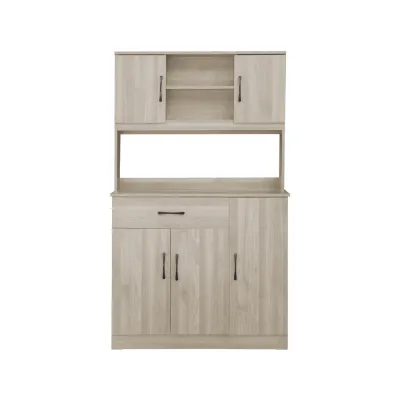
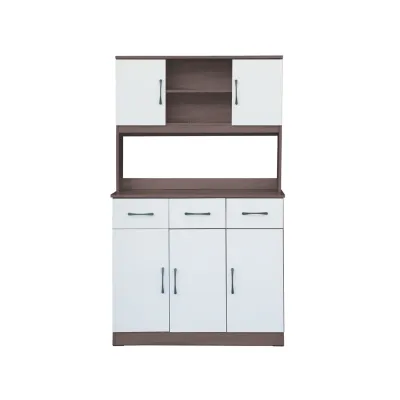
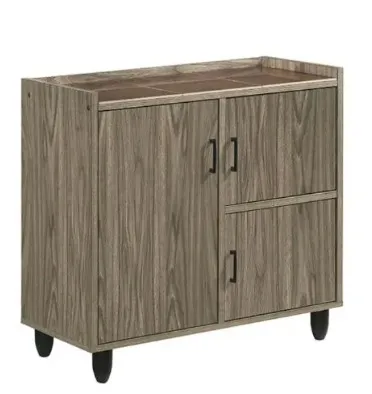
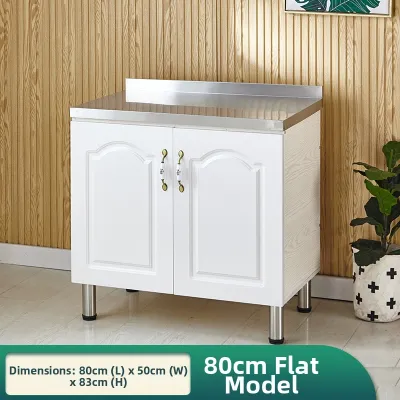
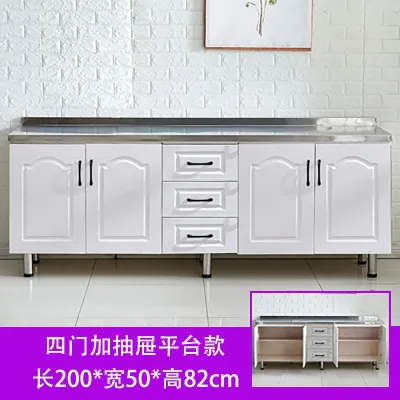
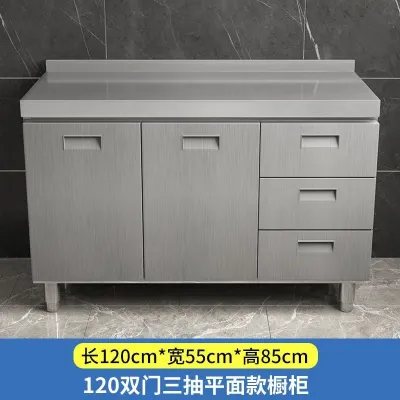
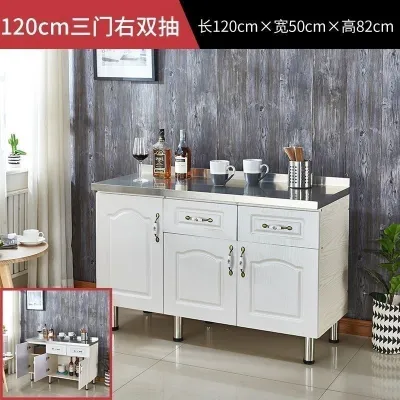
Prices are valid at publication and may change. Please refer to the product page for the latest price.
The longevity of a kitchen cabinet is often determined by its hardware. High-quality brands partner with reputable international hardware manufacturers to supply soft-close hinges and drawer runners. When visiting a showroom, repeatedly open and close drawers and doors. Check if the movement is fluid, silent, and self-closing without slamming. Ask about the load-bearing capacity of deep drawers designed for heavy pots and pans, and verify if the metal components feature corrosion-resistant coatings to prevent rusting in humid environments.
A common area where lower-quality cabinets fail is the backing board. Ensure the brand uses solid backing boards (ideally at least 5mm to 9mm thick) that are securely grooved into the side panels, rather than simply stapled or nailed to the back. This structural reinforcement prevents the cabinet from racking or shifting over time and ensures proper weight distribution across the wall anchors. Check the joinery methods used; doweled or cam-lock construction typically offers superior stability compared to simple screw-and-glue joints.
Understanding Warranties and After-Sales Service
A comprehensive kitchen cabinet warranty is rarely a single, blanket policy. Instead, it is typically split into distinct categories with varying coverage periods. For instance, a brand might offer a lifetime warranty on specific hardware components like hinges and drawer runners, but only a limited five-year warranty on the structural cabinet carcasses, and a one-year warranty on surface finishes or sealants. Always request a written copy of the warranty terms to understand exactly what is covered under each category, and distinguish between the hardware manufacturer’s warranty and the cabinet brand’s installation warranty.

It is crucial to read the fine print regarding warranty exclusions. Most cabinet brands in Singapore exclude damage caused by water leaks from sinks or appliances, exposure to extreme heat, improper cleaning methods (such as using abrasive chemicals or excessive water on laminate surfaces), and normal wear and tear. Understanding these exclusions helps you establish proper maintenance habits and highlights the importance of professional installation to prevent early failures. Be wary of brands that offer vague “lifetime warranties” without providing a detailed document outlining these exclusions.
A warranty is only as good as the brand’s ability to honor it. Investigate whether the brand maintains a dedicated local service and repair team in Singapore, or if they rely on third-party subcontractors for after-sales support. Ask about their standard response times for service requests and the process for securing replacement parts. A brand with a physical presence, a local warehouse, and a clear, documented claim procedure offers far greater peace of mind than one with vague support channels or overseas-only customer service.
Assessing Design Capabilities and Customization Options
A great kitchen cabinet brand does not just sell boxes; they design functional workspaces. The brand’s design consultants should analyze your specific floor plan to optimize the classic kitchen work triangle (the path between the sink, stove, and refrigerator). They must account for precise appliance clearances, ergonomic counter heights, and adequate ventilation space for appliances like ovens and built-in microwaves. They should also offer smart storage solutions, such as corner carousels, pull-out larders, and integrated waste bins, to maximize every square inch of your kitchen layout.
Understand the brand’s manufacturing philosophy. Traditional custom carpentry offers absolute spatial flexibility, allowing cabinets to be built to the exact millimeter to fit awkward corners, structural pillars, or sloped ceilings common in older HDB flats or condominiums. On the other hand, modular system cabinets are pre-fabricated in standardized sizes, offering exceptional material consistency, faster installation times, and cleaner factory-finished edges, though they may require filler panels to close gaps against walls. Your choice should depend on whether your kitchen layout requires highly bespoke shapes or values standardized precision.
To avoid discrepancies between expectation and reality, evaluate the brand’s design tools. They should provide detailed 3D renderings or virtual walkthroughs of your proposed kitchen. However, do not rely solely on digital screens. Always match the 3D designs with physical material samples of laminates, cabinet cores, and countertop slabs under realistic lighting conditions. Ask the brand about their protocol for handling design deviations or dimensional errors discovered during the installation phase, ensuring they have a clear policy for rectification.
Navigating Pricing, Quotations, and Hidden Costs
Kitchen cabinet pricing in Singapore is commonly presented in one of three ways: per-foot-run (pfr), modular unit pricing, or a lump-sum project package. Per-foot-run is the traditional method, where costs are calculated based on the horizontal length of the top and bottom cabinets. Ensure that all quotations are clearly itemized in S$ and specify the exact materials, finishes, and hardware brands included in the base price. Be aware that base rates often exclude premium features like glass-front doors, internal drawer organizers, or heavy-duty pull-out mechanisms.
The cost of the cabinets themselves is rarely the final price of a kitchen renovation. You must budget for essential preparatory works. Ask if the quotation includes the demolition and disposal of existing cabinets, masonry base construction (often required for HDB kitchens to prevent water pooling under cabinets), and the installation of backing materials for heavy wall-hung units. Additionally, clarify if countertop materials like quartz, sintered stone, or solid surfaces are quoted separately and whether they include sink cutouts and edge profiling.
Cabinet installation is deeply intertwined with plumbing, electrical, and gas works. Most cabinet brands do not directly employ licensed plumbers or electricians. Clarify who is responsible for reconnecting the sink, installing the cooker hood and hob, routing electrical outlets for built-in appliances, and modifying gas pipes. Ensure these boundaries are clearly defined in writing to avoid unexpected coordination delays or extra fees from external licensed contractors, as these allied trades can significantly impact your overall budget.
Step-by-Step Brand Shortlisting and Verification Process
Begin by shortlisting three to four reputable cabinet brands that align with your aesthetic preferences and budget. Provide each brand with the exact same floor plan and appliance list to ensure comparable design proposals. When reviewing the quotations, look closely for discrepancies in material specifications, hardware brands, and included accessories. A significantly lower quote often indicates the use of inferior core materials, non-branded hardware, or the exclusion of essential installation services.
Never commit to a brand based solely on online photos or catalog images. Visit their physical showrooms in Singapore to conduct a hands-on inspection. Pay close attention to the display units that have been on the floor for a while, as they simulate real-world wear. Check the alignment of cabinet doors, the stability of fully extended drawers, and the quality of the joint seals around sink cutouts. This visit also allows you to interact with their design consultants and gauge their technical expertise and customer service attitude.
Request to see portfolios of completed local projects that match your housing type, whether it is a build-to-order (BTO) flat, a resale HDB, a condominium, or a landed property. If you live in an HDB flat, verify if the brand or their partner contractor is registered on the Directory of Renovation Contractors (DRC) to ensure compliance with local structural and safety regulations. Additionally, search for independent reviews regarding their installation punctuality, site cleanliness, and responsiveness to defects during the handover phase.
Frequently Asked Questions (FAQ)
How far in advance should I engage a kitchen cabinet brand before renovation?
You should ideally engage a kitchen cabinet brand at least two to three months before your planned renovation start date. This timeframe allows ample opportunity for initial consultations, site measurements, design revisions, and the finalization of 3D drawings. Once the design is approved, the manufacturing process—whether done in a local workshop or an overseas factory—typically takes four to six weeks. Coordinating this timeline early ensures that the cabinets are ready for delivery and installation immediately after the wet works, such as tiling and plastering, are completed on-site, preventing costly delays in your overall renovation schedule.
What is the difference between carpentry-built and system kitchen cabinets?
Carpentry-built cabinets are fabricated on-site or in a local workshop, offering bespoke customization to fit any irregular space, structural beam, or unique layout requirement. This method allows for maximum design flexibility but can result in slight variations in finish quality and longer installation times. System kitchen cabinets are modular units manufactured in highly controlled factory environments using precision machinery. This results in superior edge banding, consistent material quality, and faster on-site assembly. However, system cabinets rely on standardized dimensions, meaning they may require filler panels to fit non-standard wall lengths or tight corners.

Community discussion
Share your experience or ask a question. Comments are reviewed before publication.