
To ensure a children’s bed frame is safe for your home in Singapore, you must look beyond aesthetic appeal and verify that the product meets recognized safety standards while passing a series of physical structural checks. Because children’s furniture is subject to rigorous safety expectations, relying solely on marketing claims is insufficient. A truly safe bed frame combines verifiable certification labels with robust physical design features, such as secure guardrails, safe gap dimensions, and reliable tip-over prevention.
In Singapore’s dense urban housing, where space-saving designs like loft beds, bunk beds, and trundles are highly popular, physical safety becomes even more critical. High humidity levels can also affect certain materials over time, making structural integrity and material safety key priorities. By learning how to identify legitimate safety certifications and conduct hands-on inspections, you can create a secure sleeping environment that protects your child from falls, entrapment, and toxic exposure.
Understanding Safety Certifications and Labels
When shopping for a children’s bed frame, the first line of defense is verifying official safety certifications. Legitimate safety labels are typically located on permanent product tags stitched into fabric elements, stamped onto the wooden or metal frame itself, or clearly printed in the user manual and official manufacturer documentation. Rather than accepting a retailer’s verbal assurance, you should actively look for recognized international standards such as European standards (EN 747 for bunk beds and high beds), British standards (BS EN series), or American standards (ASTM F1821 for toddler beds).
Products mentioned in this guide
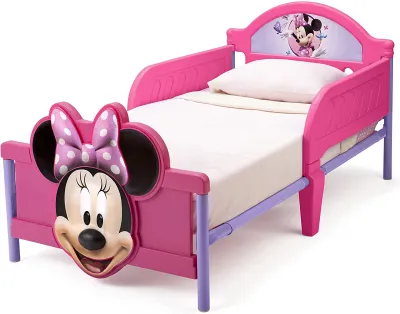

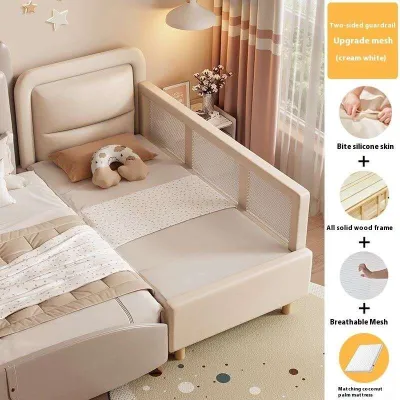
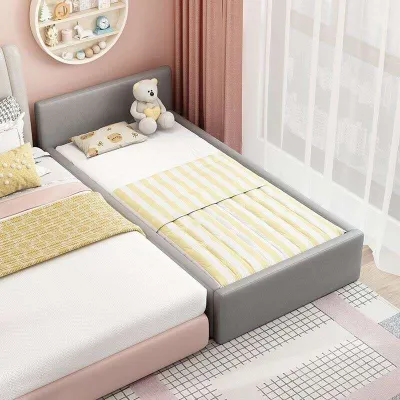
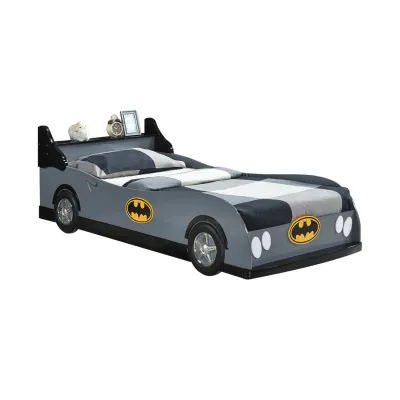
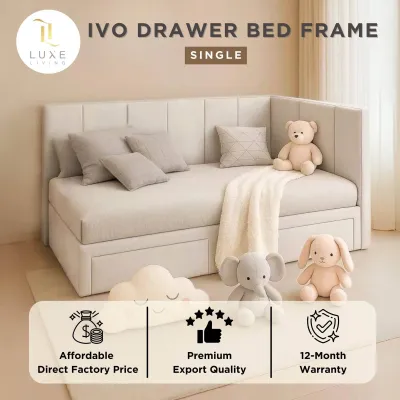
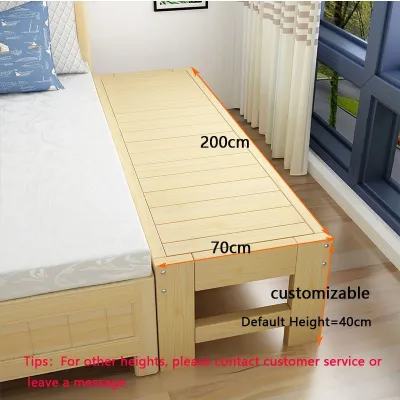

Prices are valid at publication and may change. Please refer to the product page for the latest price.
To ensure these claims are genuine, cross-reference the certification numbers provided by the manufacturer with official certification body databases or request the formal test reports directly from the retailer. Legitimate brands will readily provide these documents upon request. It is crucial to distinguish between mandatory regulatory marks required for import and sale, and voluntary testing certifications conducted by independent third-party laboratories. Voluntary certifications often indicate that a manufacturer has gone above and beyond basic requirements to test for structural durability and chemical safety.
Be highly cautious of vague marketing terms like “compliant with safety standards” or “tested for safety” when they lack visible certification logos or accessible test report references. Without a specific standard number and a verifiable testing agency, these claims carry little weight. In Singapore’s retail landscape, where furniture is sourced globally, verifying that a product has been tested to a specific, recognized standard is the most reliable way to ensure it can withstand daily use by active children.
Essential Physical Safety Checks Before Purchase
While paper certifications provide a vital foundation, they should always be paired with a physical inspection or a detailed review of dimensional diagrams. Evaluating the bed frame in person at a showroom allows you to assess the real-world manufacturing quality, joint stability, and material feel. If you are purchasing online, you must carefully study the manufacturer’s technical drawings and specifications to ensure the physical dimensions align with safety recommendations. Physical checks act as a practical safeguard, catching any manufacturing variances or design flaws that paper certificates might not fully convey.

Guardrails and Fall Prevention
Guardrails are the primary defense against nighttime falls, making their height and structural integrity paramount. When evaluating a bed frame, measure the guardrail height relative to the specific mattress you plan to use. The top of the guardrail must extend significantly above the mattress surface—typically at least 125 to 160 millimeters—even when accounting for mattress compression when your child lies down. If the mattress is too thick, it reduces the effective height of the guardrail, rendering it ineffective.
Additionally, inspect how the guardrails are attached to the bed frame. They must be securely locked into place with hardware that cannot be easily opened, lowered, or dismantled by a child’s hands. Removable guardrails should require a deliberate, multi-step action or specific tools to detach. Finally, verify that the guardrails extend sufficiently along the length of the bed. While a small gap is necessary to allow safe entry and exit, the primary sleeping area must be fully protected to prevent a sleeping child from rolling out.
Structural Gaps and Entrapment Risks
Entrapment is a serious hazard that occurs when gaps in a bed frame are large enough to admit a child’s body but too small to let their head or limbs pass through safely. To prevent this, you should measure the gaps between slats, guardrail bars, and the main frame. Standard safety guidelines dictate that these gaps should either be smaller than 60 millimeters to prevent a limb from slipping through, or larger than 230 millimeters to ensure a child’s head and torso can pass through completely without getting stuck. Avoid gaps that fall within the dangerous middle range.
Pay close attention to the design of the headboard and footboard. Inspect these areas for V-shaped openings, decorative cutouts, or open scrollwork that could catch a child’s head, neck, or even loose clothing and necklaces. Furthermore, if the bed frame features moving parts—such as pull-out trundles, integrated storage drawers, or adjustable panels—verify that they include anti-pinch mechanisms or sufficient clearances. These features prevent small fingers and toes from being crushed or trapped when the components are opened or closed.
Stability and Tip-Over Prevention
Children often treat their beds as play areas, making stability and tip-over prevention critical design factors. Evaluate the bed frame’s base footprint, overall weight, and weight distribution. A bed frame with a wider base and a lower center of gravity is inherently more stable and less likely to tip over during active play. For taller designs, such as loft beds or bunk beds, check if the manufacturer includes dedicated wall-anchoring kits. Securing these top-heavy frames directly to wall studs is a vital safety step that must not be skipped.
The access points of elevated beds also require close inspection. Test the sturdiness, slip resistance, and attachment method of any integrated ladders or step-stools. The ladder must be securely bolted to the bed frame rather than simply hooked over the side, as hooks can easily slide or detach when a child climbs. Steps should have a textured, non-slip surface to prevent slipping, especially in Singapore’s humid climate where bare feet can easily lose traction on smooth wood or metal.
Material and Finish Safety Considerations
The materials and finishes used on a children’s bed frame have a direct impact on indoor air quality and physical safety. Always check the manufacturer’s specifications and product labels for non-toxic, lead-free, and low-VOC (volatile organic compounds) finishes. Children often chew on bed rails or touch them frequently, making certified non-toxic coatings essential to prevent chemical exposure. Look for certifications that verify low chemical emissions, which help maintain a healthy indoor environment in air-conditioned or enclosed bedrooms.
Beyond chemical safety, conduct a thorough physical inspection of the bed frame’s surfaces. Run your hands along the wood or metal to check for splinters, sharp edges, rough sanding, or protruding hardware. All screws, bolts, and brackets should be countersunk or covered with smooth plastic caps to prevent them from catching on skin or clothing. A well-finished bed frame should have rounded corners and smooth edges throughout its design.
Finally, review the manufacturer’s care and cleaning instructions. Safe maintenance is crucial, as using harsh household chemicals or abrasive cleaners can degrade protective coatings and expose raw materials over time. Ensure the recommended cleaning methods are simple—such as wiping with a damp cloth and mild soap—and do not compromise the integrity of the non-toxic finishes.
Assembly, Installation, and Ongoing Maintenance
A safety-certified bed frame is only safe if it is assembled and maintained correctly. When setting up the bed, it is critical to follow the manufacturer’s exact assembly sequence and use only the provided or explicitly specified hardware. Substituting missing screws with random hardware from a local store can compromise the structural integrity of the frame. If a piece of hardware is missing or damaged, pause the assembly and contact the manufacturer or retailer for an official replacement.
Once the bed is in use, establish a routine maintenance schedule to inspect the frame every few months. Singapore’s seasonal humidity changes can cause wood to expand and contract slightly, which may loosen joints over time. Use this routine check to tighten bolts, inspect wooden slats for cracking or structural fatigue, and ensure the guardrails remain rock-solid.
If you observe any signs of severe wear—such as bent metal brackets, loose or wobbly guardrails, cracked wooden supports, or compromised joints—you must immediately stop using the bed. Do not attempt temporary DIY fixes for major structural issues. Instead, contact the manufacturer or a qualified professional to assess whether the frame can be safely repaired or if it must be replaced entirely.
Frequently Asked Questions (FAQ)
Are bunk beds safe for young children?
Bunk beds can be safe, but they are generally not recommended for children under the age of six. Younger children often lack the physical coordination, balance, and developmental maturity required to safely navigate ladders and sleep on an elevated platform. When considering a bunk bed for older children, perform specific physical checks unique to these designs. Ensure the top bunk guardrails are continuous on all sides, with only a single narrow opening for the ladder. Verify that the ladder is rigidly attached to the frame and that the structural weight limits specified by the manufacturer are strictly respected to prevent overloading.
What should I do if the bed frame lacks a visible safety label?
If a children’s bed frame lacks a visible safety label or certification mark, do not assume it is safe. Your first step should be to contact the retailer or manufacturer directly to request official test reports, compliance certificates, or material safety data sheets. A reputable company should be able to provide documentation linking the product to a recognized safety standard. If the seller cannot or will not provide verifiable proof of safety testing, it is best to avoid the product. Relying solely on manual physical checks is risky when internal structural integrity and chemical safety cannot be verified.

Community discussion
Share your experience or ask a question. Comments are reviewed before publication.