
Chair leg socks offer a simple, quiet, and highly effective way to protect your floors from unsightly scratches and reduce the scraping noise of moving furniture. While these fabric sleeves are incredibly convenient, they are not permanent fixtures. Depending on how often you move your chairs, the type of flooring you have, and the quality of the material, their lifespan can range from a few months to over a year. Knowing when to replace them is key to ensuring your hardwood, laminate, or tiled floors remain completely undamaged.
To maintain continuous protection, you must regularly inspect these accessories for wear. Replacing them at the first sign of degradation prevents the hard wood or metal of the chair legs from grinding directly into your floor surfaces. Understanding the variables that impact their durability will help you get the most out of your investment and recognize exactly when it is time for a fresh set.
Factors That Determine How Long Chair Leg Socks Last
The durability of chair leg protectors is highly variable and depends on several daily household factors rather than a fixed expiration date. The most significant factor is the frequency of use and the typical movement patterns of your furniture. Dining chairs that are pulled out and pushed in multiple times a day experience far more friction and downward pressure than a study desk chair or an occasional accent chair. This repetitive sliding action gradually wears down the fibers at the contact point.
Products mentioned in this guide
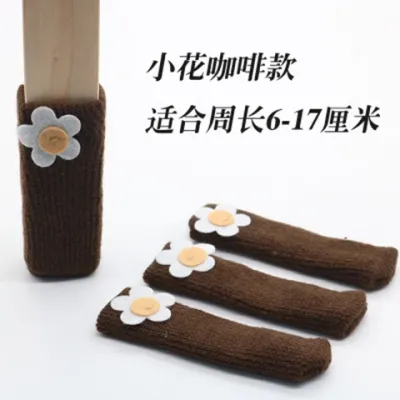
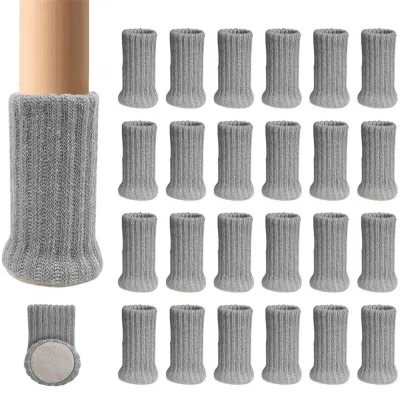
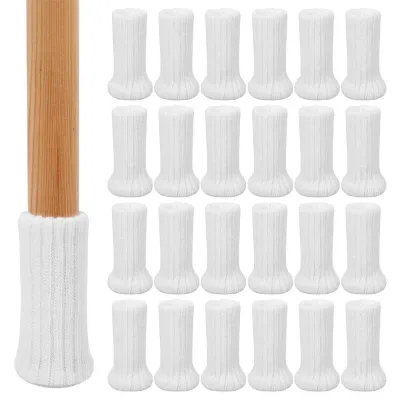
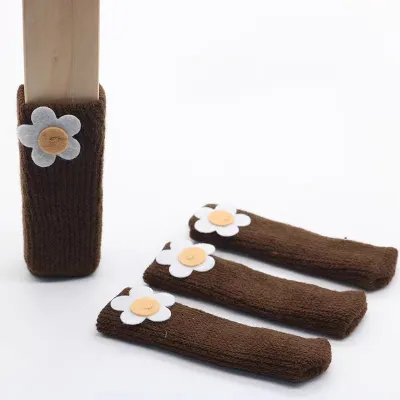
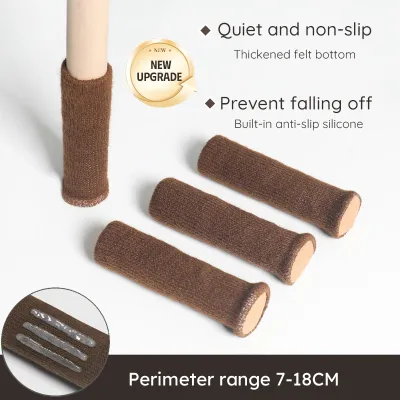
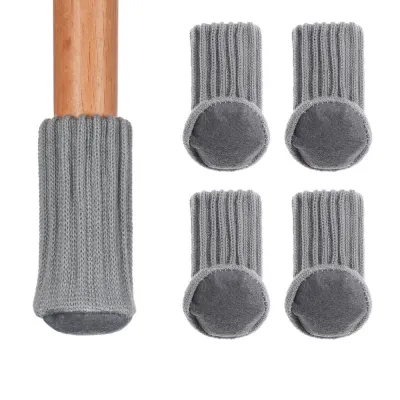
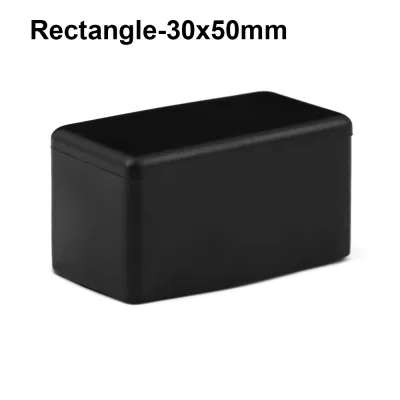
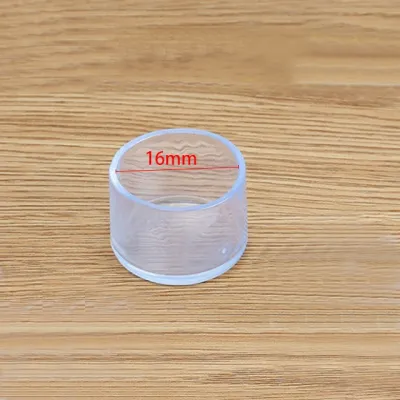
Prices are valid at publication and may change. Please refer to the product page for the latest price.
Floor surface texture also plays a massive role in how quickly the fabric degrades. Smooth surfaces like polished marble, vinyl, or sealed hardwood cause minimal friction, allowing the socks to glide easily and last much longer. Conversely, textured ceramic tiles, rough stone, or floors with wide, deep grout lines act like sandpaper, rapidly wearing through even the toughest knitted materials.
Material composition, thickness, and structural design are equally critical to longevity. Basic single-layer knitted fabric socks might stretch out or wear through quickly under heavy use. In contrast, options reinforced with internal silicone grips or heavy-duty felt pads integrated into the bottom tend to hold their shape and resist abrasive wear much better over time.
Finally, environmental conditions can impact the structural integrity of the fabric. In warm, humid climates like Singapore, moisture in the air or frequent floor mopping can leave the bottom of the socks damp. If the fabric remains wet for extended periods, it can weaken the fibers, degrade any internal elastic bands, and potentially trap moisture against your wooden chair legs, leading to wood rot or discoloration.
Clear Signs It Is Time to Replace Your Chair Leg Socks
To prevent floor damage, you should establish a quick, routine check of your furniture accessories. The most obvious indicator that your chair leg socks have reached the end of their lifespan is visible wear and tear. Look closely at the bottom of each sock for thinning fabric, small holes, or fraying threads. Once a hole forms, the chair leg will make direct contact with the floor, rendering the protector useless.

Another clear sign of failure is a loss of elasticity. If you find yourself constantly bending down to pull up sagging socks, or if they slip off entirely when the chair is lifted, the internal elastic or silicone grip has degraded. Loose socks can bunch up under the leg, creating an uneven, unstable seating surface that can affect the chair’s overall balance.
Over time, the soft fibers of the fabric will inevitably trap dust, pet hair, and tiny outdoor grit. This accumulation of hardened dirt and embedded debris on the bottom surface can turn a soft protector into an abrasive pad. If the bottom feels stiff, crusty, or dirty even after a wash, it is time to discard them before they begin scratching your floors.
Lastly, pay close attention to sensory cues in your home. If you start noticing new scuff marks, faint scratches, or if that familiar, annoying scraping noise returns when you slide your chair, the socks are no longer providing adequate cushioning. Do not wait for the fabric to disappear completely; replace them as soon as you notice a change in how the chair glides.
How to Extend the Lifespan of Your Chair Leg Protectors
While chair leg socks will eventually need to be replaced, you can take several practical, low-risk steps to maximize their lifespan. Regular cleaning is one of the easiest ways to prolong their usability. Periodically removing the socks to shake out trapped dust or gently hand washing them prevents abrasive grit from building up on the bottom and wearing down the fibers.
Proper installation is also crucial for preventing premature stretching and tearing. When putting the socks on, ensure they are pulled straight and fit snugly without being overstretched. If a sock is too small for the leg, the constant tension will rapidly degrade the elastic fibers and cause the fabric to split along the seams.
Adjusting your daily movement habits can make a significant difference in reducing wear. Whenever possible, try to lift chairs slightly rather than dragging them across the room, especially when carrying heavier loads. This simple habit drastically reduces the shear force exerted on the fabric and keeps the protectors in good condition for longer.
Before installing any new protectors, take a moment to inspect the bare bottom of each chair leg. Check for protruding nails, rough wood splinters, or sharp plastic glides left over from old factory protectors. Sanding down these rough spots and ensuring the leg bottom is smooth prevents the chair itself from puncturing or tearing the new fabric socks from the inside.
Choosing the Right Replacement Chair Leg Socks
When it comes time to purchase replacements, selecting the right style based on why your previous set failed will save you time and money. Start by taking precise measurements of your chair legs. Measure both the width and the shape—whether round, square, or tapered—to ensure you select a size that offers a snug, secure fit without overstretching the fabric.
Next, evaluate the base materials based on your specific flooring. If you have textured tile floors, look for chair leg socks that feature reinforced felt or rubber pads integrated into the bottom, as these provide a sturdier barrier against rough surfaces. For smooth hardwood or vinyl, a soft, double-layered knit fabric may be perfectly sufficient to ensure a quiet glide.
Always check the manufacturer care labels and material specifications before buying. Opt for options that explicitly state they are washable and feature high-density elastic or internal silicone beads, which help keep the socks firmly anchored to the legs over long-term use. Spending a modest amount, often under S$15 for a quality set, can save you from costly floor refinishing projects later.
Consider the traffic level of each piece of furniture in your home. High-use dining chairs warrant investing in premium, thick-knit socks with reinforced bases, while low-traffic guest chairs or bedroom vanity stools can easily get by with lighter, more basic fabric sleeves.
Frequently Asked Questions (FAQ)
Can I wash chair leg socks to make them last longer?
Yes, washing can help restore their cleanliness and remove abrasive grit, but you must check the manufacturer’s care label first. Use a gentle hand wash or a delicate machine cycle in cool water, as hot water can destroy the elastic fibers or melt internal silicone grips. Always allow them to air dry completely before putting them back on; trapping dampness inside the sock can damage your chair legs and cause mold growth, especially in humid environments.
Do chair leg socks work on all types of flooring?
While chair leg socks are highly versatile, they perform best on smooth surfaces like hardwood, laminate, luxury vinyl, and polished stone. On highly textured floors, rough slate, or tiles with deep grout lines, the fabric can easily snag, fray, or wear down prematurely. For these rougher surfaces, look for specialized protectors that feature a solid, reinforced base or heavy-duty felt bottom designed to glide over uneven joints without catching.

Community discussion
Share your experience or ask a question. Comments are reviewed before publication.