
Protecting your floors from the daily scrape of chair legs is essential for preserving both the beauty and the value of your home. Whether you are dealing with delicate parquet, polished marble, or modern luxury vinyl, the constant friction of moving chairs can quickly lead to unsightly scratches, scuffs, and deep gouges. Choosing the right barrier between your furniture and your floor is not a one-size-fits-all decision. The ideal solution depends on your specific flooring material, the weight of your furniture, and how often those pieces are moved.
While there are dozens of products on the market, they generally fall into three primary categories: fabric socks, adhesive pads, and slip-on caps. Fabric socks excel at noise reduction and smooth gliding for lightweight chairs, making them a popular choice for busy dining areas. Adhesive pads provide low-profile, heavy-duty cushioning that works beautifully for static furniture. Silicone or rigid caps offer a secure, mechanical grip that stays put on high-traffic seating. By evaluating your home’s unique layout and usage patterns, you can select a protector that prevents floor damage without creating ongoing maintenance headaches.
How Socks, Pads, and Caps Actually Protect Your Floors
To make an informed choice, it helps to understand how each protector type interacts with both the chair leg and the floor surface. Each design uses a different mechanical approach to manage friction, distribute weight, and absorb impact.
Products mentioned in this guide
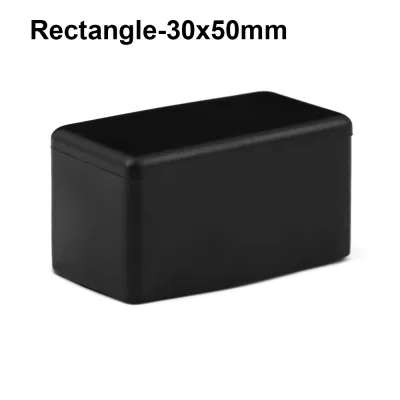
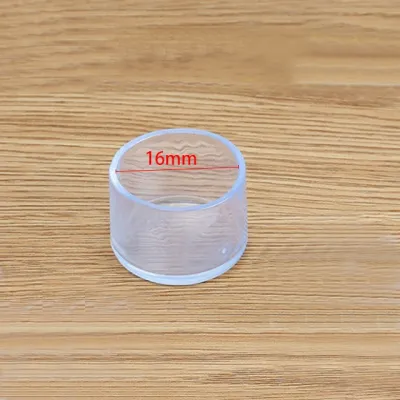
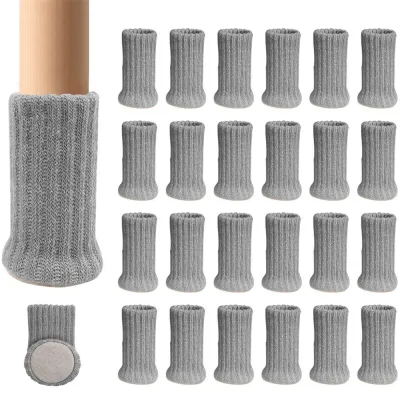
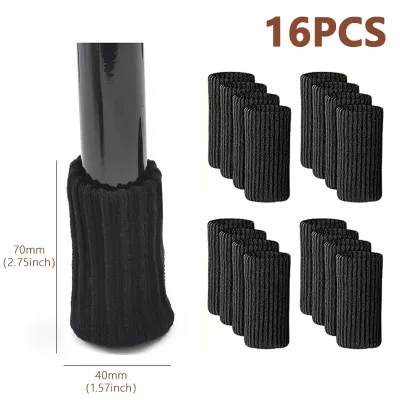
Prices are valid at publication and may change. Please refer to the product page for the latest price.
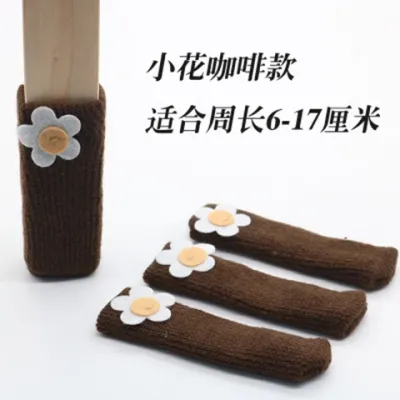
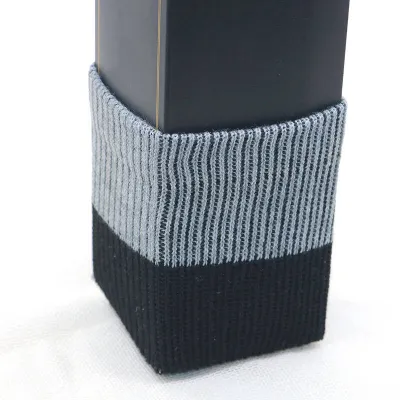
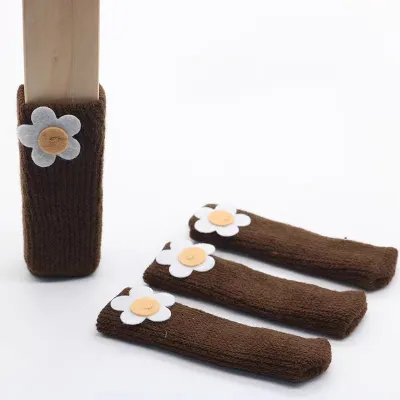
Chair leg protector socks are fabric-based, slip-on sleeves that wrap around the bottom of the chair leg. Typically knitted from acrylic, cotton, or polyester blends mixed with elastic spandex, they function much like human socks. They protect floors by establishing a soft, low-friction fabric barrier that glides easily across smooth surfaces. Because the fabric is flexible, it naturally muffles the sharp, scraping noises of moving chairs, making them an excellent choice for open-plan living spaces where sound travels easily.
Adhesive pads are flat discs or sheets made of compressed felt, dense rubber, or soft silicone that stick directly to the bottom of the chair leg. They rely on a strong adhesive backing to stay in place. Instead of wrapping around the leg, they sit entirely underneath it, remaining virtually invisible during daily use. Pads protect floors by providing a dedicated cushion that absorbs downward pressure and prevents the hard wood, metal, or plastic of the chair leg from making direct contact with the floor.
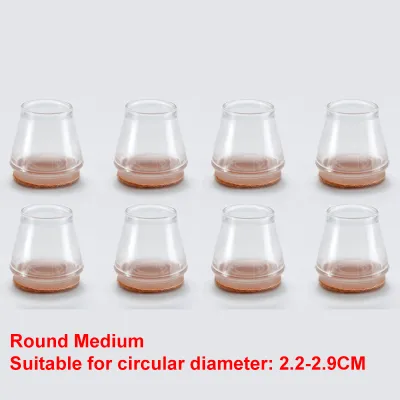
Chair leg caps are rigid or semi-rigid cups, usually made of clear silicone, flexible rubber, or hard plastic, that encase the bottom of the leg. Many high-quality caps feature a felt or Teflon pad integrated into the bottom of the cup. Unlike pads that rely solely on glue, caps use a mechanical stretch-fit or friction grip to stay secured to the leg. This design focuses on heavy load distribution and ensures the protector remains firmly attached, even when chairs are dragged repeatedly across textured surfaces.
Matching Protectors to Your Flooring Material
Different flooring materials have distinct vulnerabilities, meaning a protector that works perfectly in a carpeted bedroom might fail on a tiled kitchen floor. Understanding these material properties is key to preventing long-term damage.

Hardwood and laminate floors, such as traditional parquet or engineered timber, are highly susceptible to scratching and moisture damage. While adhesive felt pads are a classic choice for these surfaces, they carry a hidden risk. In warm, humid climates, the adhesive on cheap pads can soften and slide out of place, leaving a sticky residue on your floor that attracts dirt and acts like sandpaper. Fabric socks and high-quality silicone caps with integrated felt bottoms offer a safer, non-marking glide that protects delicate wood finishes without the risk of adhesive transfer.
Tile and stone floors, including homogeneous tiles and polished marble, present a different set of challenges. These surfaces are incredibly durable but can crack under sudden, heavy impacts. They also feature grout lines that can catch the edges of thin protectors. Thick, shock-absorbing silicone caps or heavy-duty rubber pads are ideal here, as they cushion the impact of heavy furniture. However, be cautious with fabric socks on textured stone or rough grout; the uneven surface can quickly snag and fray the knit fibers, shortening the lifespan of the sock.
Vinyl and linoleum floors, particularly luxury vinyl tiles, are highly resistant to moisture but can suffer from scuffing and chemical staining. Some rubber-based pads contain plasticizers that can chemically react with vinyl, leaving permanent yellow stains. For these floors, smooth-gliding fabric socks or clear silicone caps are highly recommended.
Before purchasing any protector, always check your flooring manufacturer’s care guidelines and warranty terms. Some warranties explicitly prohibit the use of certain adhesives or rubber backings, meaning the wrong choice could void your coverage if the floor is damaged.
Factoring in Furniture Weight and Movement Frequency
The physical demands placed on your furniture should heavily influence your choice of protector. A dining chair that is pulled out multiple times a day requires a very different solution than a heavy sideboard that stays in place for years.
For lightweight, frequently moved furniture like dining chairs or study stools, lateral friction is the primary enemy. When a chair is dragged, it exerts a sideways force on the protector. Adhesive pads often fail under this repeated lateral stress, shearing off the leg and exposing the bare wood or metal beneath. Fabric socks and stretch-fit silicone caps excel in this scenario because they wrap around the leg, distributing the lateral force across the entire sleeve rather than relying on a thin layer of glue.
For heavy, static furniture such as solid wood dining tables, sofas, and wardrobes, downward pressure is the main concern. Heavy pieces can cause deep indentations in softer wood or vinyl floors over time. Thin fabric socks are unsuitable here, as the heavy weight will compress the fibers completely, rendering them ineffective at absorbing shock. Instead, thick, high-density felt pads or heavy-duty rigid caps are necessary to distribute the heavy load across a wider surface area and prevent permanent floor compression.
Many homes feature a mix of both furniture types, requiring a hybrid approach. You might choose matching fabric socks for your dining chairs to keep the room quiet and easy to clean, while opting for heavy-duty, low-profile felt pads for the nearby dining table and sofa legs to keep them securely cushioned without altering the room’s aesthetic.
Installation, Maintenance, and Longevity
Every protector type requires a different level of effort to install, maintain, and eventually replace. Factoring these practical steps into your decision will save you time and frustration down the road.
Installing fabric socks is incredibly simple: you simply stretch them over the chair legs like regular socks. They require no tools, no cleaning of the leg bottom, and can be installed in seconds. Adhesive pads require meticulous surface preparation. To ensure a strong bond, you must thoroughly clean the bottom of the chair leg with isopropyl alcohol to remove dust and old wax, let it dry completely, and then carefully align and press the pad into place. Silicone caps require a moderate amount of physical effort to stretch over the leg tips, but they provide a highly secure, custom-fit seal once in place.
Maintenance routines also vary widely. Fabric socks naturally collect dust, pet hair, and lint from the floor, meaning they will need to be slipped off and tossed into the washing machine or hand-washed periodically. Silicone caps can be easily wiped clean with a damp cloth without removing them. Adhesive pads, however, cannot be cleaned once they become dirty. Over time, felt pads will accumulate grit, hair, and dust, turning them into abrasive pads that can actually scratch your floors if left unchanged.
Monitoring your protectors for wear is crucial for floor safety. Check your fabric socks regularly for thinning soles or fraying threads. For adhesive pads, watch for sliding, flattening, or peeling edges. For silicone caps, inspect the material for splitting or cracking, especially if the chair legs are angled. Typically, adhesive pads need replacement every six to twelve months in active households, while high-quality silicone caps and washable socks can last significantly longer if properly maintained.
Decision Framework: Which Protector Should You Choose?
To finalize your decision, use this straightforward framework to match your household needs to the right product:
Choose fabric socks if:
- Noise reduction is your absolute highest priority.
- Your chairs are lightweight and moved constantly.
- You prefer a low-effort, machine-washable maintenance routine.
- You want a cozy, casual aesthetic for your living space.
Choose adhesive pads if:
- You want a completely invisible protector that does not alter the look of your furniture.
- Your furniture is heavy, stationary, or rarely moved.
- Your chair legs have flat, clean bottoms that provide excellent adhesion.
Choose silicone or rigid caps if:
- You want a highly secure, stay-on solution that will not slip off under lateral friction.
- Your chair legs are angled, tapered, or have irregular shapes that make adhesives fail.
- You have hard tile or stone floors that require robust impact protection.
- You want an easy-to-clean option that can be wiped down in place.
Always verify your flooring manufacturer’s warranty guidelines regarding acceptable materials before making a final purchase, ensuring your chosen protector is fully compatible with your floor’s specific finish.
Frequently Asked Questions (FAQ)
Do chair leg protector socks work on square or rectangular legs?
Yes, most high-quality chair leg protector socks are made with highly elastic materials like spandex, allowing them to stretch and conform to various shapes, including square and rectangular legs. However, sharp corners on square legs can put extra stress on the fabric, potentially leading to premature tearing or slipping. If you have square legs with sharp edges, look for socks specifically knitted with reinforced corners, or consider switching to flexible silicone caps designed specifically for square profiles to ensure a secure, long-lasting fit.
Can adhesive pads damage the finish on wooden chair legs?
Yes, adhesive pads can potentially damage the finish on wooden chair legs, particularly when they are removed. Over time, the adhesive can bond strongly to the wood finish, especially in warm or humid environments. When you peel the old pad off to replace it, it can pull away loose varnish, paint, or wood stain. To minimize this risk, always test the adhesive on an inconspicuous area of the chair leg first. Alternatively, you can opt for non-adhesive solutions like slip-on fabric socks or soft silicone caps, which protect your floors without applying any sticky substances to your furniture’s finish.

Community discussion
Share your experience or ask a question. Comments are reviewed before publication.