
Yes, a single, strategically chosen multi-functional storage cupboard can replace multiple separate furniture pieces in a studio or 1-room HDB flat, but this consolidation requires careful planning around layout, access, and daily habits. In compact Singapore homes, floor space is at an absolute premium. Placing separate pieces of furniture—such as a standalone wardrobe, a TV console, a bookshelf, and a kitchen utility cart—rapidly eats up precious square footage, leaving narrow, cluttered walkways. By consolidating these storage needs into one vertical unit, you reclaim valuable floor space and create a more cohesive, visually open living environment. However, success depends entirely on choosing a unit with the right internal configurations, ensuring proper structural anchoring, and understanding what can and cannot be safely stored together.
The Spatial Reality of Studio and 1-Room HDB Flats
In Singapore, studio apartments and 1-room or 2-room Flexi HDB flats typically range from 36 to 46 square meters, with some older rental units being even smaller. In these compact layouts, every square meter must serve multiple purposes. The living room, bedroom, and dining area often merge into a single open-concept zone. When you attempt to furnish this space using traditional, single-purpose furniture pieces, the room quickly feels fragmented and cramped.
A standalone wardrobe, a low-slung TV console, a separate bookshelf, and a mobile kitchen cart each carry their own physical footprint penalty. This penalty is not just the physical space the furniture occupies on the floor, but also the clearance zones required to open doors, pull out drawers, and walk around each piece. When these items are scattered across a single room, they break up the visual flow, making the flat feel smaller than it actually is.
Products mentioned in this guide
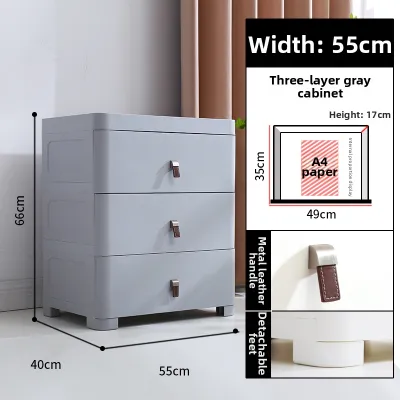
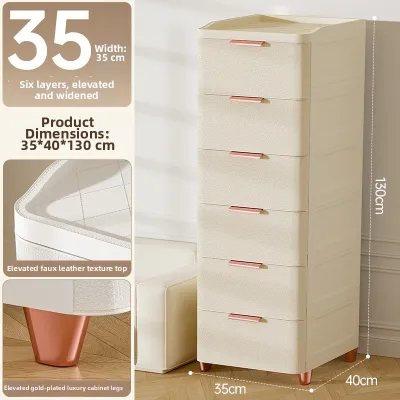
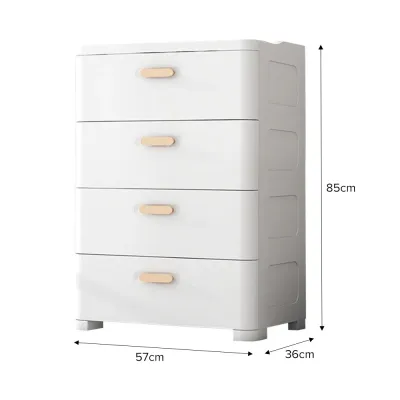
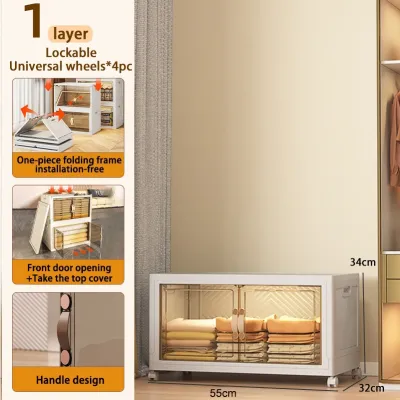
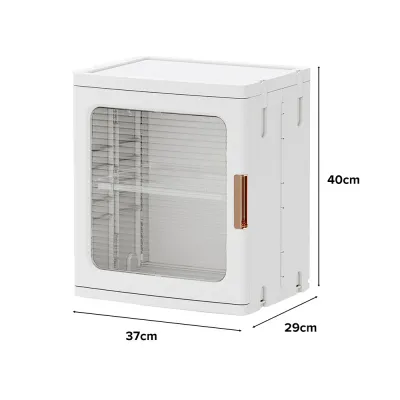
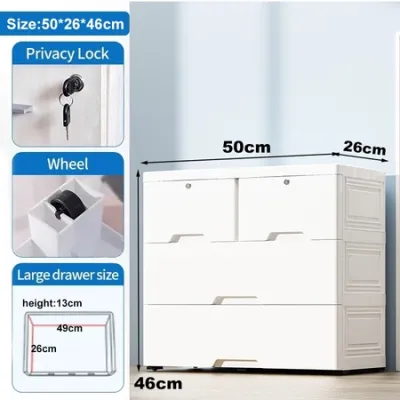
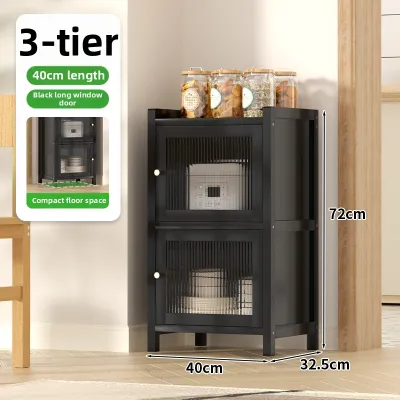
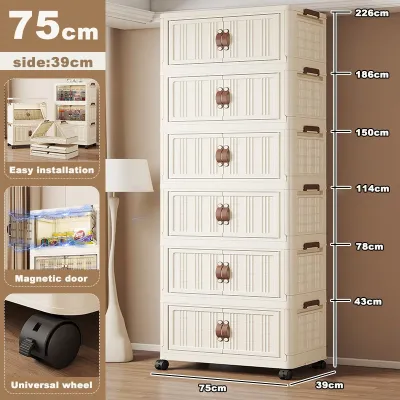
Prices are valid at publication and may change. Please refer to the product page for the latest price.
The core problem is this fragmented storage footprint. Multiple small units create visual noise and physical friction, leaving you with awkward, unusable gaps between furniture pieces. A single, tall storage cupboard resolves this by utilizing vertical space. Instead of spreading your belongings horizontally across five different zones, you stack them vertically in one dedicated area, freeing up floor space for living, dining, or moving around comfortably.
How One Cupboard Can Replace Multiple Furniture Pieces
Consolidating your furniture into a single multi-functional storage cupboard is highly effective, provided you choose a modular or highly adjustable design. The goal is to create distinct functional zones within a single exterior frame, allowing the unit to act as a wardrobe, media center, and pantry simultaneously.

Replacing the Wardrobe and Dresser
To successfully replace a traditional wardrobe and dresser, look for a storage cupboard that offers a mix of full-height hanging space, shallow drawers, and adjustable shelving. The upper sections of the cupboard can be fitted with sturdy hanging rails to keep formal wear, shirts, and dresses wrinkle-free.
The lower sections should feature smooth-gliding drawers or pull-out baskets to organize undergarments, folded clothes, and everyday accessories. Adjustable shelving is crucial here; it allows you to modify the interior height as your wardrobe changes or to create a dedicated compartment for bulky travel bags or seasonal bedding. If your flat lacks an entryway shoe cabinet, the lowest shelves of this section can even be designated for footwear, keeping your entryway clear.
Replacing the TV Console and Display Shelving
A multi-functional unit can easily double as an entertainment hub, eliminating the need for a separate TV console. Look for a configuration with a wide, open middle section or a reinforced alcove designed to hold a television screen.
Cable management is a vital consideration for this zone. Ensure the cupboard features pre-drilled cable access holes or an open-back design in the media compartment to route power cords and HDMI cables neatly to the wall outlet. Ventilation is equally important; closed cabinets housing media boxes, game consoles, or routers can trap heat, so ensure these compartments have slatted doors or sufficient clearance around the electronics. The surrounding upper or side shelves can feature glass doors or open shelving to display books, indoor plants, and decorative items, serving the exact purpose of a standalone bookshelf without the extra footprint.
Replacing the Pantry or Household Cart
In a compact HDB flat, kitchen and utility storage often overflows into the main living space. A dedicated section of your multi-functional storage cupboard can serve as a highly organized pantry and utility zone.
Deep shelves or heavy-duty pull-out drawers are ideal for storing dry food items, canned goods, and small kitchen appliances like blenders or air fryers that do not fit on your kitchen countertops. You can also dedicate a lower compartment to household cleaning supplies, keeping vacuum cleaners, mops, and detergents neatly tucked away. Because these items can sometimes leak or leave residues, choose a cupboard with easy-to-clean interior surfaces, or install removable plastic shelf liners to protect the wood or laminate from moisture and stains.
Essential Space and Layout Checks Before You Buy
Before purchasing a large multi-functional storage cupboard, you must conduct precise spatial and structural checks to ensure the unit can actually be delivered, installed, and used comfortably in your HDB flat.
Footprint vs. Volume Do not make the mistake of measuring only the floor footprint of the cupboard. While a unit might only take up 1.2 meters of wall width, its depth and height determine its true storage capacity (volume). Compare the total internal storage volume against the combined volume of the individual furniture pieces you plan to discard. Ideally, you want a unit that maximizes vertical height—reaching as close to the ceiling as possible—while keeping its depth shallow enough (typically 40 to 60 centimeters) to avoid protruding too far into your living space.
Clearances and Obstructions Measure your ceiling height at multiple points, as HDB concrete ceilings can sometimes have slight level variations. Take note of any structural beams, ceiling fans, light fixtures, or air conditioning units that could obstruct a tall cupboard. Next, map out the clearance zones for all doors and drawers. Ensure that when the cupboard doors are fully open, they do not block the main walkway, collide with other furniture, or obstruct the entry door of your flat. If space is exceptionally tight in front of the unit, prioritize sliding doors over hinged doors to eliminate the need for front clearance.
Delivery Access A massive, pre-assembled cupboard is of no use if it cannot reach your living room. Verify the finished dimensions of the cupboard’s largest individual components. Measure the height and width of your HDB lift doors, the clearance of the common corridor, and the dimensions of your flat’s main entrance door. If you live in an older HDB block with narrower lift cabins, you must opt for flat-packed, modular units that can be transported in smaller boxes and assembled directly inside your flat. Always check the manufacturer’s assembly conditions and delivery terms before finalizing your purchase.
When a Single Cupboard Is Not Enough
While a consolidated storage cupboard is an excellent space-saving solution, it has physical and practical limits. Overloading a single unit or storing incompatible items together can lead to damage, safety hazards, or daily inconvenience.
Ventilation and Moisture Singapore’s tropical, high-humidity climate poses a significant risk to enclosed storage. Wet items, damp umbrellas, or half-dried laundry should never be placed inside a closed storage cupboard, as this creates a breeding ground for mold and mildew. Similarly, heat-generating appliances like microwave ovens or coffee makers require dedicated, open-air storage. Placing these appliances inside a closed wooden cupboard can trap heat and moisture, potentially damaging the cupboard’s interior finish and posing a fire hazard. Keep these items on open kitchen countertops or well-ventilated utility racks.
Accessibility Trade-offs Consolidating all your items into one tall unit means some belongings will inevitably be harder to reach. High shelves near the ceiling are unsuitable for daily-use items and should be reserved for seasonal or rarely used goods. If you have physical limitations or find yourself constantly needing a stepladder to access basic necessities, a highly compartmentalized single cupboard may cause more daily frustration than separate, low-profile units. Carefully plan your storage hierarchy: place daily essentials at waist-to-eye level, and less frequent items at the very top or bottom.
Weight and Floor Loading When you consolidate books, heavy kitchen appliances, and household tools into a single vertical unit, the concentrated weight can be substantial. Before loading your cupboard, check the manufacturer’s specified weight limits for individual shelves and the unit as a whole. While HDB floors are designed to handle standard residential loads, placing an excessively heavy, concentrated load on a small footprint requires caution. Avoid stacking heavy metal items or massive book collections on a single shelf; distribute weight evenly, placing the heaviest items on the bottom shelves to maintain the unit’s center of gravity.
Specialized Items Certain items simply do not belong in a standard living room cupboard. Bulky sports equipment, bicycles, wet raincoats, and dirty outdoor gear require dedicated, specialized storage solutions. Trying to force these items into a multi-functional cupboard will reduce its usable volume for household essentials and risk damaging the cupboard’s interior.
Safe Installation and HDB Compliance Rules
Installing a tall, heavy storage cupboard in an HDB flat requires strict adherence to safety protocols and housing guidelines to protect your home and its occupants.
Anti-Tip Anchoring Any storage cupboard exceeding 1.2 meters in height poses a severe tip-over risk, especially when drawers are pulled out or if the unit is loaded unevenly. It is absolutely critical to anchor the cupboard securely to the wall using heavy-duty L-brackets or anti-tip straps. Never skip this step, particularly if you have children, pets, or elderly family members living in or visiting your home. A top-heavy cupboard can easily topple forward if a heavy drawer is fully extended or if someone leans on an open door.
HDB Wall Rules Before drilling into any wall to anchor your cupboard, you must identify the wall type. HDB flats feature a mix of structural reinforced concrete (RC) walls and non-structural internal partition walls (such as lightweight concrete panels or drywall). Structural walls are incredibly tough and require a rotary hammer drill and specialized masonry wall plugs to penetrate safely. Non-structural partition walls are easier to drill but have much lower load-bearing capacities; you must use specific hollow-wall anchors or locate the internal studs to ensure a secure hold. HDB guidelines strictly prohibit hacking or deeply drilling into structural walls without authorization, though standard shallow drilling for furniture anchoring is generally permitted.
When to Call a Professional If you are unsure of your wall type, suspect there may be hidden electrical wiring or water pipes behind the drilling zone, or feel uncomfortable handling heavy power tools, stop your DIY efforts immediately. Encountering a live electrical cable can cause severe injury or power outages, while puncturing a pipe can lead to expensive water damage. Hiring a qualified, insured professional handyman or carpenter ensures that your multi-functional cupboard is anchored safely, level, and in full compliance with local building standards.
Frequently Asked Questions (FAQ)
Do I need an HDB permit to install a tall, built-in storage cupboard?
No, you do not need an HDB permit to install freestanding or built-in carpentry like wardrobes and storage cupboards, provided the installation does not involve hacking or altering structural walls, columns, or beams. However, if your built-in cupboard requires modifying existing electrical wiring or plumbing lines, you must hire a licensed contractor to perform the work and ensure compliance with HDB and EMA regulations. Always verify that your installer is registered with HDB before starting any major carpentry work.
How do I prevent a multi-functional cupboard from warping in Singapore's humid climate?
To prevent warping and mold growth in Singapore’s humid environment, avoid placing the cupboard directly against external-facing concrete walls, which can transfer moisture during heavy rain. Leave a small gap of 2 to 3 centimeters between the back of the cupboard and the wall to allow air circulation. Choose cupboards made of moisture-resistant materials, such as high-pressure laminates or marine plywood, rather than untreated particleboard. Additionally, place reusable dehumidifier tubs or charcoal bags inside closed compartments, and open the cabinet doors periodically to let fresh air circulate.

Community discussion
Share your experience or ask a question. Comments are reviewed before publication.