
When shopping for a children’s bunkbed in Singapore, safety is the single most important factor to consider. Maximizing floor space in cozy HDB flats or condominiums makes bunk beds an incredibly practical choice, but elevating a child’s sleeping area introduces unique physical risks. To ensure your child’s bedroom remains a secure sanctuary, you must look beyond aesthetic appeal and focus on verified safety certifications, structural integrity, and precise physical dimensions. Selecting a compliant bunkbed requires understanding how international safety standards apply locally and knowing exactly what to inspect before making a purchase.
Navigating Safety Regulations and Certification Labels
In Singapore, consumer goods are overseen by the Consumer Product Safety Office (CPSO), which ensures that products sold to consumers meet general safety requirements. While there is no single, mandatory local registration number unique only to Singapore for children’s bunk beds, the CPSO expects suppliers to ensure their products are safe and fit for purpose. This means reputable retailers in Singapore typically align their inventory with rigorous, globally recognized international safety standards. When browsing options, you should actively look for compliance with standards such as the European Standard (EN 747), the American Standard (ASTM F1427), or the British Standard (BS EN 747). These frameworks dictate everything from structural strength to the chemical composition of the paint used on the frame.
To verify these claims, inspect the bunkbed frame, packaging, or official product documentation for physical certification tags or manufacturer declarations. On high-quality models, you will often find a permanent warning label or stamp affixed to the inside of the bed frame, usually on the upper bunk’s structure. This label should clearly state the standard it complies with, the manufacturer’s details, and the maximum mattress thickness allowed. If you are shopping online or cannot find a physical label on a showroom display, ask the retailer to provide the official test reports or compliance certificates issued by independent, accredited testing laboratories. Be cautious of vague claims like “tested for safety” or “meets high standards” without a specific standard code or verifiable documentation. Checking these details through official brand channels or authorized distributors ensures you are not purchasing an uncertified, generic import that bypasses basic safety checks.
Products mentioned in this guide
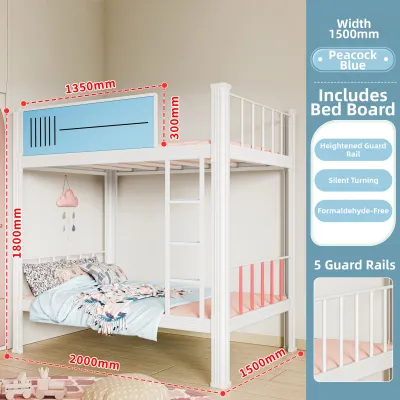
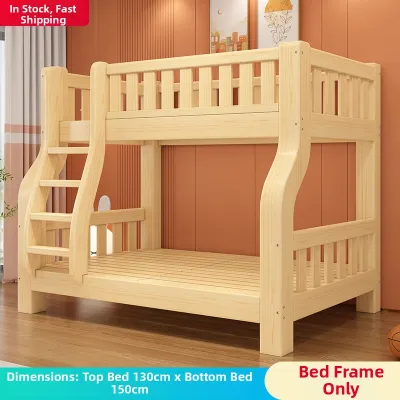
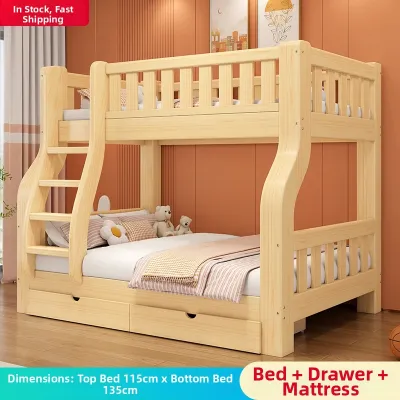
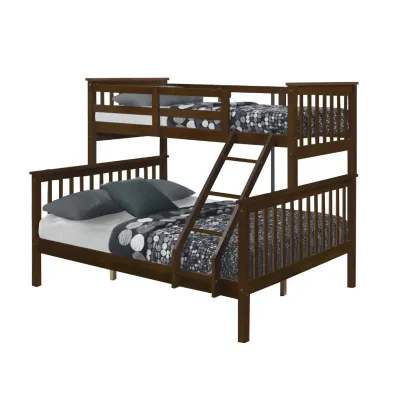
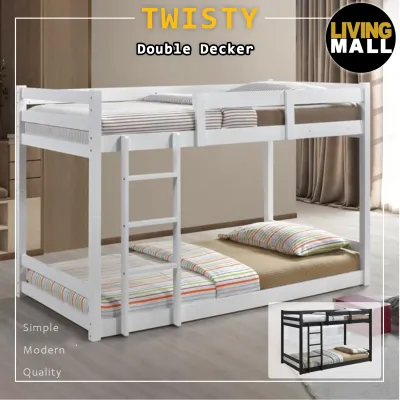

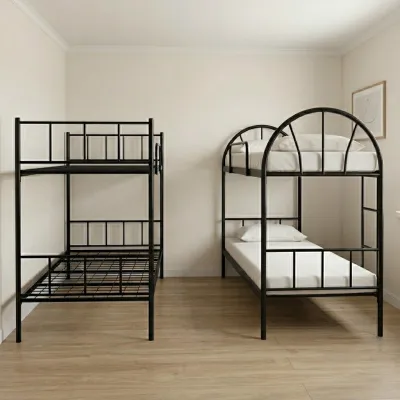
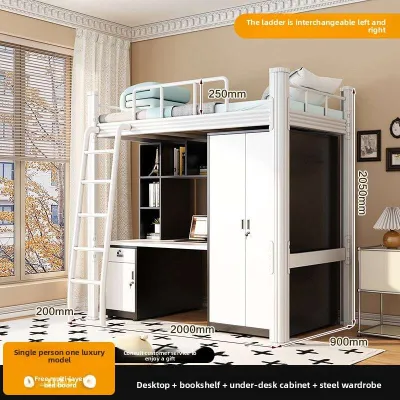
Prices are valid at publication and may change. Please refer to the product page for the latest price.
Essential Physical Safety Checks for Guardrails and Slats
The physical dimensions of a bunkbed are critical in preventing the two most common types of bunk bed accidents: falls and entrapment. Guardrails are the primary defense against accidental falls from the top bunk, and their height must be evaluated carefully. When measuring guardrail height, do not simply measure from the wooden frame; instead, measure from the top of the mattress to the very top edge of the guardrail. Safety standards generally require that the top of the guardrail sits at least 160 millimeters above the surface of the mattress. This clearance ensures that even when a child rolls over during sleep, the barrier is high enough to prevent them from tumbling over the edge. Always check the manufacturer’s specifications to determine the maximum mattress height allowed to preserve this safety margin.

Slat and gap spacing is another vital area where precise measurements prevent serious injury. Children, especially younger ones, are at risk of head, neck, or limb entrapment if the gaps within the bed structure are poorly designed. Inspect the spacing between the individual mattress support slats, the gaps between the guardrails, and the space between the frame and the ladder. According to standard safety guidelines, these gaps must be carefully controlled: they should either be small enough to prevent a child’s foot or hand from slipping through, or large enough that a child’s head cannot get trapped. Generally, gaps should not fall within the dangerous range of 60 millimeters to 75 millimeters, which is the typical size that can trap a child’s head or torso. Refer to the product manual to verify that the design adheres to these strict spacing limits.
Finally, the mattress itself must fit perfectly within the bed frame. A mattress that is too small will leave hazardous gaps along the sides or ends of the bed, creating entrapment zones where a child’s limb could get wedged. Conversely, a mattress that is too thick will compromise the effective height of the guardrails, rendering them useless. When purchasing a bunkbed, always buy a mattress that matches the exact length, width, and thickness dimensions recommended by the bed manufacturer.
Evaluating Ladders, Stability, and Load Capacity
A bunkbed must be structurally sound enough to withstand not just sleeping, but also the active movement of growing children. The ladder or staircase is the sole point of access to the top bunk and requires close inspection. Ensure that the ladder is securely attached to the bed frame with heavy-duty brackets or screws; it must not wobble, slide, or be easily detachable by a child. Look for ladders with wide, flat steps rather than narrow, round rungs, as flat steps provide better traction and reduce the risk of slipping. Anti-slip treads or textured surfaces on the steps add an extra layer of safety. Additionally, the spacing between the ladder steps should be uniform and comfortable for a child to climb, with no open gaps that could trap a foot.
Overall structural stability is paramount, especially in Singapore’s humid climate, which can cause wood to expand or contract slightly over time, potentially loosening joints. When examining a bunkbed, physically shake the frame to test for wobbling or swaying. High-quality bunk beds utilize robust joint connections, such as metal-to-metal barrel nuts and bolts, rather than simple wood screws that can strip the timber over time. For taller frames or lighter materials, look for models that include or recommend anti-tip wall anchoring hardware. Anchoring the bed securely to Singapore’s typical concrete or reinforced drywall walls prevents the entire structure from tipping over if a child decides to climb the outer frame.
Load capacity is another critical specification that must never be overlooked. Every reputable manufacturer will state a maximum weight limit for both the top and bottom bunks. When calculating whether a bed is suitable, remember that the load capacity must cover the combined weight of the mattress, all bedding, pillows, and the child. It is wise to choose a bunkbed with a weight capacity that leaves a generous margin for your child’s natural growth over the years. Never exceed these limits, and discourage children from using the top bunk as a play platform with multiple friends at the same time.
Safe Installation and Ongoing Maintenance Rules
Even the most certified, high-quality bunkbed can become hazardous if it is assembled incorrectly or placed in an unsafe location. When installing the bed, you must follow the manufacturer’s assembly instructions exactly. Use only the hardware provided in the packaging, and never substitute missing screws or bolts with random spare parts from a hardware store. If a part is missing or damaged during delivery, contact the retailer immediately for an official replacement rather than attempting a makeshift fix. Avoid making any aftermarket modifications, such as drilling new holes or adding unapproved attachments, as these can compromise the engineered structural integrity of the frame.
Room placement requires careful planning, particularly in Singapore homes where space is optimized. Position the bunkbed well away from ceiling fans and hanging light fixtures. A child sitting up or climbing onto the top bunk must have ample clearance from any moving fan blades or hot bulbs to prevent severe impact or burn injuries. Additionally, ensure the bed is placed far from windows, window blind cords, and curtain pull strings. Dangling cords present a serious strangulation hazard, and proximity to windows increases the risk of a child climbing out or falling through a screen.
Once the bunkbed is assembled and in use, safety remains an ongoing responsibility. Establish a routine inspection schedule—such as once every three to six months—to check the physical condition of the bed. Singapore’s tropical humidity can affect materials, so check for any wood splitting, splinters, or sharp edges that may have developed. Use a wrench or screwdriver to gently tighten all bolts and joint connections, as regular use and climbing can cause hardware to loosen over time. Verify that the guardrails and ladder remain rock-solid and show no signs of shifting or weakening.
Frequently Asked Questions (FAQ)
At what age is it safe for a child to sleep on the top bunk?
Pediatric and safety organizations globally recommend that children under the age of six should not sleep on the top bunk. Before this age, children typically lack the coordination, balance, and spatial awareness required to safely navigate the ladder, especially in the dark or when groggy from sleep. Beyond chronological age, consider your child’s individual development, sleep habits, and physical maturity. If your child is a restless sleeper, prone to sleepwalking, or frequently wakes up disoriented in the middle of the night, it is safer to keep them on the bottom bunk or in a standard single bed until they exhibit more stable sleep patterns.
Can I use a thicker mattress on the top bunk for extra comfort?
No, you should never use a mattress on the top bunk that exceeds the maximum thickness specified by the manufacturer. Bunk beds are engineered as a complete safety system, and the height of the guardrail is directly dependent on the thickness of the mattress. If you install a thicker mattress, you reduce the effective height of the guardrail, making it much easier for a child to roll over the barrier and fall to the floor. Always check the warning label on the bunkbed frame or consult the instruction manual to find the exact maximum mattress thickness allowed, and adhere to it strictly to maintain the necessary safety clearance.

Community discussion
Share your experience or ask a question. Comments are reviewed before publication.