
Selecting the perfect wooden dining chairs involves balancing visual design with daily functional demands. The ideal style does not merely match your dining table; it integrates with your home’s architectural lines, flooring tones, and spatial capacity. Whether you are furnishing a bright, minimalist apartment or a formal dining room, understanding how different wood species, finishes, and silhouettes interact with your environment is the key to creating a cohesive space.
Wooden dining chairs serve as both functional seating and visual anchors. By examining the structural and aesthetic elements of various design movements—from the clean lines of Scandinavian design to the rich details of traditional craftsmanship—you can select chairs that elevate your interior. This guide explores the primary wooden dining chair styles, explains how to harmonize them with your existing decor, and provides essential buying checks tailored for local living environments.
How to Match Wood Tones and Silhouettes to Your Decor
To create a harmonious dining area, you must first evaluate how the physical characteristics of wooden dining chairs interact with your existing space. Wood is a highly tactile and visual material, meaning its color, grain pattern, and overall shape will significantly influence the room’s atmosphere. Before committing to a specific style, take time to analyze your flooring, wall colors, and the natural light available in your dining room.
Products mentioned in this guide
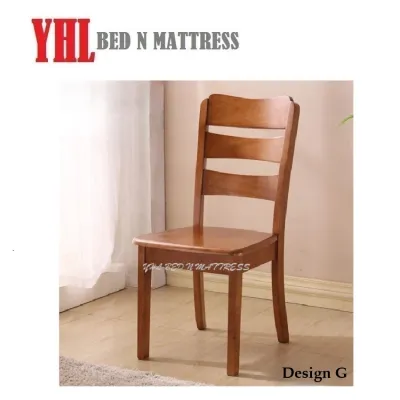
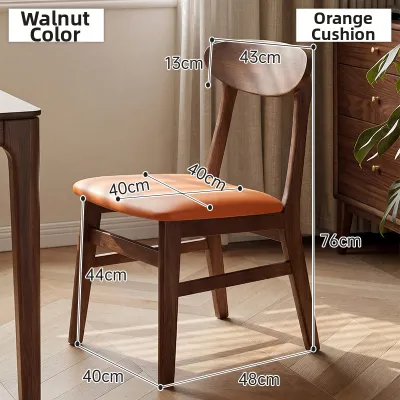
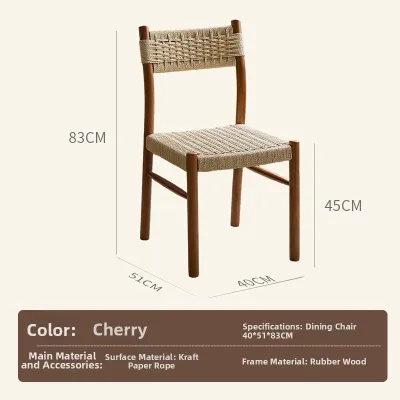
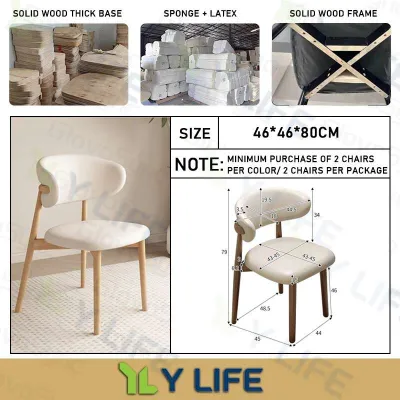
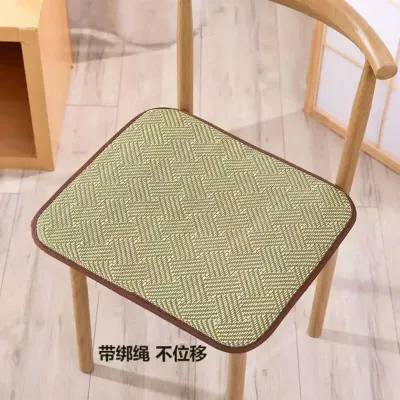
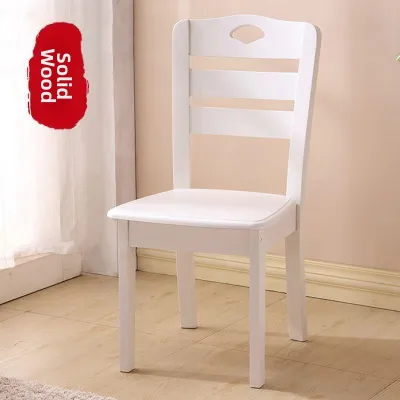
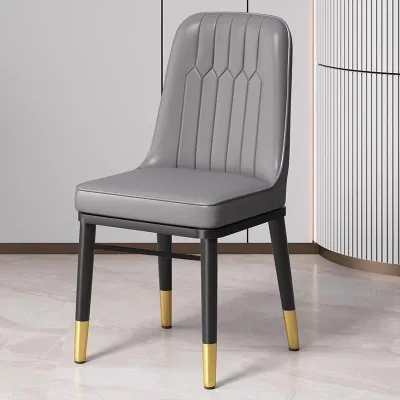
Prices are valid at publication and may change. Please refer to the product page for the latest price.
Wood tones generally fall into three categories: light (such as ash, maple, and pale oak), warm or medium (such as teak, cherry, and walnut), and dark (such as mahogany, wenge, or charcoal-stained finishes). A common design challenge is matching chairs to existing wooden floors or tables. Instead of trying to find an exact match—which often looks flat or slightly mismatched if the undertones differ—aim for a deliberate contrast or a shared undertone. For instance, pairing a light ash chair with dark walnut flooring creates a striking, modern contrast, while keeping both within a cool or warm undertone maintains visual harmony.
The visibility of the wood grain also plays a critical role in defining a room’s aesthetic. Highly visible, rustic wood grains with prominent knots and variations lend a casual, organic feel to a space, making them ideal for relaxed or rustic interiors. Conversely, tight, subtle grain patterns offer a sleek, uniform appearance that aligns well with modern or formal settings. When browsing options, remember that lighting alters how these grains appear; bright, direct sunlight highlights natural textures, while soft, warm indoor lighting can make dark, polished woods look exceptionally rich and deep.
Silhouettes—the physical outlines and shapes of the chairs—dictate the visual weight and flow of the room. Angular silhouettes with sharp, straight lines and geometric frames draw the eye and establish a structured, orderly feel. Curved silhouettes, featuring rounded backrests, tapered legs, or bentwood elements, soften the dining area and encourage a more relaxed, inviting flow. In smaller spaces, chairs with open, airy silhouettes allow light to pass through, preventing the dining set from overwhelming the room.
To ensure you get exactly what you expect, always look beyond visual descriptions or marketing names on product listings. A chair described as “warm oak” might simply be a soft wood with an oak-colored stain rather than actual solid oak. Always check the manufacturer’s technical specifications and product labels to verify the exact wood species, construction type (such as solid wood, engineered wood, or wood veneer), and the specific finish applied. Knowing these details is crucial for assessing how the material will wear over time and how to care for it properly.
Top Wooden Dining Chair Styles for Different Home Aesthetics
Different design movements have shaped the way wood is carved, bent, and finished for dining spaces. Understanding these distinct styles allows you to choose chairs that align perfectly with your personal aesthetic and lifestyle needs.

Scandinavian Style: Light Woods and Minimalist Lines
Scandinavian wooden dining chairs are celebrated for their functional simplicity, organic minimalism, and light color palette. Originating from Nordic design principles that prioritize light during long winters, this style relies heavily on pale woods such as ash, beech, and light oak. The design language is characterized by clean, unadorned lines, tapered legs, and a complete absence of heavy, ornate carvings.
These chairs are exceptionally well-suited for bright, open-plan dining areas, minimalist apartments, and spaces that embrace a clean, uncluttered aesthetic. Their light tones help reflect natural light, making smaller dining spaces feel larger and more airy. The focus is on showcasing the natural beauty of the wood through simple, ergonomic shapes that provide comfort without visual clutter.
When selecting Scandinavian chairs, prioritize pieces with matte or satin protective finishes. These low-sheen coatings protect the light wood from staining while preserving its natural, raw appearance. It is also wise to check the manufacturer’s specifications regarding surface treatments; daily dining environments are prone to spills, so verifying that the matte finish offers adequate water and stain resistance is essential for long-term durability.
Mid-Century Modern: Organic Curves and Warm Tones
Mid-century modern dining chairs are defined by their warm wood tones, sculptural curves, and iconic tapered legs. This style, which peaked in popularity during the mid-20th century, frequently utilizes rich, warm woods like walnut, teak, and rosewood. A hallmark of this aesthetic is the use of bentwood technology, which allows solid wood or veneers to be molded into gentle, organic curves that cradle the body.
These chairs complement retro, eclectic, or contemporary interiors beautifully. Their warm, golden-brown to deep chocolate hues add immediate warmth and character to a dining room, serving as striking focal points. The iconic splayed or tapered legs create a sense of movement and lightness, making them a popular choice for balancing heavier, solid wood dining tables.
When purchasing mid-century modern style chairs, pay close attention to the structural joinery and the quality of any bentwood components. Because these designs often feature slim profiles and dramatic curves, the integrity of the joints is paramount. Look for chairs constructed with mortise-and-tenon joints or reinforced dowels, and check the manufacturer’s details to ensure the bentwood elements are free from structural stress fractures.
Industrial Style: Raw Finishes and Mixed Materials
Industrial style wooden dining chairs embrace a rugged, utilitarian aesthetic that highlights raw finishes and the contrast of mixed materials. This style typically pairs distressed, reclaimed, or deeply grained dark woods with sturdy metal frames, exposed rivets, and matte black or gunmetal hardware. The design is bold, functional, and unpretentious, drawing inspiration from old factories and workshops.
This style is an excellent match for loft-style apartments, modern rustic homes, and spaces with exposed brick, concrete, or metallic accents. The combination of warm, textured wood and cold, structured metal creates a balanced, grounded look that handles daily wear and tear exceptionally well.
Before purchasing an industrial-style chair with a raw or distressed wood seat, it is critical to verify the sealant or topcoat used. Untreated or poorly sealed raw wood is highly porous and will quickly absorb liquids, leading to permanent food stains and moisture damage. Look for products that specify a clear, protective matte polyurethane or acrylic topcoat, which preserves the rugged, natural look of the wood while providing a non-porous barrier against spills.
Traditional Style: Rich Woods and Classic Details
Traditional wooden dining chairs represent timeless elegance, characterized by rich, dark woods, intricate carved details, and classic structural elements. This style often showcases premium hardwoods such as mahogany, cherry, oak, and walnut, finished with deep stains that highlight the wood’s natural depth. Common design features include turned legs, cabriole legs, splat-back or shield-back designs, and subtle ornamental carvings.
These chairs are best suited for formal dining rooms, historic homes, or classic decor themes where symmetry, refinement, and heritage are celebrated. Their substantial visual weight and detailed craftsmanship create a sense of occasion, making the dining room feel grand and established.
Because traditional chairs often feature high-gloss, polished, or semi-gloss finishes to highlight the depth of the dark wood, they require specific maintenance to retain their luster. Review the manufacturer’s care instructions carefully before purchasing. High-gloss finishes are more susceptible to showing fine scratches and dust, so you will need to verify if specialized polishes or specific microfiber cleaning cloths are recommended to prevent dulling the surface over time.
Practical Buying Checks for Singapore Homes
While aesthetic style is a primary consideration, practical factors are equally important when choosing wooden dining chairs for homes in Singapore. The combination of compact urban living spaces and a highly humid tropical climate requires careful planning and material verification.
- Space and Clearance: In typical Singapore apartments, such as Housing & Development Board (HDB) flats and condominiums, dining spaces are often integrated into open-plan living areas. Before purchasing any chairs, measure your dining area precisely. As a general rule, allow at least 90 centimeters of clearance between the edge of the dining table and the nearest wall or piece of furniture. This clearance ensures there is enough room for a person to pull the chair out, sit down comfortably, and push it back without blocking walkways. Additionally, check the width of the chairs against the length of your dining table to ensure they can slide fully underneath when not in use. If you are selecting chairs with armrests, verify that the arm height is lower than the bottom of the table apron. Finally, measure your home's entry points, including lift doors, main entrance doorways, and tight hallway corners, to ensure the delivered chairs can easily access your unit.
- Humidity and Wood Care: Singapore's tropical climate features consistently high relative humidity levels, which can cause natural wood to expand, contract, warp, or develop mold if not properly treated. When buying solid wooden dining chairs, check the manufacturer's specifications to confirm that the timber has been properly kiln-dried. Kiln-drying reduces the internal moisture content of the wood to an optimal level, significantly minimizing the risk of warping or cracking when exposed to local humidity. Furthermore, verify that the wood is sealed with a high-quality protective topcoat, such as polyurethane, lacquer, or a specialized oil. These sealants create a barrier that prevents atmospheric moisture from penetrating the wood fibers. If you have an open-concept kitchen or dining area situated near wet zones, avoid placing untreated or minimally sealed solid wood chairs close to high-moisture sources, as frequent exposure to steam and water droplets can degrade the wood finish over time.
- Stability and Weight Capacity: A dining chair must be structurally sound to ensure safety during daily use. Examine the construction details of the chair's joints. High-quality wooden chairs utilize robust joinery methods, such as mortise-and-tenon joints, corner blocks secured with screws, or heavy-duty dowels, rather than simple glue and nails. Gently wiggle the chair from side to side to check for any flexing or instability in the legs. Always look for the manufacturer's official weight capacity rating on the product label or specification sheet. A reliable dining chair should comfortably support daily use without compromising its structural integrity. Verifying these safety ratings ensures the chairs remain stable, secure, and wobble-free for years to come.
Frequently Asked Questions (FAQ)
Can I mix different wooden dining chair styles in one room?
Yes, mixing different wooden dining chair styles is an excellent way to create a curated, character-rich dining space. To maintain visual cohesion and prevent the room from looking cluttered, establish at least one unifying element across all the chairs. For example, you can mix different silhouettes—such as pairing two mid-century modern chairs with two Scandinavian-style chairs—as long as they share a similar wood tone or undertone. Another effective approach is to keep the seat heights consistent so that everyone sits at the same level around the table. Alternatively, you can use a matching set of side chairs along the lengths of the table and place two distinct, eye-catching wooden armchairs at the heads of the table to serve as statement pieces.
How do I protect wooden dining chairs from high humidity?
Protecting wooden dining chairs in a humid environment requires a combination of environmental control and proper maintenance. Ensure your dining area has good air circulation by utilizing ceiling fans, air conditioning, or opening windows during dry parts of the day. If your home tends to trap moisture, running a dehumidifier can help maintain a stable indoor humidity level. For cleaning, avoid using soaking wet cloths, which can leave standing water on the wood surface. Instead, wipe the chairs with a slightly damp microfiber cloth and immediately follow with a dry, soft cloth to remove any residual moisture. Always follow the manufacturer’s specific care instructions regarding the use of wood cleaners, oils, or waxes, and avoid harsh chemical cleaners that can strip away the protective sealant.
Are solid wooden dining chairs comfortable for long dinners?
While solid wooden dining chairs offer exceptional durability and beauty, all-wood seats can feel firm during extended dinner parties or long conversations. To maximize comfort, look for chairs designed with ergonomic considerations, such as a contoured seat pan that conforms to the body and a curved backrest that provides adequate lumbar support. If you prefer the look of solid wood but want extra cushioning, you can easily enhance comfort by adding removable, tie-on seat cushions. Opt for cushions with non-slip backings and durable, easy-to-clean fabrics. This allows you to enjoy the structural beauty of solid wood while providing a soft, comfortable seating surface for your guests.

Community discussion
Share your experience or ask a question. Comments are reviewed before publication.