
Singapore’s Housing & Development Board (HDB) flats are renowned for their clean, functional layouts, but managing limited floor area remains a primary consideration for many homeowners. As flat sizes have evolved, maximizing every square meter has transitioned from a design preference to an absolute spatial necessity. Wall-hanging storage that folds away flat when not in use offers a practical solution to this challenge, allowing rooms to serve multiple functions without permanent physical congestion.
Utilizing vertical space effectively reclaims floor area that would otherwise be occupied by static furniture. When a desk, dining table, or drying rack can be folded flush against the wall, it instantly opens up walkways and improves the physical flow of a room. This spatial flexibility is particularly valuable in compact layouts, such as 2-room Flexi or 3-room flats, where a single area must often transition from a home office during the day to a dining space or living area in the evening.
Beyond the physical space saved, fold-away wall storage provides significant visual and psychological benefits. Visual clutter—such as open shelves packed with items or bulky furniture blocking natural light—can make small rooms feel restrictive and stressful. By concealing storage compartments or folding down flat surfaces when they are not required, you maintain clean sightlines across your home. This minimalist aesthetic creates an illusion of a larger, more airy environment, which is highly conducive to relaxation and focus.
Products mentioned in this guide
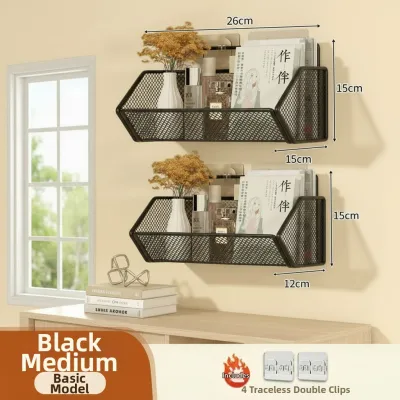


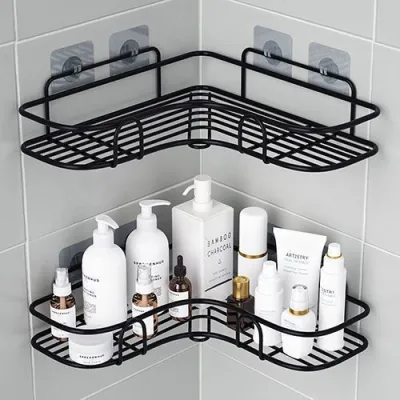
Prices are valid at publication and may change. Please refer to the product page for the latest price.
Many of these modern wall-mounted solutions are designed with dual-purpose functionality in mind. A closed cabinet hanging on a living room wall can unfold into a fully functional writing desk with integrated shelving, while a slim wall panel in the kitchen can transform into a dining nook for two. Investing in these versatile systems allows HDB dwellers to enjoy the amenities of a larger home without sacrificing precious square footage.
Critical Checks Before Installing Wall-Hanging Storage in HDBs
Before purchasing any wall-mounted folding furniture, you must conduct several essential structural and spatial assessments. Because folding furniture involves moving parts and bears variable weight, improper installation can lead to wall damage, product failure, or serious safety hazards. Taking the time to evaluate your walls and layout beforehand ensures a secure, long-lasting installation.
Wall Material Identification
HDB flats feature different wall types, each with distinct load-bearing capacities and drilling requirements. You must identify the exact material of the target wall before selecting your mounting hardware.
- Reinforced Concrete Walls: These are typically structural walls, columns, or household shelter walls. They are extremely dense, hard, and capable of supporting heavy loads. Drilling into concrete requires a rotary hammer drill and masonry drill bits.
- Internal Brick or Lightweight Block Walls: Often found separating rooms in older flats, these walls are sturdy but more brittle than concrete. They require standard masonry plugs and careful drilling to prevent the internal blocks from cracking.
- Drywall Partitions: Commonly used in newer HDB layouts to separate bedrooms or define study areas. These consist of plasterboard sheets mounted on thin metal studs. Drywalls have limited load-bearing capacity and cannot support heavy folding furniture unless the mounting brackets are anchored directly into the internal metal studs or reinforced with heavy-duty toggle bolts.
To determine your wall type, tap on the surface. A hollow, high-pitched sound indicates drywall, while a dull, solid thud points to concrete or block walls. Alternatively, refer to your flat’s original floor plan, where structural concrete walls are highlighted in bold black lines.
Clearance and Dimensions
Folding furniture operates in two distinct states: folded (closed) and unfolded (open). You must measure your space with both configurations in mind to avoid blocking essential pathways or hitting adjacent items.
- Folded Profile: Measure how far the product protrudes from the wall when closed. In narrow corridors or walkways, even a 10cm projection can catch on clothing or impede movement. Ensure the folded unit leaves at least 90cm of clear walkway space.
- Unfolded Footprint: Measure the full extension of the furniture when opened. Mark this area on your floor using masking tape to verify that it does not collide with existing furniture, cabinets, or light fixtures.
- Swing Radius and Door Clearance: Check the path of nearby room doors, wardrobe doors, and cabinet drawers. Ensure that opening the folding furniture does not trap you in a corner or block access to entryways and emergency exit routes.
Weight Capacity vs. Intended Load
There is a critical difference between a product’s static weight capacity and the dynamic load it experiences during actual use. You must evaluate both metrics to prevent the unit from pulling away from the wall.
- Static Load: The weight of the furniture itself plus any items permanently stored on or inside it when closed or stationary.
- Dynamic Load: The temporary, variable force applied during use. For example, leaning your forearms on a fold-down desk, chopping ingredients on a wall-mounted kitchen table, or sitting down on a fold-out entryway bench. This dynamic force multiplies the stress placed on the wall anchors.
- Manufacturer Specifications: Always check the manufacturer's rated weight limits. If a fold-down table is rated for 15kg, do not use it for heavy kitchen appliances or as a support bench. When in doubt, select a product with a load rating that exceeds your planned usage by at least 50%.
HDB Renovation Guidelines
While drilling minor holes for standard shelves and decorative items does not require a permit from the Housing & Development Board, installing heavy load-bearing folding furniture requires strict adherence to safety guidelines.
- Structural Integrity: You are strictly prohibited from damaging or altering structural reinforced concrete walls, columns, and beams. While drilling shallow holes for wall plugs is generally permissible, any deep penetration or cutting of reinforcing steel bars (rebar) is illegal.
- Household Shelters: The reinforced concrete walls of your HDB household shelter (bomb shelter) are designed for emergency protection. Drilling into the internal or external walls, ceiling, or steel door of the shelter is strictly prohibited by HDB regulations, as it compromises the airtight seal and structural shield.
- Professional Assessment: If you plan to install a heavy system, such as a large wall-mounted folding bed or a heavy-duty dining table, consult a licensed HDB renovation contractor to ensure the installation complies with local building codes.
Top Wall-Mounted Folding Storage Solutions by Room
Implementing wall-mounted folding storage requires matching the specific product design to the functional needs and environmental conditions of each room. Below is an analysis of the most effective folding storage options for different zones within an HDB flat.

Fold-Down Desks for Compact Study and Work Zones
With remote and hybrid work arrangements remaining common in Singapore, creating a dedicated workspace without sacrificing bedroom or living room floor area is a major priority. A wall-mounted fold-down desk provides a highly functional workspace that completely disappears when the workday ends.
- Spatial Requirements: When folded, these desks typically project only 10cm to 15cm from the wall. When unfolded, they extend to a depth of 50cm to 60cm, providing sufficient space for a laptop, notebook, and mouse. Ensure you have at least 120cm of clear space in front of the wall to accommodate both the open desk and a standard desk chair.
- Key Features to Prioritize: Look for models featuring integrated internal shelving, which allows you to keep stationery, power banks, and documents organized inside the unit even when folded closed. Built-in cable management ports or grommets are essential for keeping charging cables tidy. Opt for units equipped with high-quality gas spring struts or heavy-duty locking hinges that prevent the desktop from dropping abruptly.
- Limitations and Structural Checks: Fold-down desks are designed for lightweight office work. They are not suitable for heavy desktop computer towers or multi-monitor setups utilizing heavy articulated clamp-on arms. Because of the downward leverage applied when typing or leaning on the desk, these units must be anchored securely into solid concrete or brick walls; mounting them on standard drywall partitions without dedicated internal stud reinforcement is highly discouraged.
Drop-Leaf Tables for Small Dining and Kitchen Nooks
HDB kitchens and dining areas can quickly become congested, especially during meal preparation or when hosting guests. A wall-mounted drop-leaf table offers an adjustable dining or prep surface that can be lowered instantly to reclaim floor space.
- Seating Capacity and Clearance: A standard wall-mounted drop-leaf table measuring 80cm in width can comfortably accommodate two seated diners. When planning the installation height, ensure there is a clearance of 70cm to 75cm from the floor to the underside of the table to provide comfortable legroom for standard dining chairs.
- Structural Support Mechanisms: Because dining tables experience significant dynamic loads—such as the downward pressure of cutting food or resting heavy serving dishes—the support system must be exceptionally robust. Look for tables supported by heavy-duty triangular steel folding brackets or those featuring a fold-out wooden leg frame. Avoid flimsy plastic latch mechanisms that can wear out over time.
- Material Considerations: The kitchen and dining environment exposes furniture to heat, moisture, and potential spills. Avoid cheap, unsealed particleboard, which can swell and warp when exposed to humidity or liquids. Instead, opt for tables constructed from solid wood treated with a water-resistant polyurethane coating, or high-pressure laminate (HPL) surfaces that are easy to wipe clean and resist scratching.
Concealed Utility Boards for Laundry and Service Yards
HDB service yards are notoriously compact, often measuring less than two meters in width. Managing laundry tasks, ironing, and storing cleaning tools in this tight zone requires highly streamlined solutions.
- Service Yard Integration: A wall-mounted, fold-out ironing board or drying rack can be installed directly onto the narrow side walls of the service yard. When closed, these units sit flat against the wall, leaving the central walkway completely clear for accessing the washing machine or clothes dryer.
- Moisture and Rust Resistance: Service yards in Singapore are exposed to high humidity, outdoor rain splashes, and damp laundry. Standard steel brackets will quickly rust in this environment, leading to stiff hinges and unsightly stains on your clean clothes. Ensure the folding frame is made of rust-proof anodized aluminum or stainless steel, or finished with a durable, outdoor-grade powder coating.
- Safety and Locking Mechanisms: Because these utility boards are often operated in tight spaces near appliances, they must feature reliable safety locks. Look for automatic locking pins that secure the board firmly in its open position, preventing accidental collapse if bumped while ironing or hanging heavy wet garments.
Fold-Out Benches and Cabinets for Narrow Entryways
Many HDB flats open directly into a narrow corridor or living room foyer. Managing shoe storage and providing a comfortable place to sit while putting on footwear can easily clutter this high-traffic entryway.
- Depth Constraints: Entryway corridors must remain completely clear to allow residents and visitors to move freely, and to comply with civil defense guidelines regarding common corridor clearance. A fold-out entryway bench should have an ultra-slim closed profile of no more than 8cm to 10cm. This ensures it sits flush with the wall when not in use, allowing the front door to swing open fully without obstruction.
- Weight Capacity for Seating: A fold-out bench must safely support the full weight of an adult. This requires heavy-duty steel wall brackets and robust anchoring. The bench frame should ideally be constructed from solid hardwood or reinforced metal. It must be mounted exclusively into solid concrete walls using heavy-duty expansion bolts to handle the sudden downward force of someone sitting down.
- Shoe Cabinet Ventilation: If you choose a wall-mounted folding shoe cabinet, prioritize models with slatted doors, mesh panels, or integrated ventilation holes. Singapore's warm, humid climate accelerates odor and mold growth in enclosed, unventilated shoe storage. Proper airflow keeps footwear dry and prevents musty odors from accumulating in your entryway.
Safe Installation and HDB Compliance Guidelines
Installing heavy, functional wall-mounted furniture requires a systematic approach to safety and structural compliance. Following proper installation protocols protects your home’s structural integrity and ensures the safety of everyone in your household.
Locating Hidden Hazards
Before drilling a single hole into any HDB wall, you must verify that the drilling zone is free of concealed utility lines. Accidentally puncturing an electrical conduit or a water pipe can cause severe property damage, power outages, or personal injury.
- Use a Digital Wall Scanner: Always use a high-quality multi-scanner or stud finder capable of detecting live AC wiring, metal pipes, and wooden or metal studs behind the wall surface.
- Analyze the Surrounding Layout: Avoid drilling directly in line with electrical sockets, light switches, water taps, or air conditioning conduits. Electrical wires typically run vertically or horizontally from switches and outlets, so maintain a safe clearance of at least 15cm to 20cm from these fixtures.
- Consult Floor Plans: Review your flat's electrical and plumbing layouts if they are available in your homeowner manual.
Choosing the Right Anchors
The strength of your wall-mounted storage depends entirely on the connection between the mounting bracket and the wall. Standard plastic wall plugs included in product packaging are often insufficient for heavy-duty, dynamic folding furniture.
| Wall Material | Recommended Anchor Type | Dynamic Load Suitability | Key Installation Tip |
|---|---|---|---|
| Reinforced Concrete | Metal Sleeve Expansion Bolts | High (Desks, Dining Tables, Benches) | Drill the hole to the exact diameter and depth specified by the bolt manufacturer. Clear out all concrete dust before inserting the bolt. |
| Brick / Lightweight Block | Heavy-Duty Nylon Wall Plugs | Medium (Utility Boards, Shoe Cabinets) | Avoid using impact mode on your drill when working on brittle brick to prevent creating oversized, loose holes. |
| Drywall Partition | Steel Toggle Bolts (Snaptoggles) | Low (Light shelves or small organizers only) | Always attempt to locate the internal metal studs and screw directly into them using specialized metal screws for maximum hold. |
Professional Installation
While many minor home improvement tasks are suitable for DIY enthusiasts, installing heavy load-bearing folding furniture is often best left to professionals. You should hire a licensed handyman or a registered HDB renovation contractor if you encounter any of the following scenarios:
- The empty weight of the folding furniture unit exceeds 15kg.
- The product is designed to support human weight, such as a fold-out entryway bench.
- The installation wall is made of drywall, and you are unsure how to locate or reinforce the internal metal studs.
- You do not own a high-powered rotary hammer drill, which is essential for drilling clean, precise holes into HDB reinforced concrete structural walls.
Professional installers have the specialized tools, correct heavy-duty anchors, and structural experience to ensure the unit is perfectly level and securely anchored, mitigating the risk of future structural failure.
HDB Permits and Structural Restrictions
To maintain the structural safety of public housing in Singapore, the HDB enforces strict regulations regarding what homeowners can and cannot alter within their flats.
- Household Shelters (Bomb Shelters): As emphasized previously, drilling into any part of the household shelter's reinforced concrete walls or steel door is strictly prohibited. If you require storage in this area, utilize free-standing shelving units or over-the-door hanging organizers that do not require drilling.
- Structural Walls: While drilling shallow holes (typically up to 50mm deep) for standard plastic wall plugs and expansion bolts is generally permitted on structural walls, you must never cut, chip, or damage the internal steel reinforcement bars (rebar). If your drill bit hits hard metal resistance, stop drilling immediately, patch the hole, and shift your mounting point slightly.
- External Walls: Drilling into or altering external building walls (such as balcony ledges or common corridor exterior walls) is strictly prohibited, as it can compromise the building's waterproofing and structural facade.
Frequently Asked Questions (FAQ)
Can I mount heavy folding storage on HDB partition walls?
No, you should not mount heavy folding storage—such as fold-down desks, dining tables, or seating benches—directly onto standard HDB drywall partition walls without professional structural reinforcement. Drywalls are constructed from gypsum boards over thin metal studs and lack the structural density to handle the high leverage and dynamic forces exerted by folding furniture. If you must use a partition wall, you must anchor the mounting brackets directly into the internal metal studs using heavy-duty toggle bolts, or limit the storage to ultra-lightweight items under 5kg.
How do I measure the clearance needed for a fold-down table?
To measure the clearance accurately, begin by measuring the height of the table when unfolded to ensure it aligns with your seating. Next, measure the exact depth of the tabletop when fully extended from the wall, and add at least 60cm to 70cm of additional space to accommodate dining chairs and allow a person to sit comfortably. Finally, check the swing arc of the folding brackets or legs to ensure they do not scrape against baseboards, hit nearby cabinets, or block the opening pathways of adjacent doors and drawers.
Are there HDB restrictions on drilling into household shelters?
Yes, the Housing & Development Board strictly prohibits any drilling, hacking, or modification of the reinforced concrete walls, floor, ceiling, or steel door of a household shelter (commonly referred to as a bomb shelter). These structural elements are engineered to withstand extreme external forces and maintain an airtight seal during emergencies. Modifying them compromises their protective capabilities and is a serious regulatory violation. For storage inside or on the exterior walls of a household shelter, you must use non-invasive, free-standing, or magnetic storage solutions.

Community discussion
Share your experience or ask a question. Comments are reviewed before publication.