
Selecting the best vintage wooden dining chair style for your home depends on matching the chair’s historical design language, visual weight, and wood tones with your existing interior decor. By identifying whether your space aligns with the clean lines of mid-century modern, the rugged warmth of rustic farmhouse, the formal elegance of colonial traditional, or the light simplicity of Scandinavian vintage, you can choose seating that enhances your dining room’s aesthetic while ensuring daily comfort and structural durability.
Integrating these timeless pieces into modern living spaces requires a thoughtful approach to proportions, materials, and overall room flow. Whether you are furnishing a cozy high-rise apartment or a spacious landed home, selecting the right vintage chairs can transform a standard dining area into a character-rich space that tells a unique story.
How to Match Vintage Chair Styles to Your Decor Theme
To successfully integrate a vintage wooden chair into your dining space, begin by analyzing the dominant design elements already present in the room. Look closely at your wall colors, flooring material, and the amount of natural light the space receives. For instance, a dining room with cool-toned marble flooring and minimalist lighting requires a different style of chair than a space featuring warm parquet floors and soft, ambient pendant lights.
Products mentioned in this guide
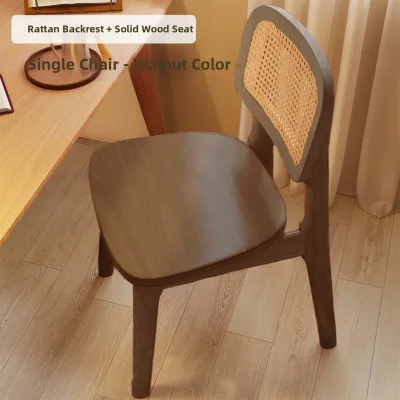
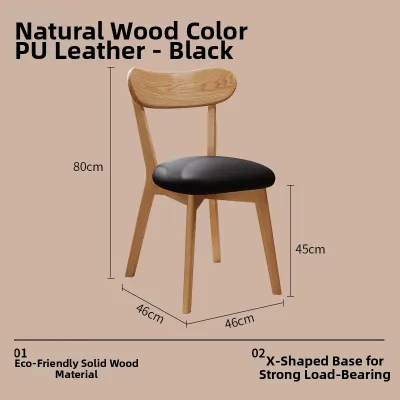
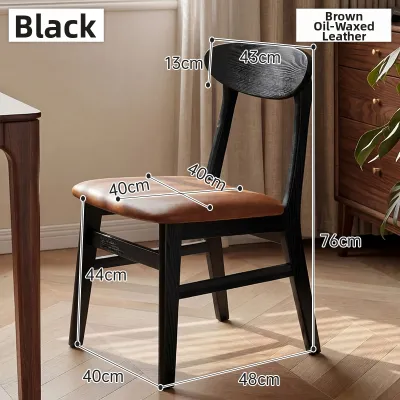
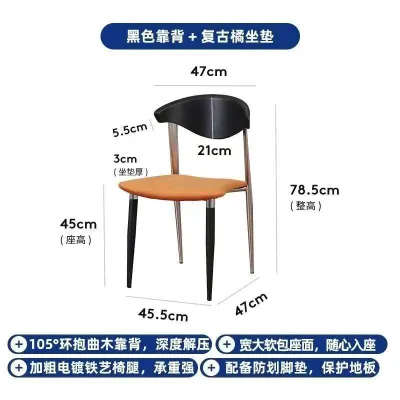
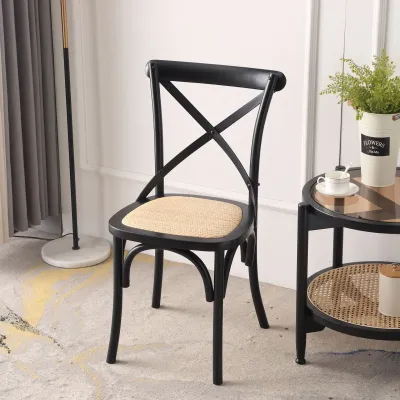
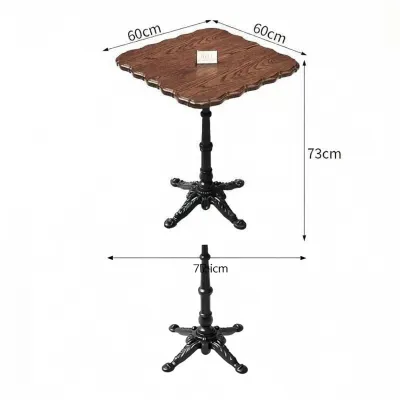
Prices are valid at publication and may change. Please refer to the product page for the latest price.
Next, define the specific atmosphere you want to create. Are you aiming for a sleek, functional dining area that maximizes space, or do you prefer a warm, heavily textured environment that invites long, lingering dinners? The visual weight of the chairs plays a critical role here. In smaller dining areas, heavy, dark-wood chairs can easily overwhelm the room, making it feel cramped and cluttered. Conversely, lightweight frames with open backs allow light to pass through, preserving a sense of spaciousness.
Achieving balance is key to preventing your dining room from looking like a prop closet or a historical museum. If your dining table is a clean, modern piece with metal legs, pairing it with vintage wooden chairs can create a beautiful, high-contrast look. The secret lies in finding a common thread—such as a shared wood undertone or a similar geometric silhouette—that ties the old and the new together seamlessly.
Mid-Century Vintage Wooden Chairs
Mid-century vintage wooden chairs, originating from the mid-20th century, are celebrated for their clean lines, organic curves, and functional simplicity. These chairs often feature iconic design traits such as tapered legs, gently curved backrests that cradle the spine, and minimalist silhouettes that prioritize comfort without unnecessary ornamentation. The focus during this era was on producing high-quality, beautiful furniture that fit comfortably into post-war homes.

These chairs are exceptionally well-suited for modern, contemporary, and eclectic interiors. Because of their streamlined profiles, they work beautifully in compact dining spaces, offering an airy feel that does not block sightlines. They pair effortlessly with both minimalist glass-topped tables and heavy wooden dining tables, making them incredibly versatile additions to a modern home.
When shopping for mid-century pieces, you will primarily encounter rich wood tones like teak and walnut. Teak, in particular, is highly prized for its warm, golden-brown hue and natural resistance to moisture, making it an excellent choice for humid tropical climates. Walnut offers a deeper, more dramatic grain pattern that adds instant sophistication to the dining area.
However, buyers should keep certain limitations in mind. Many mid-century chairs rely on slim wooden frames and minimal cushioning. If you prefer highly plush, deeply padded seating for multi-hour dining sessions, you may find original mid-century models somewhat firm. Additionally, check the condition of the internal support webbing or original vinyl upholstery, as these components often require replacement or professional restoration after decades of use.
Rustic Vintage Wooden Chairs
Rustic vintage wooden chairs bring an immediate sense of warmth, history, and tactile character to a dining space. Characterized by raw, matte, or distressed wood finishes, these chairs showcase the natural beauty of the material, complete with visible knots, grain variations, and minor imperfections. Sturdy construction, thick legs, and traditional joinery methods like mortise-and-tenon joints are hallmarks of this enduring style.
This style is the natural partner for farmhouse, industrial, and cabin-inspired interiors. In a modern industrial loft, for example, the organic warmth of rustic wooden chairs softens the coldness of exposed brick, concrete floors, and metal fixtures. They also pair beautifully with large, solid wood trestle tables, creating a welcoming, communal atmosphere perfect for family gatherings.
Because rustic chairs are often used in active, high-traffic dining environments, understanding wood treatment and maintenance is essential. Many vintage rustic chairs have a wax or oil finish rather than a thick polyurethane lacquer. While this preserves the natural feel of the wood, it also means the surface is more susceptible to water rings and food stains. Regular application of a high-quality furniture wax can help protect the wood while maintaining its characteristic matte patina.
The primary limitations of rustic vintage chairs are their physical weight and texture. These chairs are typically heavy and solid, making them more difficult to slide in and out frequently, which might be a consideration for households with young children or older adults. Furthermore, the raw or distressed surfaces can sometimes feature minor splinters or rough edges that can snag delicate clothing fabrics like silk or knitwear. Inspecting and lightly sanding any rough spots is a necessary step before placing them around your table.
Colonial Vintage Wooden Chairs
Colonial vintage wooden chairs carry a sense of formal elegance, traditional craftsmanship, and historical gravity. This style is easily recognized by its intricate turned spindles, high, supportive backrests, and classic, symmetrical proportions. Whether inspired by British colonial designs, American Windsor chairs, or regional variations, these pieces emphasize detailed woodwork, curved top rails, and sturdy, sculpted seats.
These chairs find their ideal home in traditional, classic, and transitional dining rooms. They bring a sense of structure and dignity to formal dining spaces, pairing beautifully with classic pedestal tables or dark mahogany dining suites. In transitional spaces, a set of colonial chairs can act as a striking historical counterpoint to a clean-lined, contemporary table, bridging the gap between different design eras.
When evaluating colonial vintage chairs, pay close attention to the condition of the joints and spindles. Because these chairs rely on numerous interlocking wooden spindles and stretchers, dry indoor climates or natural aging can cause the wood to shrink slightly, leading to loose joints. Gently wiggle the backrest and legs of each chair to check for any play or squeaking, which indicates that the old hide glue has dried out and needs to be carefully scraped and reglued.
A key limitation of colonial styles is their formal, upright posture and commanding visual presence. The high backs can make a small dining room feel visually crowded, and their traditional aesthetic may clash sharply with ultra-modern, minimalist, or high-tech decor themes. If your home features open-plan living with sleek, handleless cabinetry and polished concrete, colonial chairs may feel out of place unless carefully balanced with other traditional accents.
Scandinavian Vintage Wooden Chairs
Scandinavian vintage wooden chairs represent a masterclass in light, functional design and subtle craftsmanship. Emerging from the Nordic design movement, these chairs prioritize ergonomic comfort, clean lines, and an understated aesthetic. Unlike highly decorated traditional furniture, Scandinavian vintage pieces rely on the natural beauty of the wood grain and precise, organic joinery to create visual interest.
This style is perfectly suited for minimalist, Japandi, and bright, airy dining spaces. The emphasis on light-colored woods and uncluttered forms aligns seamlessly with the Japandi philosophy of blending Japanese minimalism with Scandinavian warmth. These chairs help maintain an open, uncluttered feel in a room, making them excellent choices for homes that maximize natural light and neutral color palettes.
When shopping for Scandinavian vintage chairs, look for light wood species such as beech, ash, light oak, and occasionally pine. The craftsmanship is often visible in the smooth transitions between the legs and the seat frame, as well as the subtle shaping of the backrest to support the natural curve of the spine. The beauty of these chairs lies in their quiet sophistication rather than bold, dramatic statements.
However, the lighter wood tones and matte finishes characteristic of Scandinavian design come with specific maintenance considerations. Lighter woods show dirt, grease, and liquid stains much more readily than darker woods like walnut or mahogany. If the original protective lacquer or oil seal has worn away over the decades, spilled liquids can quickly penetrate the wood fibers, leaving permanent marks. Regular inspection of the finish and prompt cleanup of spills are essential to keeping these chairs looking pristine.
Quick Comparison of Vintage Wooden Chair Styles
| Style | Defining Features | Ideal Interior Themes | Typical Wood Tones | Best For |
|---|---|---|---|---|
| Mid-Century | Tapered legs, organic curves, minimalist silhouettes | Modern, Contemporary, Eclectic | Teak, Walnut | Compact spaces and clean-lined tables |
| Rustic | Raw or distressed wood, sturdy builds, visible joinery | Farmhouse, Industrial, Cabin | Oak, Pine, Reclaimed timber | Warm, casual, high-traffic dining areas |
| Colonial | Turned spindles, high backs, classic proportions | Traditional, Classic, Transitional | Mahogany, Cherry, Dark Oak | Formal dining rooms and stately tables |
| Scandinavian | Light wood tones, ergonomic shaping, clean lines | Minimalist, Japandi, Bright & Airy | Beech, Ash, Light Oak | Creating an open, uncluttered atmosphere |
Essential Checks Before Buying Vintage Dining Chairs
Before finalizing your purchase of vintage dining chairs, conducting a thorough physical inspection is crucial to ensure they are safe, stable, and sized correctly for your home.
First, assess the structural integrity of each chair. Place the chair on a flat surface and apply gentle pressure to the seat and backrest from different angles. Listen for squeaks and feel for any wobbling or shifting in the joints. Look closely at the areas where the legs meet the seat frame; look for signs of old repairs, such as modern metal brackets or messy glue residue, which can detract from the chair’s value and structural authenticity. Additionally, inspect the wood for tiny, clean holes, which could indicate past or active woodworm activity—a common issue in vintage timber that requires immediate treatment.
Second, perform precise space planning. Do not rely on visual estimates alone. Measure the seat height of the vintage chairs and compare it to the height of your dining table. To ensure comfortable seating, aim for a clearance of approximately 25 to 30 centimeters between the top of the chair seat and the underside of the table apron. Also, measure the width of the chairs to ensure they can be pushed fully under the table when not in use, especially if your table has legs positioned at the corners rather than a central pedestal.
Third, evaluate the surface condition and finish. Run your hands over the wood to check for deep scratches, water rings, or sticky residues left by improper cleaning products. Sniff the chairs closely; vintage furniture stored in damp basements or humid warehouses can absorb persistent musty odors or smoke smells that are incredibly difficult to remove.
Finally, establish clear stop conditions. If you discover major structural cracks in load-bearing elements like the legs or seat frame, or if you find extensive woodworm damage that has compromised the density of the timber, it is best to walk away or consult a professional furniture restorer before purchasing. If a chair requires professional reglueing or refinishing, factor in an additional S$80 to S$150 per chair for local restoration services in Singapore to ensure the piece remains safe for daily use.
Frequently Asked Questions (FAQ)
Can I mix different vintage wooden chair styles around one dining table?
Yes, mixing styles can create a highly personalized, curated look. To keep the arrangement cohesive rather than chaotic, establish at least one unifying element. For example, you can mix different chair shapes (such as pairing mid-century chairs with Scandinavian ones) as long as they share a similar wood tone, like warm teak or light oak. Alternatively, you can use chairs of different styles but paint them in a uniform color, or use matching seat cushions to tie the collection together visually. Ensure that the seat heights remain consistent so that all diners sit at the same level.
How do I clean and maintain old wooden dining chairs?
Proper maintenance is key to preserving the beauty and value of vintage wood. For routine cleaning, use a dry, soft microfiber cloth to gently dust the surfaces. Avoid using harsh modern chemical sprays, silicone-based polishes, or abrasive cleaners, as these can strip the historical patina and leave a sticky residue that attracts dust. For deeper cleaning, use a slightly damp cloth with a highly diluted, pH-neutral soap, drying the wood immediately afterward. To maintain the wood’s luster and prevent it from drying out, apply a high-quality beeswax or specialized furniture oil once or twice a year, following the recommendations of a professional restorer.

Community discussion
Share your experience or ask a question. Comments are reviewed before publication.