
Why Go Vertical in Compact Singapore Homes?
Modern residential developments in Singapore, from newly completed Built-To-Order (BTO) HDB flats to compact private condominiums, demand highly efficient space management. As floor plans become more streamlined, traditional horizontal furniture can quickly overwhelm a room, restricting movement and creating visual clutter. When floor space is at a premium, looking upward is the most logical strategy to reclaim your living area.
Utilizing the vertical airspace in your home allows you to maximize storage potential without sacrificing precious floor real estate. A vertical clothes rack takes advantage of high ceilings, turning an unused sliver of wall or a tight corner into a highly functional storage zone. This approach keeps your frequently used items accessible while maintaining an open, airy feel in your living spaces.
These vertical structures serve as excellent transitional storage solutions. Instead of immediately hanging worn-but-clean clothes back in your main wardrobe or tossing them onto a chair, a dedicated vertical rack keeps them aired out and organized. It functions as a secondary wardrobe, perfect for daily workwear, school uniforms, outerwear, and accessories like hats or bags.
Products mentioned in this guide
![[OKLIFE. ]Floor Bedroom Vertical Clothes Rack Solid Wood Coat and Hat Rack for Bedroom Living Room Clothes Hanger Hook](https://img.lazcdn.com/g/p/c18bceb0ed1634e6420f78c64eb32e8c.jpg_webp_400x400q80.jpg_.webp)
![[SG STOCK]Clothes Pendant Floor Single Vertical Bedroom Pendant Simple Indoor Floor Coat Rack Shoe Rack Integrated Storage Household 3334974200](https://img.lazcdn.com/g/p/34307ec189afc32bcf3c35f7c01dd27c.jpg_400x400q80.jpg_.webp)
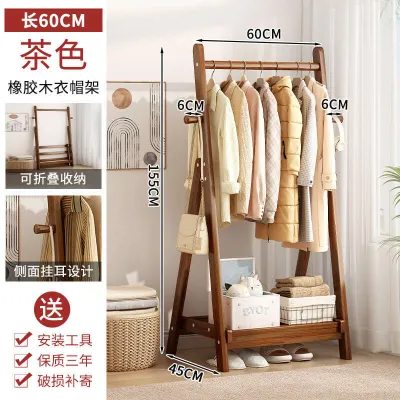
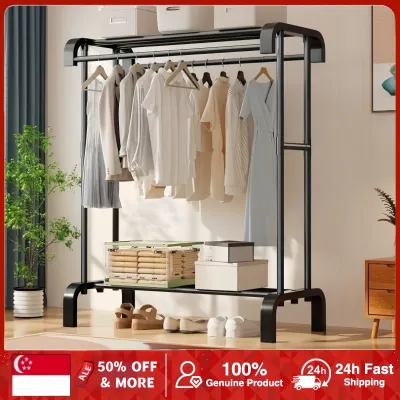
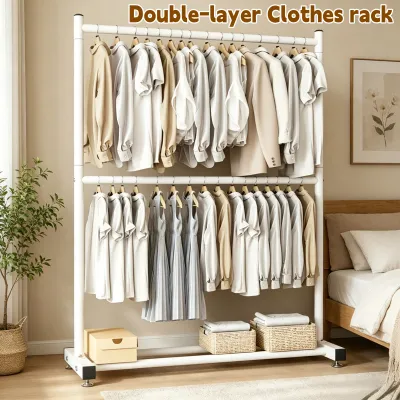
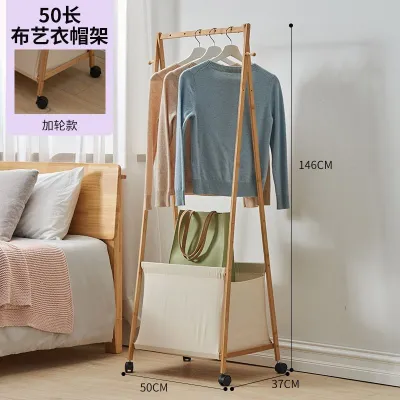
Prices are valid at publication and may change. Please refer to the product page for the latest price.
What to Look for When Choosing a Vertical Clothes Rack
Selecting the right vertical clothes rack requires careful consideration of several physical and environmental factors. Because these pieces of furniture are tall and narrow, their compatibility with your specific home layout and lifestyle is critical to ensuring long-term utility and safety.

Footprint vs. Height Clearance Before purchasing any rack, measure your available floor space down to the millimeter. Ensure the unit’s footprint does not obstruct major walkways, door swings, or built-in cabinetry. Equally important is checking the height clearance; ensure the top of the rack sits safely below ceiling fans, air conditioning units, light fixtures, or decorative cornices. If you plan to place the rack in a bedroom or entryway, verify that it does not block the line of sight or make the entrance feel cramped.
Weight Capacity and Center of Gravity Because vertical racks have a narrow base and a high profile, their center of gravity is naturally elevated. You must evaluate the manufacturer’s specified weight limits for both individual shelves and the main hanging rod. A well-designed rack will feature a wider or heavier base to anchor the structure. When reviewing options, prioritize models that specify their load capacity rather than relying on vague descriptions of strength.
Material and Humidity Resistance Singapore’s tropical climate features persistently high relative humidity, which can quickly degrade poorly finished furniture. A material name alone does not guarantee durability or moisture resistance. When opting for metal frames, look for powder-coated steel or anodized aluminum, which provide a protective barrier against rust. If you prefer wood or bamboo, ensure the surface is fully sealed with a water-resistant varnish or polyurethane coating to prevent warping, cracking, or mold growth. Inspect the quality of the joints and welds, as these are the primary points where moisture can collect and initiate structural failure.
Multi-Tier Functionality To get the most out of a single footprint, look for multi-tier designs that offer diverse storage options. A rack that features a top hanging rod, integrated side hooks, and bottom shelving units provides far greater utility than a simple single-pole stand. These tiers allow you to segregate different types of items, keeping shoes at the bottom, garments in the middle, and smaller accessories or storage bins on upper shelves.
Best Vertical Clothes Rack Designs for Small Spaces
Different room layouts and storage needs require distinct structural designs. Understanding the strengths and limitations of each vertical rack archetype will help you choose the most effective solution for your specific living space.
Freestanding Multi-Tier Racks with Bottom Shoe Storage
This classic design combines a high-level hanging rail with one or more horizontal shelves situated at the base. The frame is typically constructed from metal tubing or finished wood, creating a sturdy, self-supporting structure that can stand independently against a wall or in a bedroom corner.
These multi-tier racks serve as an exceptional all-in-one organizer for entryways or master bedrooms. The top rail accommodates multiple hangers for shirts, trousers, and dresses, while the bottom shelves offer a dedicated space for daily footwear, storage baskets, or folded items. By consolidating your clothing and shoes into a single vertical footprint, you eliminate the need for separate shoe cabinets and coat stands.
However, freestanding multi-tier racks do have physical limitations. Because they rely on their own frame for stability, they require a slightly larger footprint than ultra-slim or tension-rod models. They may not fit comfortably in exceptionally narrow HDB corridors or tight entryways where every centimeter of width is required for clear passage.
Buying Checkpoints for Multi-Tier Racks:
- Garment Clearance: Measure the vertical distance between the hanging rod and the top of the first shelf beneath it. Ensure this distance is sufficient to prevent long coats, maxi dresses, or traditional garments from dragging on the shelf below.
- Delivery and Assembly: Verify the packaged dimensions of the rack before ordering. Ensure the box can fit inside your estate's passenger lift and through your front door. Check if the package includes all necessary assembly tools and clear step-by-step instructions.
- Joint Stability: Look for models with reinforced screw connections or welded corner brackets rather than simple push-fit plastic joints, which can loosen over time.
Ultra-Slim Corner and Door-Back Racks
Ultra-slim racks are engineered specifically to utilize “dead space” that would otherwise remain empty. These designs include L-shaped frames that fit snugly into 90-degree corners, as well as exceptionally flat profiles that can be positioned directly behind open doors or inside shallow wall alcoves.
The primary benefit of these racks is their ability to transform awkward, unused angles into valuable storage zones. They are ideal for studio apartments, small guest rooms, or compact entryways. Because they hug the wall or corner closely, they keep garments tucked away from the main flow of foot traffic, maintaining a clean and unobstructed pathway through the room.
The trade-off for such a minimal footprint is a reduced storage capacity. These racks are generally not built to support heavy, bulky winter coats or large laundry loads. The hanging space is often limited to a few staggered hooks or a very short rail, making them best suited for daily essentials, handbags, hats, and light jackets.
Buying Checkpoints for Ultra-Slim Racks:
- Door and Skirting Clearance: If placing a rack behind a door, measure the exact clearance between the door frame and the wall when the door is fully open. Do not forget to account for the thickness of your skirting boards, which can prevent the rack from sitting flush against the wall.
- Handle Collision: Ensure that your door handle or lock mechanism will not strike the rack or any hanging items when the door is swung open.
- Wall Anchoring: Because of their extremely narrow bases, many ultra-slim racks require or strongly recommend anchoring to the wall. Check if the product comes with the necessary wall-mounting hardware and verify if your wall material (e.g., concrete or drywall) can support it.
Heavy-Duty Rolling Garment Racks
Rolling garment racks feature a vertical frame mounted on caster wheels, often incorporating adjustable-height vertical poles and a bottom wire shelf. These racks are designed for mobility and adaptability, allowing you to reposition your storage whenever your spatial needs change.
This design is highly practical for renters who cannot drill into walls, or for individuals who frequently reconfigure their living spaces. You can easily roll the rack into the service yard to hang damp laundry, and then move it back into an air-conditioned bedroom or living room once the clothes are dry. They are also excellent for temporary use, such as hosting guests or organizing seasonal wardrobes.
Despite their convenience, rolling racks have aesthetic and practical drawbacks. The caster wheels can collect grit and dust, which can scratch or dent delicate flooring materials like parquet, vinyl, or laminate if the rack is moved frequently. Additionally, their industrial appearance may not blend as seamlessly with domestic decor as stationary wooden or matte-finished metal furniture.
Buying Checkpoints for Rolling Racks:
- Wheel Quality and Locks: Ensure the caster wheels are made of a non-marking material like polyurethane or soft rubber to protect your floors. At least two of the wheels must feature reliable locking mechanisms to keep the rack firmly in place when stationary.
- Pole Thickness and Adjustability: Check the diameter of the metal poles. Thicker steel tubing (typically 25mm or greater) provides the structural rigidity needed to prevent the rack from bowing or swaying under heavy loads. Verify that the height adjustment clamps lock securely and do not slip under weight.
- Base Stability: Opt for models with a low-slung, weighted base frame to ensure that the rack remains stable even when rolled across door thresholds or rugs.
Safety and Stability: Preventing Tips and Wobbling
Tall, narrow furniture carries an inherent physical risk of tipping over, particularly when it is fully loaded or unevenly balanced. Ensuring the structural integrity and stability of your vertical clothes rack is essential for maintaining a safe home environment.
The physics of a vertical rack mean that as you hang items higher up, the center of gravity rises. If the top of the rack becomes significantly heavier than the base, even a minor bump or a sudden pull can cause the entire structure to fall. This risk is amplified on carpeted surfaces, uneven tiles, or if the rack is placed on a slight incline.
To mitigate this risk, employ proper loading techniques. Always place your heaviest items—such as thick boots, heavy storage boxes, or stacks of folded denim—on the lowest shelves of the rack. This concentrates the weight at the bottom, lowering the overall center of gravity and stabilizing the entire unit. When hanging garments on the top rail, distribute them evenly across the length of the bar rather than clustering them on one side.
If your household includes young children or active pets, taking extra safety precautions is highly recommended. Children may attempt to climb or pull on hanging items, which can easily destabilize a tall rack. Use anti-tip wall straps or brackets to secure the frame of the rack directly to a solid wall. If you are renting and cannot drill into the walls, select a rack with a wide, heavy base and avoid hanging heavy bags or coats from the very top hooks.
Regular maintenance is also vital for preserving stability. Over time, the daily action of hanging and removing clothes can cause screws, bolts, and joints to work themselves loose. Make it a habit to inspect your rack every few months. Gently shake the frame to check for wobbling, and use the appropriate tools to tighten any loose fasteners. If you notice any bent metal poles or cracked wooden joints, address them immediately to prevent sudden structural failure.
Caring for Your Rack in a Humid Climate
Singapore’s tropical climate, characterized by high temperatures and persistent humidity, presents unique challenges for furniture maintenance. Without proper care, metal components can rust, and wooden or bamboo surfaces can develop mold or mildew.
Establish a simple, regular cleaning routine to protect your vertical clothes rack from the elements. Wipe down the entire frame once a week using a dry or slightly damp microfiber cloth to remove accumulated dust and surface moisture. Avoid using harsh chemical cleaners, abrasive scrubbing pads, or solvents, as these can strip away protective powder coatings or varnishes, leaving the underlying material vulnerable to environmental damage.
Regularly inspect your rack for early signs of deterioration. On metal frames, look closely at the joints, screw holes, and welds for any orange discoloration indicating rust. If you spot rust, gently clean the area with a mild vinegar solution, dry it thoroughly, and consider applying a rust-inhibiting touch-up paint. For wooden or bamboo racks, check the underside of shelves and joints for tiny dark spots that indicate mold growth. Treat any mold immediately with a specialized wood-safe disinfectant, and ensure the wood is completely dry before placing garments back on it.
Strategic placement of your rack can significantly extend its lifespan. Avoid positioning the rack directly against damp walls or in poorly ventilated corners of your home. Keep it away from high-moisture zones, such as the immediate vicinity of bathroom doors or unshielded service yards where rain can blow in during monsoon seasons. If possible, place the rack in a well-ventilated room with consistent airflow, or near a dehumidifier to help control local moisture levels.
Frequently Asked Questions (FAQ)
How much weight can a typical vertical clothes rack hold?
Weight capacities vary significantly depending on the design, materials, and construction quality of the rack. A light-duty decorative corner rack may only support 5 to 10 kilograms of evenly distributed weight. In contrast, a heavy-duty, powder-coated steel garment rack can often support between 30 and 50 kilograms. Always refer to the manufacturer’s official specifications for exact weight limits. To ensure safety, distribute the weight evenly across the hanging rod and shelves rather than concentrating heavy items on one side.
Are tension rod vertical racks safe for HDB ceilings?
Tension rod vertical racks are generally safe for standard concrete ceilings, which are typical in most Singapore HDB flats. The solid concrete provides a stable, unyielding surface that can withstand the upward pressure required to secure the rod. However, you must never install a tension rod rack against a false ceiling, plasterboard, or suspended ceiling tiles, as the pressure can easily crack or warp the material, leading to structural collapse. Always follow the manufacturer’s installation guidelines precisely, ensure the rubber feet are clean and flat, and check the tension periodically to confirm the rod remains secure.

Community discussion
Share your experience or ask a question. Comments are reviewed before publication.