
Finding the right under-bed storage solution can instantly transform a cluttered bedroom into a serene, organized sanctuary. In space-constrained Singapore homes, the dead space beneath your bed frame is prime real estate for storing seasonal bedding, winter wear, and extra linens. However, simply sliding items under the bed in standard containers often leads to dust accumulation, or worse, mold damage due to the tropical climate.
Investing in a high-quality vacum compressed bag is one of the most effective ways to reclaim valuable floor area while protecting your textiles. The best vacuum storage bags for under-bed use are low-profile, rectangular models constructed from durable, multi-layer plastics that feature robust double-zip seals and high-performance one-way valves. Selecting the ideal format depends heavily on your bed frame type: soft-sided bags with reinforced handles work beautifully on smooth platform bases, while structured hybrid bags with rigid bases or hard-sided boxes are superior for slatted bed frames or textured floors.
Why Under-Bed Vacuum Storage Works in Singapore Homes
Singapore’s residential landscape is dominated by high-density living, with many residents residing in Housing & Development Board (HDB) flats, executive condominiums, or private condominiums. In these modern layouts, bedroom square footage is highly optimized, leaving little room for bulky freestanding wardrobes or massive linen closets. Traditional storage options often force residents to choose between crowded closets or unsightly clutter. The empty space beneath a queen- or king-sized bed represents a massive, often underutilized footprint that can easily accommodate several large storage containers if managed correctly.
Products mentioned in this guide
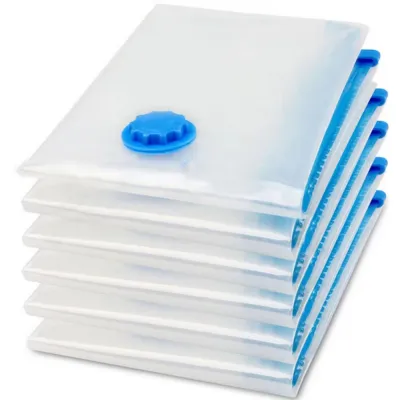
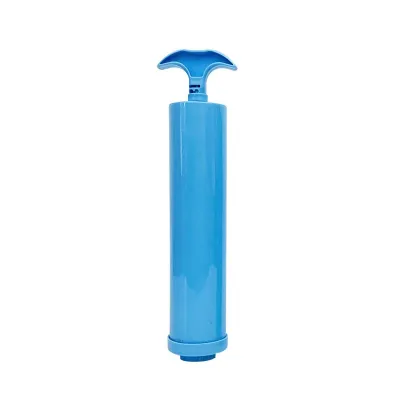
![[SPOT] 3/5 Pcs Vacuum Storage Bag | Compression Bags | Hand Pump | Travel Compressed Bag Vaccum Sealer Storage Organiser for Clothes CNY Gift Present](https://img.lazcdn.com/g/p/b6b13892e06fc7693c07656ff6df4a56.jpg_400x400q80.jpg_.webp)
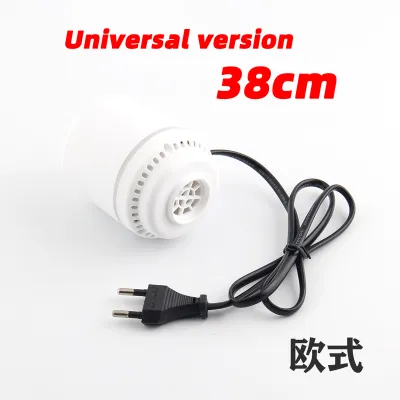
![[SG Local Seller] Vacuum Storage Bag Travel Clothes Storage Bags Sealing Compression Bag For Quilts Clothes Sweater Jacket Space Saving Seal Bags](https://img.lazcdn.com/g/ff/kf/S2b840982ec6346128c81b94895727df4Z.jpg_400x400q80.jpg_.webp)
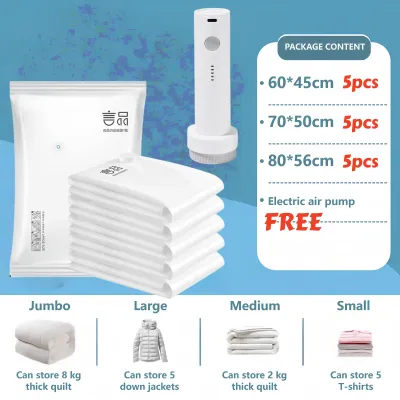
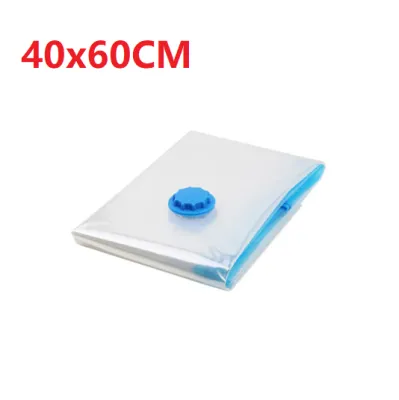
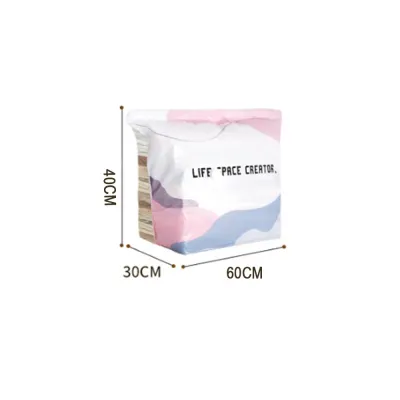
Prices are valid at publication and may change. Please refer to the product page for the latest price.
However, storing textiles openly under a bed in Singapore presents a unique set of environmental challenges. The nation’s equatorial climate features high year-round relative humidity, frequently hovering above 80%. This persistent moisture creates an ideal breeding ground for mold, mildew, and musty odors, which can ruin expensive winter coats, spare comforters, and delicate linens within a matter of months. Additionally, the dark, undisturbed environment under a bed is a preferred nesting site for common household pests, including dust mites and silverfish.
Using a vacum compressed bag solves both the spatial and environmental challenges simultaneously. By extracting the ambient air from the bag, you can compress bulky items like pillows, winter duvets, and thick sweaters by up to 75% to 80% of their original volume. This drastic reduction in height allows massive piles of laundry to slide effortlessly into low-clearance spaces that would otherwise be unusable. More importantly, the compression process creates an airtight, hermetic seal. This barrier completely isolates your textiles from the surrounding atmosphere, keeping humid air, dust, mold spores, and pests away from your valuable fabrics.
Key Features to Look for in an Under-Bed Vacum Compressed Bag
Not all vacuum storage bags are created equal, and using a standard upright bag designed for deep closets will likely lead to frustration when applied to under-bed storage. To ensure your storage setup remains airtight, accessible, and durable, look for several critical design features before making a purchase.

Dimensions and Low-Profile Shapes
Standard vacuum bags tend to balloon into irregular, dome-like shapes once compressed, which can easily jam against the underside of your bed frame. For under-bed applications, look for bags specifically labeled as “under-bed,” “flat,” or “low-profile.” These designs feature a wider, longer rectangular footprint with a constrained height profile. This shape ensures that even when fully loaded and compressed, the bag maintains a uniform, flat surface that slides smoothly under low clearances.
Valve Quality and Seal Durability
The one-way valve is the heart of any compression bag. Look for high-grade silicone valves with a secure screw-cap cover that prevents air from slowly seeping back in. Double-zip seals are also essential; these feature two parallel tracks of interlocking plastic ridges that must be sealed using an ergonomic slider. In Singapore’s humid climate, cheap single-zip seals or low-quality plastics will degrade quickly, causing the bag to slowly re-inflate over several weeks. When a bag re-inflates under a bed, it can expand upward, wedging itself tightly against the bed slats and making retrieval incredibly difficult.
Material Thickness and Puncture Resistance
Under-bed storage bags are subjected to significant friction when slid across parquet, vinyl, tile, or carpeted floors, as well as potential contact with rough wooden bed slats. To prevent micro-punctures that ruin the vacuum seal, check the product specifications for material composition and thickness.
- PA + PE (Polyamide + Polyethylene): This multi-layer co-extruded plastic blend is highly recommended. Polyamide provides excellent flexibility, strength, and puncture resistance, while Polyethylene ensures a tight, reliable seal.
- PET + PE (Polyester + Polyethylene): Often found in budget-friendly bags, this blend is more rigid and prone to cracking or tearing along fold lines over time.
- Thickness: Look for bags with a thickness rating of at least 80 to 100 microns (µm). Thinner bags (around 50 to 60 microns) are highly susceptible to tearing during handling.
Portability and Visibility
Retrieving a heavy, fully loaded vacuum bag from under a bed can be physically awkward. Look for bags equipped with reinforced, double-stitched fabric handles on the sides or ends, allowing you to pull the bag out without tearing the plastic seams. Additionally, prioritize bags that feature a transparent top panel or a clear viewing window. This allows you to instantly identify the contents of each bag without having to slide out and unseal multiple packages to find a specific item.
Types of Vacuum Compressed Bags for Under-Bed Use
To choose the best vacuum storage system, you must understand the different structural designs available on the market and how they interact with your specific bedroom setup.
Soft-Sided Vacuum Bags with Reinforced Handles
These are the most common and economical option. They consist of a heavy-duty, flexible plastic bag equipped with a vacuum valve, a double-zip closure, and integrated handles welded or stitched onto the plastic casing.
- Best Use Case: These bags are ideal for beds with solid platform bases or very smooth, even flooring, such as polished marble, smooth vinyl, or varnished parquet. Because the bag is fully flexible, it can conform slightly to tight spaces and maximize every square centimeter of available area.
- Limitations: Because they lack structural rigidity, soft-sided bags can sag or bunch up if the floor is uneven. Dragging a fully loaded, heavy soft bag across a textured floor or a rough carpet can cause friction tears along the bottom seams. They also offer no protection against the physical weight of other items if you attempt to stack them.
Vacuum Bags with Rigid Bases or Insert Boards
This hybrid design features a standard vacuum compression bag nested inside or attached to a semi-rigid fabric outer shell, which contains a hard plastic or cardboard insert board at the bottom.
- Best Use Case: This style is highly recommended for beds with slatted bases or for bedrooms with slightly textured floors. The rigid bottom panel distributes the weight of the stored items evenly, preventing the compressed bag from sagging into the gaps between bed slats or catching on floor imperfections. The flat, solid base makes sliding the unit in and out exceptionally smooth.
- Limitations: The inclusion of a rigid base adds a small amount of fixed, non-compressible height (typically 1.5 to 3 centimeters) to the overall profile. You must factor this fixed height into your clearance calculations, as the bag cannot be squished down past the height of its rigid frame.
Hard-Sided Storage Boxes with Vacuum Compression Lids
This premium solution consists of a fully rigid plastic or heavy-duty fabric storage box that contains an integrated vacuum compression bag inside, or features a specialized lid with a built-in vacuum valve.
- Best Use Case: Hard-sided vacuum boxes offer the absolute highest level of protection for your belongings. They shield delicate garments from being crushed, completely block out dust, and provide a neat, uniform aesthetic under the bed. They are also highly stackable, making them perfect for high-clearance bed frames where you can stack two units on top of each other.
- Limitations: These units are significantly bulkier and heavier than pure soft-sided bags. Because the outer walls are completely rigid, they cannot conform to tight or irregular spaces, which reduces the total compressible volume. They also tend to sit at a higher price point.
How to Measure Your Bed Clearance and Choose the Right Size
Before purchasing any vacuum storage bags, taking precise measurements of your under-bed space is crucial. A mismatch of even a single centimeter can prevent a loaded bag from sliding under your frame.
Measuring Height
Do not rely on visual estimates. Use a metal measuring tape to measure the exact vertical distance from the floor to the lowest point of your bed frame.
- For Platform Beds: Measure from the floor to the bottom edge of the side rails.
- For Slatted Beds: Measure from the floor to the underside of the wooden slats or the central support beam, which often sits lower than the outer frame.
- For Storage Beds: If your bed has built-in drawers, measure the interior clearance height of the drawers themselves.
Accounting for Hardware and Valve Clearance
Once you have your maximum clearance height, subtract 2 to 3 centimeters to establish your “usable storage height.” This buffer accounts for the physical height of the vacuum valve cap, the thick plastic zipper seams, and any fabric handles or wheels on the storage unit. For example, if your bed frame clearance is 18 centimeters, your target compressed bag height should not exceed 15 to 16 centimeters.
Measuring the Footprint
Measure the usable length and width of the floor space directly under the bed. Be sure to identify and avoid any obstacles, such as:
- Central support legs
- Corner brackets
- Bedside table legs
- Under-bed lighting fixtures
This will give you the maximum footprint dimensions. It is often more practical to buy two or three medium-sized flat bags that can fit side-by-side rather than one massive jumbo bag, which can be incredibly heavy and difficult to maneuver when fully loaded.
Checking Product Specifications
When shopping, always compare your measurements against the manufacturer’s stated dimensions. Pay close attention to whether the listed dimensions represent the flat, uncompressed bag or the fully loaded and compressed state. High-quality brands will often provide both dimensions, allowing you to visualize exactly how much space the bag will occupy once the air is extracted.
Best Practices for Packing and Maintaining Under-Bed Vacuum Bags
To maximize the lifespan of your vacuum storage bags and ensure your stored textiles remain in pristine condition, follow these practical, low-risk steps during packing, placement, and ongoing maintenance.
Preparation and Folding
Before packing any items, ensure that every garment, duvet, or pillow is thoroughly washed and completely dry. In Singapore’s humid climate, trapping even a microscopic amount of moisture inside an airtight vacuum bag will inevitably lead to mold growth and musty odors over time.
Fold your items neatly and flatly, keeping them as uniform in thickness as possible. Avoid creating sharp, rigid corners or bundling items into a ball, as uneven packing creates high-stress points on the plastic film that can lead to punctures during compression. Keep items at least 5 to 8 centimeters away from the zip closure to allow the zipper to seal cleanly without tension.
Compression Limits and Garment Care
While it is tempting to compress your items until they are rock-hard, over-compression can permanently damage certain fabrics. Always consult the garment manufacturer’s care labels before storing.
- Synthetic Fibers and Cotton: These materials handle high levels of compression exceptionally well and can be safely compressed to their minimum volume.
- Natural Fibers (Down, Wool, Silk): Avoid fully compressing down-filled jackets or duvets, as extreme pressure can snap the delicate feathers and ruin the loft permanently. For wool and silk, compress the bag only partially (about 50% volume reduction) to allow the fibers to breathe and prevent permanent, deep creasing.
Placement and Retrieval
Before sliding your packed bags under the bed, take a moment to thoroughly vacuum and dry the floor space. Dust bunnies, hairpins, stray screws, or small pebbles can easily puncture the bottom of a plastic bag as it is slid across the floor.
When retrieving your bags, always pull them gently using the designated fabric handles. Never drag the bag by its plastic corners, zipper slider, or valve cap, as these actions put immense stress on the heat-sealed seams and can cause immediate air leaks.
Routine Maintenance
Vacuum seals are rarely 100% permanent; microscopic air slow-leaks can occur over time due to temperature fluctuations and structural settling. Establish a routine to inspect your under-bed storage bags every 3 to 6 months. Slide the bags out, check if they have expanded or feel soft, and inspect the zip seal for any dust or debris. If a bag has lost its vacuum, wipe the seal clean, zip it shut using the slider, and use your vacuum cleaner or hand pump to re-extract the air.
Frequently Asked Questions (FAQ)
Can I store down jackets or silk items in vacuum compressed bags?
Yes, but you must exercise caution and avoid full compression. Natural fibers like down, wool, and silk require a small amount of air to maintain their structural integrity and loft. Compressing down jackets completely can crush the delicate feathers, permanently reducing their insulating properties. Silk items can develop severe, permanent creases under intense pressure. Always check the garment’s care label first. If you must store these items in a vacuum bag, compress the bag only partially—reducing the volume by about 50% rather than squeezing all the air out—to protect the delicate fibers.
How often should I check the vacuum seal on under-bed storage bags?
It is highly recommended to inspect your under-bed vacuum bags every 3 to 6 months. Singapore’s high ambient humidity and temperature variations can cause plastic materials to expand and contract slightly, which may slowly compromise the seal over time. During your routine checks, feel the bags to ensure they remain firm and flat. If any bag has started to soften or expand, inspect the double-zip seal for dust or lint, run the sealing slider across the track again, and re-vacuum the air to restore the airtight barrier.
Do vacuum bags protect against bed bugs and dust mites?
Yes, a high-quality, properly sealed vacuum bag creates an absolute physical barrier that prevents new bed bugs, dust mites, silverfish, and other pests from entering and damaging your stored textiles. However, vacuum compression alone does not guarantee the elimination of pests that are already present on your garments prior to packing. To ensure complete protection, thoroughly wash and fully dry all clothing and bedding according to their care instructions before sealing them inside the vacuum bags.

Community discussion
Share your experience or ask a question. Comments are reviewed before publication.