
Maximizing floor space in compact bedrooms, such as those in Singapore HDB flats and condominiums, often requires utilizing overlooked areas like the space beneath the bed. An under-bed storage rack organizer provides a structured, accessible solution for stowing away seasonal items, footwear, or extra bedding without cluttering the room. Because bed frame designs, floor clearances, and storage needs vary significantly, finding the right organizer depends on precise spatial measurements and structural compatibility. Rather than relying on a one-size-fits-all solution, selecting the ideal organizer requires evaluating your specific room layout, floor type, and the physical characteristics of the storage unit itself.
Assessing Your Under-Bed Space and Storage Needs
Before purchasing any storage rack organizer, you must conduct a thorough spatial assessment of the area beneath your bed. Start by measuring the exact clearance height from the floor to the lowest point of the bed frame. Do not simply measure from the side rails; instead, slide your tape measure underneath to account for center support legs, structural crossbars, and any protruding hardware or brackets that might reduce the actual usable height. It is common for a bed frame to have a clearance of 20 centimeters at the edge but only 15 centimeters near the center support beam. Recording the minimum clearance ensures you do not buy an organizer that gets wedged or stuck during use.
Next, measure the available width and depth between the bed legs. If you have bedside tables or other furniture positioned close to the bed, factor in the clearance needed to pull the organizer out completely. For instance, if your bed is placed against a wall, you will only have access from one side, which limits the usable depth of the storage rack. If you have open space on both sides of a queen or king-sized bed, you can opt for deeper organizers or place two units back-to-back. Always leave a buffer of at least two to three centimeters on all sides to prevent the organizer from scraping against the bed frame legs during retrieval.
Products mentioned in this guide
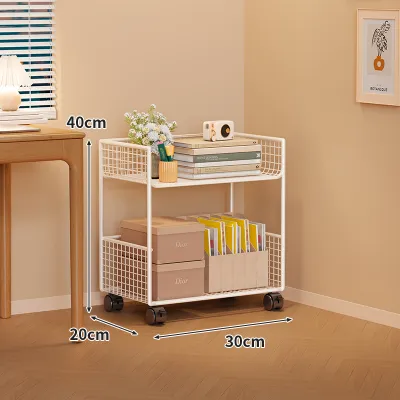
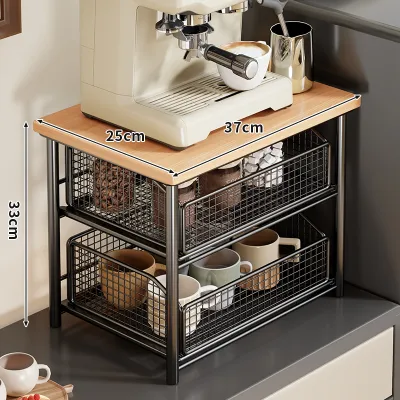

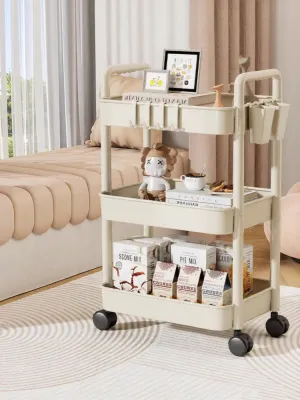
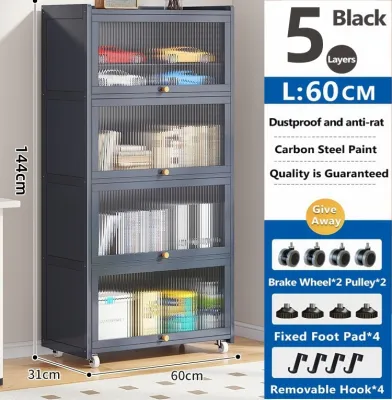

Prices are valid at publication and may change. Please refer to the product page for the latest price.
Categorizing your intended storage items is equally critical for determining the volume and weight capacity you require. Heavy items like textbooks, spare exercise weights, or dense documents demand a low-profile rack with a reinforced base and high-weight-capacity wheels. Conversely, lightweight but bulky items such as winter coats, extra pillows, or seasonal bedding require high-volume bins that maximize vertical space. If you plan to store daily-use items like work shoes or frequently worn apparel, prioritize quick-access designs that slide out effortlessly. For items accessed only a few times a year, such as travel gear or holiday decorations, you can prioritize maximum capacity and dust protection over daily convenience.
Finally, identify your bedroom floor surface type to prevent long-term damage. Hardwood, parquet, and laminate floors are highly susceptible to scratches and indentations from hard plastic wheels or rough metal bases. If you have these surfaces, look for organizers equipped with soft rubber or polyurethane casters, or those with protective felt pads if they are stationary. For tiled floors, ensure the wheels are large enough to roll smoothly over grout lines without getting stuck or causing jarring vibrations. If your bedroom is carpeted, specialized wide-wheel casters or smooth plastic runners are necessary to reduce friction and prevent the carpet fibers from wearing down over time.
Key Features to Evaluate in a Storage Rack Organizer
When evaluating different storage rack organizers, the access mechanism is a critical functional design element. Pull-out drawers and sliding bins are popular because they allow you to view and reach items without lifting the entire unit. However, these mechanisms require a clear path of travel equal to the depth of the drawer itself. If your bedroom layout is tight, a lift-up lid or a split-hinged cover might be more practical, allowing you to slide the organizer out partially to access the front section. For ultra-tight spaces, consider modular bins with open-front configurations that allow you to reach inside without moving the rack.

Mobility and stability must be balanced based on your usage patterns. Organizers equipped with 360-degree swiveling casters offer excellent maneuverability, making it easy to guide the rack around obstacles. However, highly mobile units can drift unexpectedly on slightly uneven floors. To prevent this, look for organizers that feature locking casters on at least two wheels, allowing you to secure the rack in place. If you intend to use the rack for heavy, stationary storage—such as archiving old files—a fixed-foot design or a runner-based system may offer better stability and prevent the structural warping that can occur when heavy loads sit on small wheel axles over long periods.
Dust and moisture protection are vital considerations in Singapore’s humid climate. Open-wire racks provide excellent ventilation, which helps prevent musty odors from building up in fabrics, but they offer no protection against dust that naturally accumulates under beds. If you choose an open rack, plan to use zippered fabric storage bags or sealed plastic containers within the rack to protect your belongings. Enclosed designs, such as plastic bins with latching lids or fabric organizers with zippered covers, provide a robust barrier against dust. However, because enclosed units can trap moisture, look for designs that incorporate breathable fabric panels or use desiccant packets to maintain a dry interior.
Material and Structural Checks for Durability
The durability and lifespan of an under-bed storage rack organizer depend heavily on its material composition and structural design. Coated metal frames, such as powder-coated steel or iron, offer excellent structural rigidity and are highly resistant to bending under heavy loads. When evaluating metal options, inspect the quality of the protective coating; any chips, scratches, or unpainted joints can expose the underlying metal to moisture, leading to rust over time. Engineered wood organizers provide a more finished, furniture-like appearance that matches wooden bed frames, but they are generally heavier and can swell or warp if exposed to high humidity or floor-mopping moisture. If choosing engineered wood, verify that all edges are fully sealed with edge-banding to block moisture ingress.
Heavy-duty plastic organizers are lightweight, highly resistant to moisture, and easy to clean, making them a practical choice for many households. However, not all plastics are created equal. Look for organizers made from thick, high-density polyethylene (HDPE) or polypropylene (PP), which resist cracking and structural sagging better than thin, brittle plastics. Avoid models that exhibit visible flexing when empty, as they are likely to bow significantly once loaded with items. Regardless of the material, always locate the manufacturer’s stated maximum load capacity. A high-quality under-bed rack should clearly specify its weight limit, typically ranging from 10 to 25 kilograms. Plan to distribute the weight evenly across the entire surface of the rack rather than concentrating heavy items in one corner, which can cause the frame to warp or the wheels to fail prematurely.
Structural integrity is also determined by the quality of the joints and assembly hardware. When reviewing product specifications or assembling the unit, pay close attention to how the frame components connect. Metal racks that use threaded screw inserts or welded joints are generally much sturdier than those that rely on simple push-fit plastic connectors. If the organizer requires home assembly, check that the included hardware is made of high-grade steel and that the pre-drilled holes align perfectly. Loose or poorly aligned joints will cause the rack to wobble, putting uneven stress on the casters and significantly reducing the organizer’s operational lifespan.
Building Your Conditional Shortlist
To find the most suitable under-bed storage rack organizer, you can match your specific bedroom constraints and storage goals to a tailored solution using a condition-based decision framework.
Scenario A: High-Frequency Access for Everyday Items
If you plan to use the under-bed space for daily-use items like work shoes, gym gear, or frequently worn clothing, your priority should be effortless retrieval and quick access. Look for low-profile rolling drawers with open-top designs or low-lipped borders that allow you to see the contents at a glance. Prioritize organizers with large, smooth-gliding wheels and sturdy, ergonomic handles on the front panel. A metal wire frame with a removable, washable fabric liner is often ideal for this scenario, as it combines structural strength with easy maintenance and breathability.
Scenario B: Long-Term Storage for Seasonal Goods
For items that you only need to access occasionally—such as winter wear for overseas travel, spare bedding, or holiday decorations—protection and space maximization are your primary goals. In this case, prioritize fully enclosed plastic bins or heavy-duty fabric organizers with secure, latching lids or robust zippers. Look for stackable designs if your bed frame has sufficient vertical clearance, allowing you to double your storage capacity. Because these units will remain stationary for long periods, models with fixed runners or low-profile wheels are suitable, provided they seal tightly against dust and pests.
Scenario C: Maximizing Vertical Clearance in Ultra-Low Bed Frames
If your bed frame sits very close to the floor, with a clearance of 15 centimeters or less, standard rolling drawers will not fit. You must prioritize ultra-low-profile, flat-pack designs. Look for organizers specifically labeled as “low-profile,” which often utilize a slim, fabric-based construction with a rigid internal board rather than a thick metal or wooden frame. These units frequently dispense with wheels entirely, relying instead on smooth, low-friction plastic sliders or felt-bottomed bases that glide easily across hard floors without sacrificing precious vertical millimeters.
Before finalizing your purchase on any e-commerce platform or brand website, always verify the current stock and double-check the exact dimensional tolerances provided by the seller. Keep in mind that hand-measured dimensions can vary by a few millimeters, so it is always safest to choose an organizer that leaves a comfortable margin of error within your measured bed clearance. Additionally, review the merchant’s return policy; if the organizer does not fit due to an unmeasured structural bar under your bed, a flexible return or exchange policy will save you from being stuck with an unusable item.
Installation, Safety, and Maintenance
Proper installation and routine upkeep are essential to ensure your under-bed storage rack organizer operates safely and lasts for years. When assembling your organizer, follow the manufacturer’s instructions strictly. Use the correct tools specified in the manual, and avoid using power drills on plastic or engineered wood components unless explicitly directed, as high torque can easily strip screw holes or crack the material. Ensure all screws, bolts, and dowels are tightened securely but not overtightened, which can warp the frame or damage the joints. If the organizer includes adhesive pads or protective liners, apply them carefully to the designated areas to prevent scratches on your floors or the organizer itself.
Once assembled, conduct a series of operational safety checks before loading the rack with your belongings. Slide the empty organizer under the bed to ensure it moves smoothly and does not catch on any part of the bed frame, mattress, or bedding. Verify that the fully extended organizer does not block primary walking paths, bedroom doors, or wardrobe doors, which could create tripping hazards or impede emergency evacuation routes. If you have a motion-adjustable bed frame, ensure the storage rack is positioned well clear of any moving mechanical parts to prevent dangerous jams or structural damage to both the bed and the organizer.
Routine maintenance will keep your storage rack functioning smoothly over time. Periodically pull the organizers out completely to vacuum the floor beneath the bed, as dust accumulation can clog wheel axles and make rolling difficult. Wipe down the wheels or casters with a damp cloth to remove hair, lint, and dirt, and apply a small drop of silicone lubricant to the wheel bearings if they begin to squeak or resist turning. Check the structural joints every few months and tighten any screws that may have loosened from regular movement. Finally, strictly adhere to the manufacturer’s weight limits; overloading the rack will not only damage the wheels and frame but can also cause the unit to sag and scrape against your bedroom floor, leading to costly repairs.
Frequently Asked Questions (FAQ)
Can I use an under-bed storage rack on a carpeted floor?
Yes, you can use an under-bed storage rack on a carpeted floor, but you must select the right base design to ensure smooth movement. Standard small, hard plastic wheels tend to sink into carpet fibers, making the rack difficult to pull out and potentially damaging the carpet over time. Instead, look for organizers equipped with wide, large-diameter casters or specialized carpet glides that distribute the weight more evenly. Alternatively, stationary fabric organizers with smooth, flat plastic bottoms can slide relatively easily over low-pile carpets without the need for wheels. Always check the manufacturer’s specifications to confirm carpet compatibility before purchasing.
How do I prevent mold or musty odors in under-bed storage?
Preventing mold and musty odors in under-bed storage requires managing moisture and airflow, especially in humid climates like Singapore’s. Start by ensuring that any clothing, bedding, or shoes are completely dry before storing them away. If you are using enclosed plastic or fabric organizers, place silica gel packets, activated charcoal bags, or hanging moisture absorbers inside the units to capture trapped humidity. For open-wire racks, ensure your bedroom has adequate ventilation, and occasionally run a dehumidifier or air conditioner to lower the ambient humidity. Selecting organizers made from breathable fabrics or those with built-in ventilation eyelets also helps maintain air circulation and keep your stored items smelling fresh.

Community discussion
Share your experience or ask a question. Comments are reviewed before publication.