
To find the best thin shelves for under-bed storage in Singapore, you must focus on low-profile, mobile, and humidity-resistant designs that maximize the tight clearances of typical HDB flat or condominium bedrooms. Because floor space is at a premium in local homes, utilizing the often-ignored gap beneath your bed frame can yield significant storage capacity for seasonal items, bedding, and accessories. However, selecting the right thin shelves requires careful consideration of bed clearance, local humidity, and ease of mobility.
How to Measure Your Bed Clearance and Space Limits
Before purchasing any under-bed shelves, you must accurately assess the physical constraints of your bedroom to prevent buying units that do not fit. Start by measuring the vertical clearance, which is the exact distance from the floor to the lowest structural element of your bed frame. This is often not the side rail, but rather the center support beam, the wooden slats, or the metal brackets holding the frame together.
Remember to account for mattress sag when calculating your clearance limits. When a person lies on the bed, the mattress and the supporting slats can bow downwards by one to two centimeters. This slight deflection can easily jam a tightly fitted shelf, making it difficult or impossible to pull out without lifting the bed frame. Subtracting a small safety margin from your initial measurement prevents this issue.
Products mentioned in this guide
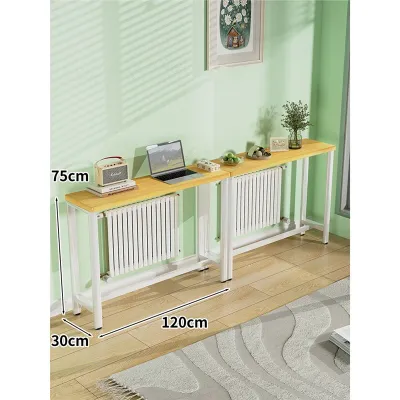
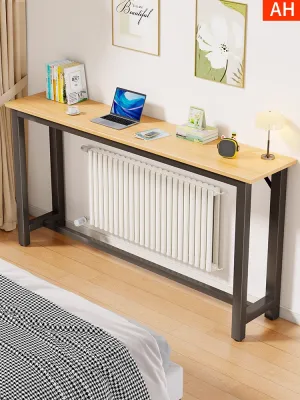
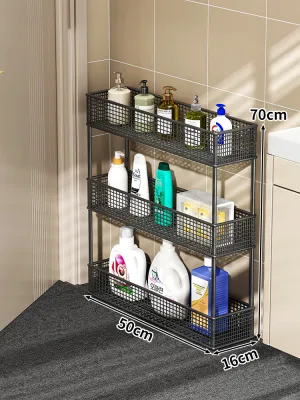
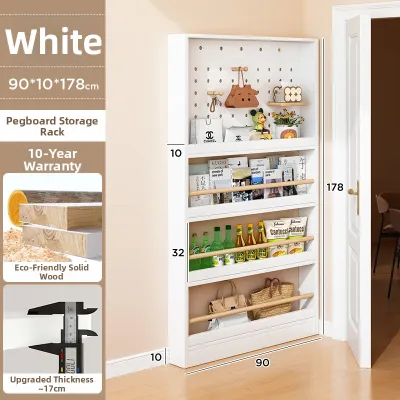
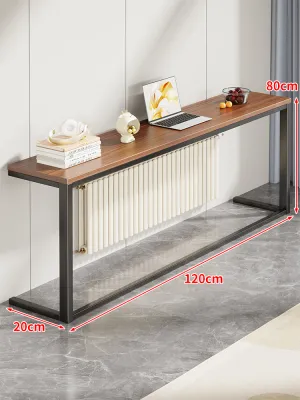
Prices are valid at publication and may change. Please refer to the product page for the latest price.
Next, measure the usable depth and width under the bed. Do not assume the entire area beneath the mattress is open space, as many modern bed frames feature center support legs, crossbars, or diagonal corner braces that segment the area. Measure the clear paths between these structural obstacles to determine the maximum width and depth your shelves can occupy. If you have bedside tables, ensure the shelves can be pulled out fully without colliding with them.
Finally, account for local flooring variations and room fixtures. Skirting boards along the walls can reduce the entry width if your bed is pushed tight against a corner. Additionally, uneven flooring transitions—such as the lip between parquet bedroom flooring and tiled walkways—can affect how smoothly a shelf slides out. Always measure the clearance at multiple points under the bed to identify the lowest clearance zone, and remember that exact measurements serve as the primary filter for any purchase.
Essential Features for Low-Profile Under-Bed Shelving
Height and Profile When searching for thin shelves, the total assembled height is the most critical specification to verify. Manufacturers often list the dimensions of the shelf body itself, omitting the height added by the wheels, casters, or handles. Ensure you check the product specifications for the total assembled height or overall height with wheels. If this information is missing, contact the manufacturer or retailer directly before purchasing to avoid buying a unit that is too tall for your bed clearance.

Mobility and Casters Under-bed shelves must be easy to retrieve and put away, which makes mobility a key feature. Look for shelves equipped with smooth-rolling, multi-directional casters or low-profile wheels. In Singapore, where bedroom floors are commonly finished with vinyl, laminate, or delicate parquet wood, low-quality plastic wheels can cause scratches or leave dark track marks over time. Opt for wheels made of polyurethane or rubber, or those featuring soft felt pads if you are using sliding trays without wheels.
Dust and Moisture Management Singapore’s tropical climate presents unique challenges for under-bed storage, namely high relative humidity and rapid dust accumulation. The space under a bed is a natural dust trap, and without proper protection, stored items can quickly become covered in lint. Enclosed shelves, such as those with fitted lids or zippered fabric covers, offer the best protection against dust. Moisture is another major concern; trapped air under a bed can become humid, leading to mold growth. Look for materials that are easy to wipe clean, and always check the manufacturer’s care labels to verify if a material has been treated to resist moisture.
Weight Capacity and Structural Integrity The structural integrity of the shelf determines what types of items you can safely store. Thin shelves designed for under-bed use are often constructed from lightweight materials, but they must still be sturdy enough to handle heavy loads like books, winter coats, or spare bedding. Check the manufacturer’s stated weight capacity per shelf or unit. Look for structural reinforcements, such as welded wire mesh, reinforced plastic bases, or metal cross-braces, which prevent the shelf from bowing or warping under load.
Recommended Types of Thin Shelves for Under-Bed Use
Rolling Wire or Metal Shelving Units
Rolling wire or metal shelving units are highly durable options designed for heavy-duty storage. These units typically consist of a low-profile steel or iron frame with wire mesh shelves, supported by small, heavy-duty casters. The metal is usually powder-coated to provide a clean finish and help protect the underlying material from environmental factors.
One of the primary advantages of wire shelving is outstanding airflow. The open grid design allows air to circulate freely around your stored items, which is incredibly beneficial in humid climates where stagnant air can lead to musty smells. Additionally, metal frames offer superior weight capacity and structural rigidity, ensuring the shelf will not sag even when loaded with heavy items.
However, these open-air units offer virtually no protection against dust. If you store items directly on the wire shelves, they will eventually accumulate dust and lint from the underside of the mattress. Furthermore, delicate fabrics like silk, knitwear, or lace can easily snag on wire joints, mesh edges, or exposed metal corners if not handled carefully.
These shelves are best used for storing items that are already protected or are not sensitive to dust. For example, they are ideal for organizing shoes kept in their original boxes, heavy tools, sports equipment, or seasonal clothing sealed inside thick vacuum storage bags. The high weight tolerance and smooth rolling action make them perfect for these heavier payloads.
Flat Wooden Pull-Out Shelves
Flat wooden pull-out shelves offer a warm, natural aesthetic that complements many modern Singaporean bedroom designs, such as Scandinavian, Japandi, or minimalist styles. These shelves are typically single-tier wooden trays or flat boards equipped with low-profile directional rollers, felt sliders, or recessed wheels. They are designed to slide smoothly along the floor, presenting a clean and integrated look when tucked away.
The main advantage of flat wooden shelves is their solid, continuous surface. Unlike wire shelves, there are no gaps, meaning small items, accessories, or loose papers will not fall through to the floor. The solid bottom also makes it much easier to slide items on and off the shelf. Additionally, when crafted from high-quality treated wood or engineered wood with a clean laminate finish, they serve as an attractive extension of your existing bedroom furniture.
A key limitation of wooden shelves is their susceptibility to moisture if the wood is not properly sealed. In humid environments, untreated or poorly treated wood can absorb ambient moisture, leading to warping, veneer peeling, or mold growth. Wooden shelves also tend to have lower weight limits than reinforced metal units, and they can be heavier to pull out if they rely on friction sliders rather than high-quality wheels.
These shelves are best suited for frequently accessed, lightweight items. They are excellent for storing folded linens, everyday clothing, pajamas, lightweight accessories, or children’s books. To ensure longevity, always verify that the wood surface has been treated with a moisture-resistant varnish or laminate, and avoid using them in rooms with poor ventilation or high dampness.
Low-Profile Plastic or Acrylic Bins with Wheels
Low-profile plastic or acrylic bins with built-in wheels are highly practical, enclosed storage solutions. These units are specifically molded to be shallow and wide, maximizing the horizontal footprint under your bed. They typically feature secure, clip-on lids or split-folding lids that allow you to access the contents without pulling the entire bin out from under the bed.
The standout advantage of these bins is superior dust and moisture protection. Because they are fully enclosed, they create a barrier that keeps out dust, lint, and common household pests. If you choose clear acrylic or transparent plastic bins, you can easily identify the contents at a glance without having to open them. They are also highly lightweight, easy to clean with a damp cloth, and often designed to be stackable if your bed frame has sufficient clearance.
On the downside, plastic and acrylic can be prone to cracking or warping if they are overloaded, dropped, or subjected to heavy impacts. The wheels on budget-friendly plastic bins are often small and molded directly into the plastic base, which can make them less durable and more prone to jamming than independent metal casters. Overloading these bins can cause the plastic bottom to sag and scrape against the floor.
These enclosed bins are the best choice for storing seasonal clothing, spare bedding, pillows, important documents, or items that are highly sensitive to dust and humidity. Because they can be sealed tightly, you can place moisture-absorbing packets inside to create a dry, protected micro-environment for your most valuable or delicate fabrics.
Comparing Under-Bed Shelving Types at a Glance
Evaluating the different styles of under-bed shelves side by side can help you determine which option aligns best with your bedroom space, flooring type, and storage requirements. The table below outlines the primary functional differences between the three recommended categories.
| Shelving Type | Dust Protection Level | Mobility | Best Use Case | Key Maintenance Requirement |
|---|---|---|---|---|
| Rolling Wire or Metal Shelving Units | Low (Open-air design) | High (Multi-directional casters) | Boxed shoes, heavy tools, sealed storage bags | Wipe down metal frame; check for rust or loose casters |
| Flat Wooden Pull-Out Shelves | Medium (Shallow/open top) | Medium (Directional rollers or sliders) | Linens, everyday clothes, lightweight accessories | Check sealant condition; wipe with a dry, soft cloth |
| Low-Profile Plastic or Acrylic Bins | High (Enclosed with secure lids) | High (Built-in bottom wheels) | Seasonal clothes, bedding, dust-sensitive items | Clean wheels regularly; avoid overloading to prevent cracking |
Setup and Maintenance Tips for Under-Bed Storage
Proper setup and regular maintenance are essential to ensure your under-bed storage remains clean, functional, and safe. When positioning your thin shelves, avoid pushing them flush against the wall or tight against the bed frame. Leaving a small gap of 2 to 5 centimeters allows air to circulate freely around the shelves, which is crucial for preventing localized humidity buildup and mold growth in Singapore’s tropical climate.
Establish a monthly cleaning routine to prevent dust and pests from taking over the under-bed area. Pull all shelves out completely, vacuum the floor thoroughly, and wipe down the surfaces of the shelves. This routine helps eliminate dust bunnies, which are a primary food source for common household pests like dust mites and silverfish. If you notice any signs of dampness on the floor or the underside of the bed frame, let the area dry completely before sliding the shelves back in.
Periodically inspect the wheels, casters, and sliders on your shelves. Hair, lint, and dust can easily wrap around wheel axles over time, causing them to jam. A jammed wheel can drag across your floor, leaving deep scratches on parquet or vinyl surfaces. Clean the axles regularly and check that any caster locks are functioning correctly.
Never exceed the manufacturer’s specified weight limits for your shelving units. Overloading a shelf can cause the frame to bow, which may lead to the shelf bottom scraping against your floor or putting unnecessary pressure on your bed frame’s lower supports. If a shelf becomes difficult to pull out, it is a clear sign that it is overloaded or that the wheels need maintenance. Always distribute weight evenly across the shelf surface rather than piling heavy items in one spot.
Frequently Asked Questions (FAQ)
Can I use standard bookshelves or cabinets under a bed?
Standard freestanding bookshelves or cabinets are generally not suitable for under-bed storage. These furniture pieces are designed to stand vertically, meaning their structural integrity, shelf spacing, and weight distribution rely on upright positioning. Laying a standard bookshelf flat on its back under a bed usually exceeds the available vertical clearance, as these units are typically much deeper than the 10 to 20 centimeters of clearance found under most bed frames.
Furthermore, standard cabinets and bookshelves lack the necessary mobility features. They do not come equipped with low-profile wheels or casters, making them incredibly difficult to pull out and push back in. Attempting to slide a heavy wooden cabinet directly across your bedroom floor will almost certainly scratch your vinyl or parquet flooring and can cause physical strain when you try to retrieve your items.
How do I prevent mold on under-bed shelves in a humid climate?
To prevent mold on under-bed shelves in Singapore’s humid climate, you must focus on airflow and moisture control. Avoid placing your bed and storage shelves directly against exterior walls, which can experience temperature fluctuations and condensation. Ensure there is a clear gap around the shelves to promote passive air circulation. Using a dehumidifier in the bedroom can also help keep overall indoor humidity levels within a safe range.
For enclosed plastic or acrylic bins, place standalone moisture absorbers, such as silica gel packets or disposable dehumidifier tubs, inside the bins alongside your items. Always ensure that any clothing or bedding is completely dry before storing it. Finally, strictly follow the manufacturer’s cleaning and care instructions for the specific shelf material, and inspect the storage area regularly to catch any early signs of dampness or mildew.

Community discussion
Share your experience or ask a question. Comments are reviewed before publication.