
Selecting the right storage cabinet with wheels for your HDB flat depends on matching the cabinet’s material, dimensions, and wheel type to the specific environmental conditions of each room. In compact HDB layouts where floor space is at a premium, mobile storage offers the flexibility to reconfigure your home on the fly. Whether you are looking to slide a slim pantry cart into a tight kitchen gap, organize toiletries in a humid bathroom, or add a multi-functional side table to your living room, understanding the physical constraints and material limits of these units is key to making a lasting purchase.
Multi-functional and foldable designs are particularly valuable in HDB flats. A rolling cabinet that can fold flat when not in use or expand to serve as an extra workspace provides the ultimate adaptability for modern, space-conscious living. By focusing on targeted selection criteria, you can find mobile storage that enhances your home’s organization without creating physical or visual clutter.
Key Selection Criteria for Mobile Storage
Measuring is the first and most critical step. In an HDB flat, every centimeter counts. Before purchasing a storage cabinet with wheels, measure the exact floor area where it will park, as well as the path it must travel. Check the clearance of doorways, passages, and the gaps between existing furniture. If you plan to slide the cabinet under a kitchen counter, study table, or bathroom sink, measure the vertical clearance carefully, factoring in the height of the wheels (casters), which often add 5 to 10 centimeters to the overall height of the unit. Ensure there is at least a 2-centimeter buffer on all sides to prevent the cabinet from scraping against walls or adjacent furniture during movement.
Products mentioned in this guide
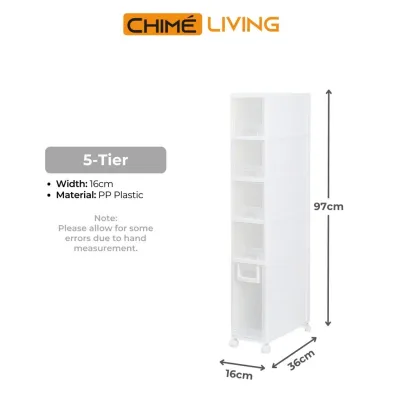
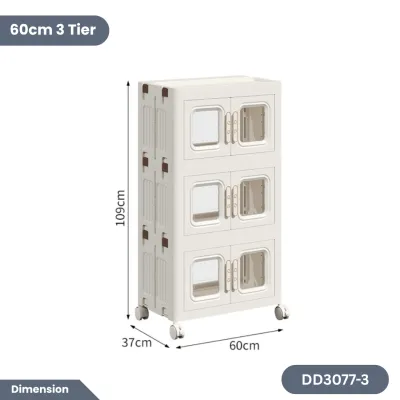
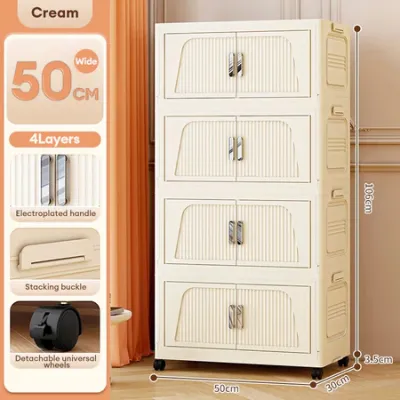
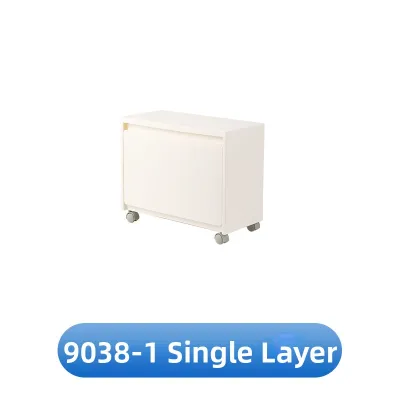
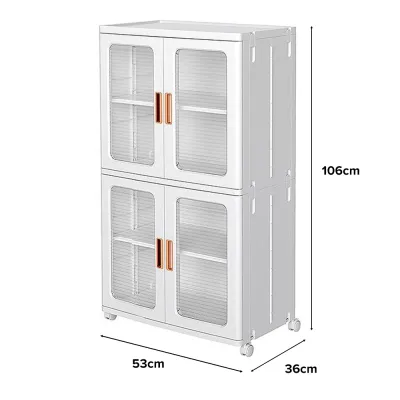
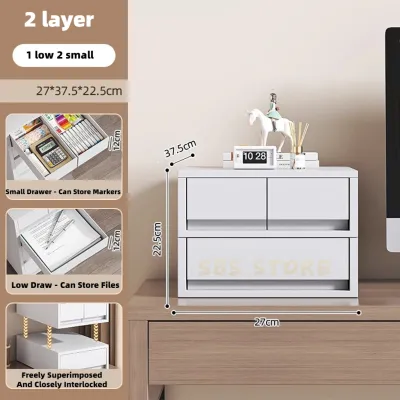
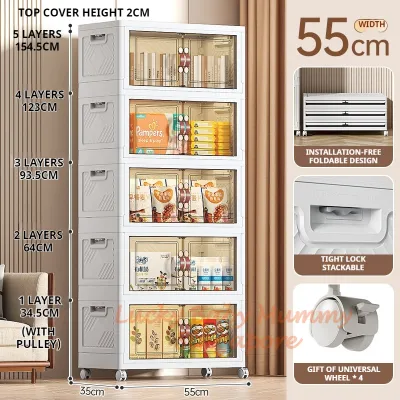
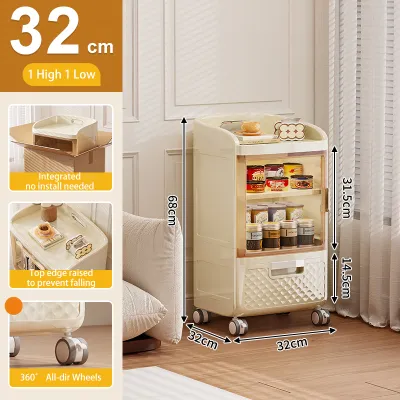
Prices are valid at publication and may change. Please refer to the product page for the latest price.
The durability of a rolling cabinet depends heavily on its construction materials and how they interact with the room’s environment. Instead of relying on generic terms like “wood” or “metal,” look closely at the manufacturer’s product specifications. For high-humidity areas, verify if metal components have been treated with rust-resistant coatings, such as powder coating or chrome plating. For engineered wood products, check for sealed edges and water-resistant laminates or melamine finishes. Unsealed edges can absorb airborne moisture, leading to swelling, warping, and structural failure over time.
The wheels, or casters, are the defining feature of mobile storage, and their design dictates how easily the cabinet moves and how well it stays in place. Standard nylon or plastic casters are common but can be noisy and may scratch delicate flooring. Look for non-marking polyurethane (PU) or rubber wheels, which glide smoothly and protect your floors. Additionally, ensure the cabinet has lockable brakes on at least two of its wheels—ideally the front two—so you can secure the unit in place when it is stationary. This is especially important for safety if you have children or pets, or if the cabinet holds heavy or fragile items.
Kitchen: Navigating Heat, Moisture, and Tight Gaps
HDB kitchens are notoriously compact, often leaving narrow, underutilized spaces beside the refrigerator, washing machine, or between kitchen counters. A slim, tall rolling cart or storage cabinet with wheels is an excellent way to reclaim these gaps for pantry storage. However, before sliding a cabinet into a tight space next to a major appliance, check the appliance’s manual for ventilation requirements. Refrigerators, for example, typically require a clearance of 5 to 10 centimeters on the sides to dissipate heat efficiently. Blocking these gaps with a tightly fitted cabinet can cause the appliance to overheat, reducing its lifespan and increasing your electricity bills.

The kitchen environment exposes furniture to high heat, steam, grease, and frequent spills. When selecting a mobile cabinet for this area, prioritize materials that can withstand these harsh conditions. Look for product specifications that explicitly state heat resistance, particularly if the cabinet will be positioned near a stove, oven, or rice cooker. Smooth, non-porous surfaces like stainless steel, powder-coated metal, or high-pressure laminates are ideal because they resist grease buildup and can be easily wiped clean with a damp cloth and mild detergent. Avoid untreated wood or low-grade plastics that can warp under heat or absorb cooking oils.
Kitchen storage often involves heavy items, such as canned goods, bags of rice, small appliances, or cast-iron cookware. Before loading your rolling cabinet, check the manufacturer’s specified weight limits for both the individual shelves and the unit as a whole. A top-heavy cabinet is a tipping hazard, especially when in motion. To maintain stability, always place the heaviest items on the bottom shelf and lighter items on top. Look for cabinets with a wide base, sturdy joints, and robust casters that are rated to support the intended load without bending or buckling.
Bathroom: Prioritizing Water Resistance and Ventilation
HDB bathrooms, particularly those without separate wet and dry zones, experience extreme humidity and direct water exposure. Standard metal or wood cabinets will quickly rust, mold, or warp in this environment. To ensure longevity, look for cabinets made from naturally water-resistant materials, such as high-grade plastics (like polypropylene), rust-proof aluminum, or specially treated stainless steel. Always verify the manufacturer’s care instructions to confirm that the unit is rated for wet environments. If using engineered wood, ensure it features a fully sealed, waterproof PVC or melamine wrap with no exposed particleboard.
Space is at a premium in HDB bathrooms, where layout constraints can make it difficult to add permanent fixtures. A slim, multi-tier rolling cabinet can fit neatly into the narrow gap beside the toilet, under a wall-mounted sink, or in a corner. When planning the layout, measure the space carefully to ensure the cabinet does not obstruct the swing of the bathroom door, the shower screen, or your movement around the toilet. Opt for a unit with a small footprint but multiple vertical tiers to maximize storage capacity without taking up valuable floor space.
Standing water and high humidity are breeding grounds for mold, mildew, and bacteria. To prevent these issues, choose a mobile cabinet with an open-shelf design, wire mesh baskets, or slatted bottoms. These features allow air to circulate freely around your toiletries, towels, and cleaning supplies, helping them dry quickly. They also prevent water from pooling inside the shelves if the cabinet is splashed during a shower. Avoid deep, solid-walled plastic or wood drawers that trap moisture and are difficult to dry out.
Bedroom and Living Areas: Blending Storage with Aesthetics
In bedrooms and living rooms, protecting your flooring from scratches and scuffs is a major priority. HDB flats commonly feature vinyl, laminate, parquet, or homogeneous tile flooring. Dragging heavy furniture can cause permanent damage to these surfaces. When choosing a storage cabinet with wheels for these areas, ensure the casters are made of soft, non-marking materials like polyurethane (PU), rubber, or thermoplastic elastomer (TPE). Avoid hard nylon or metal wheels, which can scratch wood and vinyl. For extra protection, you can look for wheels with felt-padded surfaces or use caster cups when the cabinet is parked for long periods.
To make the most of your living space, look for mobile cabinets that serve multiple purposes. A rolling cabinet with a flat, sturdy top can double as a bedside table, a sofa side table, or a mobile coffee station. Some designs feature foldable drop-leaf tops that can be expanded into a temporary desk or dining surface, then folded down to save space. Others can act as low room dividers to separate a study nook from the rest of the living room. Evaluating these multi-functional capabilities allows you to reduce the overall number of furniture pieces in your home, keeping your layout open and airy.
While functionality is key, the aesthetic appeal of your mobile storage is equally important in communal and personal spaces. A bulky, industrial-looking metal cart might look out of place in a cozy, Scandinavian-style bedroom. Consider the visual weight of the cabinet—units with open frames and slender profiles feel lighter and make a room feel more spacious. Match the cabinet’s finishes, colors, and materials with your existing decor. For instance, warm wood veneers or matte neutral plastics blend seamlessly into minimalist or modern interiors, while sleek metal frames complement industrial or contemporary styles.
Pre-Purchase and Assembly Checklist
Before finalizing your purchase, consider how the cabinet will reach your flat. If the unit comes fully assembled or in a large, heavy box, check the dimensions against your HDB block’s lift doors, corridor widths, and your own front door. Standard HDB passenger lifts have specific height and width limits that can accommodate most flat-pack furniture, but exceptionally long or bulky items may require special handling. Ensuring the package can easily pass through these entry points prevents delivery delays or unexpected handling fees.
Many mobile storage cabinets are sold flat-packed and require self-assembly. Review the manufacturer’s manual or product description online to understand the tools required, the complexity of the assembly, and the estimated time. Check if the package includes all necessary hardware, such as hex keys or wrenches. Pay close attention to structural stability guidelines and any anti-tip warnings. Even though the cabinet is on wheels, tall or top-heavy units may still require anchoring to a wall if they are placed in a permanent spot, especially in homes with young children.
Buying furniture online carries the risk of receiving damaged parts, missing hardware, or finding that the product does not match the description. Before checking out, verify the retailer’s return and exchange policy. A reliable seller should offer a clear window (such as 7 to 14 days) to report defects or missing components. Check if there is a warranty covering structural defects, particularly on the wheel attachments and braking mechanisms, which bear the brunt of the physical wear and tear.
Frequently Asked Questions (FAQ)
How do I stop a storage cabinet with wheels from rolling on uneven floors?
If your HDB floor has a slight slope or uneven tiles, a mobile cabinet may drift. The most effective solution is to ensure the cabinet is equipped with lockable caster brakes; engaging these brakes on at least two wheels will secure the unit. If your cabinet does not have built-in brakes, you can place non-slip rubber caster cups or silicone wheel stoppers under the wheels when the cabinet is stationary. Another option is to check if the wheels can be swapped for adjustable leveling feet if you decide to keep the cabinet in a permanent position for an extended period.
Can I replace the wheels on my existing storage cabinet?
Yes, most mobile cabinets allow you to replace the wheels if they become damaged or if you want to upgrade to floor-friendly materials. Before purchasing replacements, you must identify the stem type of your current casters. The most common types are threaded stems (which screw into a socket), grip neck stems, or plate mounts (which screw directly into the cabinet base). Measure the stem’s diameter and length accurately using a caliper or ruler. Finally, check the manufacturer’s specifications to ensure the new casters can support the total weight of your cabinet when fully loaded.

Community discussion
Share your experience or ask a question. Comments are reviewed before publication.