
When furnishing a compact apartment, finding the right space savers shelf is crucial to maintaining an organized, clutter-free environment. Singaporean homes, particularly modern Build-To-Order (BTO) flats and cozy condominiums, require smart interior design choices to make the most of limited floor areas. Selecting the right shelving unit involves balancing storage capacity, physical dimensions, and visual aesthetics.
By choosing brands that specialize in compact, modular, or multi-functional designs, you can transform empty walls and awkward corners into highly functional storage zones. This guide explores how to evaluate shelving systems for small spaces, reviews the top brands available in Singapore, and outlines the essential measurements and safety checks you must perform before making a purchase.
How to Evaluate Shelves for Small Living Spaces
Selecting furniture for a small apartment requires a shift in perspective from horizontal expansion to vertical utilization. In tight layouts, every square centimeter of floor space is premium real estate. A well-chosen shelf should maximize vertical height while maintaining a shallow depth, ensuring it provides ample storage without encroaching on your living or walking areas.
Products mentioned in this guide
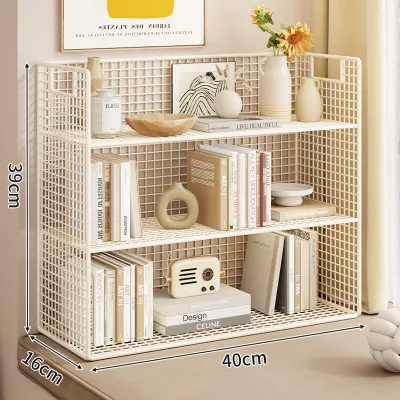
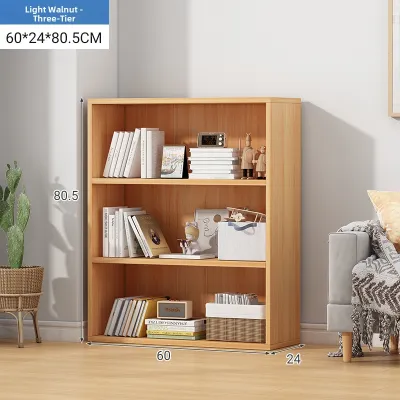
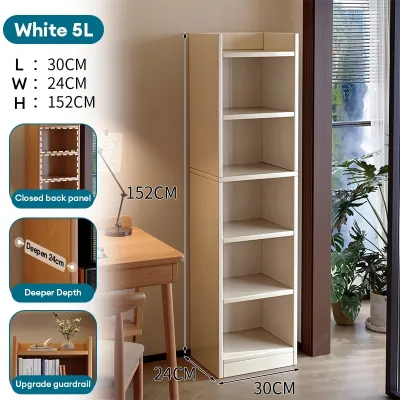
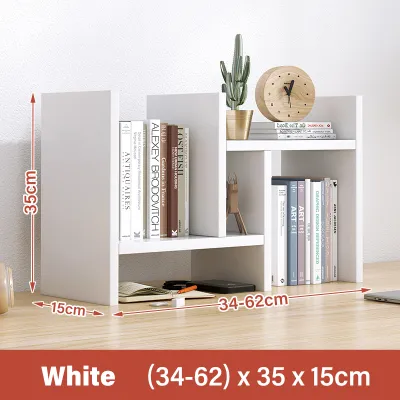
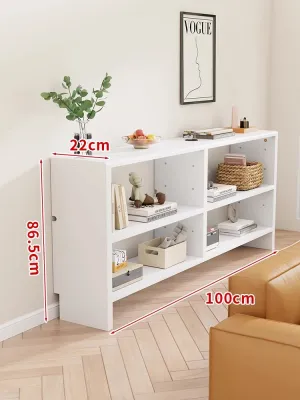
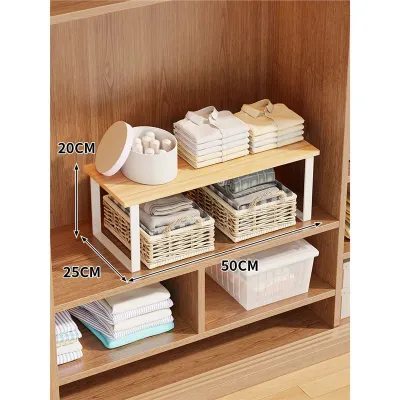
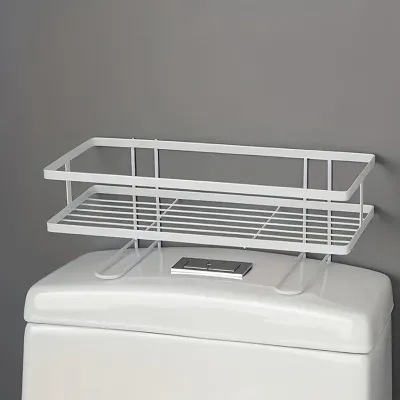
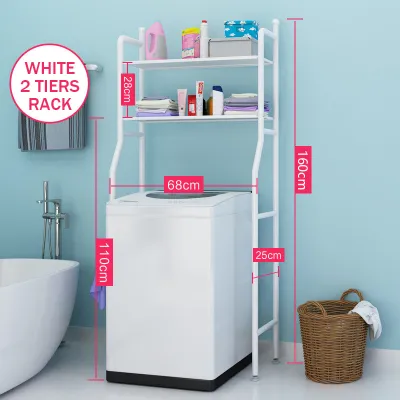
Prices are valid at publication and may change. Please refer to the product page for the latest price.
Visual weight is a critical design factor that influences how large or small a room feels. Heavy, solid, dark-colored cabinets can make a compact room feel claustrophobic and dark. In contrast, open shelving units or shelves with slim metal frames allow light and sightlines to pass through, creating an illusion of spaciousness. Choosing shelves with raised legs also exposes more of the floor, which trick the eye into perceiving a larger room footprint.
Modularity and adjustability are equally important when evaluating storage systems. Fixed-height shelves often lead to wasted vertical space, especially when storing items of varying sizes. Modular systems allow you to adjust shelf heights, add drawers, or expand the unit horizontally or vertically over time. This adaptability ensures your furniture can evolve alongside your storage needs, preventing the need for premature replacements.
Before purchasing, you must decide between freestanding and wall-mounted shelving units. Freestanding shelves offer excellent flexibility, as you can easily rearrange them or take them with you if you move. However, they do occupy valuable floor space. Wall-mounted shelves completely free up the floor, making them highly space-efficient, but they require drilling, structural wall assessment, and permanent placement.
Reliable Shelf Brands for Compact Singapore Homes
When searching for the perfect shelving system, turning to established brands with a strong presence in Singapore ensures you have access to diverse designs and reliable customer service. Because furniture collections, stock availability, and pricing fluctuate frequently, always verify current product dimensions, material specifications, and stock status on official brand websites or by visiting local showrooms before finalizing your purchase.

Each of the following brands offers distinct advantages, ranging from highly customizable modular frameworks to premium, design-forward statement pieces. The ideal choice depends on your specific budget, aesthetic preferences, and the unique architectural constraints of your home.
IKEA
Known worldwide for its focus on democratic design, IKEA is a go-to option for highly modular and customizable storage systems in Singapore. Their product lines are designed with urban density in mind, offering a wide array of narrow-depth bookcases, cube storage units, and wall-mounted brackets. These systems allow you to build custom configurations that fit precisely into alcoves, under stairs, or across entire accent walls.
One of the greatest advantages of choosing this brand is the extensive ecosystem of compatible inserts. You can easily purchase fabric baskets, wooden drawers, plastic tubs, or glass doors designed specifically to fit their standard shelf dimensions. This allows you to hide visual clutter and organize small household items while keeping the overall footprint of the furniture remarkably compact.
Additionally, the brand’s budget-friendly, scalable nature makes it ideal for first-time homeowners or renters. You can start with a basic, single-column shelving unit and gradually purchase add-on sections, extra shelves, or corner connectors as your storage requirements grow and your budget allows.
Castlery
For homeowners who want to combine space-saving functionality with a premium, curated aesthetic, Castlery offers contemporary and mid-century modern designs. Their shelving units often feature slim, elegant profiles, tapered wooden legs, and brass accents that elevate the overall look of a room. By focusing on elevated designs, their shelves serve as decorative statement pieces rather than just basic utility storage.
Many of their designs incorporate open-back structures and raised legs, which minimize visual bulk and keep small living rooms feeling airy. These pieces are highly multi-functional; for example, a tall, open-backed bookshelf can be positioned perpendicular to a wall to act as a stylish room divider in a studio apartment, zoning the space without blocking natural light.
While these pieces represent a higher financial investment, they utilize high-quality wood veneers, solid timber accents, and sturdy metal frames. If you are looking for a long-term furniture piece that anchors your living room or study while respecting tight space constraints, these curated designs are highly suitable.
FortyTwo
As one of Singapore’s largest homegrown e-commerce furniture retailers, FortyTwo has a deep understanding of local housing layouts. Their catalog features a vast selection of space-conscious bookcases, utility racks, and display units specifically sized to fit the narrow corridors, bedroom alcoves, and bomb shelters (household shelters) typical of Singaporean HDB flats.
Their practical approach to storage means you will find numerous narrow-depth options (often under 30 cm deep) that maximize utility without blocking walkways. Many of their utility shelves feature adjustable metal frames or heavy-duty plastic components, making them ideal for organizing household cleaning supplies, pantry items, or heavy storage boxes in tight utility closets.
Furthermore, they offer highly convenient local delivery and professional assembly services tailored to high-rise living. Their delivery teams are experienced in navigating tight HDB lifts, narrow doorways, and multi-story apartment corridors, ensuring a seamless delivery process for bulky or tall shelving units.
HipVan
HipVan is another prominent local brand that focuses on stylish, affordable, and space-efficient furniture designed for modern urban apartments. Their collections prioritize multi-functional designs, offering smart storage solutions like ladder shelves, corner display units, and wall-mounted ledges that help reclaim underutilized areas of your home.
Their bookshelf designs often emphasize clever compartmentalization, blending open display cubbies with closed lower cabinets. This hybrid design allows you to showcase your favorite books and decorative items at eye level while keeping less attractive documents or clutter neatly tucked away near the base, maintaining a clean and spacious visual aesthetic.
Because their products are designed with the local market in mind, they select materials and finishes that perform well in Singapore’s humid tropical climate. This consideration helps prevent premature warping or mold growth on engineered wood products, ensuring your shelving units remain durable and stable over years of daily use.
Crucial Measurements and Safety Checks for Your Space Savers Shelf
Before purchasing any shelving unit, taking precise measurements and performing safety checks is essential to avoid costly return fees or safety hazards. A shelf that looks compact in a spacious showroom or on a website can easily overwhelm a small room if you do not plan for physical and structural compatibility.
Measuring the Space
When measuring your designated wall space, do not rely solely on wall-to-wall dimensions. You must account for architectural features that project from or sit on the wall:
- Skirting Boards: These wooden or tiled borders run along the base of your walls and can prevent a flat-backed shelf from sitting flush against the wall, pushing the top of the unit forward by 1 to 2 cm.
- Power Outlets and Switches: Ensure the shelf will not block access to essential electrical sockets, light switches, or data ports, or choose a unit with an open back that accommodates them.
- Air-Conditioning Trunking: In Singapore, surface-mounted air-con pipes often run along walls near the ceiling. Measure the height of this trunking to ensure your tall shelves do not collide with it.
- Door and Window Swings: Verify that the depth and width of the shelf will not obstruct the swinging path of bedroom doors, wardrobe doors, window panels, or cabinet fronts.
Depth and Walkway Clearance
To maintain a comfortable and safe home environment, you must calculate the remaining walkway space after your shelf is placed. In high-traffic areas, such as entryways, hallways, or the space between your sofa and the wall, you should maintain a clear walkway of at least 60 to 80 cm.
If your walkway is narrower than this, family members will constantly bump into the furniture, and carrying groceries or laundry through the space will become frustrating. For tight corridors, look specifically for ultra-shallow shelves with a depth of 15 to 25 cm, which are perfectly suited for paperbacks, keys, and small decorative items.
Wall Mounting and Anti-Tip Safety
Tall, narrow, or top-heavy shelves pose a serious tip-over risk, especially in homes with active children, curious pets, or uneven floors. To prevent dangerous accidents, it is absolutely necessary to anchor any shelf taller than 120 cm directly to the wall.
Most reputable furniture manufacturers provide anti-tip anchoring hardware and specific installation templates in the packaging. Always check the applied product’s label and follow the manufacturer’s step-by-step instructions. If the instructions are unclear, if the hardware provided is incompatible with your specific wall type, or if you do not own the necessary tools, stop and consult a qualified professional handyman.
Wall Type Assessment
Before drilling or mounting any load-bearing shelf, you must accurately identify your wall type to select the correct anchors and fasteners:
- Solid Concrete Walls: Most structural walls and boundary walls in Singapore HDB flats are made of reinforced concrete. These walls can support incredibly heavy loads, but they require a high-powered hammer drill, masonry drill bits, and plastic or metal rawlplugs.
- Drywalls or Partition Walls: Often used to divide rooms in newer condominiums or home renovations, drywalls consist of plasterboard over a hollow metal frame. They cannot support heavy loads on their own. You must use specialized drywall toggle bolts or anchor screws, and ideally, screw directly into the internal vertical metal studs.
- Household Shelters (Bomb Shelters): The walls of an HDB bomb shelter are made of structural, blast-resistant concrete. Drilling into these walls is strictly regulated or prohibited by local housing authorities to preserve their structural integrity. Always check HDB guidelines before attempting to mount shelves onto or inside a household shelter.
Maximizing Space: Placement and Organization Strategies
Once you have selected and safely installed your shelving, how you arrange and style it plays a massive role in how spacious your room feels. Poorly organized shelves can quickly become visual clutter magnets, defeating the purpose of your space-saving efforts.
Utilizing Vertical Space
To get the most storage out of a minimal footprint, choose shelving units that extend as close to the ceiling as safety and accessibility allow. Tall vertical shelves draw the eyes upward, emphasizing the height of the room rather than its limited floor area. Use the highest, hard-to-reach shelves to store seasonal items, travel suitcases, or infrequently used documents, keeping daily essentials at eye level.
Navigating Awkward Spaces
Every small apartment has underutilized “dead zones” that can be reclaimed with creative shelving choices. Consider installing specialized corner shelving units to make use of empty corners, or place a slim gap-filler shelf in the narrow space between your refrigerator and the kitchen wall. Over-door shelves are another excellent option for bathrooms or laundry yards, utilizing the empty wall space directly above door frames.
Styling for Airiness
To prevent a tall shelf from looking bulky, employ professional styling techniques such as the “rule of thirds.” Divide your shelving space visually: dedicate one-third of the space to books (arranged both vertically and horizontally), one-third to curated decorative items (like small potted plants, candles, or ceramic pieces), and leave the remaining one-third completely empty. This intentional negative space allows the shelf to “breathe” and prevents the room from feeling visually suffocated.
Cohesive Organization
For items that are not visually appealing—such as charging cables, loose paperwork, medication, or cleaning supplies—use uniform storage boxes, woven baskets, or fabric bins. Grouping miscellaneous items into matching containers on your open shelves instantly reduces visual noise. This creates a clean, cohesive look that unifies the room’s design and enhances the overall feeling of spaciousness.
Frequently Asked Questions (FAQ)
Are wall-mounted shelves safe for all HDB walls?
Wall-mounted shelves are highly safe for solid concrete structural walls, provided you use a hammer drill, high-quality masonry drill bits, and the correct size of plastic wall plugs. However, they are not suitable for all walls. Drywalls and partition walls have much lower load capacities and require specialized hollow-wall anchors; they should only be used to hold lightweight decorative items. Additionally, you should avoid drilling into the structural walls of your HDB household shelter (bomb shelter), as doing so may violate local housing regulations and compromise the shelter’s protective capabilities. Always consult HDB’s official renovation guidelines or hire a licensed handyman if you are unsure about a wall’s composition.
What is the ideal depth for a bookshelf in a small apartment?
For a small apartment, the ideal shelf depth is typically between 20 cm and 30 cm. A depth of 20 cm is highly space-efficient and perfectly accommodates standard fiction paperbacks, small smart speakers, and decorative frames while keeping walkways clear. If you need to store larger items, such as heavy textbooks, vinyl records, or standard-sized fabric storage boxes, you will need a deeper shelf of 28 cm to 30 cm. Avoid shelves deeper than 35 cm unless absolutely necessary, as they consume excessive floor space and often lead to wasted, hard-to-reach space at the back of the shelf.
How can I prevent tall shelves from looking bulky in a small room?
To minimize the visual bulk of a tall shelf, select a design with an open back (no solid rear panel) and a slim metal or light wood frame. This allows the color of your wall to show through the unit, making the furniture blend in. Another effective strategy is to paint or purchase a shelf that matches the exact color of the wall behind it, which helps the unit visually recede into the background. Finally, choose shelves with raised legs to expose the floor underneath, and avoid packing every shelf completely full of items; leaving open, empty spaces on several shelves keeps the room feeling light and airy.

Community discussion
Share your experience or ask a question. Comments are reviewed before publication.