
Maximizing storage in a compact Singapore apartment requires looking beyond traditional floor-standing furniture. For hat collectors and daily cap wearers living in HDB flats or modern condominiums, finding the right hat hanger is a balance of preserving the shape of your headwear and protecting your limited living space. The most effective solutions utilize vertical surfaces—such as the backs of doors, empty wall corners, or the unused vertical drop inside your wardrobe—to keep your collection organized, accessible, and out of the way. By choosing a system tailored to your specific home layout and hat types, you can transform a cluttered pile of caps into an organized, space-saving display.
Assessing Your Space and Hat Collection
Before purchasing any storage solution, take a close look at the layout of your apartment to identify underutilized areas. In typical Singapore homes, entryways are often narrow corridors or open directly into the living room, leaving little room for bulky coat racks. Measure the clearance behind your doors; a standard door requires at least 10 centimeters of clearance from the adjacent wall to open fully without crushing items hung behind it. Look for empty wall corners, the sides of wardrobes, or even the vertical space inside your closet that often goes unused. These hidden zones are ideal for low-profile hangers that keep your hats accessible but out of the main line of sight.
Next, count your hats and categorize them by their structural rigidity. Rigid hats, such as structured baseball caps, fedoras, Panama hats, and wide-brim sun hats, require careful handling because their crowns and brims can crease or warp permanently under pressure. Conversely, soft hats like beanies, bucket hats, and unstructured caps are highly resilient and can be folded, stacked, or hung closely together without damage. Grouping your collection by shape and material will help you determine how many individual hooks or clips you need, as well as the spacing required to keep them from crushing one another.
Products mentioned in this guide
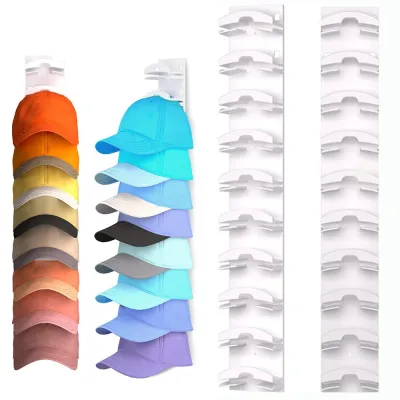

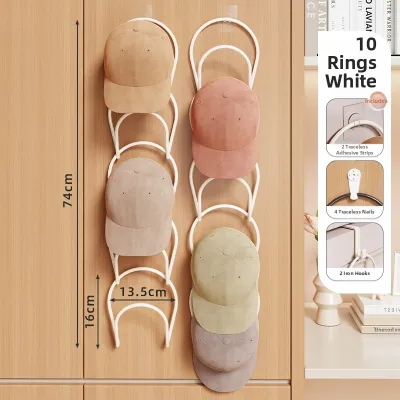
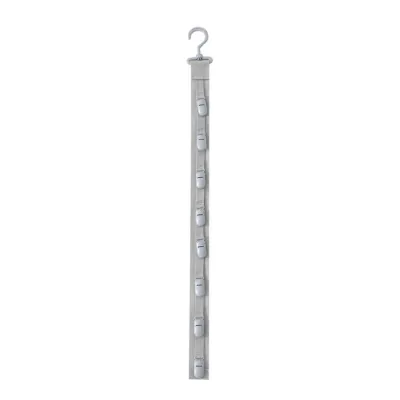
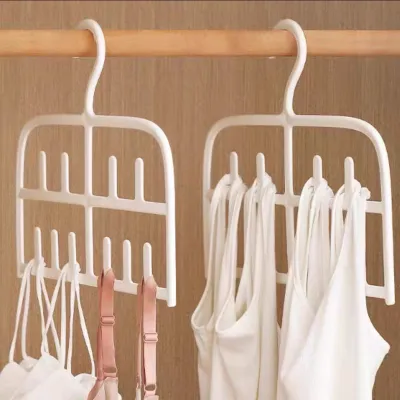
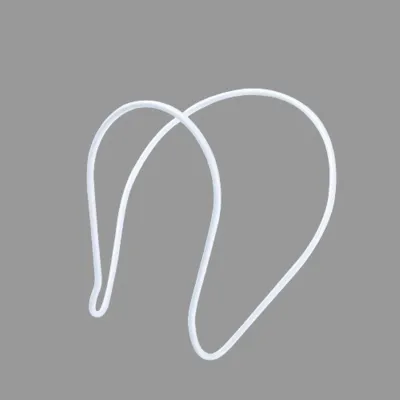
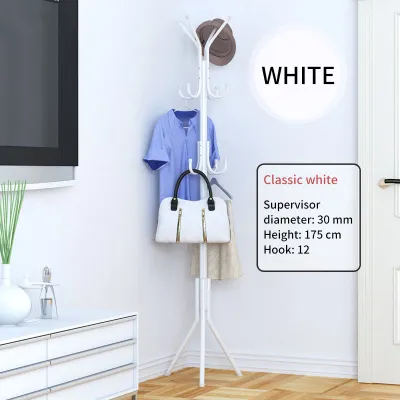
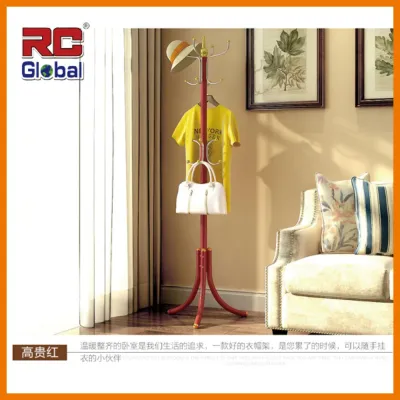
Prices are valid at publication and may change. Please refer to the product page for the latest price.
Finally, identify the construction materials of your walls and doors to ensure compatibility with different mounting methods. Internal walls in Singapore apartments are frequently made of solid concrete or precast panels, which require a masonry drill and wall plugs for secure screw mounting. Drywall partitions, more common in newer condominium layouts or partitioned study rooms, require specialized hollow-wall anchors to prevent the screws from pulling out. If you are renting or prefer not to drill, you must evaluate whether your doors can support over-the-door hooks or if your wall paint is compatible with heavy-duty adhesive strips.
Types of Space-Efficient Hat Hangers
Selecting the right style of hanger depends on whether you want to display your hats as wall art, tuck them discreetly out of sight, or maintain the flexibility to rearrange your layout without drilling. Each design offers distinct advantages in terms of capacity, ease of installation, and spatial footprint.

Wall-Mounted and Adhesive Options
Wall-mounted hat hangers are excellent for turning your headwear collection into a visual feature while keeping your floor completely clear. Screw-mounted racks and pegboards offer the highest stability and weight capacity, making them the preferred choice for heavy collections or permanent setups. However, because they require drilling into concrete or drywall, they are less suitable for renters who need to return walls to their original condition.
For a drill-free alternative, individual adhesive hooks are highly popular. When selecting adhesive options, always check the manufacturer’s packaging for the explicit weight rating and surface compatibility. Singapore’s high relative humidity can weaken low-grade adhesives over time, so opting for moisture-resistant adhesive strips is crucial to prevent your hangers from peeling off and damaging the underlying paint. These individual hooks are best suited for rigid hats that can hang securely by their rear straps or rest gently on a wide, curved hook.
Over-the-Door and Hanging Organizers
Over-the-door straps and vertical hanging organizers utilize the often-wasted vertical plane of bedroom or closet doors. Before purchasing an over-the-door system, measure your door’s thickness—which typically ranges from 35 millimeters to 40 millimeters in standard Singapore homes—and ensure there is at least a 2-millimeter gap at the top frame so the door can close smoothly. These systems are highly efficient, allowing you to store multiple hats vertically on a single door panel.
Within the closet, clip-based cascading hangers that attach to a standard wardrobe rod are excellent for keeping hats dust-free and organized. These systems use vertical space efficiently, allowing you to hang ten or more caps in the horizontal footprint of a single clothes hanger. However, be mindful of potential drawbacks: over-the-door hooks can scratch the paint on wooden door frames or cause annoying rattling sounds when the door is opened and closed. Additionally, overloading a door with heavy items can strain the hinges over time, leading to misalignment.
Compact Freestanding and Multi-Use Racks
If wall mounting and door hanging are not practical options, a slim-profile freestanding rack can fit into tight corners. Look for designs with a small footprint—ideally a base diameter of under 30 centimeters—that incorporate multiple tiers or combine hat hooks with an integrated umbrella holder at the base, which is highly practical for Singapore’s sudden tropical downpours.
Stability is the primary concern for freestanding units in narrow entryways. A heavy, weighted base made of solid metal or natural stone is essential to prevent the rack from tipping over when hats or light jackets are placed unevenly. To minimize safety hazards, position freestanding racks in low-traffic corners where they are unlikely to be bumped. If the design allows, consider securing the top of the rack to the wall with a safety strap, especially if you have a lively household with pets or young children.
Key Features to Evaluate Before Buying
The design of the hook itself is the most critical factor in preserving the shape of your hats. Narrow, sharp hooks can puncture or permanently dimple the crown of a felt fedora or stretch out the sweatband of a baseball cap. Look for wide, curved hooks or dome-shaped hangers that mimic the natural contour of a human head, distributing the weight evenly across the interior of the hat. For caps with adjustable straps, simple peg-style hooks work well, provided they do not force the front panel of the cap to bend unnaturally.
Material and finish are equally important, especially in Singapore’s humid climate. Metal components should be powder-coated, anodized, or made of stainless steel to prevent rust from forming and staining your hats. If you prefer wooden or bamboo hangers, ensure they are sealed with a clear, moisture-resistant varnish. Inspect the hanger thoroughly before purchase to ensure all surfaces are completely smooth; any rough edges, splinters, or exposed metal welds can snag delicate fabrics, straw weaves, or silk linings.
Capacity and spacing must be balanced against the physical size of your hats. A hanger that crowds hats together defeats the purpose of organized storage and can cause wide-brim hats to overlap and crush each other. For adjustable strap systems, look for clips that can be slid along the strap to customize the spacing based on your collection. If you have a mix of large sun hats and small caps, a modular system that allows you to adjust the distance between hooks is highly beneficial.
Finally, consider the adjustability and expandability of the system. Modular wall-mounted pegboards or rail systems let you add, remove, or reposition hooks easily as your collection grows or changes. This adaptability is particularly useful if you transition between different styles of headwear throughout the year, allowing you to reconfigure your storage layout without having to install an entirely new fixture.
Installation and Safety Checks for Renters and Owners
Before installing any hat hanger, review your tenancy agreement or building guidelines. In Singapore, HDB flats and private condominiums have specific rules regarding structural alterations and drilling. Renters should seek written permission from landlords before drilling holes into walls, as unauthorized drilling can lead to security deposit deductions. If drilling is permitted, use a stud finder to locate studs in drywall, or use a masonry drill bit with matching wall plugs for concrete walls.
Standard plastic wall plugs are generally sufficient for lightweight hat racks, but always verify that the plug size matches your screw and drill bit diameter to prevent the fixture from pulling loose. For adhesive installations, clean the wall surface thoroughly with rubbing alcohol to remove dust and oils, which can severely compromise the adhesive bond. Avoid applying adhesives to textured walls, wallpaper, or freshly painted surfaces, as the weight of the hats can cause the paint or paper to peel away.
Once your hanger is installed, perform a gradual load test to ensure its structural integrity. Instead of hanging your entire collection at once, place one or two hats on the hanger and observe the mount for any signs of sagging, pulling, or peeling. Gradually add weight over 24 hours to ensure the installation is completely secure. This step is particularly important for adhesive hooks and over-the-door organizers, which can fail unexpectedly if overloaded.
If you are using adhesive hooks in a rental, plan for safe removal to avoid tearing the paint. Use a hairdryer to gently heat the adhesive backing, softening the glue before slowly pulling the tab downward parallel to the wall. Keeping a small tub of wall putty and matching paint on hand allows you to touch up any minor blemishes before your lease ends, ensuring you hand back the property in excellent condition.
Maintenance and Hat Care on Hangers
Even on the best hangers, hats left in one position for months can develop pressure marks or lose their symmetry. Periodically rotate your hats, changing which ones are hung and which ones are rested flat, to allow the fibers to recover their natural shape. This practice is especially important for heavy felt or straw hats, which are more susceptible to gravity-induced warping over time.
Dust accumulation is a common issue in open-air storage. Regularly wipe down your hat hangers with a dry microfiber cloth to remove dust, lint, and airborne oils that could otherwise transfer to your hats and stain light-colored fabrics. For wooden hangers, a light polish with a wood-safe cleaner can maintain the finish, while metal hangers can be wiped with a damp cloth and dried immediately to prevent moisture buildup.
Monitor your hats for signs of structural fatigue. If you notice a brim beginning to sag unevenly or a crown showing a permanent crease from a hook, it is time to remove the hat from the hanger. Such items are better stored flat on a shelf, inside a dedicated hat box, or supported by a dedicated dome-shaped hat form. By combining smart hanging solutions with regular care, you can keep your hats looking pristine while maximizing every square inch of your apartment.
Frequently Asked Questions (FAQ)
Can I hang heavy winter hats on adhesive hooks?
While adhesive hooks are highly convenient, they are generally designed for lightweight items. Before hanging heavy winter headwear, such as thick wool beanies, heavy felt fedoras, or structured helmets, check the manufacturer’s packaging for the explicit weight rating. Keep in mind that Singapore’s high humidity can degrade adhesive bonds over time, reducing the actual holding capacity below the rated limit. For heavier items, screw-mounted hooks or over-the-door organizers are much safer alternatives.
How do I prevent baseball caps from losing their shape on a hanger?
To preserve the structured front panels of baseball caps, avoid hanging them by the front crown or bending the brim over narrow hooks. Instead, hang them by their rear adjustable straps or use specialized cap clips that grip the back fabric gently. If you are storing unstructured caps, you can insert a small piece of tissue paper or a plastic cap shaper inside the crown before hanging to help maintain its rounded silhouette.

Community discussion
Share your experience or ask a question. Comments are reviewed before publication.