
Finding the right clothes stand for a compact Singapore apartment requires balancing immediate utility with strict spatial constraints. In the context of local housing, such as Housing & Development Board (HDB) flats and modern condominiums, space is a premium commodity. A misplaced piece of furniture can quickly disrupt the flow of a room or block essential pathways. To make an informed purchase, you must first identify whether your primary need is an entryway organizer for daily wear or an indoor laundry drying solution, as both are commonly referred to as a clothes stand in local retail spaces.
Maximizing a small footprint involves understanding how different brands design their products to handle vertical space, humidity, and weight distribution. Selecting the wrong style can lead to cluttered corridors, tipped-over racks, or rust-damaged garments. By evaluating your apartment’s layout, floor material, and environmental exposure, you can choose a brand that offers the exact balance of durability, aesthetics, and spatial efficiency required for your home.
How to Evaluate Clothes Stands for Compact Living Spaces
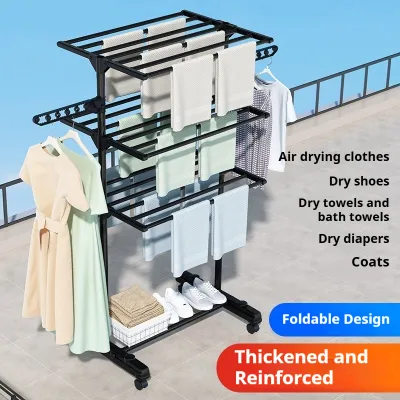
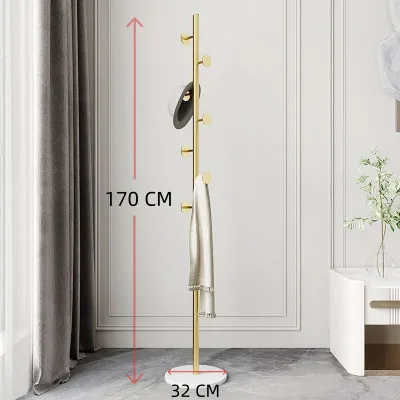
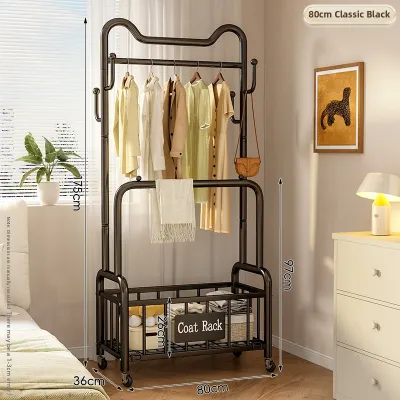
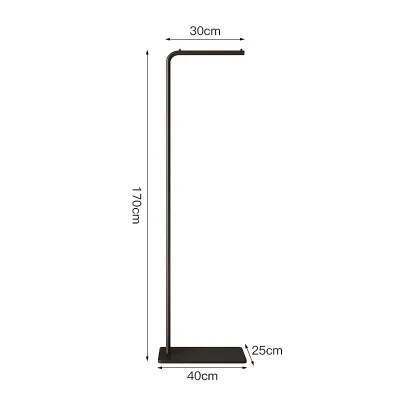
Before browsing specific brands, you must clarify your functional requirements and spatial limits. In Singapore, the term “clothes stand” serves two distinct purposes. The first is the freestanding coat rack or garment stand, typically placed in entryways or bedrooms to hold bags, hats, and worn-once clothing that is not yet ready for the laundry. The second is the indoor laundry drying stand, which is essential for homes without outdoor drying yards or those relying on indoor drying during the monsoon season. Mixing up these two categories can lead to functional frustration, as a delicate wooden coat rack cannot support heavy, wet laundry, and an industrial drying rack will look out of place in a formal entryway.
Products mentioned in this guide

![[✅SG Ready Stock] 100% solid wood Wooden Clothes Hanger Rack Nordic Style Clothes Hanger Hook Bedroom Coat Stand Rack](https://img.lazcdn.com/g/p/f4e39069115cbc3402d9b2bbb638ae5a.png_400x400q80.png_.webp)
Prices are valid at publication and may change. Please refer to the product page for the latest price.
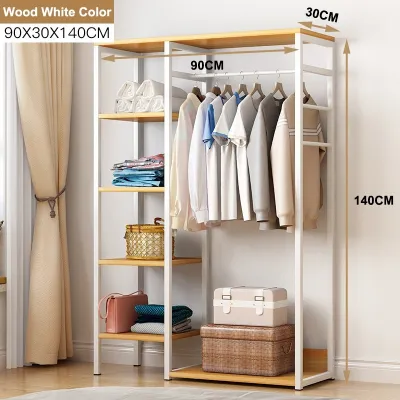
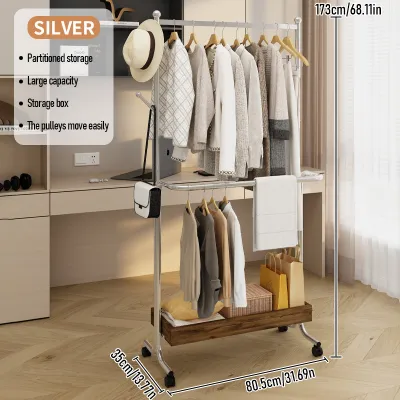
Spatial metrics are the most critical factor when selecting furniture for tight layouts. You must evaluate the base footprint of the stand against its vertical storage capacity. A stand with a wide, tripod-style base might offer excellent stability, but it consumes valuable floor real estate that could otherwise be used for walking paths or low storage cabinets. Conversely, a slim pole stand with a heavy, circular base occupies minimal floor space but relies entirely on vertical height and staggered hooks. You must also weigh the trade-offs between fixed structures and foldable or collapsible designs. Foldable stands are highly versatile for multi-purpose rooms, allowing you to reclaim floor space when the stand is not in use, whereas fixed stands offer permanent, grab-and-go convenience but require a dedicated, non-negotiable spot in your floor plan.
Weight limits and structural stability are vital safety considerations, particularly for tall, narrow stands. Wet laundry is surprisingly heavy; a single load of washing can easily weigh between 5 to 10 kilograms when damp. If a drying stand lacks a low center of gravity or a balanced frame, it can easily tip over, potentially damaging your floors, walls, or surrounding electronics. For entryway coat stands, uneven weight distribution is a common hazard. Hanging multiple heavy backpacks or winter coats on one side of a lightweight stand will compromise its balance. When shopping, always look for the manufacturer’s specified weight capacities and prioritize designs that feature weighted bases or wide-angled lower feet to prevent tipping.
Singapore’s tropical climate introduces unique material challenges that you must not overlook. High relative humidity, which often exceeds 80 percent, creates an environment where low-grade metals quickly rust and untreated wood develops mold. If you plan to place your clothes stand in an unairconditioned service yard, near a window, or in a breezy corridor, you must verify the material’s finish. Look for powder-coated steel, anodized aluminum, or stainless steel for metal options, as these treatments provide a barrier against moisture. For wooden stands, ensure the product has been treated with a moisture-resistant sealant or lacquer, and plan for regular inspections to catch any signs of mold or warping early.
Top Brands for Space-Efficient Coat and Garment Stands
When looking for a freestanding clothes stand to manage daily wear, outerwear, and accessories, several brands cater specifically to compact living. These brands offer designs that prioritize verticality, minimalist aesthetics, and multi-functional integration to ensure your entryway or bedroom remains organized without feeling cramped.

IKEA (Modular and Slim-Profile Designs)
IKEA is a global standard for affordable, space-saving furniture, offering a wide array of clothes stands designed with tight footprints in mind. Their design philosophy focuses heavily on modularity and vertical utility. Many of their garment stands and coat racks feature slim, single-pole designs or narrow A-frames that can tuck neatly into corners or sit flush against a wall. This standardized sizing makes it easy to plan your layout, as you can predictably fit these units into narrow BTO entryways or behind bedroom doors.
Many of their models incorporate modular add-ons, such as adjustable hooks, lower shelves, or integrated shoe racks. This allows you to customize the stand based on your changing storage needs without purchasing an entirely new piece of furniture. For example, you can use the lower shelves for storage boxes or shoes while reserving the upper hooks for bags and umbrellas, keeping your floor clear of clutter.
However, there are trade-offs to consider with these budget-friendly options. The aesthetics are generally basic and utilitarian, which may not complement premium interior designs. Additionally, because many of these stands are constructed from lightweight metals or hollow plastics to keep costs low, they can experience wobbling if they are overloaded or if weight is unevenly distributed. Self-assembly is always required, and you must ensure that all screws and joints are tightened securely during setup and checked periodically to maintain structural integrity.
MUJI (Minimalist and Foldable Options)
For those who prefer a clean, understated aesthetic, MUJI offers clothes stands that emphasize minimalist silhouettes and natural materials. Their designs are tailored for multi-purpose rooms where furniture needs to blend seamlessly into the background. MUJI’s clothes stands often feature slender wooden frames made from sustainably sourced oak or ash, as well as ultra-lightweight aluminum options that align with classic Japanese design principles.
One of the primary benefits of MUJI’s clothes stands is their focus on foldability. Several of their garment racks can be folded completely flat when not in use, allowing you to slide them into a wardrobe, behind a door, or under a bed. This is incredibly useful for small condo bedrooms where you might only need extra hanging space when guests visit or during specific seasons. The lightweight nature of these materials also makes the stands incredibly easy to relocate when cleaning your floors or reconfiguring your room layout.
On the downside, these minimalist designs typically have lower weight capacities compared to heavy-duty metal racks. They are not engineered to hold large volumes of damp towels or dense, heavy outerwear. Overloading a MUJI wooden stand can cause the frame to bow or warp over time, especially when exposed to fluctuating humidity levels. If you choose this brand, you must commit to a highly disciplined, minimalist approach to storage, hanging only a few select items at any given time.
NITORI (Multi-Functional Storage Hybrids)
NITORI, often referred to as the IKEA of Japan, provides highly practical, multi-functional storage hybrids that are exceptionally well-suited for small Singaporean apartments. Recognizing that space is limited, NITORI designs clothes stands that serve multiple purposes simultaneously. These hybrid units often combine a traditional coat rack with integrated shoe shelves, storage bins, or full-length mirrors, allowing you to consolidate several entryway functions into a single, compact footprint.
Many of NITORI’s designs feature adjustable heights and customizable shelf configurations, giving you the flexibility to adapt the unit to your specific belongings. Some models also include enclosed or solid bases, which help prevent dust from accumulating on your shoes or storage boxes underneath the rack. This focus on utility ensures that every square centimeter of the stand’s footprint is utilized efficiently.
These hybrid units do have limitations. Because they combine multiple storage functions, they are typically heavier and bulkier than single-pole stands. This makes them more difficult to move around once assembled and requires precise spatial planning before purchase. You must measure your available floor space, doorway clearances, and lift access carefully to ensure the unit can be brought into your home and positioned without blocking daily traffic paths.
Best Brands for Indoor Drying and Laundry Stands
If your definition of a clothes stand leans toward laundry management, you need a brand that specializes in indoor drying racks. These stands must offer maximum drying line length while remaining easy to fold down and store in tight service yards or balconies.
Leifheit and Brabantia (Premium Slim-Fold Racks)
For homeowners willing to invest in premium utility, European brands Leifheit and Brabantia offer high-end drying stands that excel in durability and space efficiency. These brands are renowned for their superior engineering, utilizing high-grade materials like stainless steel and powder-coated metals that are specifically designed to resist rust and corrosion. This makes them ideal for Singapore’s high humidity and the occasional rain spray that hits open service yards or balconies.
The standout feature of these premium brands is their ability to provide extensive drying line capacity within an incredibly small floor footprint. They achieve this through clever multi-tiered designs, expandable wings, and vertical tower configurations. When you are finished with laundry day, these stands collapse down to an ultra-slim profile—often just a few centimeters thick. This allows you to slide them easily into the narrow gap beside your washing machine, behind a utility door, or inside a household shelter.
While the quality of these stands is undeniable, their primary limitation is the premium price point. They cost significantly more than standard hardware store alternatives. However, for those who view laundry stands as long-term household investments, the resistance to rust, smooth folding mechanisms, and sturdy frames often justify the higher upfront cost in S$ (SGD).
Regional Home Brands (Expandable and Accordion Designs)
For a more budget-friendly approach to laundry drying, regional home brands commonly found on local ecommerce platforms offer highly practical alternatives. These brands specialize in expandable wing designs and vertical accordion-style racks that are tailored for typical HDB service yards and small condo balconies. These stands allow you to maximize your drying space vertically rather than horizontally, which is essential when floor space is limited.
Accordion-style stands can be compressed vertically or horizontally, allowing you to adjust the size of the rack based on the volume of your laundry load. If you only have a few items to dry, you can keep the stand partially collapsed to save space. Furthermore, because these brands are widely distributed across Singapore, finding replacement parts, extra hangers, or secondary clip-on accessories is incredibly easy and affordable.
However, these budget-friendly regional brands often utilize a higher proportion of plastic components, particularly in the joints and folding hinges. Over time, exposure to Singapore’s intense tropical heat and UV rays on balconies can cause these plastic parts to become brittle and crack. Additionally, these lightweight frames may lack the wind resistance required for high-rise balconies or breezy HDB corridors, meaning they can tip over during sudden gusts of wind if they are not weighted down or positioned securely.
Quick Comparison: Footprint, Capacity, and Best Use Cases
To help you quickly identify which brand aligns with your specific spatial constraints and functional needs, the table below summarizes the key characteristics of each brand discussed. When using this table, consider whether you prioritize aesthetic integration in your living spaces or maximum drying capacity in your service yard.
| Brand | Primary Type | Foldability / Collapsibility | Best Location | Key Limitation |
|---|---|---|---|---|
| IKEA | Coat & Garment Stand | Fixed or semi-collapsible models | HDB entryways, bedrooms | Can wobble if overloaded; basic aesthetics |
| MUJI | Coat & Garment Stand | Highly foldable, lays flat | Condo bedrooms, multi-purpose rooms | Lower weight capacity; sensitive to high moisture |
| NITORI | Hybrid Garment Stand | Fixed dimensions with adjustable parts | Small corridors, entryways | Heavy to relocate; requires precise spatial planning |
| Leifheit & Brabantia | Indoor Drying Stand | Ultra-slim folding mechanisms | Service yards, balconies, indoor living | Higher upfront cost in S$ (SGD) |
| Regional Brands | Indoor Drying Stand | Expandable wings and accordion frames | HDB service yards, covered balconies | Plastic joints can degrade in UV; less wind resistance |
What to Verify Before Buying and Setting Up Your Stand
Before finalizing your purchase of a clothes stand, you must perform several practical verifications to ensure the item fits your space safely and does not cause damage to your home. Taking these steps beforehand will save you the hassle of returning a product that is incompatible with your layout.
First, measure your exact floor space, taking into account door swing clearances and corridor widths. In a small apartment, a clothes stand placed too close to a doorway can prevent the door from opening fully, or worse, block a primary escape route. If you are placing a stand in a narrow hallway, ensure there is still ample room for household members to walk past comfortably without bumping into hanging bags or garments. If you are purchasing a large hybrid stand, also verify your lift and entryway dimensions to ensure you can physically bring the packaged or assembled unit into your home.
Second, consider floor compatibility. Modern BTO flats and renovated condos frequently feature vinyl, laminate, or engineered wood flooring. These materials are susceptible to scratching and denting from heavy, unprotected furniture legs. When setting up your clothes stand, inspect the bottom of the feet. If they are bare metal or hard plastic, apply protective felt pads or rubber caps. These simple additions not only protect your flooring from scratches when you slide the stand but also provide extra grip to prevent the stand from sliding on smooth surfaces.
Third, verify the manufacturer’s stated weight limits and understand the difference between static and dynamic weight. Static weight refers to items that sit completely still on the stand, such as dry clothes or storage boxes. Dynamic weight involves the force applied when you throw a heavy wet towel over a rail or hang a heavy bag on a hook. Always operate well within these limits to prevent structural failure. If the manufacturer’s instructions conflict with your intended use, or if the weight limit is not clearly specified, err on the side of caution and distribute your items as evenly as possible.
Finally, check the stability of your stand on the specific flooring where it will live. Older HDB kitchens, bathrooms, and service yards often feature slightly uneven floor tiles designed to facilitate water drainage. A tall, narrow clothes stand placed on an uneven surface will wobble, significantly increasing the risk of tipping. If your floor is uneven, look for stands that feature adjustable leveling feet, or use small shims to stabilize the base before loading it with clothes.
Frequently Asked Questions (FAQ)
Can I use a freestanding coat rack in a narrow HDB corridor?
You must exercise extreme caution when placing any furniture in common HDB corridors. The Singapore Civil Defence Force (SCDF) maintains strict fire safety regulations regarding corridor clearances. Specifically, common escape pathways must maintain a minimum clear width of 1.2 meters to ensure residents can evacuate safely during an emergency. Placing a freestanding clothes stand in a narrow corridor can easily violate these rules, leading to warnings or fines. If your corridor is too tight, it is highly recommended to opt for ultra-slim, wall-adjacent designs indoors, or utilize wall-mounted folding hooks that do not project into public pathways.
How do I prevent a tall clothes stand from tipping over?
Preventing a tall clothes stand from tipping over requires smart weight distribution and structural awareness. Always place your heaviest items, such as wet jeans, heavy bags, or winter coats, on the lowest hooks or shelves to keep the center of gravity as low as possible. When hanging items, distribute the weight evenly around the stand rather than clustering everything on one side. If you have children or pets in the home, select a stand with a wide, heavily weighted base. For maximum safety, check if the manufacturer provides anti-tip wall anchors, and secure the stand directly to a solid wall if the design permits.
Are wooden or metal clothes stands better for Singapore's humidity?
In Singapore’s highly humid climate, metal clothes stands generally offer superior durability and require significantly less maintenance than wooden alternatives. Powder-coated steel, anodized aluminum, and stainless steel are highly resistant to rust and can withstand the moisture of unairconditioned service yards or damp laundry. Solid wood stands offer a premium, warm aesthetic, but they are highly susceptible to moisture absorption. If you choose a wooden stand, you must verify that it has been thoroughly treated with a water-resistant sealant. You will also need to ensure the room is well-ventilated and perform regular checks for warping, mold, or mildew growth.

Community discussion
Share your experience or ask a question. Comments are reviewed before publication.