
Finding a gaming chair that delivers the plush, enveloping comfort of a living room sofa during intense esports sessions requires a shift in perspective. Traditional racing-style gaming chairs prioritize rigid, upright posture with firm bolstering designed to mimic bucket seats in sports cars. While this design supports active, forward-leaning gameplay, it often falls short for players who prefer to lean back, cross their legs, or lounge during long queues and casual play.
To achieve a true “sofa-like” experience, you must look beyond standard aesthetics and evaluate specific structural elements. Features such as deep recline mechanisms, integrated footrests, and multi-layer cushioning are essential to mimic the sink-in feel of a couch. In compact living environments, balancing this desire for expansive comfort with physical space constraints is a critical step in the purchasing process.
Rather than relying on vague marketing terms like “cloud-like” or “ultimate comfort,” smart buyers compare brands using verifiable physical specifications. This guide establishes a practical framework to evaluate seating dimensions, mechanical features, material performance, and spatial requirements, ensuring your next chair provides genuine relaxation without compromising your gaming setup.
Products mentioned in this guide
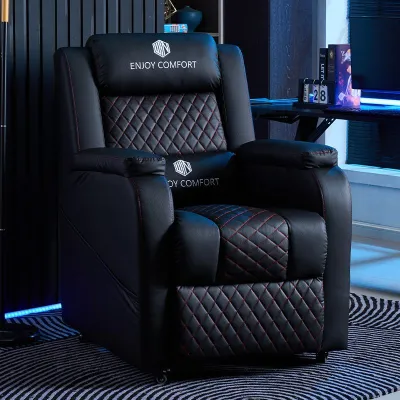
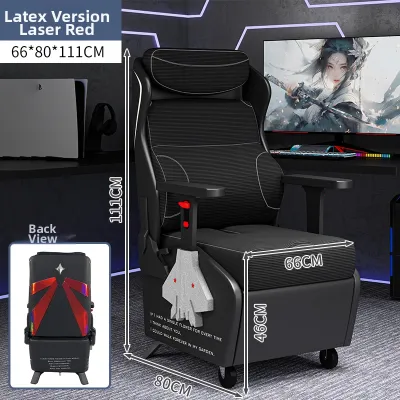
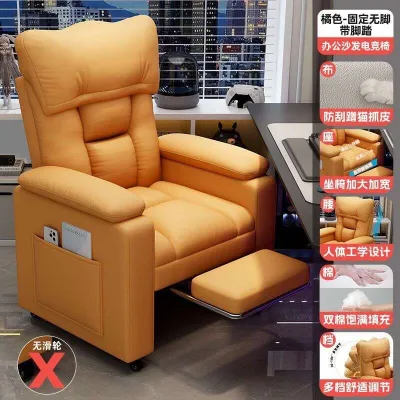
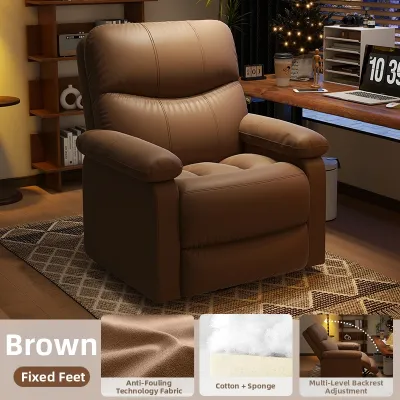
Prices are valid at publication and may change. Please refer to the product page for the latest price.
Defining "Sofa-Like" Comfort in Gaming Chairs
To choose the right chair, it is important to understand the structural differences between standard ergonomic office chairs and sofa-style gaming seats. Standard ergonomic models focus on active posture correction, utilizing firm, high-density foam that resists compression to keep the spine aligned. In contrast, sofa-like comfort relies on a softer, multi-layered cushioning system that allows for a degree of “sink-in” depth while still preventing the body from bottoming out against the underlying metal frame.
A wide, flat seat pan is a hallmark of sofa-style seating. Traditional racing chairs feature raised side bolsters that restrict leg movement and force the thighs inward. A sofa-like chair eliminates or flattens these bolsters, providing ample room for various seating postures, including sitting cross-legged. Additionally, a high, thickly padded backrest is necessary to support the shoulders and head when transitioning from an upright gaming stance to a relaxed, reclined position.
The mechanical foundation of the chair also dictates its comfort profile. Basic chairs offer simple backrest recline, where only the back moves while the seat remains static, which can sometimes cause a sliding sensation. Multi-function tilt mechanisms allow the entire seat assembly to tilt and lock at comfortable angles, cradling the pelvis. Synchronous tilt systems, common in premium models, move the backrest and seat in a coordinated ratio, maintaining a natural body angle and reducing pressure on the thighs as you lean back.
Key Dimensions to Compare Across Brands
When comparing different brands, manufacturer specification sheets are your most reliable tool. The first metric to examine is the maximum recline angle. While standard office chairs often limit recline to 110 or 120 degrees, sofa-style gaming chairs typically offer deep recline angles ranging from 135 to 180 degrees. A full lay-flat capability (180 degrees) transforms the chair into a temporary daybed, but you must verify if the base is weighted and balanced to prevent tipping when fully extended.

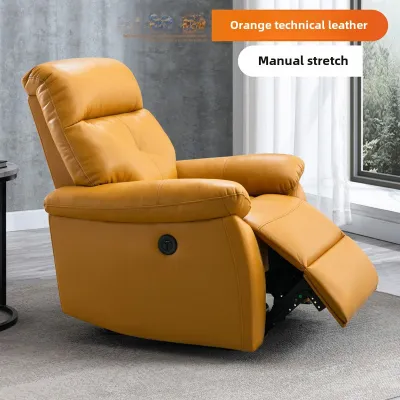
Integrated footrests are another critical component of the lounging experience. Brands generally offer either built-in, pull-out footrests that slide under the seat pan or separate, matching ottomans. Pull-out footrests save space but have mechanical tracks that introduce potential points of wear; you should always check the manufacturer’s stated weight capacity for the extended footrest. Separate ottomans offer greater stability and can be positioned freely, though they require additional floor space when not in use.
Seat depth and width must be matched to your body dimensions to prevent physical strain. A seat pan that is too deep can press against the back of your knees, restricting circulation, while a seat that is too shallow fails to support the thighs adequately. Measure your current favorite seating option and compare those figures to the brand’s seat width (excluding bolsters) and seat depth specifications to ensure a proper fit.
Finally, evaluate the adjustability of included lumbar and neck pillows. Sofa-like comfort is highly subjective, and fixed cushions rarely suit every body type. Look for brands that utilize strap-free magnetic attachment systems or highly adjustable strap systems that allow you to reposition or completely remove the pillows. This flexibility ensures you can maintain proper spinal alignment whether you are sitting upright during a competitive match or fully reclined watching a stream.
Upholstery and Climate Considerations for Extended Play
The choice of upholstery material directly impacts both the immediate tactile feel of the chair and its long-term durability, particularly in warm and humid environments. Polyurethane (PU) leather and Polyvinyl Chloride (PVC) are popular choices for sofa-style chairs because they offer a sleek, premium appearance and are highly resistant to spills. However, synthetic leathers tend to trap body heat and moisture, which can lead to discomfort and a sticky feeling during extended gaming sessions in rooms without active air conditioning.
Fabric upholstery, including woven blends and performance textiles, offers a compelling alternative for those prioritizing breathability. Fabric allows air to circulate more freely, significantly reducing heat buildup. The trade-off lies in maintenance: fabric is susceptible to staining from spills and can absorb sweat over time, requiring regular vacuuming and occasional spot cleaning with specialized fabric cleaners.
Before making a decision, review the manufacturer’s care instructions to understand the long-term maintenance commitment. Synthetic leathers require regular wiping with a damp microfiber cloth to remove skin oils, which can otherwise cause the material to crack or peel prematurely. Fabric options may benefit from protective fabric sprays, but you must verify that such treatments do not void the manufacturer’s warranty or alter the breathability of the textile.
Space, Clearance, and Setup Requirements
A fully reclining gaming chair with an extended footrest occupies a significantly larger footprint than a standard office task chair. Before purchasing, it is essential to measure your room to ensure you have adequate clearance. Calculate the total length of the chair when fully reclined and the footrest is completely deployed. You will typically need at least 1.5 to 1.8 meters of clear space from the front edge of your desk to the wall behind you to prevent the headrest from striking obstacles.
Desk height and under-desk clearance are equally important. If you plan to use a pull-out footrest while tucked close to your desk, verify that the footrest can deploy without hitting the underside of the desk frame or a keyboard tray. Measure the height from the floor to the lowest point under your desk and compare it to the height of the chair’s seat pan when adjusted to your preferred working level.
The interaction between the chair’s casters and your flooring material should also be evaluated. Sofa-style gaming chairs are heavier than standard models, and this weight increases when a user is fully reclined. On hard floors such as parquet, vinyl, or ceramic tiles, heavy rolling chairs can cause scratches, indentations, or excessive slipping. Consider purchasing specialized soft polyurethane casters or a dedicated floor protection mat to distribute the weight evenly and protect your flooring.
Decision Framework: Which Reclining Style Fits Your Setup?
To simplify your selection process, consider how your physical space and gaming habits align with different chair designs. If your primary goal is to transition seamlessly between competitive gaming, casual media consumption, and quick naps, a full lay-flat model with an integrated pull-out footrest is highly suitable. This setup provides maximum versatility, provided you have the necessary rear clearance and a desk design that allows the footrest to extend freely.
If you desire a plush, couch-like lounging experience but operate within a compact room or have limited under-desk clearance, a deep-recline model without an integrated footrest is a practical alternative. You can pair this style of chair with a small, independent footstool or ottoman that can be tucked away under the desk or in a corner when not in use, preserving valuable floor space during active gaming hours.
For players who prioritize alternative seating postures, such as sitting cross-legged or leaning sideways, a wide-seat “sofa-style” chair with a limited tilt mechanism is often the best fit. These models focus their design on maximizing seat width and cushioning thickness rather than extreme recline angles. They provide a stable, expansive platform that mimics the feel of a premium armchair, making them ideal for upright or slightly reclined console and PC gaming.
Regardless of the style you choose, always verify the manufacturer’s weight capacity limits. Crucially, look for specifications that detail the weight limits specifically for the reclined position and the extended footrest, as these mechanical configurations experience different leverage forces than the chair does in a standard upright position.
Frequently Asked Questions (FAQ)
Can I use a fully reclining gaming chair as a primary bed replacement?
While a fully reclining gaming chair offers excellent comfort for short rests or napping between gaming sessions, it is not designed to serve as a permanent replacement for a traditional bed. Gaming chairs, even those with plush sofa-like cushioning, do not provide the flat, continuous spinal support and uniform pressure distribution offered by a dedicated mattress. Prolonged, overnight sleep on a reclined chair can lead to muscle stiffness and joint strain over time.
How do I maintain the mechanical joints on a reclining footrest?
Maintaining the moving parts of a reclining footrest is essential for ensuring smooth operation and preventing premature wear. Perform regular visual inspections of the slide rails, hinges, and locking mechanisms to check for loose screws, debris buildup, or structural misalignment. If you notice grinding noises or resistance, refer to the manufacturer’s specific maintenance guidelines; avoid applying generic household lubricants unless they are explicitly recommended, as some oils can attract dust and degrade plastic components.

Community discussion
Share your experience or ask a question. Comments are reviewed before publication.