
A typical Singapore HDB kitchen—whether in a compact 3-room BTO or an older flat—often demands creative space management. With limited counter space and narrow walkways, adding standard, bulky furniture is rarely a viable option. Finding the right snack storage rack requires shifting your perspective from horizontal expansion to vertical, hidden, and transitional space utilization. By taking advantage of overlooked zones like wall surfaces, door backs, and narrow gaps between appliances, you can keep your favorite treats organized without cluttering your main food preparation areas. This guide walks you through essential measuring techniques, the most effective space-saving rack designs, critical material features, and common placement pitfalls to avoid.
How to Measure and Assess Your HDB Kitchen Space
Before purchasing any storage solution, a precise spatial assessment is necessary to prevent physical and functional interference with your daily kitchen workflow.
When evaluating a prospective snack storage rack, relying solely on the manufacturer’s listed width and depth can lead to installation issues. You must measure the actual floor or wall footprint where the rack will sit, taking into account any baseboards (skirting boards) or uneven wall surfaces. Skirting boards can push a floor-standing rack several centimeters away from the wall, creating an unstable gap or causing the unit to protrude further into the room than planned. Check the floor level with a spirit level if you are planning to place a tall, narrow rack, as slightly sloped kitchen tiles can compromise its stability.
Products mentioned in this guide
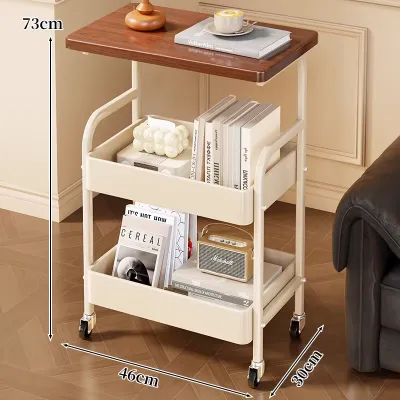
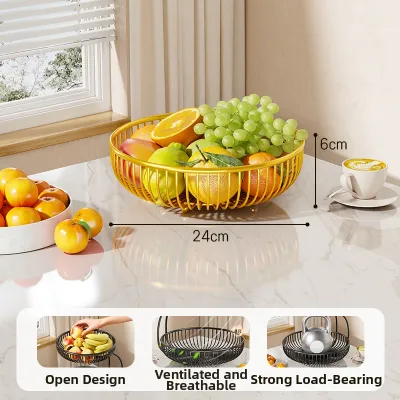
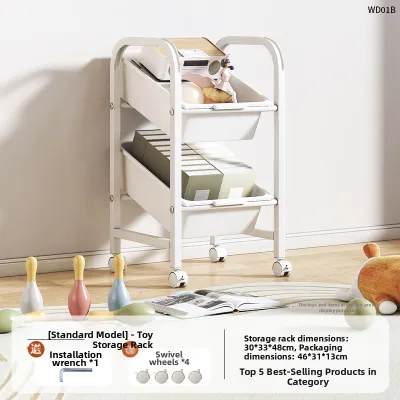
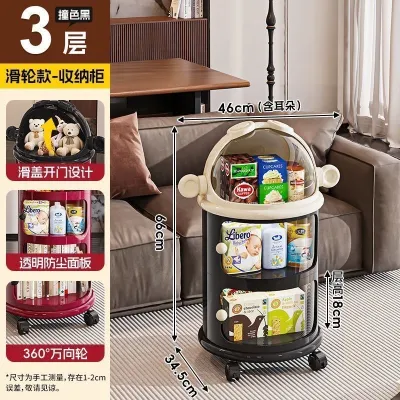
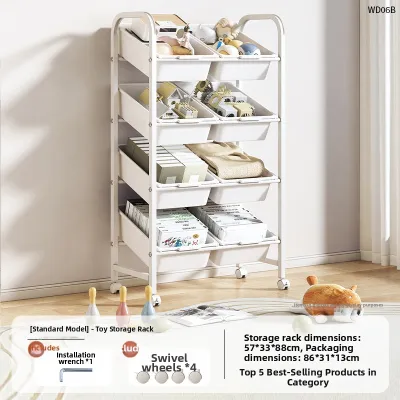
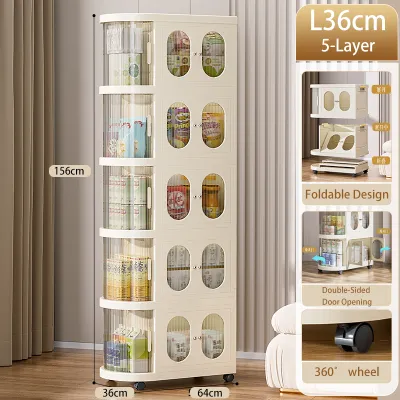
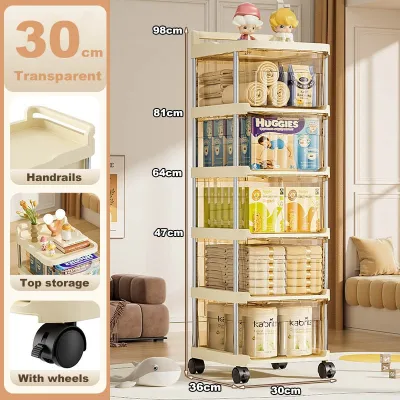
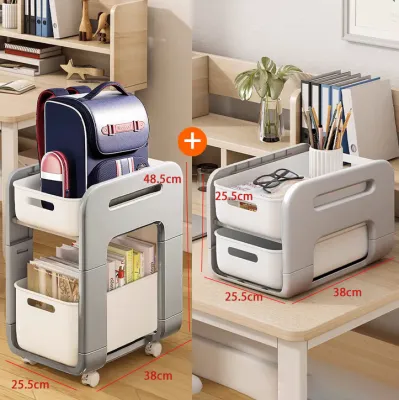
Prices are valid at publication and may change. Please refer to the product page for the latest price.
A storage rack must never impede the movement of existing kitchen fixtures. Carefully measure the swing radius of all cabinet doors, drawers, and your refrigerator door to ensure they can open fully without striking the new rack. This is particularly critical in tight HDB layouts where appliances and cabinets face each other closely. If you plan to place a rack near an entryway, ensure it does not block the main kitchen door’s opening path or restrict the movement of folding or sliding doors.
Maintaining clear, unobstructed walkways is essential for safety, especially when carrying hot dishes or sharp utensils. In narrow galley or L-shaped HDB kitchens, the standard recommendation is to maintain a walkway width of at least 90 to 120 centimeters. Introducing a rack that narrows this path below 80 centimeters can create a safety hazard and make it difficult for two people to pass each other. Always simulate the rack’s physical presence by placing a temporary cardboard box or marking the floor with masking tape for a few days to test the remaining traffic clearance.
Positioning a snack storage rack too close to heat-generating appliances can affect both your snacks and your appliances. Refrigerators, ovens, and microwave ovens require adequate clearance around their sides and backs for proper ventilation and heat dissipation, as specified by their manufacturers. Pushing a storage cart directly against a refrigerator’s side panel can trap heat, forcing the appliance to work harder, consume more electricity, and potentially shorten its lifespan. Ensure you leave a buffer of at least 5 to 10 centimeters—or the specific distance recommended in your appliance manuals—between the rack and any heat source.
Top Space-Saving Snack Storage Rack Types for Compact Kitchens
Selecting the right style of snack storage rack depends entirely on which underutilized zone of your HDB kitchen you plan to exploit.

Wall-Mounted and Over-the-Door Racks
Wall-mounted and over-the-door storage solutions are excellent for keeping your countertops and floors completely clear. Over-the-door racks hang directly on the pantry or kitchen door, transforming an unused vertical surface into a highly accessible snack zone. Before choosing this option, measure the gap between the top of your door and the frame; most over-the-door brackets require a clearance of at least 2 to 3 millimeters to allow the door to latch smoothly. Additionally, check that the hanging baskets do not hit the door frame when the door is swung open.
For blank wall spaces, wall-mounted shelves or pegboards offer customizable storage. However, you must verify your wall material—such as concrete, brick, or drywall—and understand its load-bearing capabilities. Heavy-duty adhesive hooks can work on smooth, glazed tiles for lightweight snacks, but drilling with appropriate wall plugs is highly recommended for heavier loads to prevent the rack from pulling away from the wall. Always check the depth of the wall rack; it should not protrude so far that it interferes with light switches, electrical outlets, or your shoulder clearance as you move along the wall.
Slim Rolling Carts and Gap Storage
The narrow spaces between your refrigerator and kitchen cabinets, or beside a washing machine in the yard, are ideal locations for a slim rolling snack storage rack. These gap carts are typically between 12 and 20 centimeters wide, allowing them to slide into otherwise wasted spaces. When measuring these gaps, do not choose a cart that matches the gap width exactly; leave a buffer of at least 2 to 3 centimeters on each side to ensure the cart can slide in and out smoothly without scraping your appliances or cabinet laminates.
Because HDB kitchen floors are often tiled and may have slight slopes for drainage, choosing a rolling cart with locking casters (wheel brakes) is essential. Engaging the brakes prevents the cart from drifting or rolling forward unexpectedly when you pull out a snack. Furthermore, pay close attention to the cart’s center of gravity. Slim, multi-tiered carts can become highly unstable and prone to tipping if they are loaded incorrectly; always place heavier items like bottled drinks or canned goods on the bottom shelf, and refer to the manufacturer’s specifications for the maximum weight limit per tier.
Foldable and Tiered Countertop Organizers
If you must use your countertops for snack storage, vertical tiered organizers and foldable racks help maximize the available space without creating visual clutter. Tiered step-shelves or lazy Susans elevate your snacks, improving visibility so that smaller packages do not get lost or forgotten at the back of the cabinet or counter. This organized layout helps you keep track of expiration dates and prevents overbuying.
For households that require flexible workspaces, foldable or collapsible snack racks are highly practical. These units can be erected quickly when you stock up on groceries and folded flat to be stored away in a cabinet when you need the entire countertop for extensive meal preparation. When selecting a countertop organizer, verify that the base has a stable footprint and is equipped with non-slip rubber pads or silicone feet. This prevents the rack from sliding on smooth, wet, or greasy kitchen surfaces, protecting both your countertop and your stored items.
Essential Features for HDB-Friendly Snack Racks
To ensure your snack storage rack withstands the unique environment of a Singapore kitchen, look for specific design details and material treatments on product specifications.
- Surface Treatment and Care: Singapore's high humidity, combined with kitchen steam and cooking grease, can quickly degrade unprotected materials. Instead of assuming any metal rack is inherently rust-proof, look for products that explicitly state they have anti-rust powder coatings, epoxy finishes, or waterproof seals. To maintain these protective barriers, avoid using harsh abrasive chemicals or steel wool during cleaning, as these can scratch the coating and expose the underlying metal to moisture. Follow the manufacturer's care instructions, which typically recommend wiping the surfaces down with a soft, damp cloth and mild dish soap, followed by thorough drying.
- Adjustability and Versatility: Snack packaging comes in a wide variety of shapes and sizes, from tall cereal boxes and beverage bottles to flat potato chip bags and small candy jars. A rack with fixed shelf heights can lead to wasted vertical space or force you to store items awkwardly on their sides. Opt for racks with adjustable shelf heights or modular baskets that allow you to customize the spacing according to your current inventory. This adaptability ensures you maximize every centimeter of vertical storage space.
- Containment and Edges: When retrieving items from a wall-mounted, over-the-door, or rolling rack, small packages can easily slip off and fall. To prevent this, select racks that feature raised edges, wire guardrails, or deep basket designs. A lip guard of at least 3 to 5 centimeters is generally sufficient to keep loose snack packs, juice boxes, and spice jars securely in place, even when a rolling cart is in motion or a door is being opened and closed.
- Ease of Cleaning: Kitchen storage units are highly susceptible to crumb accumulation, dust, and grease buildup, which can attract pests like ants or cockroaches. Look for snack racks with simplified designs, minimal tight crevices, or removable plastic trays that can be easily detached and washed in the sink. Wire mesh shelves are popular for ventilation, but ensure the mesh is fine enough to support small items without letting them tilt, or choose models that include flat plastic liners for the wire bottoms.
Common Sizing and Placement Mistakes to Avoid
Failing to plan for small details can turn a promising storage solution into an inconvenient obstacle or a safety hazard.
- Ignoring Baseboards and Outlets: A common oversight is purchasing a wall-mounted or floor-standing rack that must sit completely flush against the wall, only to find that the floor skirting board prevents it from doing so. This can cause the rack to tilt forward or wobble. Additionally, avoid mounting racks directly over wall-mounted electrical outlets or light switches. Blocking access to these points is not only inconvenient but can also create an electrical safety hazard if cords are bent at sharp angles or if you cannot quickly reach the switch.
- Overloading Narrow Carts: Slim gap carts are highly convenient, but their narrow bases make them susceptible to tipping if the weight is distributed poorly. Placing heavy items—such as bulk beverage cartons, canned goods, or glass jars—on the top tier raises the center of gravity significantly. Always load your rack from the bottom up, placing the heaviest items on the lowest shelf and reserving the upper tiers for lightweight snacks like chips, crackers, and seaweed packs.
- Blocking Ventilation: When utilizing the gap next to your refrigerator, never push the storage cart completely flush against the appliance's sides or back. Many modern refrigerators dissipate heat through their side panels or rear coils. Restricting this airflow can cause the compressor to overheat, reducing cooling efficiency and increasing energy consumption. Always maintain the manufacturer-recommended clearance space around all kitchen appliances.
- Neglecting Cleaning Access: Placing a heavy or non-mobile storage rack in a tight, hard-to-reach corner creates a "dead zone" where dust, moisture, and food crumbs inevitably gather. Over time, this dark, undisturbed environment can attract pests. Ensure that any rack placed in a tight corner is either lightweight enough to be easily lifted during regular cleaning or equipped with smooth-rolling wheels that allow you to roll it out, sweep the floor underneath, and wipe down the surrounding walls.
Frequently Asked Questions (FAQ)
Can I install wall-mounted racks on HDB kitchen tiles without drilling?
Yes, you can use heavy-duty adhesive hooks, nail-free glue, or tension rods, but their performance depends heavily on the tile surface. Ensure the tiles are clean, dry, and free of grease before application, and avoid placing adhesive over grout lines. Always check the manufacturer’s stated weight limits for the adhesive; for safety, avoid storing heavy glass jars or fragile items on adhesive-mounted racks, and consider mechanical drilling if you require a high-capacity, permanent storage solution.
How do I prevent snack racks from rusting in a humid kitchen?
To prevent rust, verify that the rack has a durable protective finish, such as a powder coating or chrome plating, before purchasing. Clean the rack regularly by wiping it with a soft cloth and mild soap to remove cooking grease and moisture, which can break down protective coatings over time. Avoid using abrasive scrubbing pads that can scratch the finish. Finally, keep your kitchen well-ventilated by opening windows or running an exhaust hood while cooking to lower humidity levels.

Community discussion
Share your experience or ask a question. Comments are reviewed before publication.