
Maximizing every square centimeter of space is a core priority for homeowners living in Singapore’s HDB flats. As layouts become more compact, awkward gaps between large appliances, structural pillars, and cabinetry often go underutilized. A slim storage rack offers a highly practical solution to reclaim these tight spaces, transforming dusty crevices into organized, accessible storage zones. Whether you need to store laundry detergents, kitchen spices, or bathroom toiletries, selecting the right rack requires careful planning to ensure it fits perfectly and functions safely within your home’s specific layout.
To find the ideal storage solution, you must look beyond basic aesthetics and focus on precise physical measurements, material durability, and structural stability. This guide outlines the essential steps to assess your space, evaluate key product features, and choose the most reliable slim storage rack for the unique environmental conditions of your HDB flat.
How to Measure and Assess Tight Gaps in Your HDB Flat
Before browsing online marketplaces or visiting local furniture showrooms, you must obtain highly accurate measurements of the gap you intend to fill. Do not rely on a single width measurement taken at the front of the opening. HDB walls, tiled surfaces, and kitchen cabinets are rarely perfectly straight or plumb. Use a metal measuring tape to measure the width, depth, and height of the gap at three distinct points: near the floor, in the middle, and near the top. Use the smallest of these three measurements as your maximum allowable width to prevent the rack from getting wedged or stuck.
Products mentioned in this guide
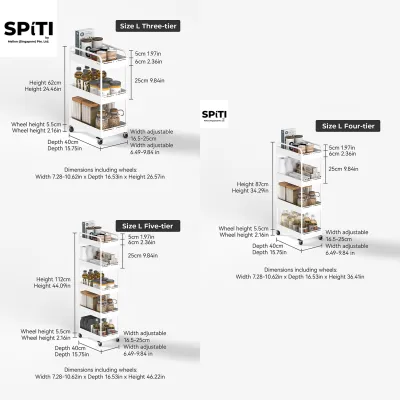
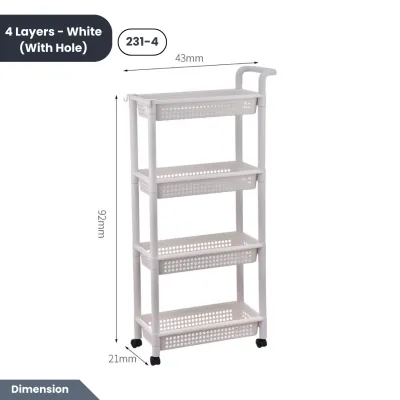
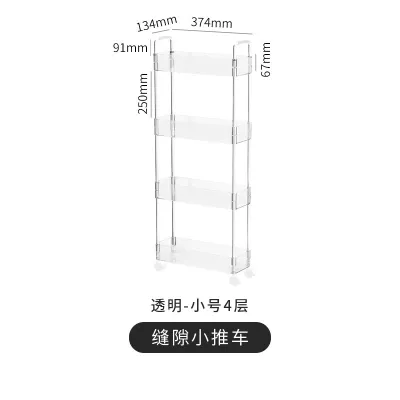
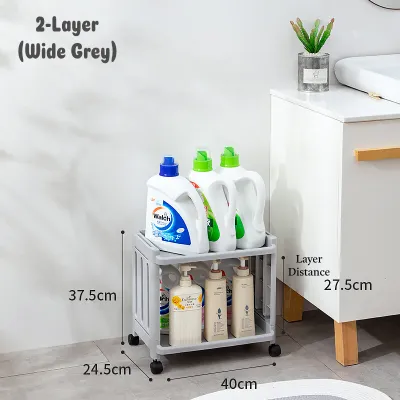
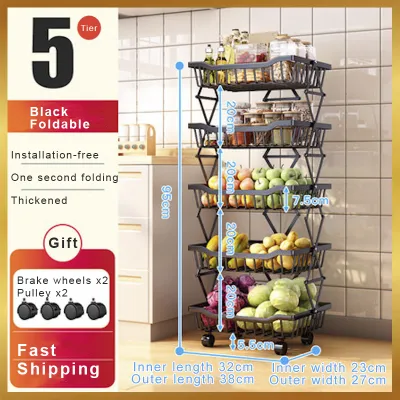
Prices are valid at publication and may change. Please refer to the product page for the latest price.
When calculating the available width, you must account for low-level and mid-wall obstructions that do not appear in standard floor plans. Skirting boards running along the base of HDB walls typically protrude by 1.5 to 2 centimeters, which can significantly narrow an ultra-tight gap. Similarly, look out for wall-mounted power sockets, light switches, water pipes, copper gas lines, and plastic electrical trunking. If a power socket is located inside the gap, you must ensure the rack does not block access to it or bend plugged-in cables at damaging angles.
Clearance for movement is another critical factor when assessing a potential storage gap. If you plan to use a slide-out or wheeled rack, ensure there is ample clear floor space directly in front of the gap to pull the unit out fully without hitting dining chairs, kitchen islands, or opposite walls. For stationary racks placed next to cabinets or appliances, verify that the unit’s frame does not obstruct the swing path of cabinet doors, oven doors, or refrigerator hinges.
Furthermore, you must respect the ventilation requirements of nearby household appliances. Refrigerators, in particular, rely on side or rear clearance to dissipate heat efficiently. Squeezing a slim storage rack tightly against a refrigerator’s ventilation vents can cause the appliance to overheat, leading to higher electricity bills, reduced cooling performance, and a shortened compressor lifespan. Always consult your refrigerator’s user manual to determine the minimum required side clearance before placing any storage unit next to it.
Finally, evaluate the condition of the floor surface within and around the gap. Many HDB service yards, bathrooms, and older kitchen floors are intentionally sloped toward floor drains to prevent water pooling. A significant floor slope or a raised threshold step can cause a tall, narrow wheeled rack to wobble, roll unexpectedly, or tilt precariously when pulled out. If your floor is uneven, you will need to prioritize racks with adjustable leveling feet or implement specialized stabilization methods.
Key Features to Look for in a Slim Storage Rack
When shopping for a slim storage rack, tier adjustability and modular shelving options should be at the top of your feature checklist. Fixed-height shelves limit your storage options, often forcing you to store tall items like laundry liquid bottles or cooking oil jugs only on the very top shelf, which raises the unit’s center of gravity. Racks with adjustable shelving allow you to customize the height of each tier to match your specific items, maximizing vertical space while keeping heavier goods safely positioned near the bottom.

Mobility is another defining feature that dictates how you will interact with your storage rack daily. Slim racks generally fall into two categories: mobile units equipped with casters, and stationary units designed for permanent placement. Mobile racks are ideal for deep, narrow gaps—such as the space beside a washing machine—where you need to pull the entire unit out to access items stored at the back. If you choose a wheeled model, ensure it features high-quality, 360-degree swiveling casters, and that at least two of the wheels have reliable locking mechanisms to keep the rack stationary when not in use.
For stationary racks, look for sturdy, non-slip rubber feet that protect your floor tiles from scratches while providing a solid grip. If the rack is tall and exceptionally narrow, check if the manufacturer includes wall-anchoring hardware or anti-tip straps. These safety features are essential for preventing the unit from tipping over if it is accidentally bumped or if a child attempts to climb it.
Pay close attention to the design of the pull-out mechanisms and handles. A slim slide-out rack should feature a sturdy, ergonomically positioned handle integrated into the frame rather than a flimsy plastic attachment. The handle should allow you to pull and push the rack smoothly without flexing the frame. Additionally, look for shelves with raised side rails or deep basket designs. High protective borders prevent tall bottles, spice jars, and cleaning canisters from tipping over and falling off the sides when the rack is moved quickly.
Best Types of Slim Racks for Common HDB Narrow Spaces
Different areas of an HDB flat present distinct environmental challenges, ranging from high heat and mechanical vibration to intense humidity and direct water exposure. To ensure your slim storage rack remains durable and functional, you must match the rack’s design and material properties to the specific conditions of the space it will occupy.
Beside the Refrigerator or Washing Machine
Gaps adjacent to major household appliances require storage solutions that can withstand heat, airflow restrictions, and physical movement. When placing a rack beside a refrigerator, prioritize open-wire designs or perforated metal shelves. These open structures allow air to circulate freely, helping to dissipate the heat generated by the appliance’s condenser coils. Avoid solid plastic or solid wood panels that can trap warm air and force your refrigerator to work harder.
If you are placing a rack next to a washing machine, you must account for the intense vibrations generated during high-speed spin cycles. A rack positioned too close to a vibrating washing machine can rattle loudly, shift out of place, or scratch the appliance’s exterior finish. Choose a rack with smooth, rounded edges, or apply soft adhesive felt pads to the sides of the rack’s frame to act as a buffer. Avoid using magnetic storage organizers on the side of a washing machine if the constant vibration is likely to cause them to slide down or fall off.
Ensure the overall depth and height of the rack do not interfere with the appliance’s operational components. The rack must not block access to water inlet valves, drainage hoses, power points, or appliance control panels. If you must place a rack in front of these utility connections, ensure the rack is lightweight and easily movable so you can quickly access shut-off valves in an emergency.
In Corridor Alcoves and Service Yards
HDB service yards and corridor alcoves are transitional spaces that are frequently exposed to Singapore’s humid tropical climate, rain splashes, and direct sunlight. When selecting a slim rack for these areas, always check the manufacturer’s product labels for weather-resistant, rust-proof, or UV-stabilized finishes. Standard indoor metal racks can rust rapidly when exposed to damp laundry air or rain blowing through service yard windows, while non-UV-treated plastics can become brittle and crack over time.
Fire safety and accessibility must remain top priorities when utilizing corridor alcoves or spaces near entryways. According to the Singapore Civil Defence Force (SCDF) guidelines, a minimum clear escape passage of 1.2 meters must be maintained along common corridors at all times. Choose shallow-depth racks that sit completely within your flat’s boundary or alcove recess, ensuring no part of the unit protrudes into the shared walkway or obstructs natural light and ventilation.
Because service yards often feature tall ceilings, utilizing vertical space with a tall, narrow shelving unit is highly effective. However, tall structures are more susceptible to being destabilized by strong winds blowing through open windows. Ensure any tall rack placed in a service yard is securely anchored to the wall using rust-resistant masonry screws, or choose a heavy-based stationary unit with a low center of gravity.
Between Bathroom or Kitchen Cabinets
The ultra-narrow gaps between kitchen cabinets or bathroom vanities are prime locations for slide-out tower racks. In these high-moisture “splash zones,” storage units are constantly exposed to water droplets, steam, and spills from cooking oils, sauces, or liquid soaps. Look for slide-out racks featuring sealed plastic bins, removable trays, or easy-wipe composite surfaces that do not absorb liquids or harbor mold.
Before purchasing, verify the water resistance and cleanability of the rack by reviewing the manufacturer’s care instructions. Avoid materials like untreated wood, low-grade particle board, or non-plated metals, which can warp, swell, or corrode within weeks of exposure to bathroom humidity. Removable plastic tiers are highly practical for kitchens and bathrooms because they can be easily detached and washed under running water to remove sticky residue or soap scum.
Additionally, check the base clearance of the rack to ensure it does not trap water underneath or block floor drainage. In bathrooms, a rack that sits directly on the floor without sufficient clearance can obstruct the natural flow of water toward the floor trap, leading to stagnant pools and grime buildup. Choose a rack with elevated legs or high-clearance casters that allow you to clean the floor underneath without moving the entire unit.
Material and Stability Checks for Humid Environments
Evaluating material specifications is crucial to ensuring your slim storage rack survives Singapore’s year-round high humidity. Powder-coated steel, heavy-duty plastics like polypropylene (PP) and acrylonitrile butadiene styrene (ABS), and treated bamboo are the most common materials used for slim racks. Each material has distinct performance characteristics that you should verify against manufacturer specifications rather than relying on broad marketing claims.
Powder-coated steel offers excellent structural strength and weight capacity, making it suitable for holding heavy kitchen appliances or canned goods. However, its rust resistance depends entirely on the integrity of the protective coating; if the powder coating is chipped, scratched, or poorly applied at the joints, moisture will quickly penetrate the underlying steel and cause rust. Heavy-duty PP and ABS plastics are completely rust-proof, lightweight, and highly resistant to chemical cleaners, making them ideal for bathrooms and service yards, though they generally support less weight than steel. Treated bamboo provides a warm, natural aesthetic, but it must be finished with a water-resistant polyurethane sealant and placed in a well-ventilated area to prevent mold growth.
To prevent structural failure or tipping, always locate and interpret the manufacturer’s weight capacity labels. These specifications typically detail both the maximum load capacity per individual shelf and the total weight capacity for the entire unit. Never exceed these limits, and always practice proper load distribution: place your heaviest items, such as laundry detergents, large oil bottles, or heavy glass jars, on the bottom shelf. This lowers the unit’s center of gravity, significantly improving stability when you pull a mobile rack out of a tight gap.
For tall, narrow units—especially those with a height-to-width ratio exceeding 3:1—wall anchoring is a critical safety requirement. If your household includes young children or active pets, a narrow rack can easily be pulled over, posing a serious injury hazard. Check the product specifications to confirm if an anti-tip wall-anchoring kit is included in the packaging. If not, you should purchase compatible L-brackets, wall straps, and appropriate wall plugs to secure the rack’s frame directly to your HDB concrete wall.
Where to Buy and What to Verify Before Checkout
When you are ready to purchase a slim storage rack from an online marketplace, home improvement store, or local furniture retailer, run through a final verification checklist before completing your transaction. First, cross-reference the listed product dimensions against your physical measurements. Pay close attention to the “finished” or “assembled” dimensions provided by the seller, as these often differ slightly from the main product title. Ensure the listed width includes any protruding screw heads, wheel caps, or handle attachments that could prevent the rack from sliding into your measured gap.
Next, review the retailer’s return and exchange policies, particularly regarding assembled furniture. Many online sellers and physical stores do not accept returns or offer refunds once a product has been unboxed and assembled, unless there is a proven manufacturing defect. If you discover that the rack does not fit your space due to an incorrect measurement, you may be unable to return it. Additionally, check the warranty terms to ensure you are covered for missing parts, damaged panels, or defective casters upon delivery.
If you are purchasing a large or heavy multi-tier rack, verify the delivery constraints of your HDB estate. Ensure the packaged box dimensions can easily fit inside your building’s passenger lift. If your lift is undergoing maintenance or if you live in an older estate where the lift does not stop on every floor, check if the delivery service charges additional fees for carrying items up the stairs.
Finally, spend time analyzing user feedback and customer reviews on the product page. Filter the reviews to look for specific mentions of assembly difficulty, actual stability under load, and long-term durability in humid conditions. Look for real-life photos uploaded by other buyers in Singapore to see how the rack looks in actual HDB layouts. If multiple reviews complain about flimsy plastic joints, difficult-to-align screw holes, or rapid rust formation, it is wise to reconsider your choice and look for a more robust alternative.
Frequently Asked Questions (FAQ)
Can I use a slim storage rack on uneven HDB floor tiles?
Yes, you can use a slim storage rack on slightly uneven HDB floor tiles, but you must select a model designed to accommodate surface variations. Before purchasing, check the product specifications to confirm if the rack features adjustable leveling feet. These threaded feet can be screwed in or out individually to balance the rack and eliminate wobbling on sloped floors. If you choose a wheeled rack that lacks built-in adjusters, you can place non-slip, water-resistant rubber pads or silicone shims under the wheels when the rack is parked, while regularly monitoring the unit for any signs of instability.
How much weight can a typical narrow pull-out rack hold?
The weight capacity of a narrow pull-out rack varies significantly depending on its construction materials and design. Typically, lightweight plastic slide-out towers can support between 2 kg and 5 kg per tier, whereas heavy-duty powder-coated steel racks can often hold 10 kg to 15 kg per tier. Always verify the manufacturer’s stated maximum load capacity before loading the rack. To maintain stability and prevent the unit from tipping forward when fully extended, always place your heaviest items on the bottom shelf and lighter items on the upper tiers.

Community discussion
Share your experience or ask a question. Comments are reviewed before publication.