
Selecting the right shoe rack cover in Singapore requires balancing effective dust protection with the challenges of a high-humidity tropical climate. The best shoe rack cover brands for dust protection include IKEA for modular accessibility, Yamazaki for space-saving and secure closures, and MUJI for highly breathable, dust-resistant materials. For open-concept shelving units in high-exposure areas, generic heavy-duty Oxford canvas covers with full-zip enclosures offer the most robust barrier against airborne particles.
In Singapore’s climate, a cover that seals out dust too tightly can trap ambient moisture, leading to mold and mildew on your footwear. The ideal solution must prevent dust settlement while allowing micro-ventilation to keep your shoes dry and odor-free. Choosing the right brand and design depends on where your shoe rack is located, the materials of your footwear, and the layout of your entryway.
How to Evaluate Dust Protection in Shoe Rack Covers
Material Density and Weave
The density and weave of the fabric determine how effectively a shoe rack cover blocks airborne dust. Common materials include Oxford cloth, non-woven synthetic fabrics, and natural canvas. Oxford cloth is typically rated by denier (such as 210D or 600D), with higher numbers indicating a thicker, tighter weave that provides superior dust isolation.
Products mentioned in this guide
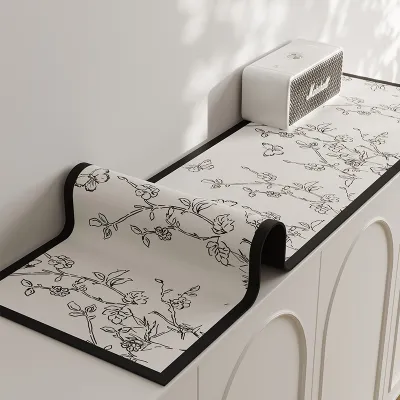
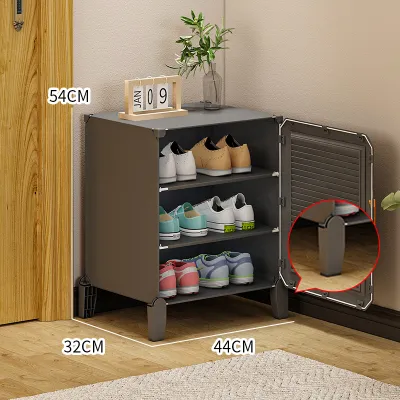
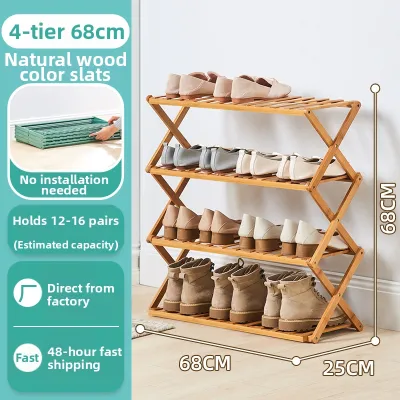
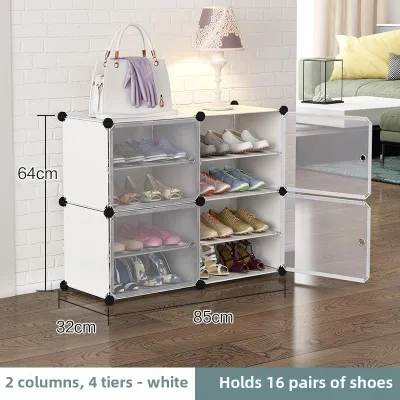
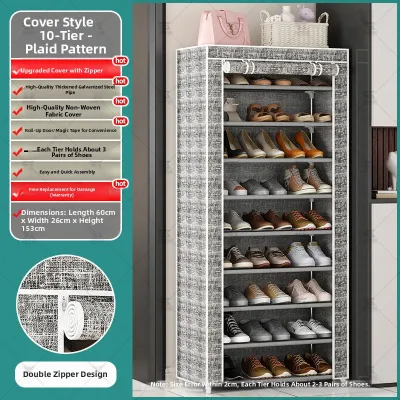
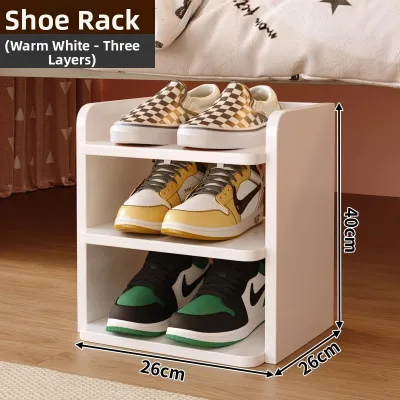
Prices are valid at publication and may change. Please refer to the product page for the latest price.
While a tight weave excels at blocking fine dust, it also restricts natural airflow. Non-woven fabrics offer a lighter, highly breathable alternative that allows air to circulate freely, though they are generally less durable over long periods of time. Natural canvas provides a middle ground, offering a heavy, robust barrier that still retains a moderate level of breathability.
Closure Mechanisms
The closure mechanism of a shoe rack cover dictates how well it seals the seams against dust ingress. Full-length zippers offer the most secure seal, completely closing off the front and sides of the rack from ambient dust. Dual-zipper designs are particularly convenient, allowing you to access specific shelves without exposing the entire collection.
Velcro flaps and magnetic snaps provide faster access but may leave small gaps at the corners or bottom hem where dust can drift in. Elastic hems are common on slip-over covers, stretching tightly under the base of the rack to prevent dust from rising from the floor. For maximum protection, look for covers that combine a secure top-to-bottom zipper with an elasticized or weighted bottom edge.
Breathability vs. Sealing
In Singapore, where relative humidity often exceeds 80 percent, finding the balance between sealing and breathability is critical. A completely airtight plastic or vinyl cover will keep dust out but will trap moisture inside, creating a microenvironment where mold can thrive on leather, canvas, and suede shoes.
To prevent mold growth, look for covers that incorporate micro-ventilation features. These can include breathable mesh side panels, rear ventilation slits, or natural fiber construction. These design elements allow trapped moisture to escape while directing falling dust away from your footwear.
Structural Compatibility
A shoe rack cover must match the physical frame of your existing shoe rack to function effectively. A cover that is too tight will strain the seams, eventually causing the zippers to split or the fabric to tear. Conversely, a cover that is too loose will sag, creating unsightly folds and gaps at the bottom where dust can easily enter.
Consider whether your rack is a freestanding wooden unit, a lightweight wire shelf, or a plastic modular frame. Heavy canvas covers require a sturdy, stable frame to support their weight. Lightweight non-woven covers are better suited for delicate or temporary plastic shelving units.
Recommended Shoe Rack Cover Brands and Designs for Singapore Homes
IKEA: Modular and Accessible Dust Shields
IKEA offers highly practical, modular storage solutions and add-ons designed to provide reliable dust protection. Their fabric covers, zippered hanging organizers, and compatible inserts (such as those in the SKUBB or KALLAX series) are engineered to integrate seamlessly with standard shelving layouts.

These options are ideal for indoor, climate-controlled environments such as HDB living rooms, closed entryways, or built-in wardrobe systems. They provide a clean, minimalist aesthetic that hides clutter while keeping daily-wear shoes free from settling dust.
Strengths:
- Standardized, highly predictable dimensions that make matching covers to compatible IKEA frames straightforward.
- Highly accessible and affordable, with materials that are easy to remove, spot-clean, or machine-wash.
- Lightweight designs that do not add unnecessary bulk or weight to your shelving units.
Limitations:
- They are tailored specifically to IKEA's proprietary furniture lines, meaning they may not fit non-standard or third-party shoe racks perfectly.
- Many models rely on open-front flaps or loose-fitting designs rather than full 360-degree zipper seals, which may allow fine dust to enter over time.
Yamazaki: Space-Saving and Secure Closures
Japanese brand Yamazaki is highly regarded for its minimalist, space-saving home storage solutions. Their shoe rack covers and covered slim racks feature tailored fabric cuts, neutral color palettes, and precise fastening systems designed to maximize space efficiency.
These designs are exceptionally well-suited for narrow HDB corridors, compact condominium foyers, or tight entryways where space is limited. The tailored fit ensures the cover hugs the frame tightly, preventing any excess fabric from obstructing walkways.
Strengths:
- Premium build quality with precise stitching and durable, high-grade fabrics that resist wear.
- Tailored, slim-profile designs that integrate beautifully into modern, minimalist home interiors.
- Secure fastening systems, such as integrated ties or precise Velcro placements, that prevent the cover from shifting or sagging.
Limitations:
- Positioned in a premium price band, making them a more significant investment than generic alternatives.
- Limited size variations mean you must measure your existing shoe rack with extreme precision to guarantee a proper fit.
MUJI: Breathable yet Dust-Resistant Materials
MUJI focuses on natural simplicity, utilizing cotton-polyester blends and lightweight, non-woven polypropylene fabrics. Their covers and fabric storage cases are designed to block large dust particles while maintaining excellent natural ventilation.
These covers are ideal for storing delicate footwear, such as leather dress shoes, suede heels, or seasonal boots. Because these materials are highly susceptible to humidity damage, the breathability of MUJI’s fabrics helps prevent moisture buildup and subsequent mold growth.
Strengths:
- Superior breathability that naturally regulates moisture levels and reduces the risk of trapped odors.
- Soft, flexible fabrics that are easy to fold, store, and clean when not in use.
- Neutral, organic aesthetic that blends seamlessly with wood, metal, or plastic shelving.
Limitations:
- Lightweight fabrics are less resistant to heavy daily friction or exposure to semi-outdoor elements, such as direct sunlight on a balcony.
- They may not block ultra-fine, airborne construction dust as effectively as heavy-duty, coated synthetic fabrics.
Heavy-Duty Oxford Canvas Covers: Full Enclosure Solutions
For maximum dust isolation, generic heavy-duty covers made from 600D Oxford cloth offer a robust, full-enclosure solution. These covers typically feature thick, water-resistant synthetic fabrics, reinforced double-stitched seams, and heavy-duty dual zippers.
These full-enclosure covers are best suited for high-exposure utility areas, service yards, or open-concept shoe racks located near windows facing busy roads. They provide a complete barrier against heavy dust, wind-blown rain droplets, and outdoor pollutants.
Strengths:
- High durability and tear resistance, making them suitable for long-term use in semi-outdoor environments.
- Complete 360-degree dust protection due to full-length zipper closures that seal all sides of the rack.
- Many designs include clear PVC front windows, allowing you to locate specific shoes without unzipping the entire cover.
Limitations:
- Visually bulky and industrial in appearance, which may not match refined indoor home decor.
- The thick, heavy-duty material can trap humidity inside; if shoes are placed inside while damp, it can lead to rapid mold growth. To mitigate this, users should place disposable moisture-absorbing tubs or silica gel packets on the shelves.
Pre-Purchase Checks for Space and Fit
Dimensional Verification
Before purchasing a shoe rack cover, measure the exact height, width, and depth of your existing shoe rack. Always add a small buffer of 2 to 5 centimeters to your measurements. This extra allowance ensures that you can slide the cover on and off easily without straining the fabric seams, catching the zippers, or warping the rack’s frame.
Clearance and Walkway Safety
In Singapore, maintaining clear walkways is essential, particularly in HDB corridors where civil defense regulations require a minimum clear escape passage of 1.2 meters. Ensure that a covered shoe rack does not protrude into common pathways, block fire escape routes, or obstruct the swing radius of adjacent doors. The cover should fit snugly to prevent loose fabric from flapping in the wind and creating a tripping hazard.
Structural Stability Check
Assess the load capacity and physical stability of your shoe rack frame before installing a cover. Lightweight plastic or thin wire frames can bow, warp, or tip over under the tension of a tightly fitted cover or the added weight of a heavy canvas material. If your rack feels unstable, consider anchoring it to the wall or upgrading to a sturdier wooden or metal frame before adding a cover.
Label and Specification Review
While materials like Oxford cloth or canvas are often marketed as durable or weather-resistant, you must check the manufacturer’s specific care instructions, seam-sealing quality, and finish coatings to verify actual moisture resistance. Confirm whether the cover is rated for indoor use only or if it has UV-resistant finishes suitable for semi-outdoor placements like balconies or service yards.
Care and Maintenance to Preserve Dust Protection
Routine Surface Cleaning
Dust will inevitably settle on the exterior of your shoe rack cover over time. To prevent these particles from working their way through the fabric weave, vacuum the exterior surface weekly using a soft brush attachment. Alternatively, wipe the cover down with a damp microfiber cloth to remove loose dust before it accumulates.
Washing and Drying
Refer to the manufacturer’s care label before washing your shoe rack cover. While some non-woven covers must be spot-cleaned only, many canvas and cotton-blend covers can be hand-washed or machine-washed on a gentle cycle. Crucially, allow the cover to air-dry completely in a well-ventilated, shaded area before reinstalling it; placing a damp cover back over your shoes will trap moisture and trigger rapid mold growth.
Hardware Inspection
Periodically inspect the zippers, Velcro strips, and elastic bands of your cover to ensure they remain functional. If a zipper becomes stiff or difficult to pull, apply a tiny amount of silicone-based zipper lubricant or candle wax along the track to keep it running smoothly. Replace the cover if the closures fail to seal properly, as broken zippers or worn-out Velcro will leave gaps that compromise dust protection.
Moisture Management
Never place damp, wet, or sweat-soaked shoes directly into a covered shoe rack. Allow your footwear to air-dry completely in an open space before storing them. To manage ambient humidity within the covered enclosure, place disposable moisture-absorbing tubs, silica gel packets, or activated charcoal bags on the shelves alongside your shoes.
Frequently Asked Questions (FAQ)
Do shoe rack covers cause mold in Singapore's humid climate?
Yes, shoe rack covers can cause mold if they are made from non-breathable materials or if damp shoes are sealed inside. Because Singapore’s relative humidity is consistently high, a completely sealed, non-breathable plastic or heavy-duty cover traps moisture, creating an ideal breeding ground for mold and mildew. This is especially damaging to leather, suede, and canvas shoes.
To prevent this, select covers made from breathable fabrics like non-woven polypropylene or cotton blends, or choose designs with built-in ventilation mesh. Always ensure shoes are bone-dry before storing them. Place active moisture absorbers (such as silica gel or calcium chloride tubs) on the shelves, and periodically unzip or open the cover to let fresh air circulate, especially during the humid monsoon seasons.

Community discussion
Share your experience or ask a question. Comments are reviewed before publication.