
Rotating bookshelves offer an exceptionally efficient way to maximize vertical storage in compact Singapore homes, such as HDB flats and condominiums. By utilizing a 360-degree rotating base, these units allow you to store hundreds of books and decorative items within a footprint as small as 40 to 50 centimeters in diameter. Instead of requiring wide wall space like traditional horizontal bookcases, a rotating tower stacks books vertically and lets you access all four sides with a simple spin. This design effectively converts dead corners or tight walkways into high-capacity storage zones. However, choosing the right model requires balancing the unit’s physical footprint against its rotation clearance, ensuring the shelf can spin freely without striking nearby walls or furniture.
Essential Space and Clearance Measurements
Before purchasing a rotating bookshelf, precise spatial planning is critical to prevent operational issues in tight layouts. The most common mistake is measuring only the static footprint of the base while ignoring the dynamic clearance required during rotation. Because a square or rectangular shelf sweeps out a circular path as it spins, the actual space required is determined by the diagonal measurement of the shelf tiers, not just the width of the flat sides.
To calculate the minimum clearance zone, you must determine the diagonal of the shelf. For a square shelf with a side length of 40 centimeters, the diagonal is approximately 56.6 centimeters. This means the unit requires a clear, unobstructed circular zone with a diameter of at least 57 centimeters to rotate without scraping against walls, baseboards, or adjacent furniture. It is highly recommended to add a safety buffer of at least 3 to 5 centimeters around this rotation circle to account for slight shifts in the unit’s position over time and to prevent fingers from getting pinched against walls during operation.
Products mentioned in this guide
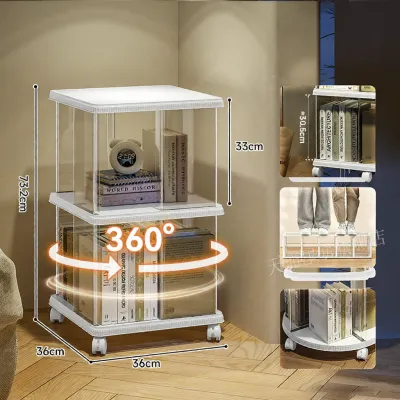
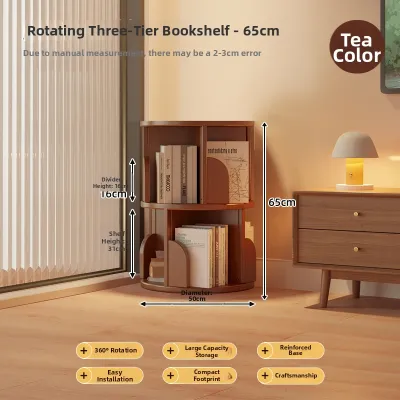
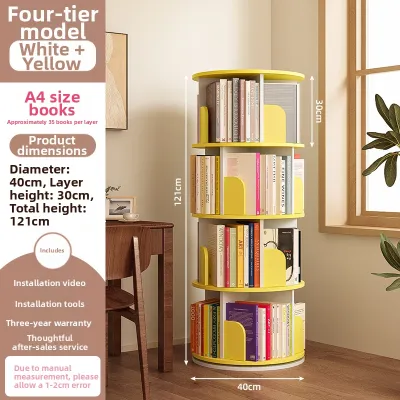
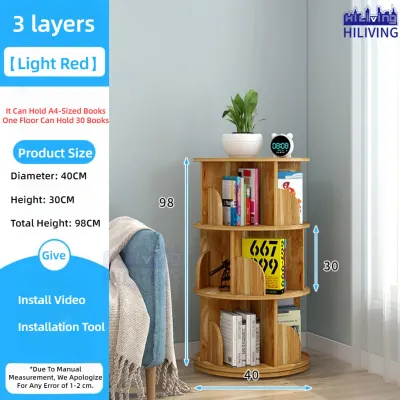
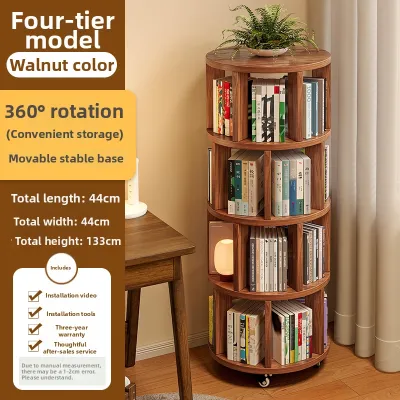
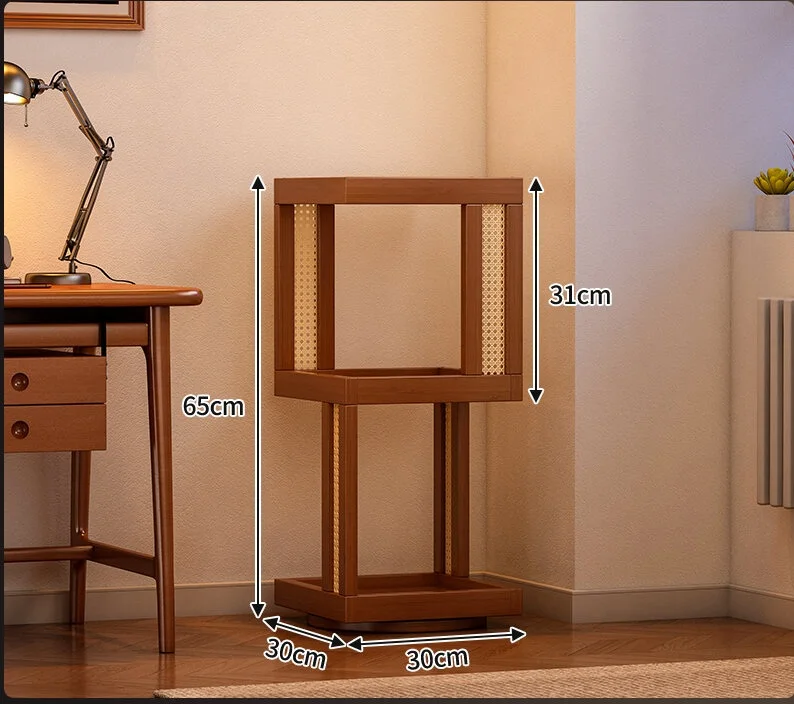
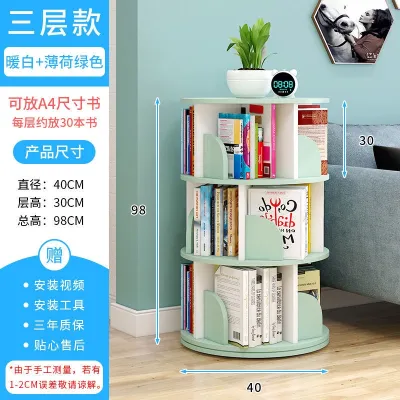
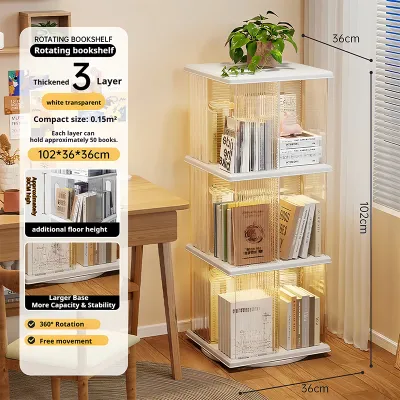
Prices are valid at publication and may change. Please refer to the product page for the latest price.
Vertical clearance is another vital consideration, especially for tall, multi-tier towers that stand over 1.5 meters. You must verify that your ceiling height can accommodate the unit, particularly if you plan to assemble it horizontally on the floor and lift it upright. In many modern HDB flats, standard ceiling heights range from 2.6 to 2.8 meters. While a fully assembled tower will easily fit under these ceilings, the diagonal height of the unit during the lifting process is greater than its final standing height. Ensure you have sufficient overhead clearance to tilt the unit upright, or opt for a modular system that can be assembled tier-by-tier in its final vertical position.
Finally, do not overlook the logistics of delivery and assembly. Measure the width of your apartment’s entryway, internal doorways, and hallway corridors to ensure the flat-packed boxes or pre-assembled units can be safely transported into the designated room. If you live in a high-rise condominium or HDB block, check the internal dimensions and weight capacity of the passenger lift. Large, heavy base plates or solid wood panels can be difficult to maneuver around tight corridor corners, making it essential to verify these dimensions before finalizing your order.
Rotating Bookshelf Configurations for Compact Layouts
The structural design of a rotating bookshelf dictates how well it integrates into your specific room layout. Different rotation mechanisms, base shapes, and tier configurations offer distinct spatial advantages. Understanding these variations allows you to select a design that complements your existing furniture arrangement while optimizing underutilized floor space.

360-Degree Freestanding Towers
Freestanding towers that rotate a full 360 degrees are the most common and high-capacity designs available. These units typically feature a circular or square base with multiple open shelves on all four sides, making them ideal for placement in open-plan living areas or as functional room dividers. When placed between a living room and a dining area, a freestanding tower provides dual-sided access, allowing you to reach books from the sofa on one side and dining accessories from the other.
Because these towers require a complete circular clearance zone, they are best suited for positions where they do not obstruct primary walking paths. Placing a 360-degree tower too close to a high-traffic doorway can create a collision hazard. Visually, a tall, fully loaded tower carries significant physical weight; placing it in a well-lit area or choosing a model with open-backed shelves can help maintain an airy, spacious feel in a compact room.
Corner-Fit and Wall-Adjacent Rotating Units
For exceptionally tight rooms where floor space is at a premium, corner-fit or wall-adjacent rotating units offer a highly efficient alternative. These specialized designs are engineered to sit flush against a wall or tuck neatly into a 90-degree corner, utilizing what is often considered dead space. Some of these units feature a partial rotation mechanism, such as a 180-degree swivel, which allows you to access hidden rear compartments without needing a full circular clearance zone.
When installing a wall-adjacent unit, you must pay close attention to the clearance between the spinning outer edge of the shelf and the wall surface. If the unit is placed too close, the corners of the shelves can scuff paint or damage wallpaper over time. Utilizing protective felt bumpers on the back of the unit or selecting a model with a built-in offset base can prevent wall damage while still maximizing the storage potential of awkward corners.
Modular and Expandable Rotating Systems
Modular rotating systems provide excellent long-term flexibility for growing book collections or changing household needs. These designs allow you to stack individual rotating tiers on top of one another, starting with a low two-tier unit and expanding upward to a four- or five-tier tower as required. This incremental approach is particularly useful for renters or those who wish to test the visual impact of a rotating unit in their space before committing to a tall tower.
When configuring a modular system, understanding weight distribution is critical. The interlocking mechanisms between tiers must be secure and perfectly aligned to prevent wobbling during rotation. As you add more tiers, the center of gravity rises, making it essential to place heavier items on the lowest shelves and lighter items on the upper levels. This structural discipline ensures the entire column remains stable and rotates smoothly without putting undue stress on the connection points.
Stability, Weight Capacity, and Safety Checks
The dynamic nature of a rotating bookshelf introduces unique safety and stability considerations that do not apply to standard stationary bookcases. Because the entire storage load moves around a central axis, verifying the structural integrity of the unit is paramount to prevent tipping hazards, especially in active households.
The primary indicator of a stable rotating bookshelf is the ratio between its base footprint and its overall height. A high-quality unit should feature a wide, heavy base plate that lowers the center of gravity. Look for models where the base is constructed from dense materials, such as solid wood or heavy-gauge steel, which provide a solid foundation. If a tower is tall and narrow, the risk of instability increases significantly when the shelves are unevenly loaded.
To ensure safe operation, always verify the manufacturer’s specified weight limits for both the overall unit and individual shelves. Overloading a rotating bookshelf can warp the shelves, strain the ball-bearing rotation mechanism, and cause the unit to lean or shake when spun. When loading the bookshelf, distribute the weight strategically:
- Place heavy reference books, encyclopedias, and large binders on the bottom tier.
- Keep items positioned as close to the central rotation axis as possible to minimize centrifugal force.
- Use upper tiers exclusively for lightweight paperbacks, decorative items, or small storage boxes.
- Avoid spinning the unit rapidly; a slow, controlled rotation preserves the lifespan of the bearings and prevents items from sliding off.
For tall units exceeding 1.2 meters, compatibility with anti-tip safety hardware is a crucial check. While traditional bookcases are easily anchored directly to the wall, anchoring a rotating unit requires specialized hardware that allows for rotation while preventing forward tipping. Some manufacturers provide specialized top-mounted swivel anchors or floor-securing brackets. If your chosen model does not include these, you must evaluate whether the unit’s base stability is sufficient for your floor type, particularly when placing the bookshelf on thick carpeting or uneven tile surfaces.
Building Your Shortlist: Evaluation Criteria and Next Steps
When compiling your shortlist of rotating bookshelf designs from online furniture retailers or local showrooms, focus on practical material and construction details that guarantee longevity. The materials used in construction directly impact both the aesthetic appeal and the daily durability of the unit.
Begin by assessing the material composition and surface finish. Solid wood and high-density fiberboard (HDF) with a protective laminate or veneer finish offer excellent resistance to sagging and moisture, which is particularly important in Singapore’s humid climate. Avoid low-grade particleboard, which can absorb atmospheric moisture over time, leading to swelling, warping, and a compromised rotation mechanism. Inspect the quality of the rotating hardware; a heavy-duty steel ball-bearing turntable is essential for smooth, quiet, and long-lasting rotation.
Next, carefully review the assembly requirements. Many rotating bookshelves are delivered flat-packed, requiring self-assembly. Review the assembly instructions online beforehand to determine if specialized tools are required or if the process demands two people. If you are assembling the unit yourself in a confined space, ensure you have a clean, carpeted area to lay out the parts without scratching the finishes.
Finally, check the return and warranty policies of the retailer. Because a rotating bookshelf relies on moving parts, having a clear warranty on the rotation mechanism provides peace of mind. Ensure the retailer offers a straightforward return policy in case the unit arrives with damaged components or does not fit your measured clearance zone as expected. By systematically verifying these criteria, you can confidently select a rotating bookshelf that enhances your home’s storage capacity without compromising on safety or style.
Frequently Asked Questions (FAQ)
Do rotating bookshelves require floor anchoring?
Most standard-height rotating bookshelves do not require direct floor anchoring, provided they feature a wide, heavy base plate and are loaded correctly with the heaviest items at the bottom. However, if you have uneven flooring, highly polished tiles, or live in a household with active pets or young children, securing the unit is highly recommended. Always check the manufacturer’s instructions to see if they provide specialized anchoring hardware, such as top-mounted swivel brackets, which secure the unit to an adjacent wall while still allowing the shelves to rotate freely.
How do I prevent a rotating bookshelf from sagging under heavy books?
To prevent shelf sagging and preserve the rotation mechanism, always adhere strictly to the manufacturer’s load limits. Distribute weight evenly across all sides of each tier, placing the heaviest books closest to the central support column rather than on the outer edges. This minimizes leverage and reduces stress on both the shelf material and the central bearing. Additionally, look for models constructed from sturdy materials like solid wood, plywood, or high-density fiberboard (HDF), and avoid overloading individual compartments with dense, oversized volumes.
Can I assemble a tall rotating bookshelf by myself in a small apartment?
While assembling a small two- or three-tier rotating bookshelf is manageable for a single person, assembling a tall tower exceeding 1.5 meters usually requires two people. The heavy base plates and central support columns can be difficult to align and hold in place simultaneously. Furthermore, lifting a fully assembled, heavy tower upright in a room with limited clearance poses a risk of injury or damage to walls and ceilings. If you must assemble it alone, ensure you have sufficient floor space to lay the unit flat, and consider choosing a modular system that can be built upward tier-by-tier.

Community discussion
Share your experience or ask a question. Comments are reviewed before publication.