
Maximizing space in Singapore’s residential apartments, such as HDB flats and condominiums, requires smart, efficient storage strategies. The area beneath the bed frame represents one of the most underutilized zones in the home, offering several square meters of hidden real estate. Selecting a dedicated plastic drawer cabinet designed specifically for under-bed environments allows you to keep seasonal items, extra bedding, and accessories organized, dust-free, and easily accessible without cluttering your living space.
By choosing the right storage solutions, you can transform a cluttered bedroom into a serene, organized sanctuary. Plastic drawer units are particularly well-suited for this task, offering a blend of durability, visibility, and protection that other materials struggle to match. Understanding what features to look for and how to prepare your space will ensure you make a purchase that fits your home perfectly.
Why Choose Plastic for Under-Bed Storage in Singapore?
Singapore’s tropical climate features persistently high humidity levels, often exceeding 80% year-round. This atmospheric moisture poses a significant risk to stored items, particularly organic materials like wood, fabric, and rattan, which are highly susceptible to mold, mildew, and musty odors. A high-quality plastic drawer cabinet provides an impermeable barrier that does not absorb moisture from the surrounding air, helping to preserve your textiles, garments, and documents in optimal condition.
Products mentioned in this guide
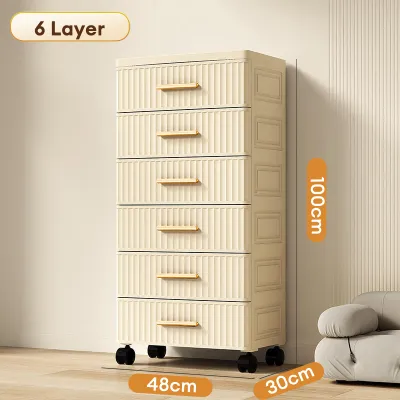
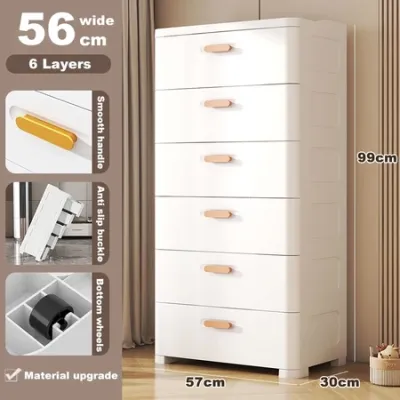
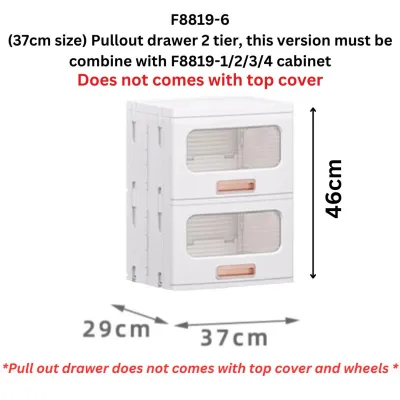
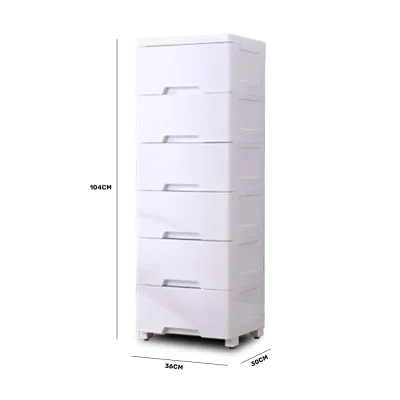
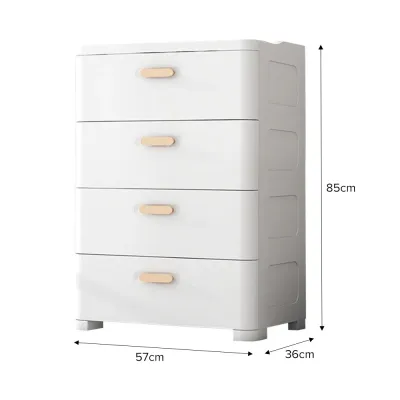
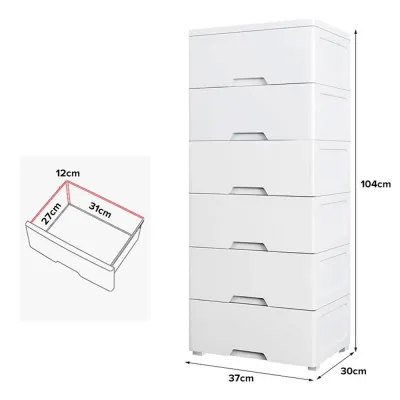
Prices are valid at publication and may change. Please refer to the product page for the latest price.
Dust accumulation is another major challenge under beds, where air circulation is restricted and lint naturally gathers over time. Fabric storage bins and open baskets tend to attract and trap dust on their outer surfaces, which can easily migrate to the contents inside. In contrast, solid plastic cabinets feature smooth, non-porous walls that prevent dust penetration and are exceptionally easy to wipe clean during your regular household maintenance routine.
The physical effort required to retrieve items from low-clearance spaces also makes plastic an ideal material choice. Plastic drawer units are inherently lightweight compared to heavy timber drawers or wrought-iron rolling bins, allowing you to slide them out with minimal physical strain even when fully loaded. This ease of movement is particularly beneficial in compact bedrooms where maneuvering space around the bed is limited.
When compared to alternative materials, plastic offers distinct advantages for under-bed storage. Metal containers are prone to rust in humid environments if the protective finish is scratched, while untreated wood can warp or harbor wood-boring pests. Fabric organizers lack structural integrity, causing them to sag and make sliding difficult when packed tightly. Plastic balances structural rigidity, moisture resistance, and lightweight handling, making it the most practical choice for long-term under-bed organization.
How to Measure Your Bed Clearance for Drawers
Before purchasing any plastic drawer cabinet, taking precise measurements of your under-bed space is critical to ensure a seamless fit and prevent the frustration of returning bulky items. Start by measuring the exact vertical clearance from the floor to the lowest point of your bed frame. Do not simply measure from the floor to the side rail; inspect the underside of the bed to identify any low-hanging center support beams, brackets, or structural bolts that could obstruct a drawer’s path.

Next, measure the available depth and width of the under-bed zone. The depth should be measured from the outer edge of the bed frame to either the center support leg or the wall, depending on whether you plan to access the drawers from one side or both sides of the bed. When measuring the width, account for any obstacles such as bedside tables, decorative bed legs, or baseboards that might limit how wide your storage units can be or block them from sliding out fully.
The style of your bed frame heavily dictates the height limits of your plastic drawers. Standard wooden or metal frames with legs typically offer a clearance height ranging from 15 to 25 centimeters, accommodating medium-depth drawers. Low-profile platform frames, however, may only provide a tight 10 to 12 centimeters of clearance, requiring specialized ultra-slim storage units. If you have a storage bed with a gas-lift mechanism, the internal compartments are already integrated, but loose under-bed drawers are ideal for open-legged frames.
To ensure smooth daily operation, always subtract a safety margin from your maximum vertical clearance. We highly recommend leaving a minimum clearance gap of 1.5 to 2 centimeters above the top of the drawer cabinet. This gap accounts for slight floor unevenness, carpet pile height, and any minor bowing of the bed frame when weight is applied to the mattress, preventing the drawer from getting wedged or scraping against the frame.
Essential Features for Under-Bed Plastic Drawer Cabinets
Evaluating specific design elements of plastic drawer cabinets ensures they remain functional, durable, and easy to use over years of service.
Mobility: Casters vs. Gliding Tracks
Under-bed drawers must move smoothly to be practical. Models equipped with built-in rolling wheels or casters are highly recommended for deep beds, as they allow you to roll heavy loads out with minimal resistance. However, you must consider your bedroom’s flooring material; hard plastic wheels can scratch or scuff delicate surfaces like vinyl, laminate, or polished parquet over time. For these sensitive floors, look for drawers with soft, rubberized wheels or stationary bases fitted with smooth gliding pads. If your bedroom floor has a slight slope or you want to prevent the drawer from rolling freely, select models that feature lockable casters or recessed wheel tracks that keep the unit securely in position.
Moisture and Dust Protection
To safeguard your belongings from high humidity and microscopic dust mites, pay close attention to how the drawer closes. Fully enclosed drawer cabinets with overlapping lips or snug-fitting top lids offer superior protection compared to open-front bins or loosely fitting drawers. For maximum protection of sensitive items, look for specialized airtight drawers that feature silicone gasket seals along the rim and robust snap-lock buckles. These seals create an isolated microclimate inside the drawer, preventing ambient moisture and dust from creeping in and ruining delicate fabrics or paper documents.
Visibility and Organization
The ability to quickly identify the contents of an under-bed drawer saves significant time and effort. Transparent or semi-transparent clear plastic designs allow you to perform quick visual inventory checks without having to pull out and open every single cabinet. If you prefer a cleaner, more minimalist look that hides visual clutter, solid opaque drawers are suitable, but they should be paired with external label holders. Inside the drawer, look for modular compartments, removable dividers, or shallow trays that prevent smaller items like socks, belts, or accessories from shifting and clustering at the back of the drawer whenever the unit is moved.
Recommended Plastic Drawer Cabinet Types by Storage Need
Different household items require different storage environments. Selecting the right type of plastic drawer cabinet based on your specific storage needs prevents damage to your belongings and maximizes space efficiency.
Deep, Heavy-Duty Drawers for Bedding and Winter Wear
Bulky items such as spare pillows, thick duvets, winter coats, and heavy travel gear require deep drawer cabinets with significant volume. These drawers typically feature heights of 20 to 25 centimeters and reinforced base structures to prevent the plastic from sagging under heavy loads. When storing dense textiles, look for models with robust, integrated pull-handles that are molded directly into the drawer body, as flimsy clip-on handles can snap under tension. Always check the manufacturer’s specified weight capacity before loading the drawers, and ensure the joints of the cabinet frame are reinforced to maintain structural stability when fully loaded.
Shallow, Low-Profile Drawers for Everyday Accessories
If your bed frame sits low to the ground, shallow plastic drawers with heights between 10 and 15 centimeters are the ideal solution. These low-profile units are perfect for organizing flatter items such as shoes, handbags, folded t-shirts, documents, or seasonal accessories that do not require deep vertical space. Utilizing multiple shallow drawers side-by-side allows you to categorize your items more effectively than stacking them in a single deep bin. If your bed clearance permits, some modular shallow drawers can be stacked securely on top of one another, giving you the flexibility to customize your storage height as your needs evolve.
Airtight and Secure Drawers for Sensitive Items
Certain belongings are highly vulnerable to humid conditions and require specialized preservation. Items such as leather shoes, designer bags, vintage photo albums, and important legal documents should be stored in airtight plastic drawers equipped with tight clip-lock latches and rubber gasket seals. To optimize moisture control, place several silica gel desiccant packs or moisture absorbers inside the drawer before sealing it. While these airtight containers offer excellent protection, avoid storing highly valuable, irreplaceable, or heat-sensitive items under the bed, as floor-level temperatures can fluctuate and minor plumbing leaks or floor-cleaning mishaps could pose a risk to your most prized possessions.
Maintenance and Cleaning for Under-Bed Plastic Drawers
Keeping your under-bed storage system clean and functional requires a simple but consistent maintenance routine to prevent dust build-up and mechanical wear. Every two to three months, make it a habit to pull all the plastic drawers completely out from under the bed. This provides a clear path to vacuum and mop the floor space beneath the bed, removing the accumulated dust bunnies and lint that naturally collect in hard-to-reach areas.
When cleaning the plastic cabinets themselves, use a soft microfiber cloth dampened with warm water and a mild, non-abrasive dish soap or multi-purpose cleaner. Avoid using harsh chemical solvents, bleach, or abrasive scrubbing pads, as these can scratch the plastic surface, strip away protective coatings, or cause clear plastic to become cloudy and opaque. Ensure the drawers are completely dry inside and out before placing your items back inside and sliding them under the bed.
Regularly inspect the moving parts of your drawer cabinets to ensure smooth operation. Check the caster wheels, gliding tracks, or drawer runners for trapped hair, dust, and carpet fibers, which can clog the mechanisms and make sliding difficult. Wipe the wheels clean and remove any debris with a small brush or tweezers to prevent friction scratches on your bedroom floor.
Finally, to combat musty odors and maintain a fresh storage environment, air out the drawers occasionally. Choose a dry, low-humidity day to open the drawers fully in a well-ventilated room for a few hours. This is also the perfect time to inspect your stored fabrics for any signs of dampness and to replace exhausted desiccant packs or silica gel sachets with fresh ones to guarantee ongoing moisture protection.
Frequently Asked Questions (FAQ)
Will plastic drawers with wheels scratch my flooring?
Hard plastic wheels can potentially scratch or scuff delicate flooring surfaces, such as natural timber parquet, soft vinyl, or laminate, especially when the drawers are heavily loaded. To protect your floors, look for plastic drawers equipped with soft polyurethane or rubberized casters that roll smoothly without leaving marks. Alternatively, if your drawers have stationary flat bases, you can apply self-adhesive felt pads or furniture sliders to the contact points to ensure they glide gently across the floor without causing abrasions.
How do I stop musty smells in under-bed plastic storage?
Musty odors are caused by trapped moisture and microscopic mold growth on fabrics, rather than the plastic drawer itself. To prevent these smells, ensure that all clothing, bedding, and textiles are completely clean and 100% dry before placing them into storage. Place active moisture absorbers, silica gel packets, or natural cedar blocks inside the drawers to capture residual humidity. Additionally, avoid packing the drawers completely full to allow minimal air circulation, and periodically open the drawers to air them out in a well-ventilated room.

Community discussion
Share your experience or ask a question. Comments are reviewed before publication.