
Quick Guide: Matching Plastic Chairs to Your Decor
Selecting a plastic chair with back support involves balancing visual form with functional utility. The right chair should complement your existing dining table, room lighting, and overall interior theme. Below is a quick reference mapping popular home aesthetics to their most compatible plastic chair characteristics:
| Interior Design Theme | Recommended Plastic Chair Style | Key Visual Characteristics | Ideal Table Pairing |
|---|---|---|---|
| Mid-Century Modern | Molded shell chairs with splayed legs | Curved profiles, matte or glossy finishes, wood/wire legs | Round teak or walnut tables |
| Scandinavian / Minimalist | Monochromatic single-piece chairs | Matte finishes, neutral tones, sleek unembellished lines | Light oak, ash, or white tables |
| Industrial / Contemporary | Transparent or dark metal-framed chairs | Polycarbonate "ghost" designs or black matte with wire bases | Reclaimed wood or concrete-topped tables |
| Coastal / Tropical | Textured or woven-look resin chairs | Earthy tones, open-weave patterns, matte textured surfaces | Natural rattan, teak, or light stone tables |
The primary decision factor when choosing a plastic chair with back rests on matching the material’s finish—whether glossy, matte, or textured—and the leg design to your room’s lighting and dining table surface.
Why Choose Plastic Dining Chairs with Backs?
For homeowners in Singapore, selecting dining furniture requires careful consideration of both spatial constraints and environmental factors. The tropical climate, characterized by high humidity and consistent warmth, can take a toll on traditional furniture materials. Solid wood is susceptible to warping or mold if not properly treated, while upholstered chairs can trap moisture, sweat, and dust mites, leading to musty odors and difficult maintenance. High-quality plastic chairs offer an excellent alternative, as they are inherently resistant to humidity, impervious to spills, and exceptionally easy to wipe clean with a damp cloth.
Products mentioned in this guide
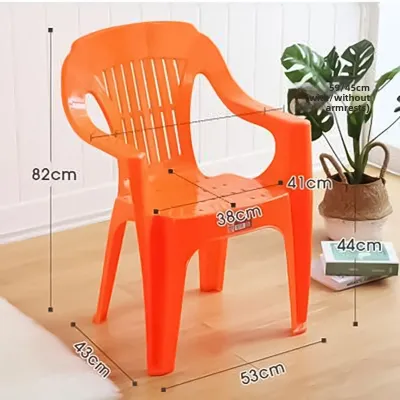
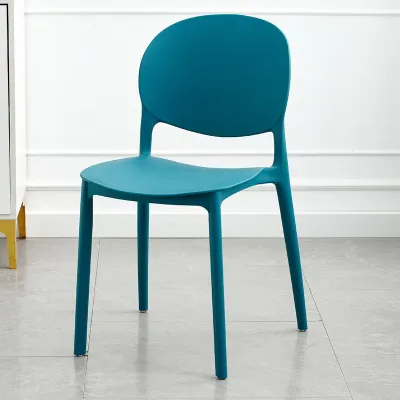
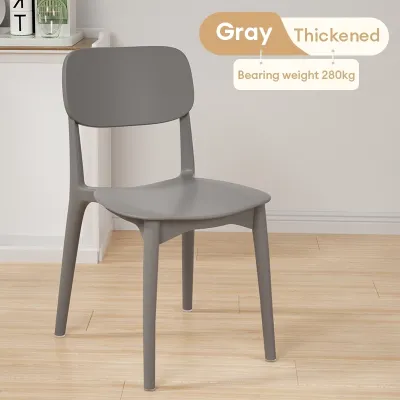
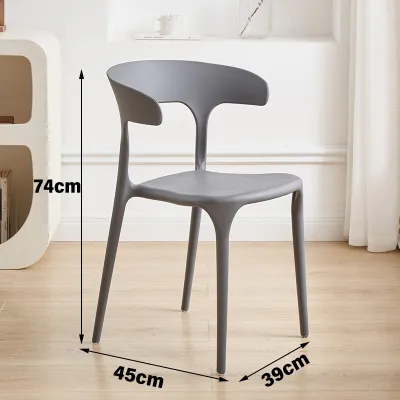
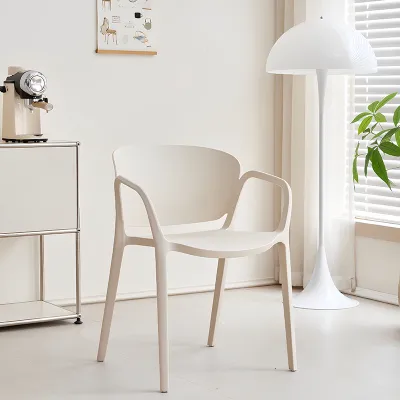
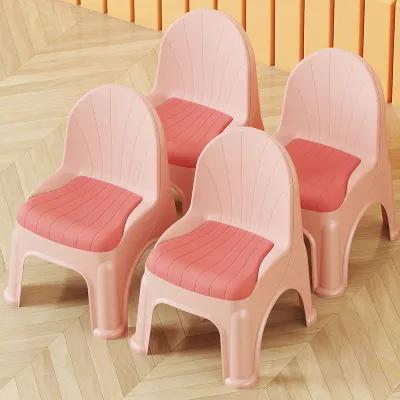
Prices are valid at publication and may change. Please refer to the product page for the latest price.

Beyond climate resilience, plastic dining chairs with backs provide a significant ergonomic advantage over backless stools or benches. A well-designed backrest offers essential lumbar support, which is crucial for extended family dinners or when using the dining table as a temporary work-from-home desk. The physical support reduces fatigue and encourages a natural sitting posture.
Furthermore, the lightweight nature of polymer materials makes these chairs highly practical for space management in compact HDB flats and condominium layouts. They can be effortlessly rearranged, slid out of the way during cleaning, or moved to other rooms when extra seating is required. This adaptability ensures that your dining area remains flexible and highly functional.
Top Plastic Dining Chair Styles for Different Home Aesthetics
Modern furniture manufacturing has advanced significantly, allowing polymers to be molded into virtually any shape, texture, or color. This versatility means you can find a plastic chair with back support to suit almost any design theme.
Mid-Century Modern and Retro
The mid-century modern aesthetic celebrates organic curves, clean lines, and playful functionality. Molded plastic shell chairs, often inspired by classic mid-century designs, are a perfect fit for this style. These chairs typically feature a single-piece molded seat and backrest that contours to the body, supported by splayed wooden legs with steel wire bracing (often referred to as “dowel” legs) or tapered metal legs.
To make a statement in a neutral-colored dining room, consider selecting these chairs in bold, retro colors like mustard yellow, olive green, teal, or soft pastel shades. A glossy finish can add a vibrant, retro-chic pop to the space, making the dining area a clear focal point.
However, keep in mind that glossy plastic surfaces are more prone to showing fine hairline scratches, dust, and fingerprints over time. To maintain their appearance, clean them using only soft microfiber cloths and mild, non-abrasive detergents. Avoid harsh scrubbing pads which can permanently dull the polished surface.
Scandinavian and Minimalist
Scandinavian design focuses on simplicity, functional beauty, and a strong connection to natural elements. For this aesthetic, look for seamless, single-piece injection-molded plastic chairs with clean, unembellished silhouettes. Matte finishes are highly preferred over glossy ones, as they diffuse light softly and contribute to a calm, understated atmosphere.
Color palettes should remain strictly monochromatic or earthy. Muted tones such as crisp white, charcoal grey, warm taupe, and sage green work exceptionally well. The visual lightness of these designs ensures they do not dominate the room, maintaining an open and airy feel even in smaller dining spaces.
To complete the look, pair these matte-finish plastic chairs with a dining table made of light-colored wood, such as oak, ash, or beech. The combination of warm, organic wood grain with the clean, smooth surface of the matte plastic creates a balanced, inviting contrast that epitomizes Scandinavian cozy minimalism.
Industrial and Contemporary
Industrial and contemporary spaces often feature raw materials, exposed architectural elements, and a bold, modern edge. In these interiors, plastic chairs can serve as striking structural accents. One popular option is the transparent polycarbonate “ghost” style chair. Because these chairs are completely clear, they provide comfortable back support while remaining virtually invisible, allowing light to pass through and preventing visual clutter in tight dining zones.
Alternatively, for a more rugged industrial look, choose dark matte plastics—such as deep charcoal, navy, or black—paired with raw steel, iron, or black powder-coated wire frames. The contrast between the dark polymer seat and the geometric metal base complements industrial elements like brick walls, concrete floors, and metal light fixtures.
Keep in mind that transparent polycarbonate requires regular maintenance to preserve its crystal-clear look. Dust, oily fingerprints, and water spots show up easily on clear surfaces. Regular wiping with a clean, damp microfiber cloth is necessary to prevent the material from looking cloudy or neglected.
Coastal and Tropical
To capture a relaxed, resort-like feel inside your home or on a covered balcony, look for textured or woven-look resin chairs. These are typically crafted from high-density polyethylene (HDPE) or engineered polypropylene molded to replicate the intricate look of natural rattan, cane, or wicker. Unlike genuine organic fibers, these high-quality synthetic resins offer superior resistance to moisture, spills, and humidity.
Opt for warm, earthy colors such as terracotta, sand, olive, or warm clay to evoke a natural, sun-drenched atmosphere. These chairs pair beautifully with natural teak dining tables, stone surfaces, or light-colored linen accessories.
If you plan to position these chairs near large, sun-drenched windows or on a semi-outdoor balcony, always verify the manufacturer’s UV-resistance ratings. Continuous exposure to intense tropical sunlight can cause non-UV-stabilized plastics to fade, discolor, or become brittle over time. Checking the product specifications beforehand ensures your chairs will withstand the elements.
Essential Specs to Check Before You Buy
Before finalizing your purchase, it is crucial to verify several physical specifications to ensure the chairs are safe, comfortable, and compatible with your existing dining setup.
- Seat Height vs. Table Height: Always measure the height of your dining table before buying chairs. Standard dining tables in Singapore typically stand at around 75 cm high. To sit comfortably, you need a vertical clearance gap of 25 to 30 cm between the top of the chair seat and the underside of the table apron. Since most dining chairs have a seat height between 43 and 46 cm, this ensures adequate legroom and prevents your thighs from pressing against the table structure.
- Weight Capacity and Stability: Do not assume all plastic chairs offer the same structural strength. Always check the manufacturer's official weight capacity, which typically ranges from 100 kg to over 150 kg for commercial-grade models. Look for design features that enhance stability, such as reinforced ribbing underneath the seat pan, thicker legs, or metal cross-bracing. Avoid chairs that feel overly flexible or wobble when light pressure is applied.
- Material Quality: Understanding the type of polymer used is essential. Polypropylene is highly durable, flexible, impact-resistant, and commonly used for matte-finish chairs. Polycarbonate is much stiffer and offers exceptional clarity for transparent designs, but is more prone to scratching. Avoid low-grade, brittle plastics (often found in ultra-budget options) that can crack under sudden loads or degrade quickly in humid environments. Note that a material name alone does not guarantee performance; always check the manufacturer's specific warranty and care guidelines.
- Stackability: If you live in a compact apartment or love to host guests, stackable plastic chairs offer excellent space efficiency. Verify how many chairs can be safely stacked vertically without risking a tip-over. This allows you to store extra seating neatly in a utility closet or balcony corner when they are not in use.
Space Planning and Clearance for Dining Chairs
Proper space planning ensures that your dining room remains functional and easy to navigate. Even the most stylish chairs can become frustrating if they restrict movement or crowd the room.
- Behind-the-Chair Clearance: When a person is seated, they need enough room to push their chair back and stand up comfortably. Allow a minimum clearance of 60 cm from the edge of the dining table to the nearest wall or piece of furniture. If the space behind the dining chairs also serves as a primary walkway or corridor within your home, increase this clearance to at least 90 cm to allow others to pass by safely without disruption.
- Chair Width and Spacing: Measure the widest point of the chair, which is often the splayed legs or flared backrests. To prevent physical clashing and ensure comfortable dining, leave at least 15 cm of space between adjacent chairs. If your table has legs positioned at the corners, measure the clear distance between the table legs to confirm that your chosen number of chairs can slide fully underneath the table when not in use.
- Pre-Delivery Access Checklist: If your plastic chairs are delivered fully assembled, you must ensure they can physically reach your dining room. Measure the finished dimensions of your apartment's entryway, any narrow corridor turns, and especially the elevator door and cabin dimensions. Comparing these measurements against the manufacturer's packaging dimensions will prevent costly delivery failures and ensure a smooth setup process.
Frequently Asked Questions (FAQ)
Are plastic dining chairs comfortable for long meals?
Yes, high-quality plastic dining chairs can be exceptionally comfortable. Modern designs utilize ergonomic molding that contours to the natural curvature of the human spine, while materials like polypropylene offer a slight, comfortable flex under body weight. To enhance comfort for long dinner parties, holiday gatherings, or work sessions, you can easily add removable, tie-on fabric seat cushions. These cushions add soft padding and can be tossed into the washing machine whenever they need cleaning.
How do I clean and maintain plastic chairs in a humid climate?
Maintaining plastic chairs in Singapore’s humid climate is highly straightforward. For routine cleaning, simply wipe the surfaces with a soft microfiber cloth dampened with warm water and a few drops of mild dish soap. Always avoid using abrasive scrubbing sponges, steel wool, or harsh chemical solvents, as these can create microscopic scratches that trap dirt and dull the finish. To prevent hardware rust, periodically check the joints where the plastic seat meets the metal or wooden legs, and ensure these areas are kept dry and free of moisture accumulation.
Can plastic dining chairs support heavy adults safely?
Yes, structurally sound plastic dining chairs are fully capable of supporting heavy adults safely, provided they are manufactured from high-grade polymers like reinforced polypropylene or polycarbonate. When shopping, always verify the manufacturer’s specified weight load limit rather than relying on visual appearance alone. For maximum safety and peace of mind, look for chairs that feature thick, solid-core legs, integrated metal under-seat bracing, or reinforced structural ribs molded directly into the underside of the seat.

Community discussion
Share your experience or ask a question. Comments are reviewed before publication.