
Maximising floor space is a constant priority when furnishing a compact HDB flat or condominium in Singapore. Every piece of furniture must justify its footprint by offering multiple uses, and a multi-functional storage ottoman is one of the most versatile additions you can make to your home. By serving as a comfortable seat, a footrest, a temporary table, and a hidden storage unit, this single item helps eliminate clutter while keeping your living areas open and functional.
Finding the right storage ottoman requires looking beyond aesthetics to evaluate how the piece performs under daily use. Because space is limited, you need to assess specific design features, verify exact physical clearances, and check material specifications to ensure the furniture fits your lifestyle. This guide outlines the essential steps to selecting an ottoman that enhances your home’s storage capacity without overcrowding your rooms.
Identify Space-Saving and Multi-Functional Features
To get the most utility out of a storage ottoman, look for specific design elements that expand its functionality. A highly practical feature is a reversible lid, which features a plush, cushioned seat on one side and a hard, flat wooden tray surface on the reverse. This dual-sided design allows you to transition the piece from a comfortable footrest or extra seat to a stable coffee table in seconds, eliminating the need for a separate tray.
Products mentioned in this guide
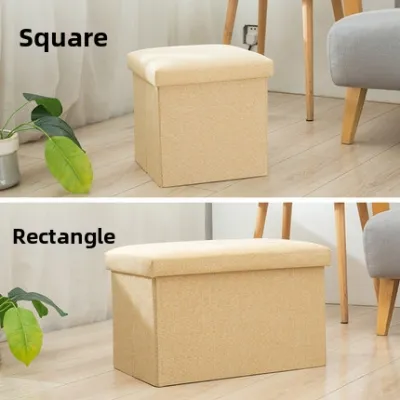
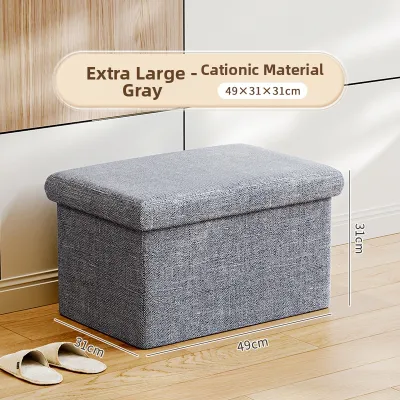
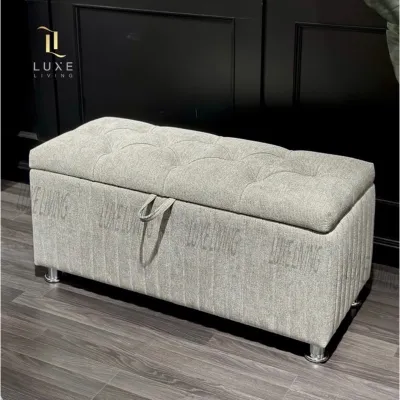
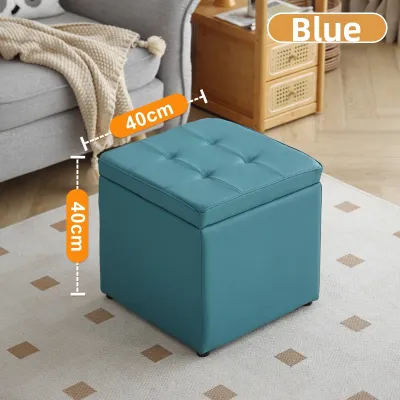
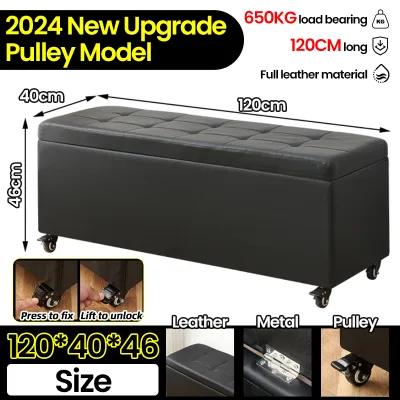
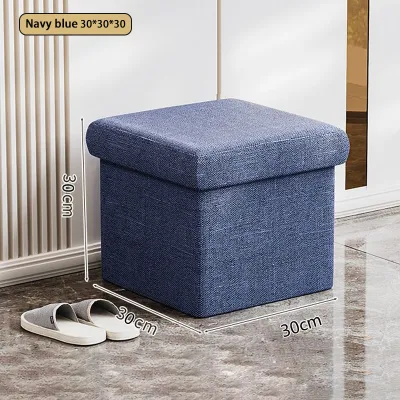
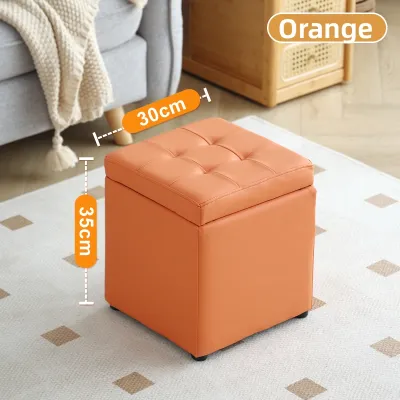
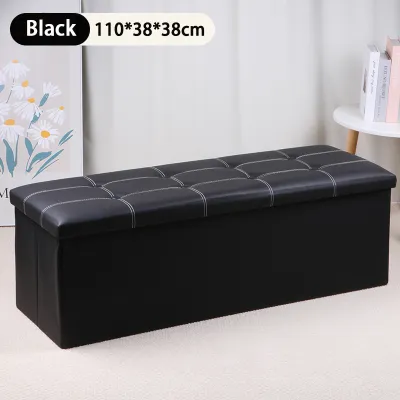
Prices are valid at publication and may change. Please refer to the product page for the latest price.
Internal organisation is another critical factor when evaluating storage capacity. Instead of a single deep compartment where items get lost, look for models that include removable dividers, modular bins, or built-in pockets. These features allow you to categorise smaller items like remote controls, charging cables, and board games, keeping them organised and easily accessible rather than piled in a disorganised heap.
Mobility and structural flexibility also play a major role in small-space layouts. Ottomans equipped with hidden casters allow you to roll the unit out of the way when cleaning or when you need extra floor space for activities. Alternatively, collapsible or folding frames are highly convenient if you only need the ottoman occasionally; however, keep in mind that folding models generally support less weight than solid, fully assembled frames.
Match the Ottoman to Your Specific Room Scenario
An ottoman’s usefulness depends heavily on where you place it and how it interacts with your existing furniture. If you plan to use the storage ottoman as a living room coffee table alternative, check its height relative to your sofa. The top of the ottoman should sit within 2 to 5 centimetres of your sofa cushion height to ensure comfortable leg placement and a balanced visual profile. Additionally, verify that the surface is stable enough to support drinks and plates, either through a built-in tray lid or by adding a wide, flat external tray.

For narrow entryways, a storage ottoman can serve as a practical shoe bench. In this scenario, look for a shallow depth—typically between 30 and 40 centimetres—so the bench does not obstruct the main walkway or block the front door from opening fully. Because people will sit on it daily to put on or take off shoes, prioritise a high weight capacity and a wipeable, easy-to-clean surface that can withstand occasional contact with damp umbrellas or dirty footwear.
In the bedroom, an end-of-bed storage bench provides a dedicated spot to store extra linens, seasonal blankets, or decorative pillows. To maintain proper visual proportions, the length of the ottoman should not exceed the width of your bed frame; ideally, it should span roughly two-thirds to three-quarters of the bed’s total width. Because bedroom storage is often accessed daily, look for durable upholstery that resists pilling and a smooth opening mechanism that does not require heavy lifting.
Verify Dimensions and Spatial Clearances
Before purchasing any furniture, you must measure your available floor space and compare it against the product’s finished dimensions. In Singapore apartments, navigating tight corners, narrow corridors, and small passenger lifts is a common delivery challenge. Measure your front door frame, hallway widths, and lift doors to ensure the fully assembled ottoman can be safely brought into your home without damage.
Next, calculate the clearance required to open and close the storage lid. Hinged lids require vertical clearance and, in some cases, a small gap behind the unit if the hinge tilts backward when open. If you choose a fully removable lid, ensure you have enough adjacent floor or sofa space to set the lid down while you access the interior.
Finally, maintain comfortable walking paths around the furniture to prevent your room from feeling cramped. As a general rule, leave at least 45 to 60 centimetres of clear space between the ottoman and surrounding items, such as the TV console or side tables. This ensures you can walk through the room naturally and sit down comfortably without your knees hitting other surfaces.
Check Material Specifications and Durability Limits
Because a storage ottoman serves as both seating and storage, you must verify its structural limits and material durability. Always review the manufacturer’s stated weight capacity for both the seating surface and the internal storage compartment. A frame made of solid wood or reinforced metal offers greater long-term stability than one constructed from thin particleboard, especially if the unit is used frequently as a bench.
Singapore’s humid tropical climate makes material selection particularly important. Check fabric care labels for moisture resistance and ease of cleaning. If you have pets or young children, look for synthetic performance fabrics or treated textiles that resist stains and scratches, rather than delicate materials that require professional dry cleaning. Synthetic leather is another practical option, as it can be wiped clean with a damp cloth, though you should check that it is rated to resist cracking in warm environments.
Lastly, inspect the hardware and joint construction of the unit. High-quality hinges, such as soft-close or hydraulic safety hinges, prevent the lid from slamming shut unexpectedly, protecting fingers and reducing wear on the frame. Check that the feet or base supports are securely attached and fitted with non-slip pads to protect your flooring from scratches when the ottoman is moved.
Frequently Asked Questions (FAQ)
Can a storage ottoman completely replace a coffee table?
Yes, a storage ottoman can replace a traditional coffee table, provided you choose a model with a stable, flat surface. While standard coffee tables offer a rigid top for writing or placing cups, an ottoman requires a reversible tray lid or a sturdy external tray to prevent drinks from tipping over on the cushioned upholstery. Additionally, ensure the height matches your sofa cushions so you do not have to reach too far down to access items on the surface.
How do I prevent a storage ottoman from looking bulky in a small room?
To keep a storage ottoman from visually overwhelming a small room, select a design with raised legs rather than a solid block base that sits flat on the floor. Exposing the floor underneath creates an illusion of openness and light. Additionally, choose light, neutral colours that coordinate with your walls or flooring, and opt for rounded or oval shapes, which soften the room’s flow and make walkways feel wider.

Community discussion
Share your experience or ask a question. Comments are reviewed before publication.