
Finding the perfect balance between seating and storage is a common challenge in Singapore HDB flats, where every square meter counts. The best multi-functional storage benches for these compact spaces are those that integrate hidden compartments, shoe racks, or modular seating without encroaching on vital walkways. By selecting a unit tailored to your specific layout, you can keep clutter out of sight while ensuring your home remains open, functional, and easy to navigate.
How to Choose the Right Storage Bench for Compact Spaces
Before purchasing a storage bench, you must define its primary role and placement zone within your home. An entryway bench requires a shallow depth to keep the foyer clear, whereas a dining nook bench can afford a deeper profile to ensure comfortable seating during meals. If you plan to place the bench at the foot of your bed, its height should align with your mattress level to maintain a cohesive visual flow.
Next, balance your household’s seating needs against your specific storage pain points. If you are a multi-generational family, you will need a bench with a high weight capacity and easily accessible compartments for daily footwear. For single occupants or couples, a smaller unit dedicated to seasonal items like winter wear or spare bedding might be more appropriate.
Products mentioned in this guide
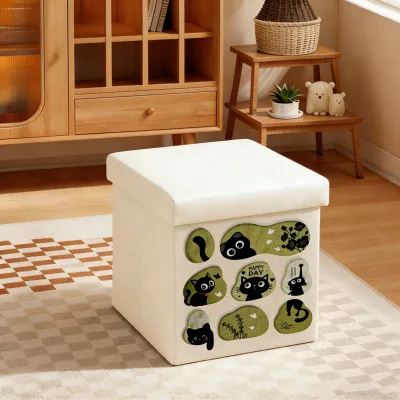
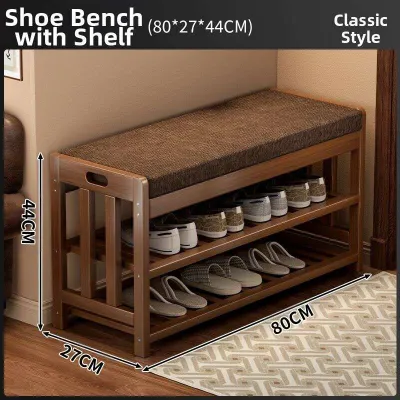
Prices are valid at publication and may change. Please refer to the product page for the latest price.
Finally, establish a precise baseline for your available floor space. Do not rely on visual estimation; instead, use a physical measuring tape to map out the exact footprint. Remember to account for architectural features such as skirting boards, electrical outlets, and built-in wardrobe doors that could prevent the bench from sitting flush against the wall.
Key Design Types for Small HDB Layouts
Multi-functional benches come in several distinct configurations, each designed to address specific spatial challenges in compact apartments. Understanding these design types allows you to match your storage needs with the physical limitations of your floor plan before browsing online furniture stores or visiting local showrooms. The way a bench opens and configures dictates where it can be placed and how much clearance it requires.

Lift-Top and Hidden Compartment Benches
Lift-top benches feature a hinged or hydraulic lid that opens upward, revealing a deep, undivided storage chest underneath. This design is highly effective for storing bulky, lightweight items such as extra pillows, blankets, or travel bags. However, because the lid opens upward, you must ensure there is sufficient vertical clearance and that the bench is not positioned directly beneath low-hanging wall shelves, artwork, or light fixtures.
Safety is a critical factor when selecting a lift-top model, especially in households with young children or pets. Look for units equipped with soft-close hydraulic hinges or lid supports that hold the top open at various angles. These mechanisms prevent the heavy lid from slamming shut unexpectedly, reducing the risk of pinched fingers or sudden impacts.
Inside the compartment, check for adjustable partitions or modular dividers. A single, massive cavity can quickly become a chaotic pile of miscellaneous items. Having internal dividers allows you to categorize your belongings, making it much easier to retrieve specific items without emptying the entire bench.
Shoe Storage and Entryway Benches
For narrow HDB foyers, an entryway bench that doubles as a shoe rack is an excellent way to keep daily footwear organized and off the floor. When comparing these benches, evaluate whether slatted shelves or solid cabinets suit your lifestyle better. Slatted shelves promote air circulation, which helps dry damp shoes and prevents odor buildup, but they can allow dust and dirt from the soles to fall onto the floor below. Solid cabinets offer a cleaner look but require regular cleaning to manage dust accumulation.
Pay close attention to the depth of the shoe compartments. Standard shoe benches often have a depth of 30 to 35 centimeters, which accommodates most average shoe sizes. If members of your household wear larger footwear, verify that the shoes can be stored straight or if they must be angled, which reduces the overall capacity of the unit.
Stability is paramount for entryway benches, as users will constantly sit down, stand up, and lean forward to tie their shoes. Check the manufacturer’s specifications for the base width and overall weight distribution. A bench with a narrow base or top-heavy construction poses a significant tip-over risk when someone sits on the edge.
Foldable and Modular Seating
If your HDB flat frequently hosts guests but has limited everyday space, foldable or modular storage benches offer maximum flexibility. These units can be collapsed flat when not in use or separated into individual stools that nest neatly inside a larger frame. When evaluating foldable designs, inspect the folding mechanisms and check for the presence of secure locking pins that prevent the unit from collapsing while occupied.
Portability is another key consideration for modular furniture. The bench should be lightweight enough for a single person to move, lift, and reconfigure without straining their back. Look for models with integrated side handles or lightweight internal frames made of reinforced plastics or aluminum.
However, frequent folding and unfolding can put significant stress on joints and hinges. Examine the connection points to ensure they are secured with robust metal screws rather than simple plastic snaps. High-use modular furniture requires durable hardware to withstand the wear and tear of constant reconfiguration.
Essential Sizing and Clearance Checks for HDB Flats
In a compact HDB flat, a difference of just a few centimeters can determine whether a piece of furniture fits comfortably or blocks a major thoroughfare. To avoid delivery-day disappointment, you must perform systematic sizing and clearance checks before making a purchase.
Begin by measuring the exact footprint of the area where you plan to place the bench. Do not just measure the floor; measure the wall space behind it as well. Skirting boards can protrude by one to two centimeters, preventing a flat-backed bench from sitting flush against the wall. If your bench has a lift-top lid that leans back slightly when opened, you will need to position the unit slightly forward, increasing its overall depth requirement.
Next, calculate the required walkway clearance around the bench. In Singapore, standard residential safety guidelines recommend maintaining a clear path of at least 90 to 100 centimeters in main corridors and entryways. This ensures that household members can move freely without bumping into furniture, and it guarantees an unobstructed escape route in the event of an emergency. If your entryway is exceptionally narrow, look for ultra-shallow benches with a depth of 25 to 30 centimeters.
Finally, map out the operational clearance of all surrounding elements. Open the doors of adjacent built-in wardrobes, kitchen cabinets, or room entryways to ensure they do not collide with the bench. If you choose a bench with pull-out drawers or front-opening doors, measure the distance required to fully extend these compartments. You should be able to stand comfortably in front of the open drawer without being pinned against the opposite wall.
Material, Upholstery, and Maintenance Checks
The materials you choose for your storage bench will directly impact its longevity, safety, and appearance in Singapore’s warm, humid climate. High humidity levels can accelerate the wear of certain fabrics and cause low-quality wood composites to warp or degrade.
When evaluating upholstered benches, check the manufacturer’s specifications for the fabric’s rub count, which indicates its resistance to surface wear. For a high-traffic item like an entryway bench, look for a Martindale rating of at least 15,000 rubs. Additionally, verify if the fabric has been treated for stain resistance, or check the cleaning codes to see if the upholstery can be spot-cleaned with water or mild detergents. Removable, machine-washable cushion covers are highly recommended for households with pets or young children.
The structural frame of the bench must be robust enough to support multiple seated adults. Inspect the joints of the unit; high-quality benches feature dowelled, screwed, or corner-blocked joints rather than simple glued or stapled connections. If the frame is made of engineered wood, such as medium-density fibreboard (MDF) or particleboard, ensure it is fully sealed with a water-resistant laminate or veneer to prevent moisture absorption.
For solid wood frames, review the care instructions carefully. Unsealed wood can absorb atmospheric moisture, leading to swelling, warping, or mold growth. Regular wiping with a dry microfiber cloth and maintaining good indoor ventilation will help preserve the finish and structural integrity of your wooden furniture over time.
Building Your Shortlist: Features to Compare
Once you have narrowed down your options based on size and material, it is time to compare the finer details of each product to build your final shortlist. These practical considerations can greatly affect your overall satisfaction with the purchase.
First, evaluate the assembly requirements. Some storage benches are delivered fully assembled, while others arrive flat-packed and require extensive self-assembly. Check if the product listing includes the necessary tools, such as Allen keys or specialized wrenches, and read customer feedback regarding the clarity of the instruction manual. If you are not confident in your DIY skills, check if the retailer offers professional assembly services and note any associated fees.
Second, carefully review the warranty terms and return policies. A reputable manufacturer should offer a warranty that covers structural defects, frame warping, or hardware failure for at least one year. Additionally, verify the delivery terms for high-rise buildings. In Singapore, some delivery services charge additional fees in S$ if the item does not fit into the HDB lift and must be carried up the stairs. Always measure your lift door dimensions and corridor clearance before scheduling a delivery.
Lastly, look for extra functional features that add value to your daily routine. Some modern benches come with built-in USB charging ports, making them ideal for use as a phone-charging station near the entryway. Others feature adjustable leveling feet, which are essential for stabilizing the bench on slightly uneven tiled floors. Removable cushion covers, integrated umbrella holders, or side pockets for mail can also elevate the utility of your storage bench.
Frequently Asked Questions (FAQ)
How much weight can a standard storage bench safely hold?
To determine the exact weight capacity of a storage bench, always refer to the manufacturer’s specification sheet, product label, or user manual. Do not rely on visual estimates or generic assumptions. It is important to distinguish between static load, which refers to the weight of items stored inside the compartment, and dynamic load, which is the active weight of people sitting down on the bench. Overloading the bench can lead to structural sagging, joint stress, or complete failure over time. Regularly inspect the joints and support beams for any signs of bowing or loosening screws.
Are storage benches suitable for HDB bomb shelters or narrow common corridors?
When placing furniture outside your flat, you must strictly adhere to the current guidelines set by the Housing & Development Board (HDB) and the Singapore Civil Defence Force (SCDF). Common corridors must maintain a minimum clear escape passage of 1.2 meters, and placing large storage benches in these areas is generally prohibited due to fire safety hazards. For household shelters (bomb shelters) inside the flat, ensure that any placed furniture does not block the heavy steel door or ventilation sleeve. If you require storage in tight internal walkways, opt for low-profile, shallow-depth units that do not obstruct daily movement.

Community discussion
Share your experience or ask a question. Comments are reviewed before publication.