
To maximize a small HDB kitchen, the most effective multi-functional folding kitchen storage solutions are wall-mounted drop-leaf tables, collapsible multi-tier shelving units, and fold-down cabinet organizers. These systems allow you to dynamically adjust your floor and counter space based on your immediate cooking or prepping needs. However, successfully integrating these space-savers into a typical BTO or resale HDB flat requires careful planning. You must balance the physical dimensions of the furniture with the structural realities of your walls, walkways, and existing cabinetry.
Assessing Your HDB Kitchen Space and Structural Constraints
Before purchasing any folding furniture, you must accurately assess the physical boundaries of your kitchen. Begin by measuring the available floor area and wall surfaces with a standard tape measure. Identify underutilized “dead zones,” such as the narrow gap between your refrigerator and the wall, the empty space above your microwave, or unused corner areas. These spots are prime locations for narrow, collapsible utility carts or fold-out racks that can be tucked away when not in use.
Next, map out the operational pathways in your kitchen. Draw a simple layout diagram showing the swing arcs of your refrigerator doors, oven doors, and service yard entryways. You must ensure that even when a folding table or rack is fully expanded, it does not block these pathways or trap you in a corner. A folding unit that impedes your movement during active cooking creates a safety hazard, particularly when you are handling hot cookware or sharp utensils.
Products mentioned in this guide
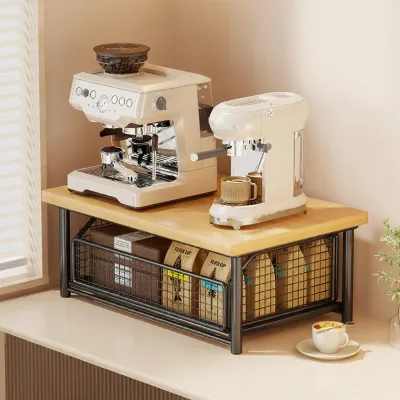
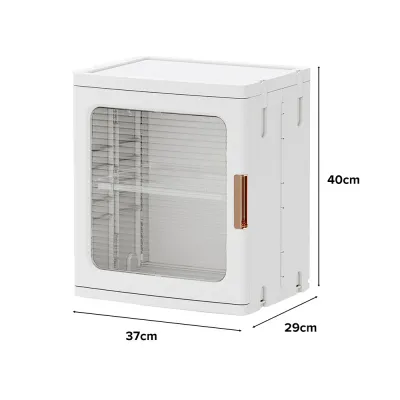
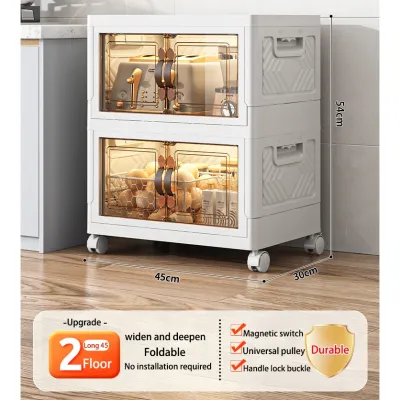
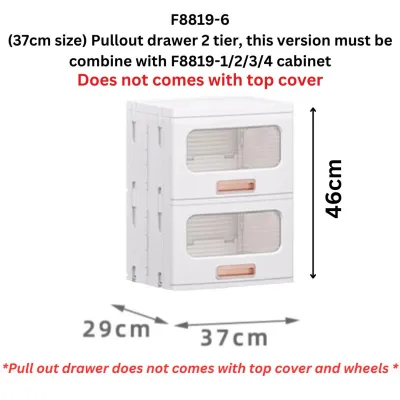
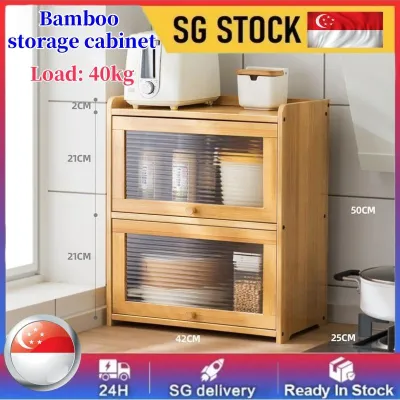
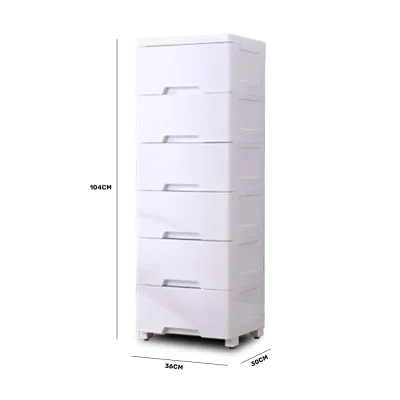
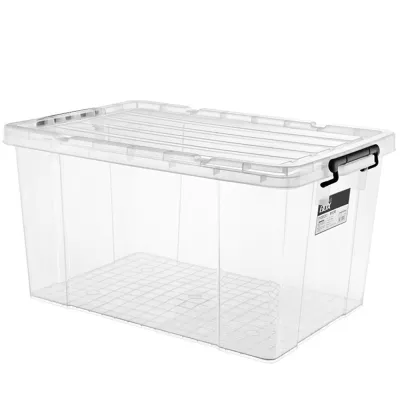
Prices are valid at publication and may change. Please refer to the product page for the latest price.
Structural integrity is the most critical factor for wall-mounted installations in Singapore public housing. HDB flats feature different wall types, primarily reinforced concrete structural walls and non-structural partition walls. Structural walls are exceptionally strong but require specialized masonry drill bits and heavy-duty anchors to mount heavy items. Conversely, partition walls cannot support high pull-out forces without proper reinforcement. You must refer to your official HDB floor plan—where structural walls are indicated by thick black lines—and consult HDB’s prevailing renovation guidelines before drilling to avoid damaging hidden utility conduits or compromising structural integrity.
Top Multi-Functional Folding Storage Categories for Compact Layouts
Selecting the right category of folding storage depends on whether you need temporary prep space, flexible shelving, or improved internal cabinet organization. Each type addresses a distinct spatial challenge in small HDB kitchens.

Wall-Mounted Folding Prep Tables and Drop-Leaf Counters
Wall-mounted drop-leaf tables and folding prep stations are excellent for adding temporary horizontal workspace without permanently occupying floor area. These units feature a hinged tabletop that folds flat against the wall when not in use, protruding only a few centimeters into your walkway. They provide a convenient surface for chopping vegetables, sorting groceries, or enjoying a quick breakfast in a tight kitchen.
Because these tables are subjected to downward physical force during use, secure anchoring is vital. You must verify the exact material of your wall before mounting. For solid concrete walls, use heavy-duty steel brackets paired with concrete sleeve anchors or expansion bolts. If you are mounting to a partition wall, you must locate the internal studs and use appropriate heavy-duty toggle bolts, or install a backing board to distribute the weight. Never rely on standard plastic wall plugs for load-bearing folding mechanisms.
Always check the manufacturer’s specified maximum weight capacity and the folded depth of the unit before buying. A high-quality bracket system should lock securely into place with an audible click or a dedicated locking pin. If the folded depth exceeds 5 to 8 centimeters, it may still present an obstruction in highly restricted galley kitchens, so look for ultra-slim profiles.
Collapsible Tiered Shelving and Expandable Rack Systems
Freestanding collapsible tiered shelves offer dynamic vertical storage that can be folded flat and stored away when your storage needs change. These multi-tier units are ideal for holding bulk dry goods, small appliances, or fresh produce baskets. When you need to deep-clean your kitchen floor, you can simply collapse the rack and slide it out of the way, eliminating the heavy lifting associated with traditional static shelving.
For countertop organization, expandable dish drying racks and adjustable pot organizers allow you to customize your storage footprint. These systems can expand to accommodate a large load of hand-washed dishes after a family dinner, and then compress to half their size to keep your sink area clear during daily meal prep.
When evaluating these racks, prioritize base stability. Kitchen tiles in Singapore can become slippery due to humidity and cooking grease. You must check that the unit features robust anti-slip rubber or silicone feet. If the rack is tall and narrow, verify the stability of its locking joints to ensure it will not buckle or tip over when fully loaded with heavy ceramic tableware or cast-iron cookware.
Fold-Down Cabinet Organizers and Door-Mounted Racks
The interiors of your standard HDB kitchen cabinets often contain wasted vertical space and hard-to-reach depths. Door-mounted folding racks utilize the unused space on the back of cabinet doors to store lightweight items like spices, cutting boards, or cleaning supplies. These racks fold flat or swing outward when the door is opened, keeping everyday essentials within arm’s reach.
For deep upper or lower cabinets, pull-out or fold-down pantry inserts bring items from the dark back corners directly to the front. These mechanical inserts lower the shelves to eye level or slide them outward, reducing the need to bend down or climb a step stool to find ingredients.
Before installing any door-mounted or internal folding hardware, you must measure the internal cabinet depth and clearance with absolute precision. Ensure there is enough clearance inside the cabinet for the door to close fully with the rack attached. Additionally, check the weight capacity of your existing cabinet hinges. Adding heavy steel folding racks to standard cabinet doors can strain the hinges, leading to misaligned doors, sagging, or permanent damage to the cabinet carcass.
Critical Dimensions and Clearance Guidelines for Folding Kitchen Storage
To ensure your folding kitchen storage units operate safely and smoothly, you must adhere to strict dimensional guidelines. In a compact HDB kitchen, maintaining a clear aisle is essential for safe movement. As a general rule, aim for a minimum walkway clearance of 90 to 100 centimeters. This allows one person to pass comfortably or work at the counter without feeling restricted. When a folding table or rack is fully deployed, the remaining aisle space should not drop below 70 centimeters, which is the absolute minimum required for safe physical movement.
You must calculate the complete “operational footprint” of any folding unit before making a purchase. This footprint includes the folded depth, the fully extended length, and the dynamic path the unit takes as it transitions between states. For example, a drop-leaf table that is 80 centimeters long when open requires at least 80 centimeters of clear space in front of the wall, plus an additional 60 to 70 centimeters of standing room for the user. Do not just measure the static open and closed states; ensure the swinging path of the leaf does not strike nearby cabinets or appliances during adjustment.
Vertical clearance is equally critical, particularly for wall-mounted units. Ensure that a fold-down table does not block access to lower drawer pulls or electrical wall outlets when it is folded flat. Conversely, when the table is open, it must not interfere with the operation of upper cabinet doors, range hoods, or wall-mounted fans.
Never rely on vague marketing terms like “space-saving,” “compact,” or “apartment-friendly.” These labels are subjective and do not guarantee a fit for your specific HDB layout. Always obtain the exact finished dimensions—including width, depth, height, and folded profile thickness—from the manufacturer’s technical specification sheet. Compare these figures directly against your physical measurements to ensure a precise, hazard-free fit.
Common Sizing and Installation Mistakes to Avoid
One of the most frequent mistakes is overlooking the “folded profile” thickness of wall-mounted furniture. While a table leaf might be thin, the heavy-duty folding brackets behind it often add 5 to 10 centimeters of thickness when closed. In a narrow galley kitchen, this unexpected protrusion can lead to painful hip or shoulder bumps as you walk past. Always factor the combined thickness of the board and the brackets into your clearance calculations.
Another severe hazard is overloading folding hinges beyond their rated weight limits. Every folding mechanism relies on mechanical joints that have specific structural limits. Exceeding these limits—such as placing heavy kitchen appliances like stand mixers or microwave ovens on a lightweight drop-leaf table—can lead to sudden mechanical failure, causing the table to collapse, damaging your items, or causing personal injury. Always respect the manufacturer’s load limits and distribute weight evenly across the surface.
Environmental placement is also a common oversight. You must avoid installing folding units too close to high-heat sources, such as gas hobs, or high-moisture zones, such as the immediate splash area of your sink. High heat can warp wooden surfaces and degrade plastic components, while constant moisture can cause rust on metal hinges and brackets. You must verify the material’s heat and moisture resistance by checking the product’s care label and manufacturer instructions before finalized placement.
Finally, never attempt to mount heavy folding furniture directly onto hollow drywall or unverified partition walls without proper structural reinforcement. Standard plasterboard cannot bear the dynamic downward force and leverage exerted when a folding table is used. If you are unsure about your wall type, always consult a qualified professional contractor or an HDB-licensed renovator to assess the wall and install the necessary support structures.
Frequently Asked Questions (FAQ)
Can I drill into HDB kitchen walls to mount heavy folding storage?
Yes, but you must proceed with caution. HDB kitchen walls often house concealed water pipes, electrical conduits, and gas lines. Additionally, structural reinforced concrete walls require specialized tools to drill safely. You must refer to your flat’s original floor plan to identify structural elements and consult HDB’s official renovation guidelines. For heavy installations like drop-leaf tables, it is highly recommended to hire a qualified, HDB-registered contractor who can use pipe detectors and proper anchoring hardware to ensure a safe, compliant installation.
How should I maintain folding mechanisms in a humid kitchen environment?
Singapore’s tropical climate and kitchen steam create a high-humidity environment that accelerates rust and stiffens metal joints. You must perform regular visual inspections of all hinges, brackets, and sliding tracks to check for rust, dust, or grease buildup. Wipe down the metal parts with a clean, dry microfiber cloth after cooking or washing dishes to remove condensation. If the mechanism becomes stiff, apply a small amount of manufacturer-approved lubricant to the moving joints as specified in the product’s care instructions. Avoid using harsh chemical cleaners or abrasive pads, which can strip away protective anti-corrosion coatings.

Community discussion
Share your experience or ask a question. Comments are reviewed before publication.