
Singapore’s modern residential landscape, particularly build-to-order (BTO) public housing flats and newer private condominiums, prioritises efficient layouts over expansive floor areas. In these compact homes, traditional furniture pieces that serve only one function can quickly lead to spatial bottlenecks. Entryways are often reduced to narrow corridors, and bedrooms must accommodate wardrobes, beds, and walkways within strict square-footage limits. When floor space is at a premium, clutter accumulates rapidly, disrupting both the aesthetic and the daily flow of the household.
A multi-functional bench organizer addresses these challenges by merging two essential home elements: supportive seating and structured storage. Instead of dedicating separate zones for a shoe rack and an entryway stool, or a bedroom chest and a vanity chair, a dual-purpose bench consolidates these needs into a single footprint. This integration helps maintain clean sightlines, which is a vital design strategy for making small rooms appear larger and more open.
Selecting the ideal organizer requires looking beyond aesthetics to analyze the specific storage bottleneck of each room. For instance, a home struggling with scattered footwear near the front door demands a different bench configuration than a bedroom requiring deep, dust-free storage for winter bedding or extra linens. By matching the internal storage mechanism to the specific items you need to organize, you can maximize every square centimetre of your living space.
Products mentioned in this guide
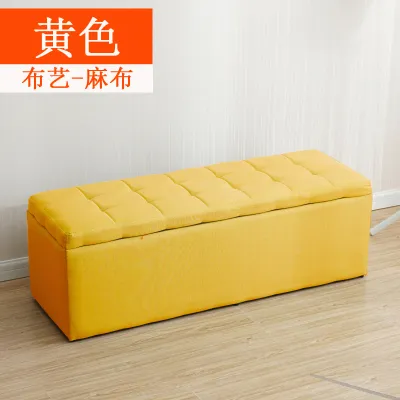
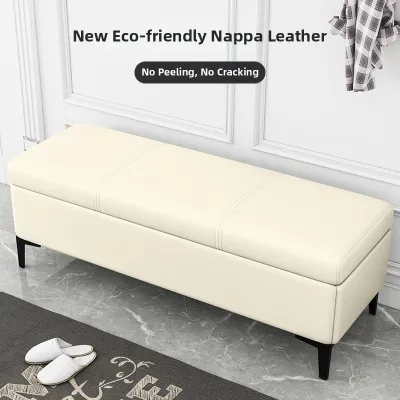
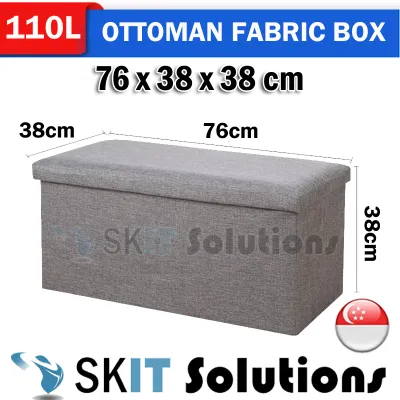
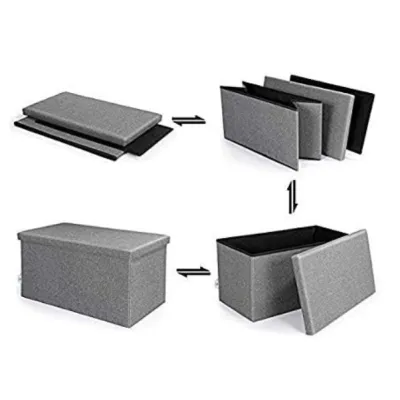
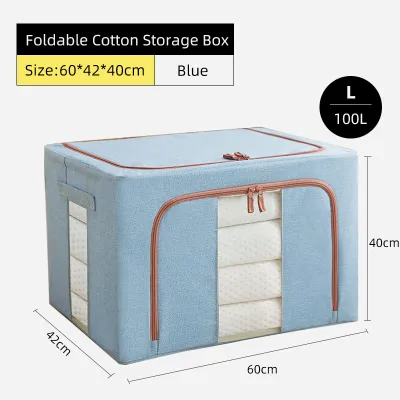
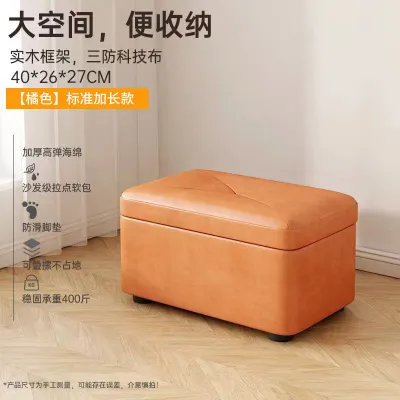
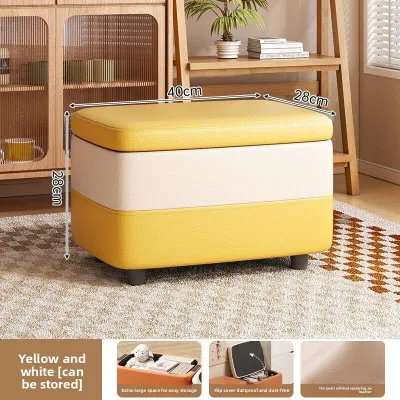
Prices are valid at publication and may change. Please refer to the product page for the latest price.
Core Features to Evaluate Before You Buy
Dimensions and Proportions
Before browsing online catalogs or visiting showrooms, you must obtain precise measurements of your intended space. Use a physical measuring tape rather than relying on visual estimation. When planning for an entryway, measure the total width of the foyer and calculate the clearance required for your front door and metal gate to swing open fully without striking the bench. For walkways, ensure that placing the bench still leaves a comfortable path of at least 90 centimetres. Additionally, consider the height of the bench; a standard seating height of 40 to 45 centimetres is generally comfortable for most adults to sit and tie their shoes.
Storage Mechanisms
The way a bench opens and organizes items determines its daily utility. Lift-up lids feature a top seat that hinges upward, revealing a deep, open chest cavity. This design is highly effective for bulky, lightweight items like seasonal duvets, decorative cushions, or sports gear, though it requires you to stand up and clear the seat before accessing the interior. Drawers, on the other hand, pull out horizontally, allowing you to access contents while someone is seated. They are excellent for categorizing smaller household items, keys, or accessories, but they require sufficient floor space in front of the bench to slide open completely. Open shelving or slatted tiers offer instant visibility and constant airflow, making them the preferred choice for daily footwear, though they expose your shoes to view and do not protect them from dust.
Material and Finish Verification
In Singapore’s tropical climate, material selection directly affects the longevity of your furniture. While solid wood, engineered wood, and upholstered fabrics are popular, the material name alone does not guarantee resistance to high humidity or wear. You must check the manufacturer’s care labels and product specifications for protective finishes. For example, look for moisture-resistant sealants on wooden surfaces to prevent warping, and verify the upholstery cleaning codes for fabrics. Synthetic blends like polyester or treated performance fabrics are generally easier to wipe down and maintain than delicate natural fibres, which may absorb ambient moisture and become prone to staining or mould if left untreated. Additionally, check if metal components have been treated with anti-rust coatings, which is particularly important if the bench is located near open windows or in semi-outdoor areas like balconies.
Hardware and Hinges
The quality of the moving parts is a critical factor in both safety and durability. For any bench featuring a lift-up lid, verify that it is equipped with high-quality soft-close hinges or safety gas struts. These mechanisms prevent the heavy seat from slamming shut unexpectedly, protecting fingers—especially in households with children—and reducing wear on the frame. Check the hardware specifications to ensure the hinges are rated for frequent, daily use and can hold the lid open independently at various angles while you retrieve items from the storage compartment.
Best Bench Configurations for Different Rooms
Entryway Shoe and Drop-Zone Organizers
The entryway serves as the transition point between the outdoors and the comfort of your home, making it highly susceptible to clutter from shoes, bags, and daily essentials. An optimal entryway bench organizer features a hybrid configuration: open lower shelves or slatted tiers that allow wet or dusty daily footwear to dry and ventilate naturally, combined with a closed upper drawer or compartment. This closed storage keeps smaller items like keys, umbrellas, mail, and shoe horns organized and out of sight, creating a tidy “drop zone” immediately upon entering.

When positioning a bench in a narrow entryway corridor, depth is the most critical dimension. A bench that is too deep will restrict movement and turn a high-traffic zone into a physical bottleneck. Look for slim-profile designs with a depth of 30 to 35 centimetres, which provide adequate seating support without protruding excessively into the walkway. To further consolidate your entryway storage, consider models that feature integrated side hooks for hanging bags and hats, or a recessed top tray that keeps keys from sliding off the edge.
Bedroom Linen and Blanket Storage
Compact bedrooms often struggle to accommodate bulky items such as spare pillows, heavy blankets, and seasonal winter wear. An end-of-bed storage bench utilizes the often-underused space at the foot of your bed frame, providing a seamless extension of your sleeping area while offering substantial storage capacity. A lift-top configuration is highly suited for this space, as it allows you to store larger, soft items that do not require daily retrieval.
Before purchasing an end-of-bed bench, measure the width of your bed frame to ensure the bench does not extend past the sides of the mattress, which can disrupt the visual balance of the room and create a tripping hazard in the dark. It is also essential to verify the interior dimensions of the storage cavity against your specific items; measure your folded duvets or storage vacuum bags to ensure they will fit comfortably inside without forcing the lid shut. Always verify that the lid features robust safety hinges that lock into place, preventing the lid from falling while you arrange heavy linens.
Living Room Flexible Seating and Storage
In small living rooms, adaptability is key to hosting guests comfortably without crowding the space with permanent chairs. Modular or cube-style storage benches offer exceptional flexibility. These units can serve as a footrest, a comfortable seat for visitors, or even a temporary coffee table when topped with a flat, sturdy serving tray. When the gathering is over, the internal compartments conceal living room clutter such as board games, gaming controllers, magazines, and throw blankets.
To maximize the utility of a living room bench, look for lightweight designs or models equipped with lockable caster wheels. This mobility allows you to easily reposition the bench against a wall when you need open floor space for exercise or play, and then roll it back into the centre of the room when extra seating is required. Choosing a modular system also allows you to align multiple smaller units side-by-side or stack them securely according to your changing spatial needs.
Space Planning and Safety Checks for HDBs and Condos
Walkway Clearance
Successful space planning requires maintaining clear, safe pathways throughout your home. In high-traffic areas like entryways and hallways, aim to maintain a minimum clearance of 90 centimetres of unobstructed walkway. If your household includes individuals using wheelchairs, mobility aids, or baby strollers, increase this clearance to 120 centimetres to ensure comfortable turning circles. Before finalizing any purchase, map out the exact footprint of the bench organizer on your floor using painter’s tape. Leave the tape in place for a few days to physically experience how the unit will affect your daily movement and to ensure it does not block access to power outlets, light switches, or distribution boards.
Weight Capacity Verification
A storage bench is primarily a seating surface, meaning its structural integrity is paramount. Never assume a bench’s weight capacity based solely on its size or visual sturdiness. Frame construction plays a decisive role: solid wood and welded metal frames generally support higher loads than lightweight engineered wood panels or plastic-moulded joints. Always locate and verify the manufacturer’s specified maximum weight capacity, which is typically listed on the product label or technical specification sheet. Ensure the rated capacity comfortably accommodates the combined weight of the individuals expected to sit on it simultaneously, along with the weight of the items stored inside.
Humidity and Ventilation
Singapore’s high relative humidity poses a constant risk of mould, mildew, and musty odours inside closed furniture compartments. When selecting a bench with a closed cabinet or lift-top compartment, check for built-in ventilation features such as slatted back panels, ventilation grilles, or small air holes. These openings promote natural air circulation, which prevents stagnant, humid air from trapping moisture inside. To protect sensitive items like leather bags or linens, follow the manufacturer’s care guidelines, and consider placing safe, non-toxic moisture-absorbing sachets or silica gel packs inside the storage compartments, replacing them regularly as they saturate.
Stability and Tipping
Tall, narrow, or multi-tiered bench organizers—especially those featuring integrated coat racks, high shelving, or overhead storage—have a higher center of gravity and pose a potential tip-over risk if unevenly loaded. Inspect the bench’s base to ensure it sits completely flat and stable on your flooring. If the unit is tall or if you have young children or pets who might climb on it, verify whether the manufacturer provides wall-anchoring hardware. When anchoring is required or recommended by the manufacturer, follow the installation instructions precisely to secure the unit to your wall, ensuring the anchors used are appropriate for your specific wall material, such as concrete or drywall.
Frequently Asked Questions (FAQ)
How do I prevent a storage bench from smelling musty in a humid climate?
To prevent musty odours in a humid climate, select a bench with built-in ventilation features, such as slatted doors, open backs, or air vents. Avoid storing damp items, such as wet shoes or raincoats, directly inside closed compartments. Clean the interior regularly according to the manufacturer’s instructions, using a dry or slightly damp cloth, and allow the unit to air out completely in a well-ventilated room. You can also place commercial moisture absorbers or charcoal deodorising bags inside the compartments to capture excess humidity and neutralise odours, ensuring you replace them as recommended by the product instructions.
Can a storage bench support the weight of two adults?
Whether a storage bench can support two adults depends entirely on its frame construction, materials, and the manufacturer’s rated load capacity. Benches constructed with solid wood or reinforced steel frames are typically designed to support multiple seated individuals, whereas lightweight modular units or folding fabric benches may have much lower weight limits. Never estimate or guess the load capacity of a bench. Always consult the manufacturer’s official specifications or product manual to verify the exact maximum weight limit before allowing multiple people to sit on the unit.

Community discussion
Share your experience or ask a question. Comments are reviewed before publication.