
Quick Answer: Core Configuration Strategy for Small Desks
Maximizing a limited workspace in a compact Singapore apartment requires moving storage off the desk surface and into the vertical plane. The most effective modular table rack configuration is a combination of a clamp-on vertical tower and adjustable pegboard panels. This setup preserves your primary desk surface while utilizing the unused airspace above and behind your monitor.
Before selecting specific modules, you must measure your desk depth, wall clearance, and the weight capacity of your desktop material. The core decision path involves assessing your physical space, choosing a layout pattern that matches your workflow, verifying component compatibility across your chosen system, and securing the structure to prevent tipping. By prioritizing vertical stacking and clamp-on extensions, you can expand your storage capacity without expanding your desk’s physical footprint.
Assessing Your Desk Space and Storage Requirements
Designing an efficient desk setup begins with precise physical measurements. In compact HDB flats or condominiums, study corners are often integrated into bedrooms or living room alcoves where every centimeter counts. Start by measuring the exact width and depth of your desktop. Standard compact desks often measure just 60 cm in depth; adding a table rack that is too deep can restrict your keyboard and monitor placement, leaving insufficient room for comfortable typing.
Products mentioned in this guide
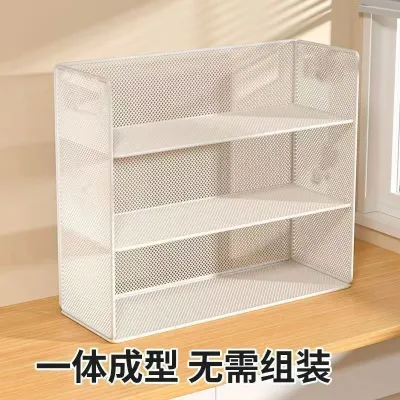
![[SG Seller]Single/Double Layer Desktop Shelves Home Office Desk Bookshelf Organizer Desktop Organizer](https://img.lazcdn.com/g/p/04931f1978f68ce53a4697bd06af4ee9.jpg_400x400q80.jpg_.webp)
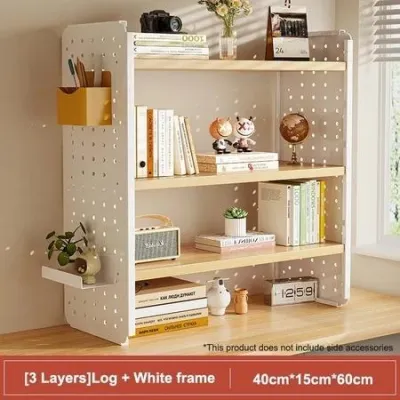
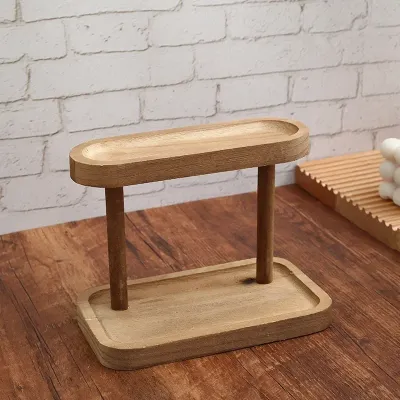
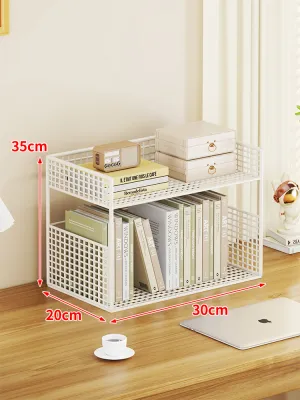
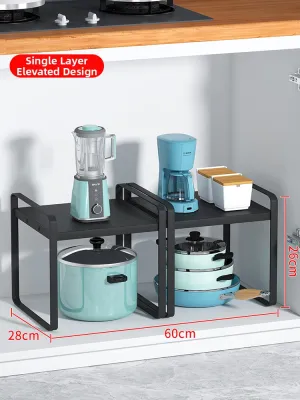
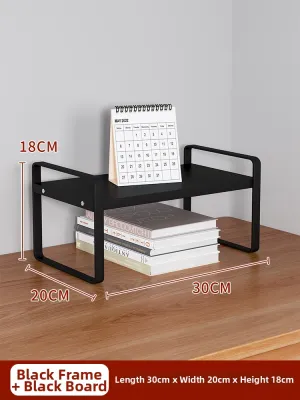
Prices are valid at publication and may change. Please refer to the product page for the latest price.

Next, measure the vertical clearance from the desktop to any overhead obstructions. Note the positions of wall-mounted air conditioning units, window sills, low ceilings, or existing wall shelves. You must also locate your power outlets and cable routing paths. A modular rack should not block access to wall sockets or pinch power cords against the wall.
Once you have your physical dimensions, categorize the items you need to store by weight and frequency of use. Frequently accessed items like stationery, headphones, and daily notebooks should reside within arm’s reach on lower shelves or pegboard hooks. Heavy items, such as reference books or printer paper, require sturdier shelves and must be accounted for when calculating the total load your desk can support.
Optimal Modular Layouts for Compact Workspaces
Vertical Tower Setup
A vertical tower configuration utilizes tall, narrow frames that extend upward rather than outward. This layout is ideal for narrow desks where horizontal space is at a premium. By stacking shelves vertically, you can store books, storage boxes, and decorative items in a footprint no larger than a single textbook. Ensure that the vertical height of the tower does not obstruct your monitor or block natural light from nearby windows.
L-Shaped or Corner Wraps
If your desk is positioned in a corner, an L-shaped modular configuration allows you to reclaim the often-wasted corner space. Corner wraps connect two shelving units at a right angle, creating a continuous storage bridge. This layout keeps your primary work zone directly in front of you completely clear while placing reference materials and hardware within easy reach along the sides.
Under-Desk and Clamp-On Modules
To maximize space without drilling into walls, look for clamp-on or under-desk modules. Clamp-on monitor risers elevate your screen to eye level while creating a hollow storage cavity underneath for keyboards or laptops. Suspended under-desk drawers or wire baskets attach directly to the underside of the desktop, utilizing the empty space above your knees for cable management, power strips, or flat office supplies.
Pegboard and Slatwall Integrations
Combining modular shelving with a vertical pegboard or slatwall panel offers highly flexible, shallow storage. These panels clamp directly to the back edge of your desk, providing a grid where you can mount custom hooks, cups, and mini-shelves. Because pegboards are exceptionally shallow, they keep small tools, cables, and stationery organized without encroaching on your physical desk surface.
Selecting Components and Finishes for Local Conditions
When choosing modular components, structural integrity and environmental durability are paramount. Do not assume a material is durable or stable based on its name alone. Instead, check the manufacturer’s specified load capacity for each bracket, upright frame, and shelf. Heavy-duty steel brackets are necessary for supporting heavy books, while lightweight aluminum or plastic components are suitable for holding stationery and small accessories.
Singapore’s tropical climate and high relative humidity require careful attention to surface finishes. Unprotected metal components can rust quickly over time. Look for product specifications that explicitly state the use of powder coating, rust-resistant treatments, or anodized finishes. For wooden or composite shelves, verify that the surfaces are sealed or laminated to prevent moisture absorption, warping, and mold growth.
Additionally, compare shelf materials based on thickness, verified weight limits, and ease of cleaning. Laminated engineered wood and tempered glass are easy to wipe down, but they must meet the weight requirements of your specific equipment. Finally, verify modular compatibility before purchasing. Check pole diameters, slot spacing, and bracket connection types to ensure that all components from your chosen system lock together securely without wobbling.
Installation, Stability, and Safety Checks
Before assembling your modular table rack, evaluate the structural integrity of your desk. Hollow-core tension desks, glass-top desks, and thin particleboard surfaces may crack or warp under the concentrated pressure of heavy clamp-on modules. If your desk cannot support a clamp-on system, opt for a freestanding, self-supporting rack with a wide, stable base plate.
For tall vertical towers or pegboard setups, implementing anti-tip measures is essential for safety, especially in households with children or pets. Use anti-tip straps, wall anchors, or weighted base plates to secure the top of the rack. When loading your shelves, always place the heaviest items on the lowest levels to maintain a low center of gravity. This simple step significantly reduces the risk of the rack toppling forward during use.
Always follow the manufacturer’s step-by-step assembly instructions and respect the stated maximum load limits. If you encounter restricted drilling rules in a rented apartment, or if you are unsure of your wall material (such as drywall versus concrete), stop the installation. In these scenarios, consult your landlord, check your tenancy agreement, or hire a qualified local handyman to ensure the installation is safe and compliant.
Frequently Asked Questions (FAQ)
Can I mix modular rack components from different brands?
Mixing modular components from different brands is generally not recommended unless the manufacturers explicitly state they use a universal standard. Even minor differences in pole diameters, slot spacing, or connector shapes can prevent components from locking together securely. Attempting to force incompatible parts together can compromise the structural integrity of the rack, void product warranties, and lead to sudden structural failure under load. Always check the manufacturer’s compatibility guidelines before mixing parts.
How do I prevent a tall table rack from tipping over on a small desk?
To prevent a tall table rack from tipping, secure it using heavy-duty desk clamps, anti-tip straps, or wall anchors. Always distribute weight safely by placing your heaviest items, such as books or printers, on the lowest shelves to keep the center of gravity low. Avoid overloading the upper shelves, and strictly adhere to the manufacturer’s maximum weight limits. If your desk is positioned against a wall, anchoring the top of the rack directly to a wall stud provides the highest level of stability.

Community discussion
Share your experience or ask a question. Comments are reviewed before publication.