
Placing a shoe rack outside your home in Singapore requires careful material selection due to the relentless tropical climate. The combination of intense afternoon sun, sudden torrential downpours, and year-round high humidity will quickly degrade standard indoor furniture. To ensure your outdoor footwear storage survives the elements at your doorstep or corridor, you must prioritize materials engineered to resist moisture absorption, rust, and ultraviolet (UV) degradation. While no single material is entirely indestructible, powder-coated metals, UV-stabilized plastics, and specially sealed outdoor-grade woods offer the most reliable performance when verified against specific manufacturer standards.
Understanding the Tropical Weather Impact on Outdoor Storage
Singapore’s climate presents a unique set of challenges for outdoor furniture. High relative humidity, which frequently hovers above 80 percent, creates a persistent damp environment. Porous materials like untreated wood, standard fiberboard, or low-grade bamboo absorb this airborne moisture rapidly. Over time, this absorbed water causes the fibers to swell, warp, and split, creating an ideal breeding ground for mold, mildew, and fungal rot that can ruin both the rack and your footwear.
Direct and indirect sunlight also poses a significant threat, especially in semi-outdoor spaces like common corridors, balconies, and open doorsteps. Ultraviolet (UV) radiation from the sun breaks down the chemical bonds in untreated plastics and surface finishes. This process, known as photodegradation, leads to severe color fading, surface chalking, and structural brittleness. A plastic rack that feels sturdy when new can become fragile and crack under the weight of a few pairs of shoes after just a few months of sun exposure.
Products mentioned in this guide
![UnihomSG[Ready Stock] Steel Material Easy Assemble 5 Tier Storage Shoe Rack Indoor & Outdoor 五层鞋架](https://img.lazcdn.com/g/p/431c374f039c57fed64e2e7441e9687f.jpg_400x400q80.jpg_.webp)
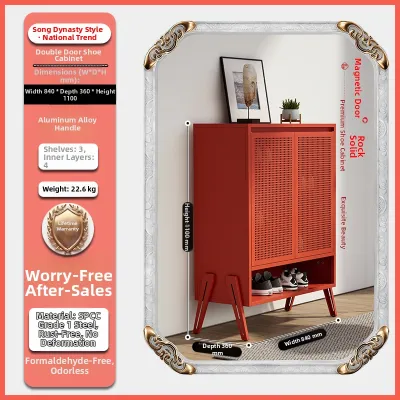
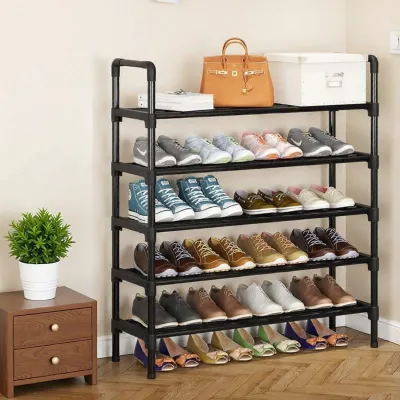
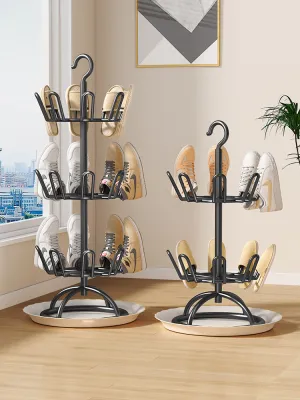
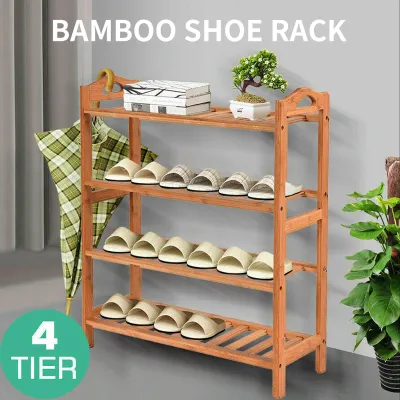
Prices are valid at publication and may change. Please refer to the product page for the latest price.
Beyond weather resistance, physical space and local regulations dictate what you can place outside your home. In Singapore, housing estates—particularly HDB flats and private condominiums—have strict guidelines regarding corridor clearance and fire safety. For instance, regulations typically require maintaining a minimum clear passage of 1.2 meters along common corridors to ensure safe evacuation during emergencies. Before purchasing any outdoor shoe rack, you must measure your available space precisely and verify that the unit will not obstruct walkways or violate estate rules.
Evaluating Common Shoe Rack Materials for Humid Environments
Selecting the right outdoor shoe rack requires a systematic evaluation framework rather than relying on generic product labels. Many products are marketed as “outdoor-friendly” or “heavy-duty,” but these terms are often subjective and lack standardized testing. To make an informed decision, you must evaluate materials based on four primary criteria: rust resistance, UV stability, mold prevention, and structural weight capacity.

It is crucial to understand that a material’s name alone does not guarantee its performance in a tropical environment. For example, simply choosing “steel” or “wood” without verifying the specific surface treatments, protective coatings, and manufacturer warranties can lead to premature failure. You must look for explicit specifications regarding weatherproofing, such as the type of protective sealants used, the application of anti-rust primers, or the inclusion of UV inhibitors in synthetic materials.
Metal and Steel Options
Metal shoe racks are highly popular due to their sleek profiles and high weight capacity, but they are highly susceptible to corrosion when exposed to Singapore’s humid air and rain. To prevent rust from compromising the structure, you should look for steel racks that feature a high-quality powder-coated finish or are made from galvanized steel. Powder coating involves applying a dry powder electrostatically and curing it under heat to create a thick, protective barrier that is far more durable than standard liquid paint.
When evaluating a metal rack, pay close attention to the welded joints, screw holes, and connection points. These areas are highly vulnerable to corrosion because the protective coating can easily chip or thin out during assembly or manufacturing. Inspect these joints regularly for any signs of exposed metal or early rust spots, as moisture can quickly penetrate these weak points and cause the structure to fail from the inside out.
Additionally, consider the weight capacity limits of the metal frame and how it interacts with your flooring. While metal shelves can easily support heavy boots and wet footwear, the overall unit must remain stable. Ensure the rack comes with durable, protective feet caps, typically made of rubber or dense plastic. These caps prevent the hard metal edges from scratching delicate corridor tiles or balcony decking, while also isolating the metal frame from standing water on the floor.
Plastic and Resin Options
Plastic and synthetic resin shoe racks offer excellent natural resistance to water and mold, making them a practical choice for damp outdoor environments. However, standard household plastics will quickly degrade under intense tropical sunlight. When shopping for plastic options, you must verify that the material is labeled as UV-stabilized or weather-resistant. These products contain chemical additives that absorb or dissipate harmful UV rays, preventing the plastic from becoming brittle, cracking, or fading over time.
While plastic does not rust, its structural integrity under load must be carefully verified. Wet shoes, especially heavy work boots or damp sneakers, can add significant weight to the shelves. Standard plastic shelves may warp, sag, or crack under sustained weight if they lack internal reinforcement or thick-walled construction. Check the manufacturer’s load-bearing specifications per shelf to ensure the rack can handle your household’s footwear without bending.
Another advantage of non-porous plastic surfaces is how easily they can be wiped clean of mud, dirt, and rainwater. However, you should avoid designs with hollow plastic tubes or deep, recessed crevices that can trap water. In Singapore’s climate, any standing water can quickly become a breeding ground for mosquitoes. Opt for solid, molded plastic designs or open-slat configurations that allow water to drain away completely.
Wood and Bamboo Options
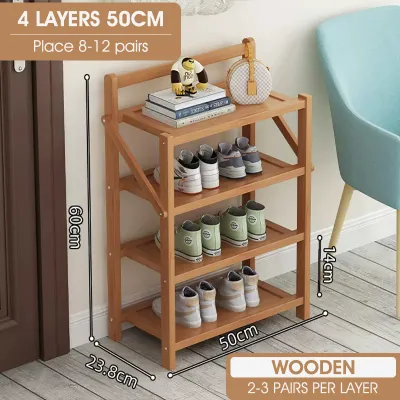
Wood and bamboo bring a warm, natural aesthetic to your home’s entrance, but they require the most stringent selection criteria when used outdoors. Standard indoor wooden furniture, such as those made of untreated pine, medium-density fibreboard (MDF), or particleboard, should never be placed outside. These materials act like sponges, absorbing ambient humidity and rainwater, which leads to rapid swelling, warping, structural collapse, and widespread mold growth within weeks.
If you prefer the look of natural wood, you must select outdoor-grade, properly sealed hardwoods or heavily treated bamboo. Look for species known for their natural oil content and moisture resistance, such as teak or eucalyptus, and verify that they have been treated with a marine-grade sealant or outdoor wood preservative. Always check the manufacturer’s product specifications and warranty to confirm that the unit is explicitly rated for uncovered or semi-covered outdoor use.
The design of a wooden rack is just as important as the material itself. Ensure the shelves feature adequate slat spacing rather than solid panels. Slatted designs promote optimal air circulation around your shoes, helping them dry faster while allowing rainwater to drain through instead of pooling on the wood surface. This simple design feature significantly reduces the risk of localized wood rot and mold accumulation.
Essential Design Features for Outdoor and Corridor Use
Selecting the right material is only half the battle; the physical design of the shoe rack determines how well it functions in a semi-outdoor environment. A well-designed outdoor shoe rack must balance ventilation, stability, space efficiency, and floor protection to ensure long-term usability and safety.
Ventilation and Drainage: Wet footwear is common in Singapore due to sudden afternoon showers. Your outdoor shoe rack must feature slatted shelves, mesh grids, or open-wire designs. These configurations prevent water from pooling on the shelves, which can damage both the rack and the soles of your shoes. Furthermore, open designs maximize airflow, allowing damp shoes to dry naturally and reducing the buildup of unpleasant odors and mold.
Stability and Anchoring: Outdoor corridors and balconies can experience strong wind gusts, especially during the monsoon seasons. You must evaluate the rack’s base footprint and center of gravity. Tall, narrow shoe racks are prone to tipping over in high winds or if accidentally bumped. Look for designs with a wider base, or consider low-profile units that sit closer to the ground. If you must use a taller rack, check if it can be safely anchored to an adjacent wall without violating estate drilling guidelines.
Space and Compliance: Before finalizing your purchase, measure the exact dimensions of your designated outdoor space. In Singapore’s high-density housing, every centimeter counts. The rack must fit comfortably within your doorstep area or corridor without obstructing the main walkway or neighboring units. Ensure that the depth of the rack allows for easy passage, keeping in mind the mandatory clearance rules set by your building management or local authorities.
Protective Feet: The base of the shoe rack is constantly exposed to floor-level moisture, dirt, and cleaning water from corridor washing. Verify that the rack is equipped with non-slip, non-marking protective feet caps. These caps, usually made of high-grade rubber or silicone, elevate the main frame slightly off the ground, preventing direct contact with standing water. They also provide essential grip to keep the rack from sliding on wet tiles while protecting your flooring from scratches.
Maintenance and Care for Prolonged Durability
Even the most durable outdoor materials require regular maintenance to withstand Singapore’s harsh tropical climate over the long term. Implementing a simple, routine care schedule will significantly extend the lifespan of your shoe rack and keep your entryway looking clean and organized.
Routine cleaning should be performed at least once a month. Start by removing all shoes from the rack and wiping down the entire structure with a damp microfiber cloth and a mild, non-abrasive soap solution. Avoid harsh chemical cleaners, as they can strip away protective powder coatings, UV-resistant layers, or wood sealants. Pay close attention to corners, joints, and the undersides of shelves where dust, dirt, and moisture tend to accumulate.
After heavy rainstorms, take a few minutes to inspect the rack. If water has pooled on any surfaces or inside protective feet caps, wipe it dry immediately. Allow both the rack and any damp shoes to dry completely in a well-ventilated area before placing the shoes back on the shelves. This practice prevents trapped moisture from creating localized mold pockets or accelerating rust on metal components.
Regularly inspect the rack for early signs of wear and tear. Look for tiny rust spots on metal joints, fine cracks or color fading on plastic surfaces, or peeling sealant on wooden frames. Addressing these minor issues early—such as applying a touch-up rust inhibitor or a fresh coat of outdoor sealant—can prevent widespread damage. However, if you observe deep structural rust that compromises the rack’s stability, severe plastic brittleness that threatens to collapse under weight, or widespread wood rot, you should stop using the unit and replace it to ensure safety.
Frequently Asked Questions (FAQ)
Can I leave my indoor shoe rack outside if I cover it?
Using a protective cover over an indoor shoe rack is generally not recommended for outdoor use in Singapore. While a waterproof cover may shield the furniture from direct rain, it acts as a vapor barrier that traps ambient humidity underneath. This trapped moisture creates a highly humid greenhouse effect, accelerating mold growth on wood and rapid corrosion on metal components. Always check the original manufacturer’s environmental specifications, as indoor-grade materials are not built to withstand outdoor humidity levels, even when covered.
How do I prevent mosquitoes from breeding in my outdoor shoe rack?
To prevent your outdoor shoe rack from becoming a mosquito breeding ground, you must eliminate all potential water-holding spots. Regularly inspect the rack for hollow metal or plastic tubes that may have lost their end caps, as these can easily collect rainwater. Ensure that shelves are slightly sloped or slatted so water cannot pool on them. Choose designs with solid, sloped shelves or fully open mesh that naturally shed water, and avoid modifying the structure with DIY covers or trays that might inadvertently trap standing water.

Community discussion
Share your experience or ask a question. Comments are reviewed before publication.